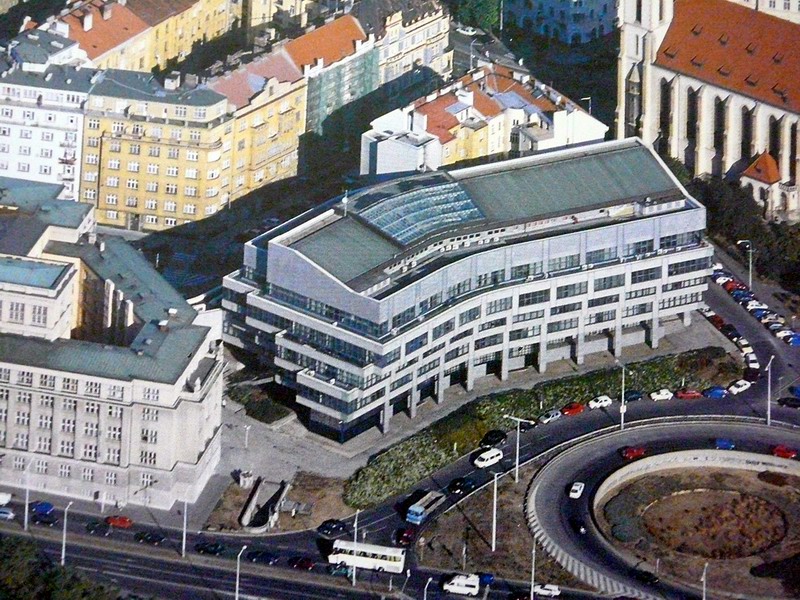
On September 6, the European GNSS Agency (GSA) inaugurated its new premises in Prague, Czech Republic, in the presence of Commission Vice-President Antonio Tajani, in charge of Industry and Enterprise, and Minister of Transport Pavel Dobeš. Previously headquartered provisionally in Brussels, the headquarters of the Galileo program moved its seat to Prague over this summer, as had been agreed by the EU heads of state and government on December 10, 2010.
Galileo is expected to be partly operational by the end of 2014.
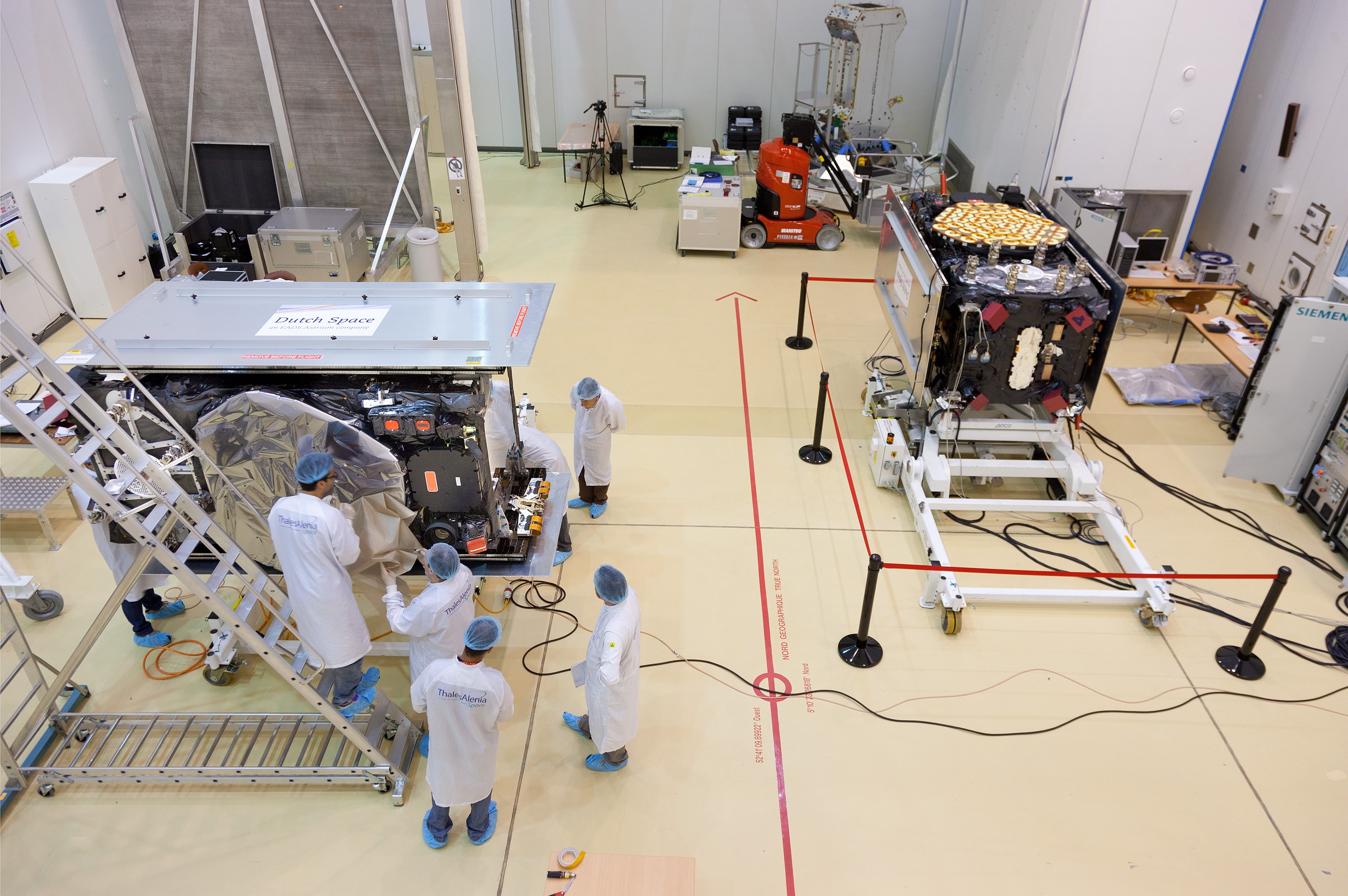
Tajani said two satellites will be launched in October, and beginning in 2013 four more Galileo satellites will be launched every six months until the network of 30 is completed in 2020.
GSA ensures security of satellites and prepares ground for new GNSS products. The agency is responsible for a number of implementation tasks for the European Satellite Navigation programmes Galileo and EGNOS (European Geostationary Navigation Overlay Service), which are managed by the European Commission. Its two main tasks are:
- Security (security accreditation of satellites, launchers, and sites, and the operation of the Galileo Security Monitoring Centre), and
- Market Development for the European satellite navigation systems (for example, see MEMO/12/601, New products and services possible using Internet access to satellite navigation data).
Additionally, the GSA has been assigned other tasks by the commission by delegation, for instance promoting GNSS applications and services, supporting the development of a Public Regulated Service (PRS) and preparing the exploitation of the GNSS systems.
Security of Galileo Programme. The GSA’s security accreditation activities are of key importance for the satellite launches. After a successful first launch of two satellites on October 21, 2011, the “In-Orbit Validation” phase will be accomplished with a second launch of two satellites on October 10, 2012. From 2013 on, the deployment of the satellite infrastructure will continue faster, with several launches per year until the full constellation of 30 satellites (which includes six in-orbit spares) is reached before the end of the decade.
Future role of the GSA. A commission proposal for revising the GNSS Regulation, which is now before Parliament and Council, foresees that operational responsibility for the GNSS Programmes will be gradually transferred from the European Commission to the GSA over the next multi-annual financial framework (2014-2020). This process will start with EGNOS in 2014, and already a number of preparatory tasks have been allocated to the GSA, including the procurement for the future operations of EGNOS.
To carry out these new functions, the GSA’s staff is expected to increase over the coming years from about 60 today to more than 180 by the end of next financial framework in 2020.
The Budget. The GSA has an annual budget of about €12,750 million (2012). In addition, it manages the budget for activities that are entrusted to it under delegation from the European Commission. These amount to €34.4 million for exploitation activities.
According to the commission’s calculations, a total budget of € 7000 million is necessary to complete the deployment phase of the Galileo programmes and finance the exploitation phase of the GNSS programmes over the 2014-2020 period. The commission’s proposal for a new GNSS Regulation foresees that the GSA will manage the budget necessary to operate EGNOS and Galileo and ensure service provision. This budget will be assigned under a delegation agreement signed with the commission, a mechanism foreseen under the European Union’s Financial Regulation. Under this arrangement, the commission would remain responsible for the overall political supervision of the GNSS Programmes. However, the GSA would ensure the exploitation of the GNSS systems with the appropriate level of autonomy and authority.
The Structure of the GSA. The GSA today is composed of a security department, a market development department, and an organizational entity charged with preparing the GSA’s future responsibilities in the management of the GNSS Programmes. In addition to a number of horizontal departments that ensure the agency’s functioning, the Galileo Security Monitoring Centre is an organizational component of the GSA.