Tag: Panasonic

  • Launchpad: OEM, Surveying & Mapping, UAV, and Transportation

    Launchpad: OEM, Surveying & Mapping, UAV, and Transportation

    A roundup of recent products in the GNSS and inertial positioning industry from the July 2021 issue of GPS World magazine.


    OEM

    GNSS/INS Sensors
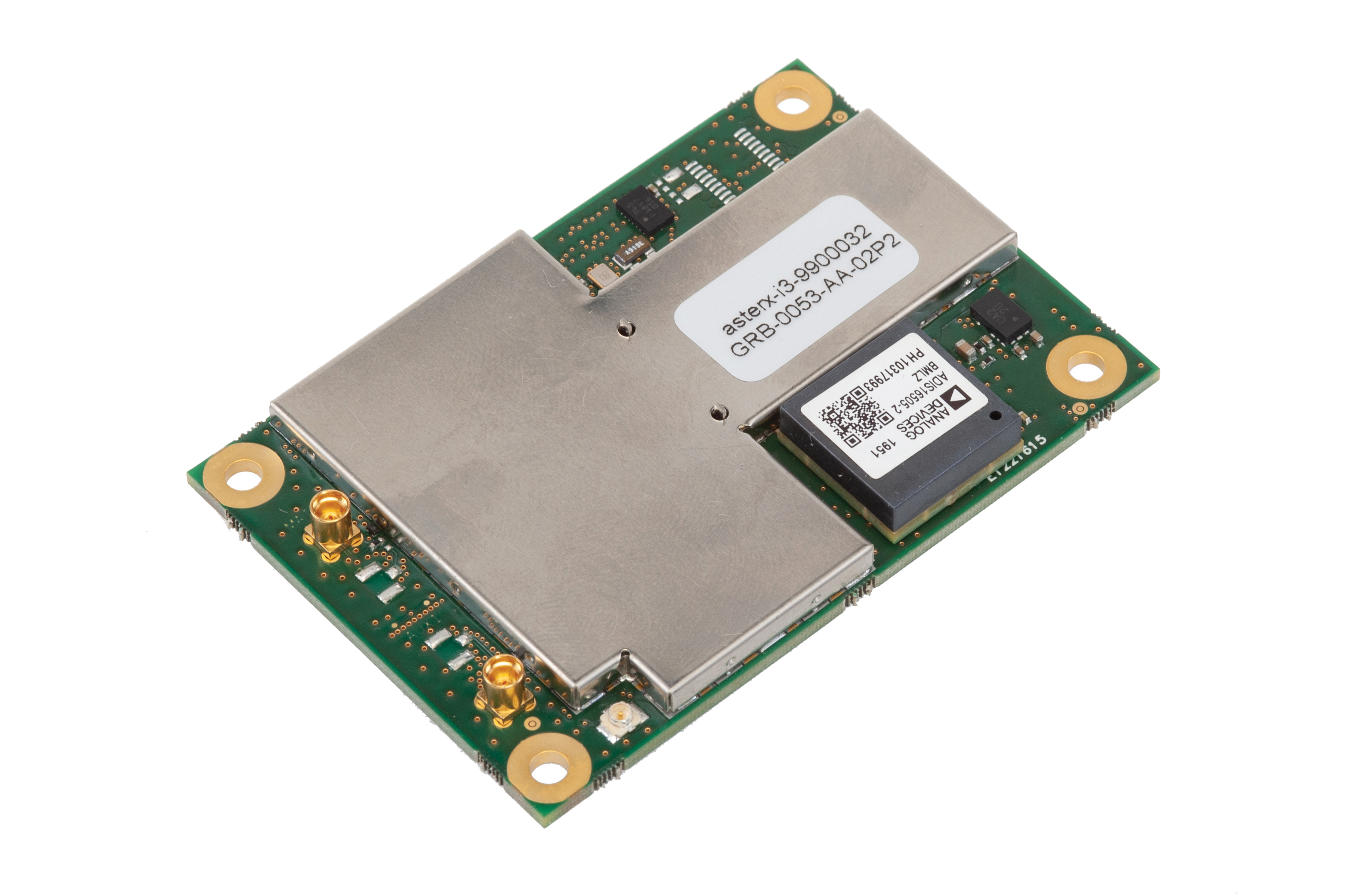
    Photo: Septentrio
    Photo: Septentrio

    Five receivers in new product line

    The AsteRx-i3 product family provides an array of next-generation receivers, from plug-and-play navigation solutions to feature-rich receivers with raw measurement access. Included are OEM boards and ruggedized receivers enclosed in a waterproof IP68 housing. The Pro receivers offer high accuracy positioning with 3D orientation and dead-reckoning for plug-and-play integrations. Pro+ receivers provide integrated positioning and orientation along with raw measurements, in single- or dual-antenna configurations, suitable for applications with sensor fusion. One of the receivers offers an off-board inertial measurement unit (IMU), which can be mounted exactly at the alignment point of interest.

    Septentrio, septentrio.com

    Timing Module
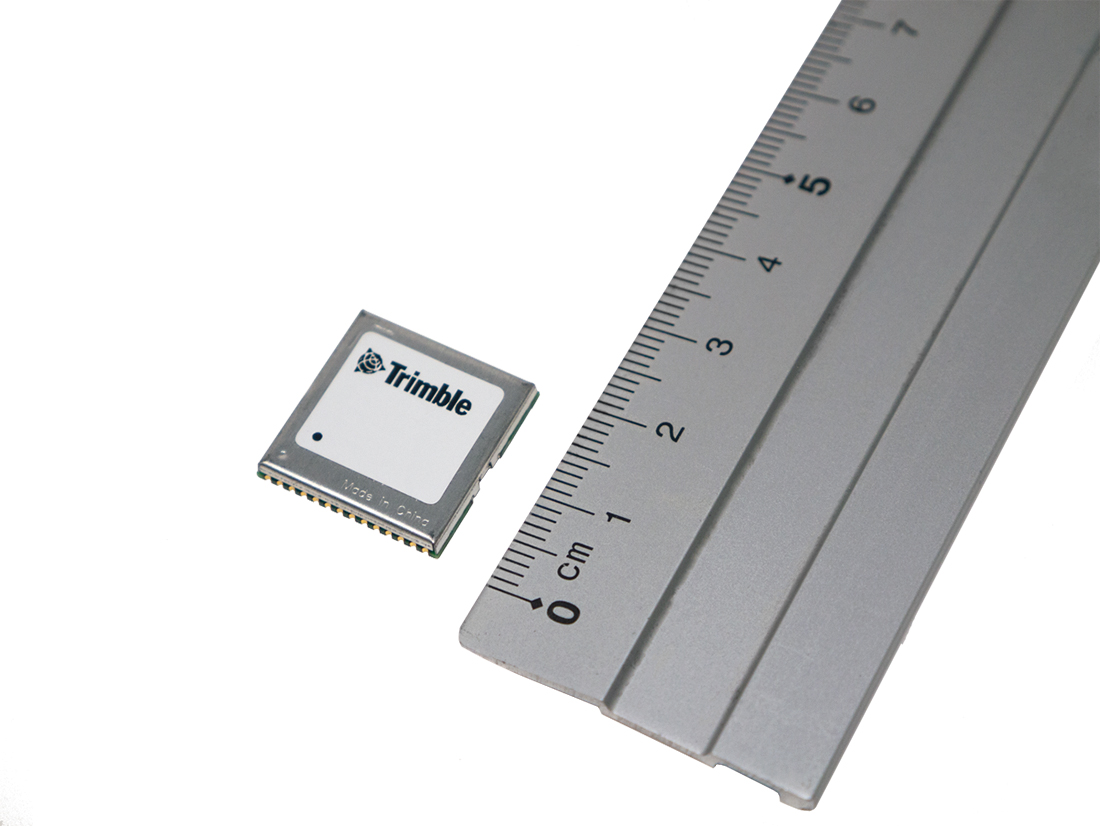
    Photo: Trimble
    Photo: Trimble

    Designed for 5G networks

    The RES 720 GNSS dual-frequency embedded timing module provides next-generation networks with 5-nanosecond accuracy. It uses L1 and L5 GNSS signals to provide superior protection to jamming and spoofing, mitigates multipath in harsh environments, and adds security features to make it suitable for resilient networks. At 19 x 19 millimeters, the RES 720 is suitable for 5G Open Radio Access Networks (RAN)/XHaul, smart grids, data centers, industrial automation and satellite communication networks, as well as calibration services and perimeter monitoring applications.

    Trimble, trimble.com

    Rugged IMUs

    Photo: Honeywell
    Photo: Honeywell

    Ready for commercial, defense

    The new HG1125 and HG1126 IMUs are low-cost inertial measurement units that serve both commercial and military applications. They use sensors based on micro-electromechanical systems (MEMS) technology to precisely measure motion. They can survive shocks up to 40,000 G-force. The HG1125 and HG1126 can be used for a variety of defense and commercial applications, such as tactical military needs, drilling, unmanned aerial vehicles or navigation systems for general aviation aircraft.

    Honeywell, honeywell.com

    Replacement IMU
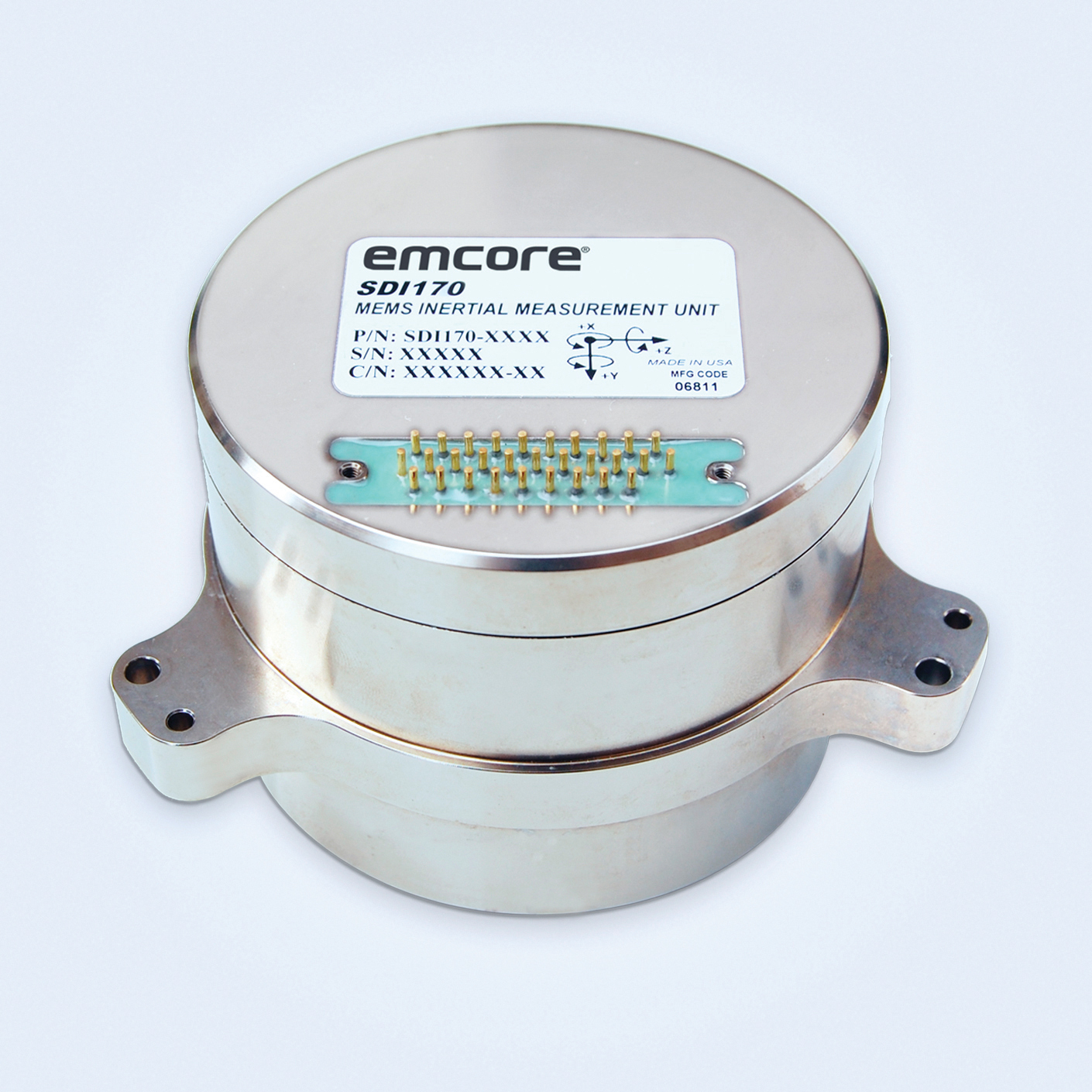
    Photo: Emcore
    Photo: Emcore

    Plug-compatible with HG1700-AG58

    The SDI170 quartz MEMS tactical-grade IMU is designed as a form-, fit- and function-compatible replacement for the HG1700-AG58 ring-laser gyroscope (RLG) IMU, but with superior overall performance, versatility and a significantly higher mean time between failures (MTBF) rating over ruggedized environments. The SDI170 IMU delivers highly linear accelerometer performance and longer life compared to the HG1700 IMU.

    Emcore, emcore.com

    Grandmaster Clock
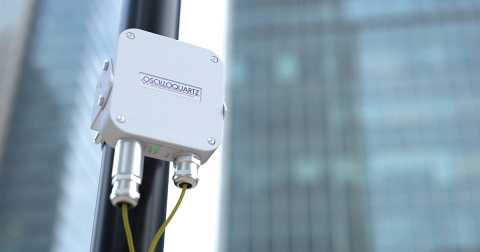
    Photo: Adva
    Photo: Adva

    Timing for edge deployments

    The OSA 5405-MB is a compact outdoor precision time protocol (PTP) grandmaster clock with a multi-band GNSS receiver and an integrated antenna. It ensures timing accuracy by eliminating the impact of ionospheric delay variation, enabling communication service providers and enterprises to deliver the nanosecond precision needed for 5G fronthaul and other time-sensitive applications. A multi-constellation GNSS receiver and antenna enable the OSA 5405-MB to meet PRTC-B accuracy requirements (+/–40 nanoseconds) even in challenging conditions. It receives GNSS signals in two frequency bands, using the differences between them to calculate and compensate for ionospheric delay variation. The OSA 5405-MB is resilient against jamming and spoofing, considered critical for 5G synchronization. It can work with up to four GNSS constellations concurrently (GPS, Galileo, GLONASS and BeiDou).

    Adva, adva.com


    SURVEYING & MAPPING

    Android Tablet
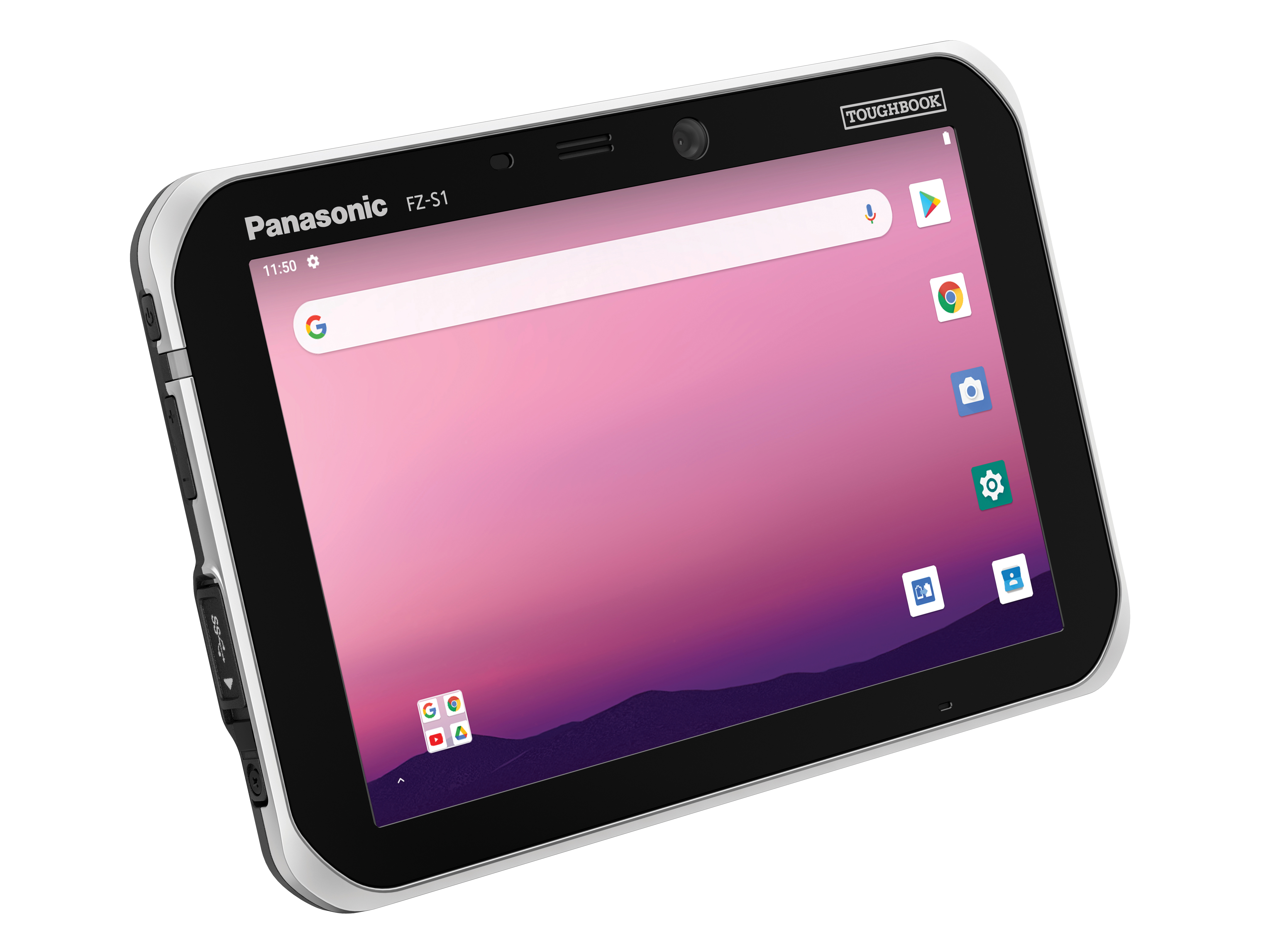
    Photo: Panasonic
    Photo: Panasonic

    For field workers

    The Toughbook S1 is a fully rugged 7-inch Android tablet for capturing and accessing critical information in the field. GPS and LTE come optionally. The tablet is supported by Productivity+, a comprehensive Android ecosystem that enables customers to develop, deploy and sustain the Android OS environment in the enterprise. The Toughbook S1 tablet’s compact, rugged and lightweight body is made for portability and reliability for field workers. It has a 14-hour battery life and warm swap battery. Features include a sleek outdoor-readable anti-reflection screen, patented rain mode and multi-touch performance whether using a stylus, finger or glove.

    Panasonic, toughbook.com

    AG Receivers
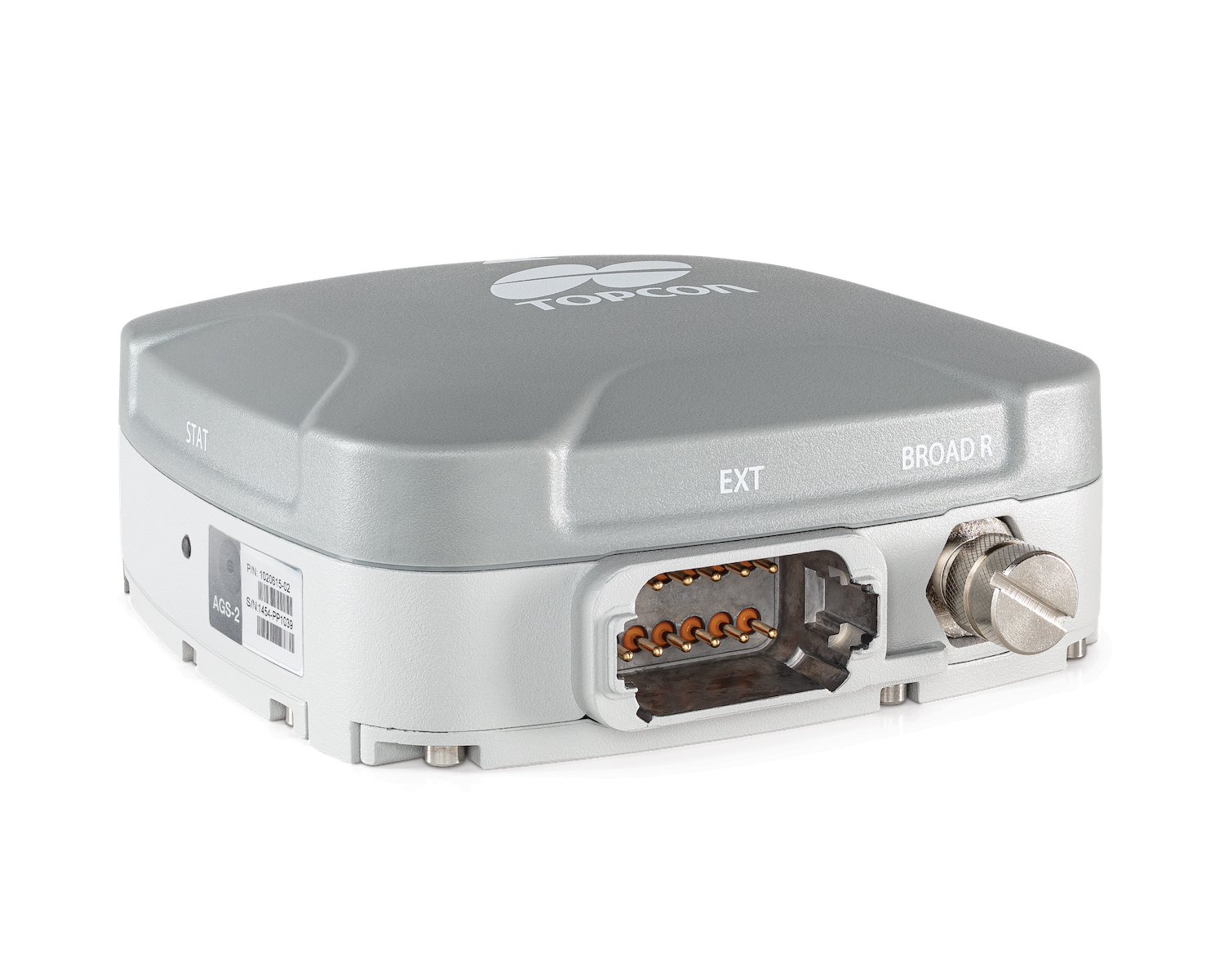
    Photo: Topcon Agriculture
    Photo: Topcon Agriculture

    Combine steering and networks

    The AGS-2 and AGM-1 are manual guidance and autosteering receivers. Location data enable crop optimization, including soil preparation, seeding, crop care and harvesting. Designed to suit virtually any agricultural machine type, make and model, the AGS-2 receiver and steering controller combines steering with network reception and tracking. It comes standard with DGNSS correction services and is upgradeable using NTRIP and an optional RTK radio in the Topcon CL-55 cloud connectivity device. The AGM-1 is offered as an economical entry-level manual-guidance receiver.

    Topcon Agriculture, topconpositioning.com

    Rugged Tablet
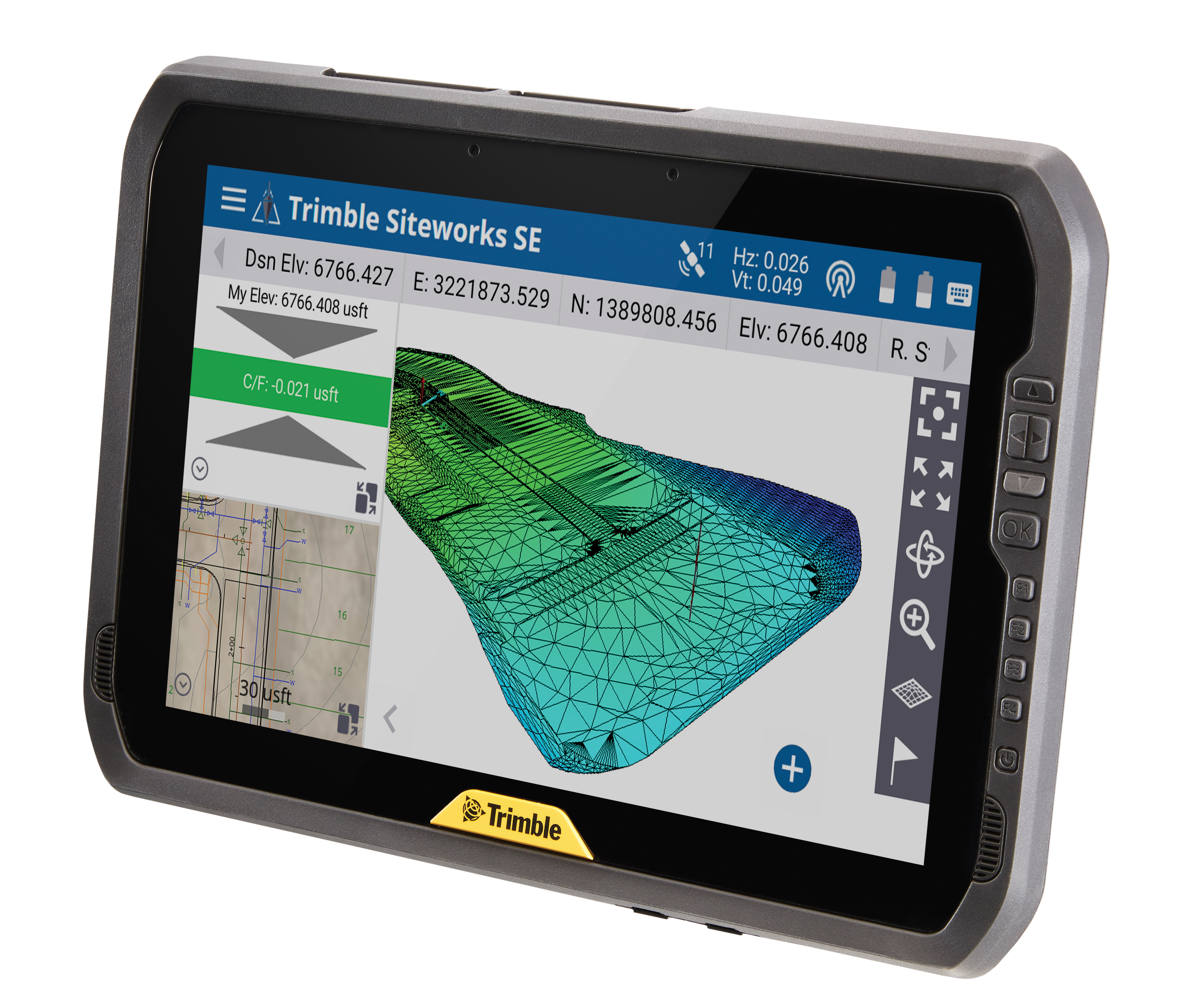
    Photo: Trimble
    Photo: Trimble

    Provides fast data processing for construction and surveying

    The Trimble T100 high-performance tablet is suitable for both experienced and novice users. It is optimized for Trimble Siteworks Software and supporting office applications such as Trimble Business Center. Its accessories are designed to complement user workflows, enabling users to complete quality assurance and quality control before leaving the field. The tablet is designed to be flexible and usable in a variety of configurations and job sites. It is engineered to be ergonomic and portable on and off the pole. Features include a 10-inch (25.4 cm) sunlight-readable touchscreen display, a directional keypad with programmable function keys and a 92-Wh internal battery.

    Trimble, trimble.com

    GIS Software
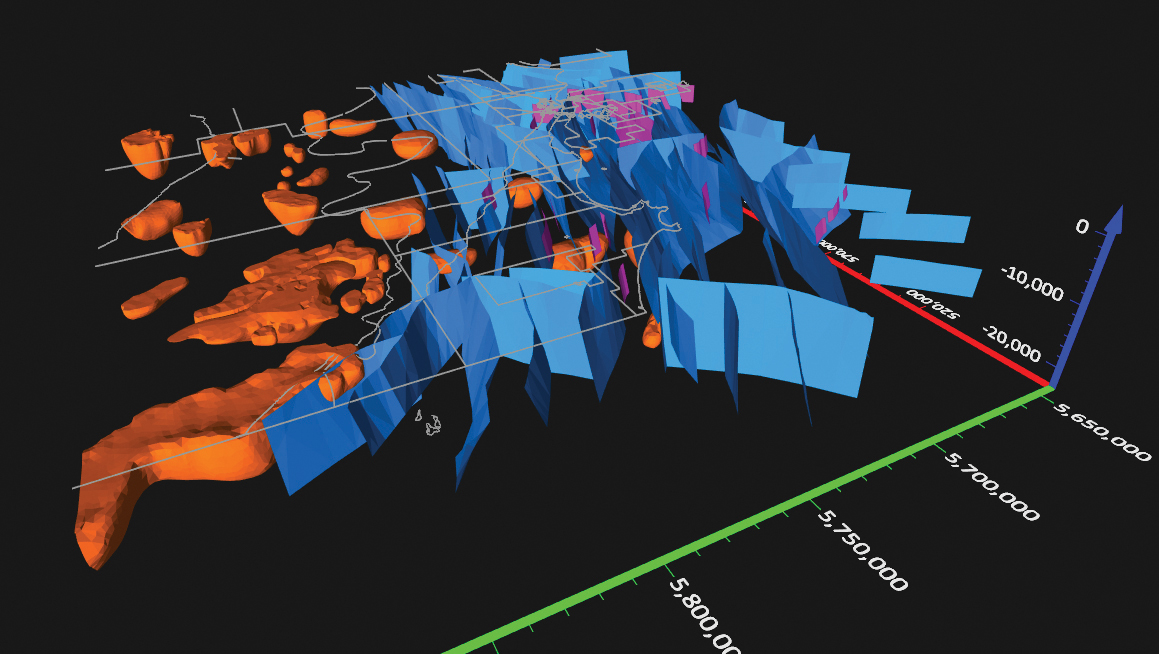
    Photo: Golden Software
    Photo: Golden Software

    Scientific modeling package

    Surfer has new gridding, contouring and surface mapping software to make it easier for users to visualize, display and analyze complex 3D data. Surfer enables users to model data sets, apply an array of advanced analytics tools, and graphically communicate the results. The scientific modeling package is used in oil and gas exploration, environmental consulting, mining, engineering and geospatial projects. Enhancements have been made to 3D Base Maps, Contour Volume/Area Calculation, 3D PDF Exporting Options and automated features for creation of scripts and workflows.

    Golden Software, goldensoftware.com

    Cloud Resource
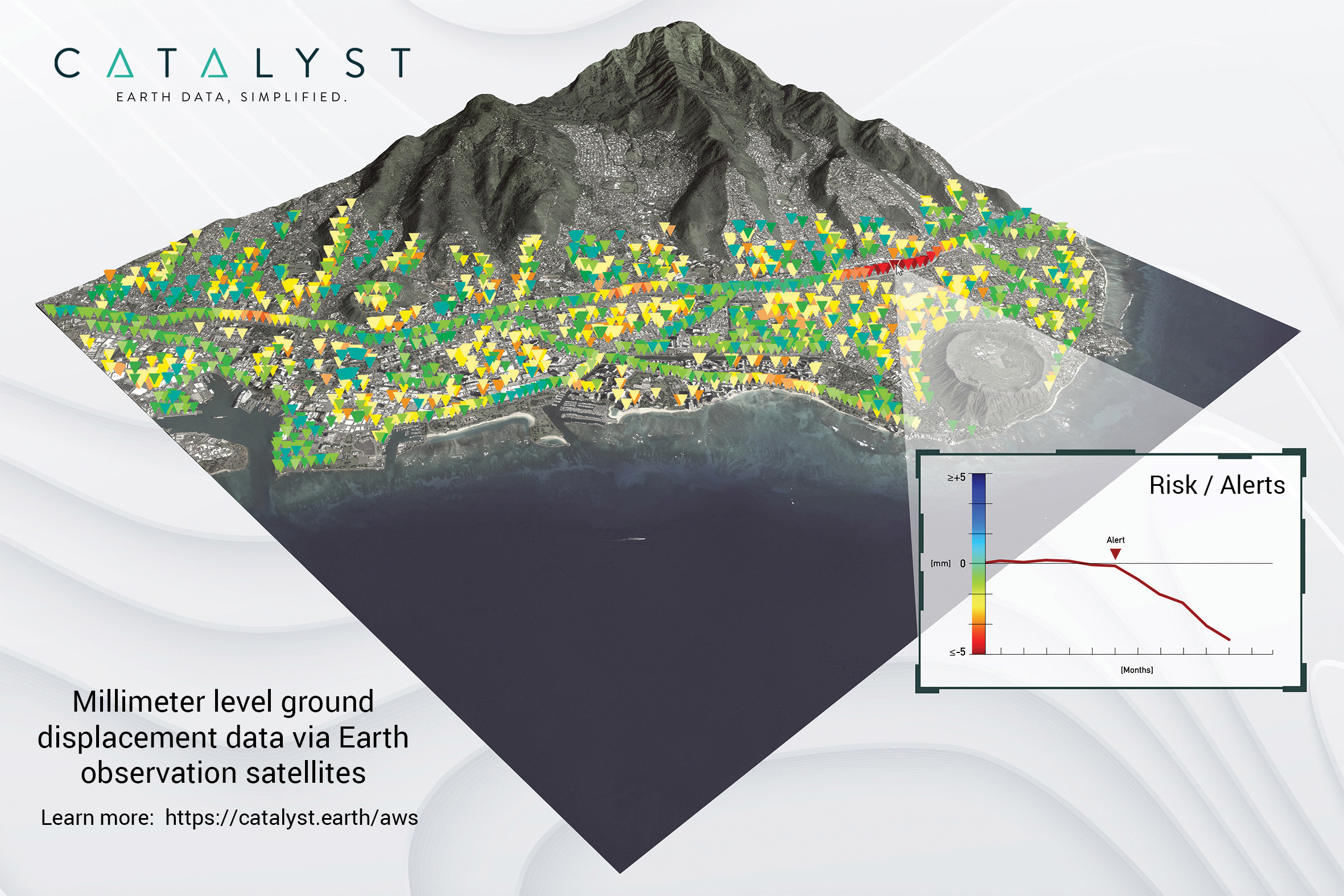
    Photo: Catalyst
    Photo: Catalyst

    Provides geospatial insights

    A Catalyst-AWS collaboration delivers actionable geoscience analytics to users, providing satellite-based Earth observation intelligence. The data and analytics are delivered via Amazon Web Services (AWS) Cloud. Catalyst is a PCI Geomatics brand. The initial solution, available through AWS Data Exchange, is an infrastructure risk-assessment service that uses satellite data to continuously monitor millimeter-level ground displacement over a subscriber’s area of interest anywhere on Earth. Catalyst is exploring additional risk mitigation solutions and monitoring services using AWS. Having image processing science and imagery on the cloud reduces latency and costly data transfers.

    Catalyst, catalyst.earth/aws


    UAV

    GPS-Aided INS
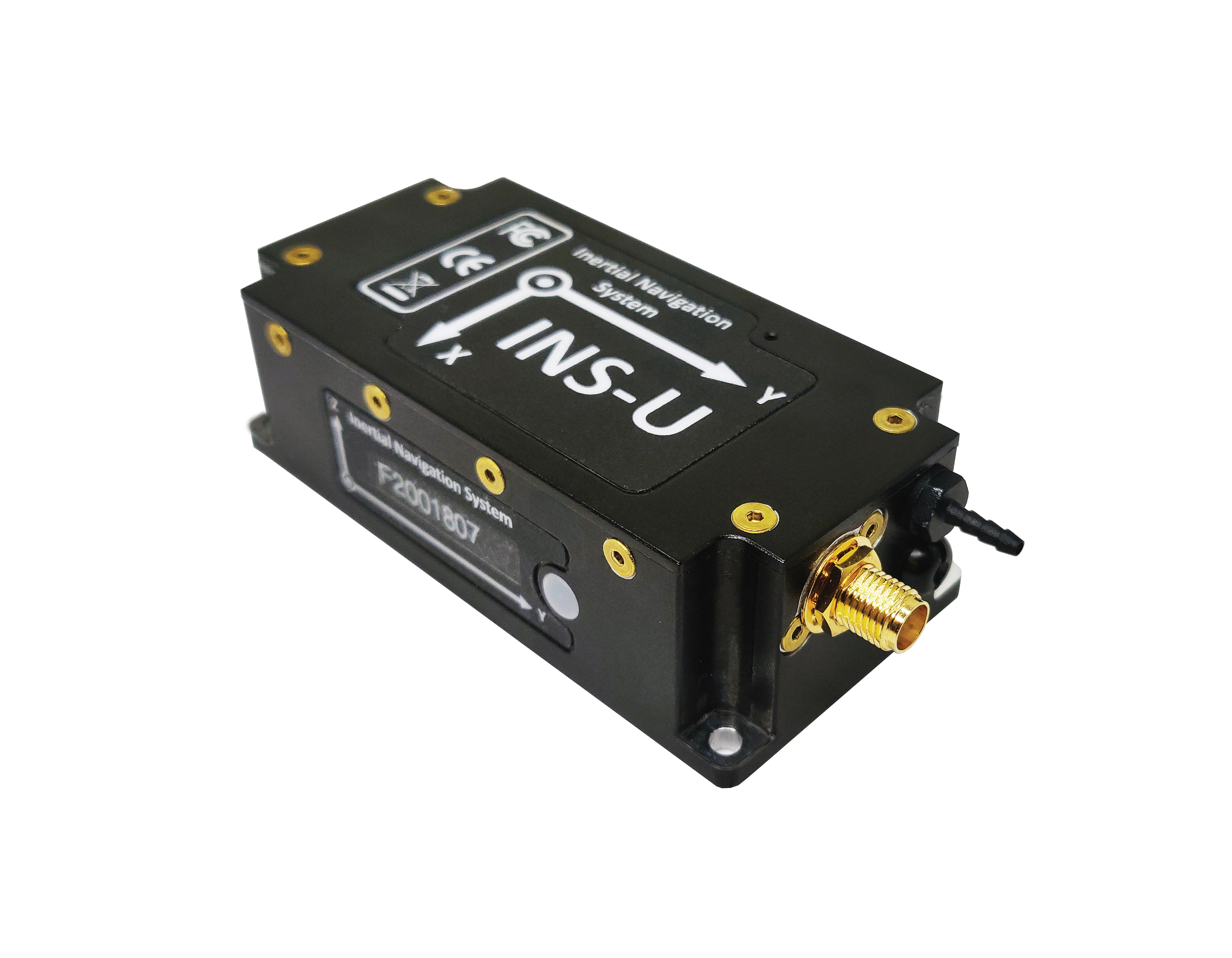
    Photo: Inertial Labs
    Photo: Inertial Labs

    For UAV, helipcopters, and lidar surveys

    The GPS-aided INS-U is a fully integrated attitude and heading reference system (AHRS), IMU and air-data computer high-performance strapdown system that determines position, navigation and timing information for any device on which it is mounted. The INS-U uses a single antenna, multi-constellation u-blox GNSS receiver. With access to GPS, GLONASS, Galileo, QZSS and BeiDou, the INS-U can be used in a variety of GPS-enabled environments and is protected against spoofing and jamming. The INS-U has two barometers, a miniature gyro-compensated fluxgate compass, and tri-axis temperature-calibrated advanced MEMS accelerometers and gyroscopes. These high-performance sensors, along with Inertial Labs’ new on-board sensor-fusion filter, and state-of-the-art guidance and navigation algorithms, provide accurate position, velocity and orientation of the device under measurement.

    Inertial Labs, inertiallabs.com

    PPK Modules
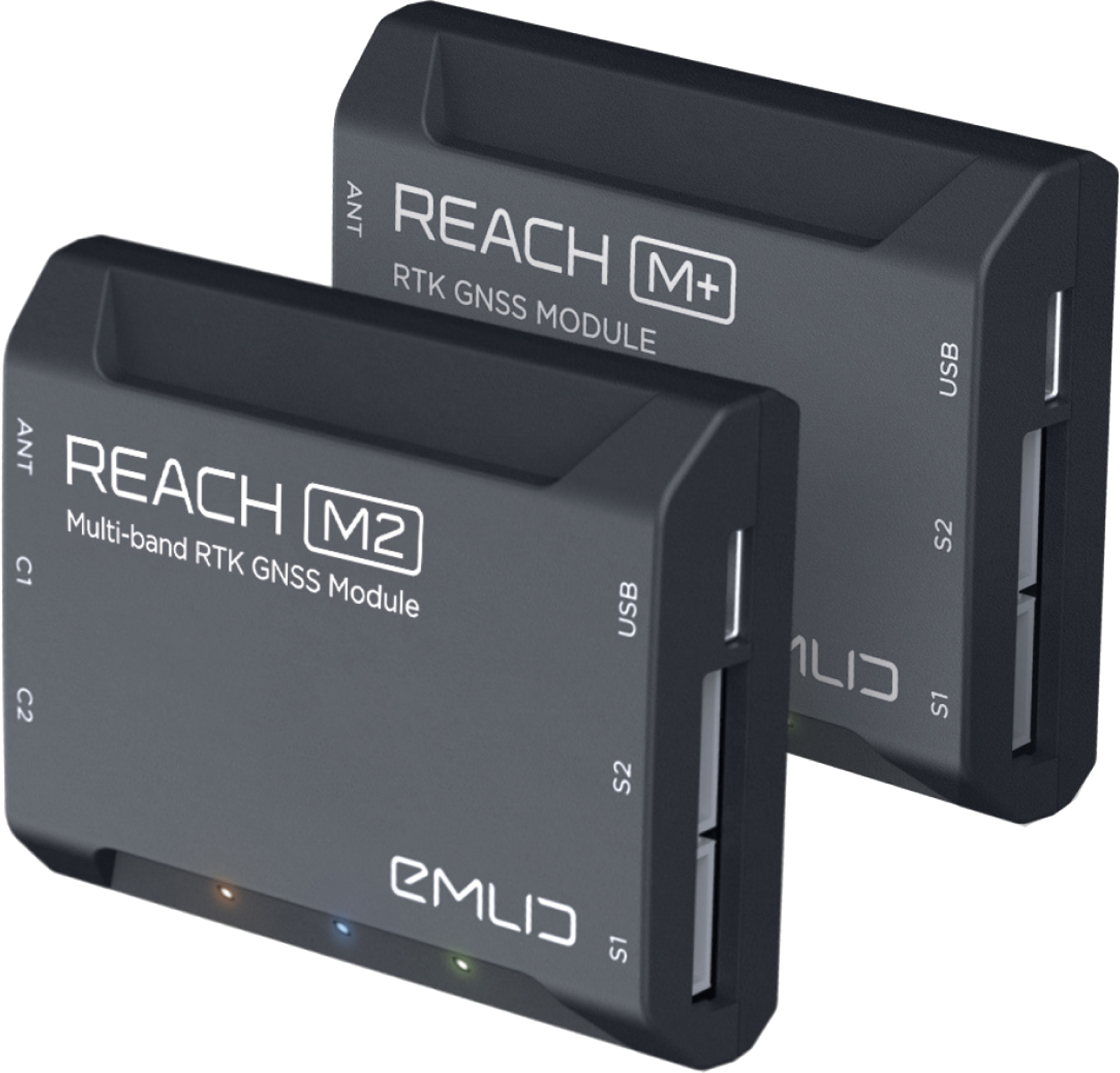
    Photo: Emlid
    Photo: Emlid

    For CM-accurate drone mapping

    The Reach M+ and Reach M2 positioning modules for UAV mapping provide centimeter-level accuracy in real-time kinematic (RTK) and post-processed kinematic (PPK) modes, enabling precise UAV mapping with fewer ground control points. The Reach M+ single-band receiver has a baseline up to 20 kilometers in PPK. The Reach M2 is a multi-band receiver with a baseline up to 100 kilometers in PPK. Reach connects directly to a camera’s hot-shoe port and is synced with the shutter. Time and coordinates of each photo are logged with a resolution of less than a microsecond. Reach captures flash sync pulses with sub-microsecond resolution and stores them in a raw data RINEX log in the internal memory. This method allows ground control points to be used only to check accuracy.

    Emlid, emlid.com

    Drone-In-A-Box
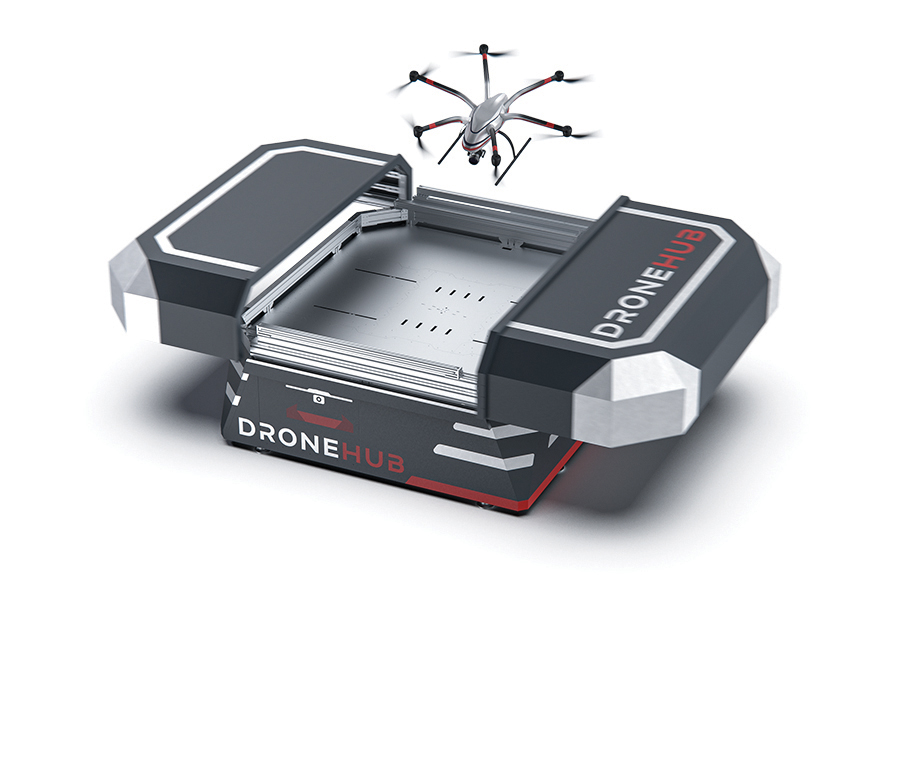
    Photo: DroneHub
    Photo: DroneHub

    System simplifies drone inspection missions, deliveries

    The Dronehub is an automated solution that can provide undisturbed drone service 24/7 in nearly any weather condition. With the integration of IBM artificial intelligence technology, Dronehub solutions can operate and automatically provide information with little human interaction. The system includes the drone and a docking station with automatic battery replacement. It can fly for 45 minutes in +/–45° C weather, up to 35 km in winds up to 15 m/s. It can carry a payload up to 5 kg as far as 15 km. It can be used for monitoring, inspection and measurement; cargo transport and parcel deliveries; and mobile ground infrastructure; and security.

    Dronehub, dronehub.ai

    Survey Platform
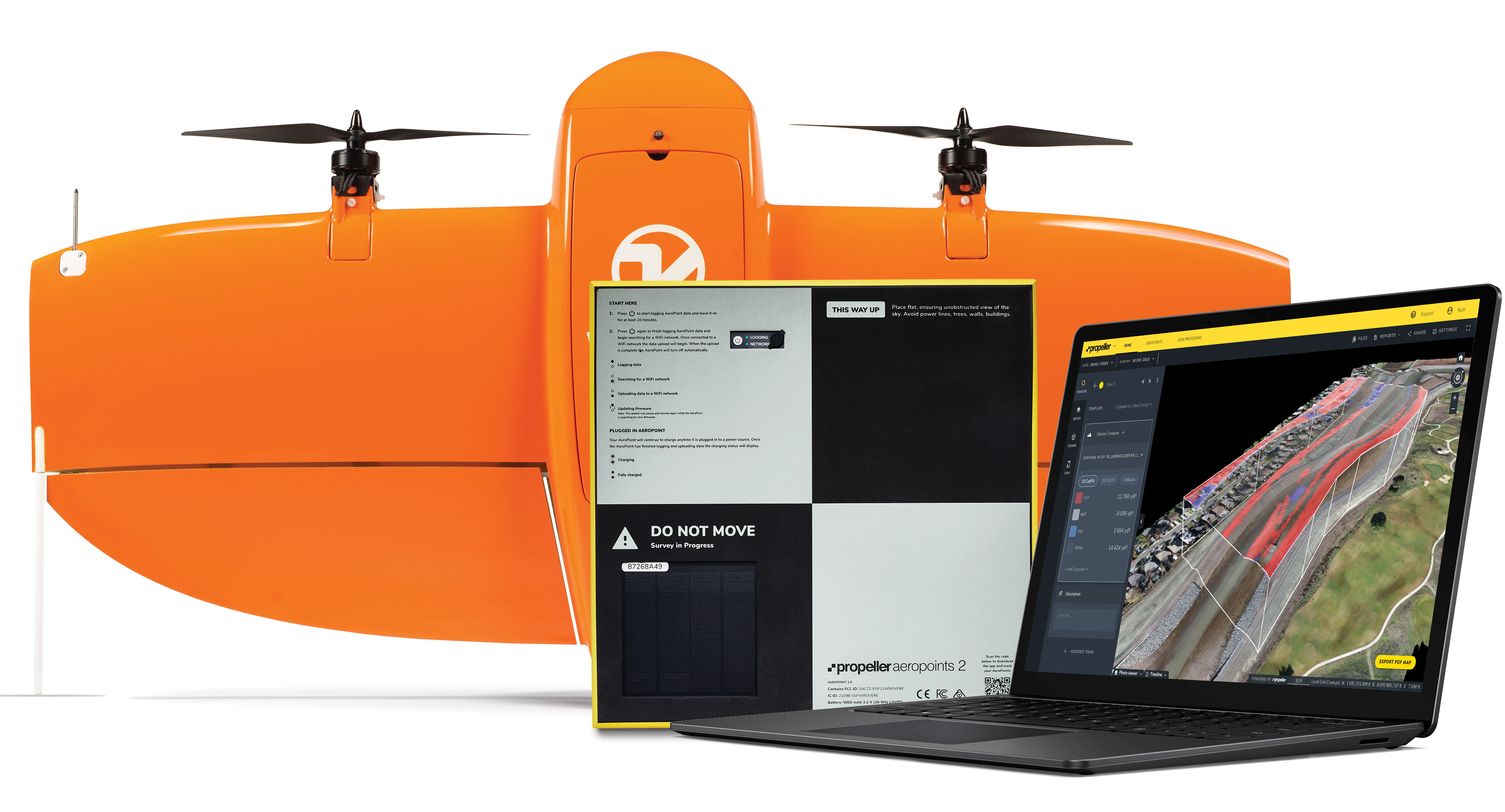
    Photo: WIngrta
    Photo: Wingrta

    For construction and earthworks

    The Propeller Platform and WingtraOne drone package enable construction professionals to collect survey-grade data across the worksite consistently and accurately. To operate, surveyors place Propeller AeroPoints (smart ground-control points) on their worksite, and then fly the WingtraOne drone to collect worksite survey data. Survey images are uploaded to Propeller’s cloud-based platform, where the fully automated geotagging and photogrammetry processing is completed within 24 hours of submission on the platform. Uses include mines, road and railway projects, highways and industrial complexes. Data collection with AeroPoints and Propeller PPK can serve as a reliable, single source for survey data and progress. Teams across the entire worksite can view geographically accurate and realistic 3D site models and track, inspect and report on job progress and productivity safely and accurately.

    Propeller, propelleraero.com

    Wingtra, wingtra.com


    TRANSPORTATION

    Receiver
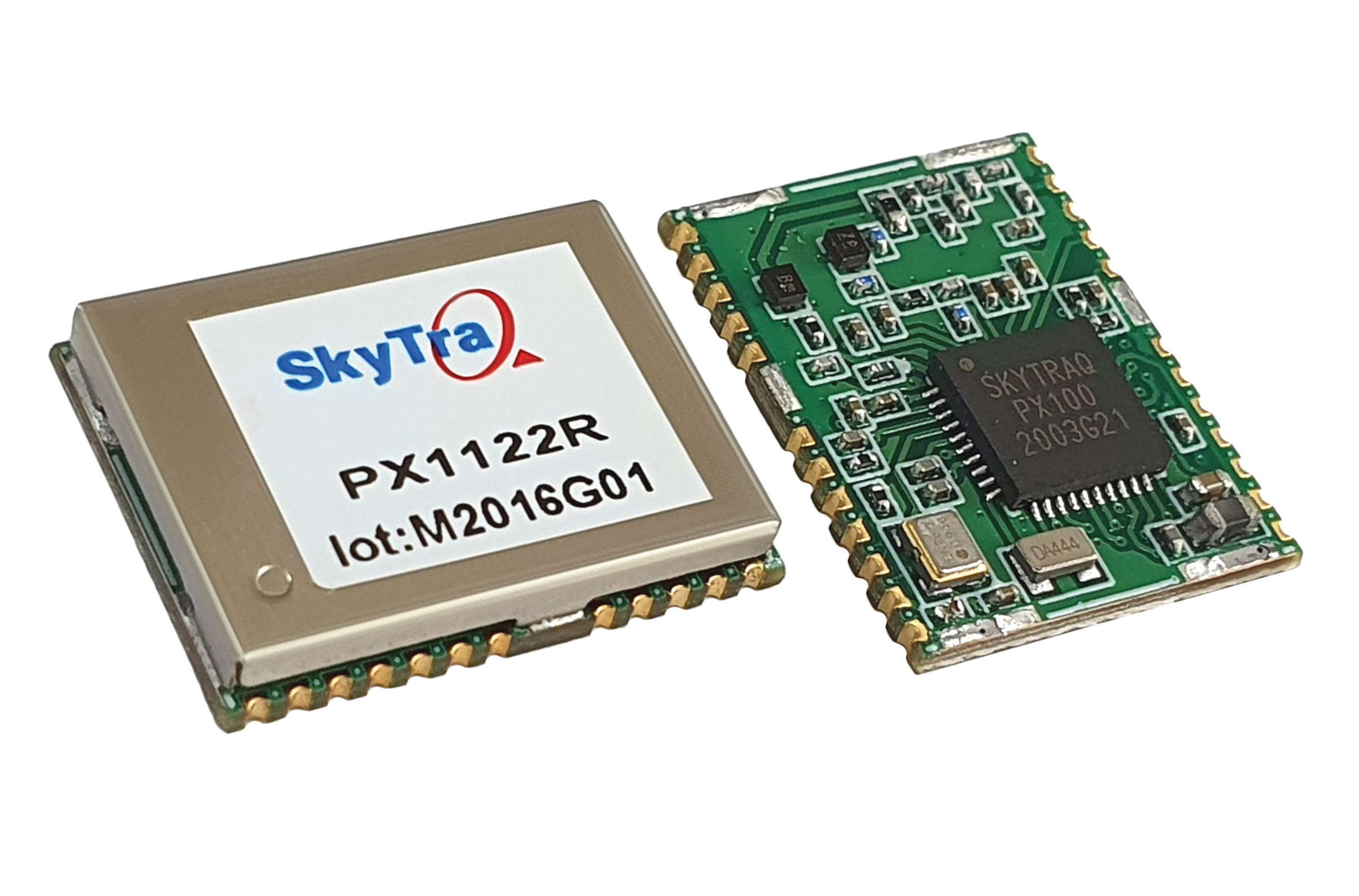
    Photo: SkyTraq
    Photo: SkyTraq

    Stamp-sized module provides RTK positioning and heading 

    The PX1122R is a high-performance multi-band quad-GNSS real-time kinematic (RTK) receiver featuring 1 cm + 1 ppm position accuracy and under 10-second RTK convergence. It has a 12 x 16 millimeter form factor, about the size of a postage stamp. It can be configured for a base or a rover, and supports a moving base RTK for precision heading applications. The PX1122R has a maximum quad-GNSS RTK update rate of 10 Hz, providing a quick response time and more stable performance for fast-moving precision guidance applications.

    SkyTraq, skytraq.com.tw

    Marine Compass
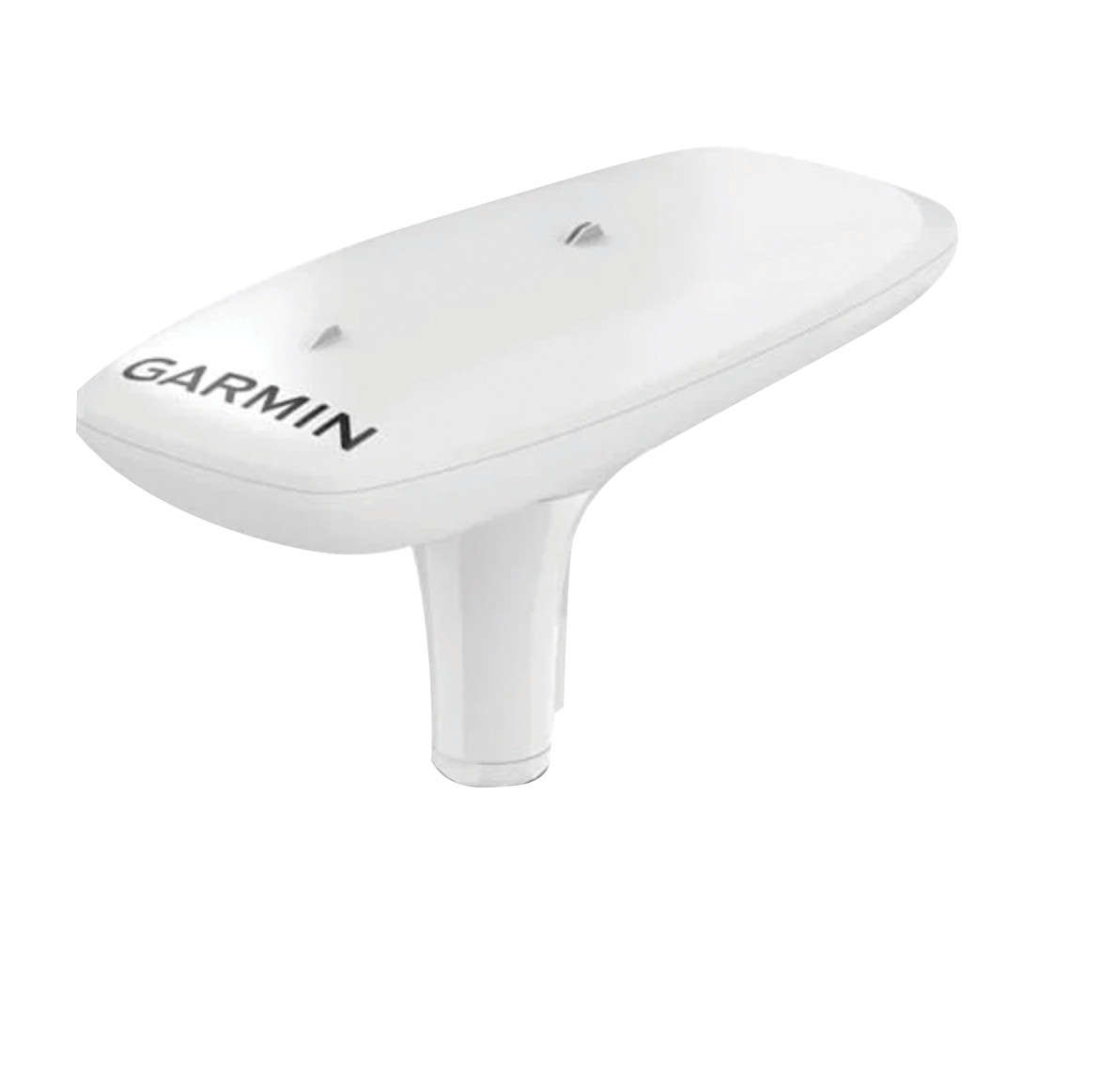
    Photo: Garmin
    Photo: Garmin

    GPS-based navigation tool with multi-band GNSS

    Utilizing both L1 and L5 GPS frequencies, along with multi-constellation support (GPS, Galileo, GLONASS and BeiDou), the MSC 10 marine satellite compass provides precise positioning and heading accuracy within 2 degrees. Its 10-Hz position update rate delivers detailed tracking information. It eliminates magnetic interference, which can degrade heading accuracy. The MSC 10 is easy to install and can be used as the primary position and heading sensor across multiple systems, including autopilots. If the satellite signal is lost, it will transition from GPS-based to a backup magnetometer-based heading.

    Garmin International, garmin.com

  • Launchpad: Inertial sensors, ground control targets

    Launchpad: Inertial sensors, ground control targets

    A roundup of recent products in the GNSS and inertial positioning industry from the December 2020 issue of GPS World magazine.


    OEM

    Inertial system

    Ready for UAVs, robotics

    Photo: Inertial Labs
    Photo: Inertial Labs

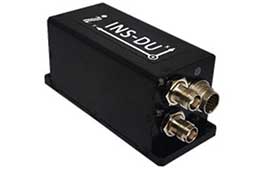
    The INS-DU is a high-performance strapdown inertial navigation system (INS) that determines position, velocity and absolute orientation of a platform it is mounted to. Its dual-antenna u-blox receiver provides 1-cm real-time kinematic (RTK) position from RTCM 3 RTK corrections and supports multiple GNSS constellations. Designed for UAVs, land vehicles and marine vessels, the INS-DU uses a range of aiding data to deliver a highly accurate solution for GNSS-denied environments. It uses a miniAHRS with 3-axes each of precision magnetometers, accelerometers and gyroscopes to provide orientation. It contains algorithms for the motion of robots, autonomous vehicles and antennas.

    Inertial Labs, inertiallabs.com

    Space modules

    Hardened for extremes

    Photo: Sensonor
    Photo: Sensonor

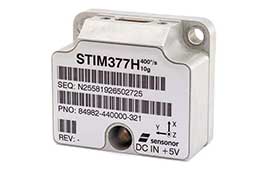
    The high-accuracy tactical-grade STIM277H gyro module and STIM377H inertial measurement unit (IMU) were designed to meet space segment needs. Both have hermetic aluminum enclosures, and all parts are tested for fine and gross leak to conform to MIL-STD-883J, Class H. While a commercial off-the-shelf (COTS) product, Sensonor has carried out extensive radiation characterizations. The design is tested for a 20+ years operating life through high-temperature operating life (HTOL) testing. Backwardly compatible with Sensonor’s other IMU and gyro modules, STIM277H and STIM377H are designed for satellite attitude and orbit control systems (AOCS), launchers, portable target acquisition systems, UAV payloads, land navigation systems, turret stabilization, missile stability and GNSS-supported navigation systems.

    Sensonor, sensonor.com

    OEM boards

    Optimized for low-power consumption

    Photo: Septentrio
    Photo: Septentrio

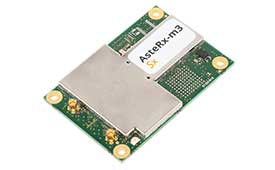
    The AsteRx-m3 family features GPS/GNSS OEM boards optimized for power consumption and ease of integration. An easy-to-integrate design enables short set-up times and faster time-to-market. The AsteRx-m3 offers multi-frequency, multi-constellation positioning combined with Septentrio’s GNSS+ technology while optimizing power. The AsteRx-m3 Pro rover receiver tracks signals from all available GNSS constellations on three frequencies, and operates both in single- and dual-antenna modes. The AsteRx-m3 ProBase is designed to operate as a reference station for RTK and PPP-RTK networks. The AsteRx-m3 Pro+ is a full-feature OEM receiver board flexible enough to fit into any application and to be used either as a rover or a base station in a single- or dual-antenna mode.

    Septentrio, septentrio.com

    GNSS anti-jam units

    Fight RF interference

    Photo:
    Photo:

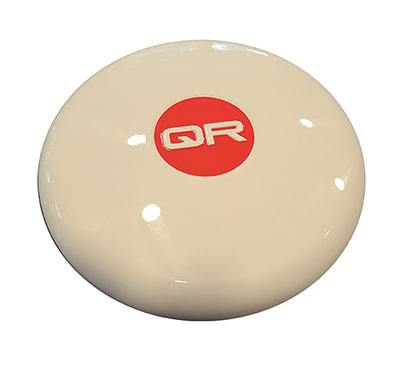
    New anti-jamming antennas available are the QR200 GPS dual-frequency L1/L2 anti-jamming antenna, the QR201 GNSS multi-frequency band anti-jamming antenna, and the QR202 GNSS multi-frequency band anti-jamming antenna with additional L-band reception (1520–1560 MHz). All models provide robust GPS or GNSS navigation and block intentional jamming and unintentional RF interference timing or 3D positioning. All three are lightweight (230 grams for the QR1xx series and 500 grams for the QR2xx series) with low power consumption (1–1.5W typically, depending on configuration), and can be mounted on any platform (cars, poles, drones, etc.).

    Quantum Reversal, quantumreversal.com

    Positioning sensor

    Centimeter-accurate positioning

    Photo: FixPosition
    Photo: FixPosition

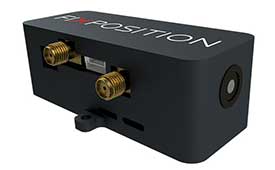
    The Vision-RTK positioning sensor is a compact centimeter-accurate solution with high reliability and availability in challenging environments. The module integrates two real-time kinematic (RTK) GNSS receivers and visual inertial navigation. Its sensor-fusion algorithm is based on deep integration of GNSS, camera and inertial sensors. Real-time sensor fusion provides centimeter-accurate absolute positioning in any outdoor environment.

    Fixposition, fixposition.com


    SURVEYING

    Ground control targets

    Designed for UAV lidar surveys

    Photo: RouteScene
    Photo: RouteScene

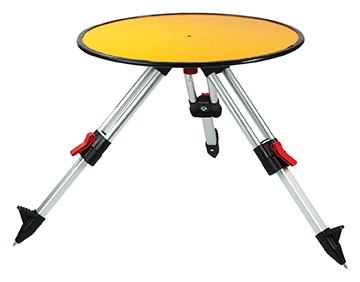
    Deploying ground control targets on accurately surveyed ground control points (GCP) assures that a UAV lidar survey has been properly executed. UAV lidar surveys are typically undertaken in remote, rural and sometimes hazardous locations where no fixed points are available, such as solid surfaces or concrete features. Routescene’s GCPs are raised from the ground using a mini tripod. A built-in bubble level enables accurate leveling and removes the need for a tribrach. Robustly engineered, the targets stay in position during adverse and windy conditions, reducing the risk of repositioning during a survey. They are covered with highly retro-reflective material to provide high-intensity returns. As a result, the targets are easily identifiable and can be automatically extracted from the geo-referenced point cloud.

    Routescene, routescene.com

    Rugged tablet

    Handheld computing with GNSs

    Photo: Panasonic
    Photo: Panasonic

    The Toughbook A3 Android tablet is aimed at the mobile workforce. It has an outdoor viewable screen and patented rain-touch functionality. With a 10.1-inch screen and 6-foot drop rating, the A3 enables users across industries to tackle tough jobs and critical applications. The Qualcomm SDM660 chipset, which supports BeiDou, Galileo, GLONASS, GPS, BeiDou QZSS and SBAS. 4G LTE Band 14 EM7511 multi carrier mobile broadband with GPS. The tablet has a powerful octa-core processor, an optional integrated barcode reader, an insertable smart card reader and an insertable stylus. The A3 has a 5-foot drop rating and IP65 certification for dust and water resistance.

    Panasonic, panasonic.com


    UAV

    Autopilot

    Avionics for advanced control of unmanned systems

    Photo: Embention
    Photo: Embention

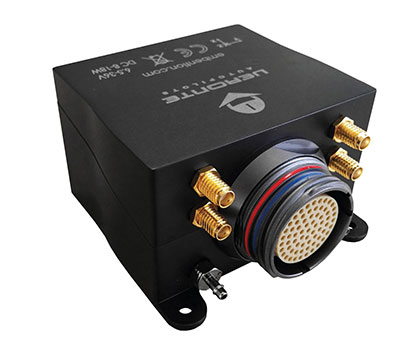
    Veronte Autopilot 1X is a miniaturized avionics system for advanced control of unmanned systems. The control system embeds a suite of sensors and processors with datalink radio, with reduced size and weight. The control system Veronte Autopilot 1X adds fully autonomous control capabilities to any unmanned system for complete operation. The Veronte control system is fully configurable for payload, platform layout, control phases and control channels. It uses real-time kinematic (RTK) positioning and provides cloud connectivity, sense-and-avoid support, electromagnetic interference and vibration isolation.

    Embention, embention.com

    Commercial drone

    Offers centimeter-level accuracy

    Photo: Auterion
    Photo: Auterion

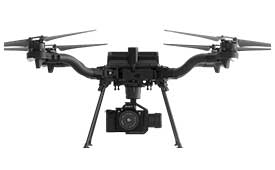
    The Astro commercial drone platform is equipped with Freefly’s multi-band, real-time kinematic (RTK) system, which provides centimeter-level precision with a u-blox F9P GNSS module. The drone is equipped with a 60-megapixel Sony camera. A customized version of Skynode powers each Astro, providing LTE connectivity, an onboard Linux mission computer, and seamless connectivity to Auterion Mission Control and Cloud Suite. The Auterion ecosystem provides robust, secure and scalable drone planning, flight and compliance management solution.

    Freefly, freeflysystems.com


    TRANSPORTATION

    Guidance system

    For pilots in aerial applications

    Photo: Insero
    Photo: Insero

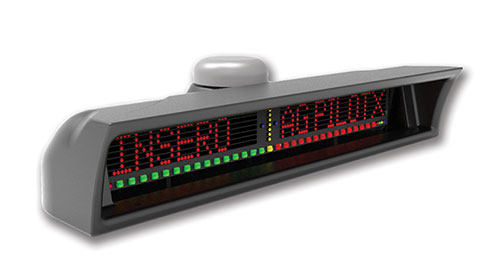
    The guidance system AgPilotX for aerial applicators uses three wireless components: a GPS/GNSS lightbar, a hub and an Apple iPad. The smart components run off their own computer, communicating to each other wirelessly. The AgPilotX Smart Lightbar has onboard GPS+GLONASS as well as a GNSS antenna, so there is no need to run an antenna up to the aircraft canopy. The Lightbar logs the data, while a hub connects the switches (swath advance, swath decrement, spray on/off) and peripherals, and an iPad runs the interface software through an Apple App. All logs are saved as unique jobs and can be returned to at any time. The lightbar is not dependent upon the iPad to operate and will continue to work the active job even if you start using a different App or even shut the Apple device completely off.

    Insero, inserosolutions.com

    Antennas

    High accuracy for autonomous vehicles, robotics

    The Colosseum X XAHP.50 antenna. (Photo: Taoglas)
    The Colosseum X XAHP.50 antenna. (Photo: Taoglas)

    Two new active, multiband GNSS antennas are engineered for applications that require critical high-accuracy positioning and timing, including autonomous driving and precision agriculture. The MagmaX2 AA.200 is designed for space- and weight-constrained applications, such as robotic lawnmowers. Embedded versions are also available. It is a low-profile active multiband GNSS magnetic mount antenna for use across most major constellations including GPS (L1/L2/L5), GLONASS (G1/G2/G5), Galileo (E1/E5a/E5b) and BeiDou(B1/B2). The Colosseum X XAHP.50 is a geodetic-quality small-dome antenna suitable for a vehicle roof mount or pole mount. It is engineered to operate with high-precision capabilities on the full GNSS spectrum. Sub meter positional accuracy better than 55 cm is achievable, even without the use of RTK correctional services.

    Taoglas, taoglas.com

  • Manufacturer equips submarines with rugged tablets

    Manufacturer equips submarines with rugged tablets

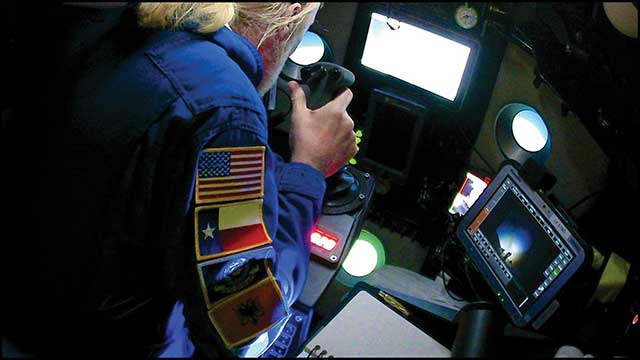
    Triton Submarines — famous for underwater explorations including that of the Titanic — has replaced large, outdated computers onboard with rugged tablets. Each sub is equipped with two Panasonic Toughpad FZ-G1 tablets to monitor depth, light, voltage, gases and alarms, as well as input data and run analytic software. On the surface, a Toughbook 54 is used for tracking and communication.

    Photo: Caladan Oceanic
    Photo: Caladan Oceanic

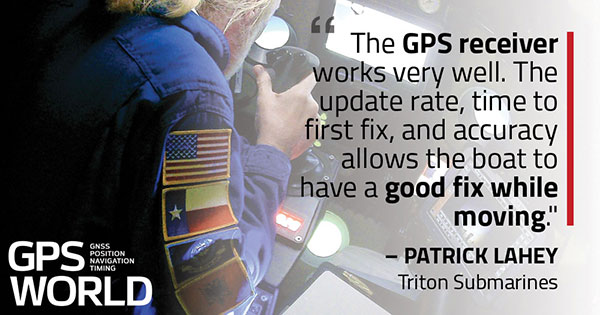
    Integrated GPS receivers simplify mapping, allowing teams to plot the location of a vessel in real time. “We use the GPS receiver inside the Toughbook 54 for positioning of the surface boat to aid in tracking of the sub,” said Patrick Lahey, president of Triton Submarines. “The GPS receiver works very well. The update rate, time to first fix, and accuracy allows the boat to have a good fix while moving, and for a quick restart during operations at sea.”

    Photo: Caladan Oceanic
    Photo: Caladan Oceanic

    Once the sub is submerged, it loses all radio communications including GPS. An underwater positioning system based on acoustics is used instead, Lahey explained. The USBL system uses a surface base station mounted on a boat and GPS to determine its location. Then, using an array of acoustic transducers, it sends a ping to the sub and the sub pings back. The surface unit then measures the travel time to each transducer to find the sub’s position.

  • Kansas utility finds new workflow solutions

    Water, Water, Where?

    WaterOne found itself stuck in the past. The independent public utility knew that its workflow for collecting geospatial data was broken.

    WaterOne serves a 272-square-mile area on the Kansas side of the Kansas City, Missouri, metropolitan area, which has a population of 420,000, 145,000 metered accounts and 2,685 miles of water pipes. The survey/geospatial staff consisted of three analysts, two editors, one programmer and one GPS collector. By 2016, less than 40 percent of the water features had been captured with GPS.

    The staff was using legacy GNSS handhelds — operators had to return to the office every night and physically download their data.

    Besides being time-consuming, the operators would become frustrated by the antiquated system. Sometimes the handhelds wouldn’t sync to the computer, or files for download would be hard to find. Also, the GNSS handhelds had a tiny screen, making it difficult for operators to see background data in the field. The handhelds’ limited computing power meant the entire water system couldn’t be loaded onto it.

    WaterOne turned to a new workflow using Panasonic ToughPad tablet computers and Eos Positioning Systems’ Arrow 200 RTK GNSS receivers mounted on a range pole (see photo).

    The Arrow 200 receiver connects to the Panasonic ToughPad via wireless Bluetooth link. The ToughPad has a Verizon SIM card for internet connectivity, used for two purposes:

    • Connecting to the Missouri Department of Transportation RTK network to receive RTK corrections for centimeter accuracy;
    • Connecting to the WaterOne ArcGIS server in real time from the field.

    Whenever the field tech collects data, the data syncs up with ArcGIS server. This eliminates the task of having to physically download the data at the end of the day.

    The new workflow also provides near real-time updates to WaterOne’s geospatial information system. This means that if five techs are in the field collecting data, they can each see the map updated in near real time.

    The ToughPad tablets have a large, sunlight-readable 10-inch display. The large displays combined with the new data-collection software allows the field techs to view the entire GIS water system on the tablets. The field tech can now “see” all of the water system assets — pipes, valves, fittings, hydrants — around them. This significantly improves productivity over the legacy GNSS handhelds.

    Street maps and aerial photos were loaded on the ToughPad to give the field techs a choice of background data to view.

    The result? Compared to the 1,767 GPS points collected in 2016, the WaterOne team has collected 5,770 just in the first four months of 2017.

  • Panasonic collaborates with u-blox on RTK GNSS tablet

    Panasonic collaborates with u-blox on RTK GNSS tablet

    Panasonic Corporation, in collaboration with u-blox, has launched a tablet-using centimeter-level RTK GNSS technology.

    Toughpad, the newly born version of Panasonic’s professional grade notebooks family, is specifically designed for precision agriculture, machine control and robotic guidance applications in harsh environments and conditions. Embedded in the tablet is a u-blox NEO-M8 GNSS receiver module delivering high integrity and precision in demanding applications world-wide.

    The Toughpad FZ uses a u-blox NEO-M8 GNSS receiver module.
    The Toughpad FZ uses a u-blox NEO-M8 GNSS receiver module. Photo: Panasonic

    First successfully tested for collecting snow in Hokkaido, the Toughpad tablet uses Panasonic’s own satellite positioning technology combining a satellite radio receiver module, wireless WAN, and a single band real-time kinematic (RTK) GNSS receiver connected to an external antenna. The system enables high-precision positioning down to centimeter level in open sky conditions.

    “We needed a high quality, reliable and robust GNSS module for this tablet designed to be used in rugged environments,”  said Tetsuya Sakamoto, general manager, mobile solutions business division, development center at Panasonic Corporation. “The NEO-M8 from u-blox was therefore the right choice.”

    “It was very exciting to collaborate with a market leader such as Panasonic in developing a product that would guarantee precise positioning for a wide range of professional applications,” said Tesshu Naka, country manager at u-blox Japan. “This implementation will support the global expansion of the high precision market where u-blox is a key player.”

    Toughpad was first launched in Japan.

  • Panasonic showcases connected airport at Mobile World Congress

    Panasonic showcases connected airport at Mobile World Congress

    Panasonic Business introduced its connected airport concept at Mobile World Congress, which is taking place this week in Barcelona, Spain, and is showcasing a suite of intelligent technology solutions for the first time in Europe.

    Panasonic LinkRay.
    Panasonic LinkRay. Photo: Panasonic

    High-tech airports

    A key technology on display is LinkRay, a one-to-one customer engagement tool for public spaces. With LinkRay, dozens of people can simultaneously get native language information from display panels and LED lighting to their smartphone, so that display panels in an airport can contain links to transport information in multiple languages.

    Also on display is HD Beacon technology, which can assist localized mapping and wayfinding within the terminal buildings at an airport. So, for instance, airport staff or people with limited mobility could use their mobile device to find the nearest electric cart to get them quickly to their gate.

    At MWC, Panasonic is displaying at the 120m2 booth (Hall 6, Booth H31) with technology for retail, car rental, communications, security, logistics and ground handling.

    Car rentals

    In the car rental area of the booth, Ficosa, who has had a business alliance with Panasonic since 2015, will introduce the latest technologies in connected cars. These solutions will transform the in-vehicle experience, providing innovative vehicle services, enabling more autonomous driving with higher levels of safety and efficiency.

    Within the airport logistics hub area, Panasonic’s Parcel Picking Director uses barcode technology to project key parcel information onto parcels themselves, making it viewable by workers at a distance.

    Panasonic Media Track allows organizations to track and optimize the deployment of mobile assets such as baggage containers, trolleys and wagons, perfect for ground handling operations. While Intelligent Warehouse Software (iWS) use CCTV cameras and software to find lost parcels or luggage in minutes rather than hours spent manually searching through security footage.

    “We know that our connected, intelligent technology solutions are well matched for the transportation market,” said Tony O’Brien, managing director of Panasonic System Solutions in Europe. “Our research tells us that improving the passenger journey through better connectivity and information sharing is an important driver in this space and Mobile World Congress gives us the opportunity to showcase what Panasonic can do to innovate within transportation.”

  • Panasonic Offers Durable Antennas for Wireless

    Panasonic Offers Durable Antennas for Wireless

    The VIC100 Series antenna by Panasonic

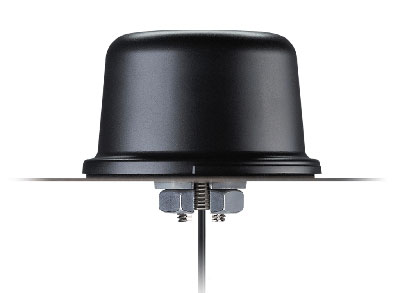
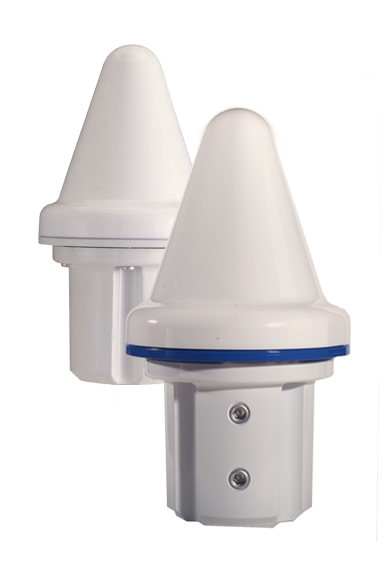
    The VIC100 Series antenna by Panasonic is an active L1 GPS antenna designed for timing and synchronization. It offers immunity to noise and interference, and secure performance by attenuating noise and interference near the GPS L1 frequency through triple-filtering design.

    The VIC100 Series is housed in a waterproof enclosure designed for excellent performance under severe environmental conditions. Its shape prevents accumulation of snow and ice, eliminating problems with bird perching and enhanced immunity to lightning surge.