Tag: TikTok

  • Seen & Heard: Earthquakes and high-speed chases

    Seen & Heard: Earthquakes and high-speed chases

    “Seen & Heard” is a monthly feature of GPS World magazine, traveling the world to capture interesting and unusual news stories involving the GNSS/PNT industry.


    Photo:
    Image: Dennis Laughlin/iStock/Getty Images Plus/Getty Images

    GNSS records Alaska earthquake data 

    Researchers in Alaska were able to compare the quality of GNSS and seismic station data when assessing the magnitude 8.2 Chignik earthquake near Dillingham, Alaska. Research recorded by Revathy Parameswaran and colleagues at the University of Alaska, Fairbanks, shows that GNSS and acceleration seismic data can be used interchangeably or in tandem to estimate rapid magnitude or ground motion. The research showed the Chignik earthquake velocity records were almost identical at co-located GNSS and seismic stations for observations at frequencies of less than 0.25 Hz.


    No more high-speed chases
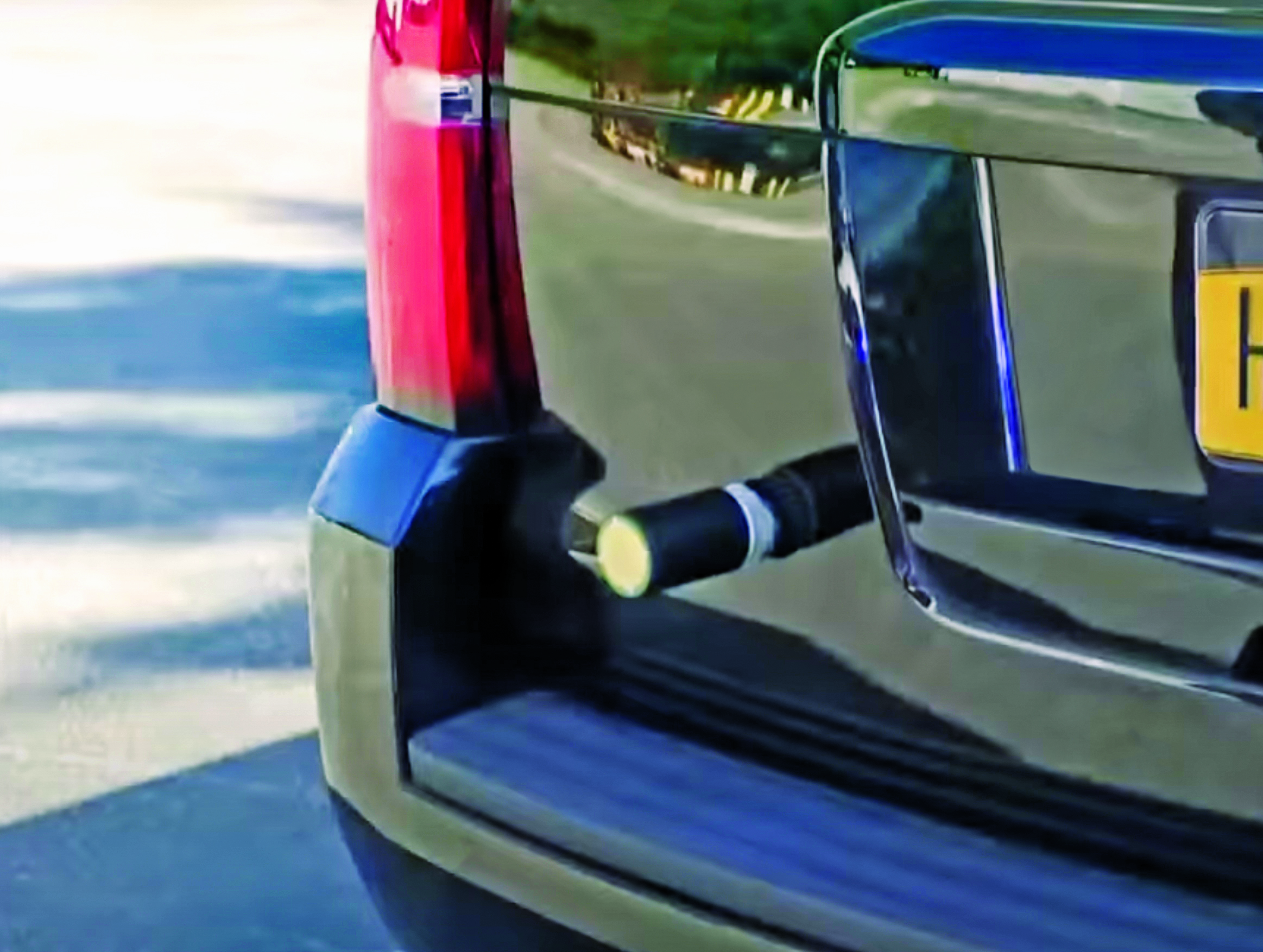
    Photo:
    Image: Screenshot from CBS New York video

    The Old Westbury Police Department of Long Island, New York, has chosen a high-speed pursuit alternative — GPS-equipped darts that relay the current location of suspects, reported CBS New York. It took $36,000 to equip six patrol cars with the air-powered dart launcher, called StarChase, which can be activated from inside the patrol car. When the launcher is activated, it shoots onto the suspect’s vehicle a dart with a GPS receiver inside and an adhesive exterior. It is considered a safe alternative to high-speed chases and safe to use around pedestrians.


    TikTok CEO says app doesn’t track 

    Photo:
    Image: Marco_Piunti/iStock/Getty Images Plus/Getty Images

    Shou Zi Chew, CEO of the popular app TikTok, testified before Congress that TikTok does not collect precise location data from its users. During the hearing, which lasted for more than five hours, Chew assured committee members the app does not collect nor distribute location data. TikTok is under fire as a bipartisan Senate proposal is aimed at banning the social media app, arguing it poses cybersecurity risks. The House Committee interrogated Chew regarding the app’s algorithmic feed, policies for young users and — given TikTok’s Chinese ownership — the amount of access the Chinese government has to user data.


    Just some water, please 
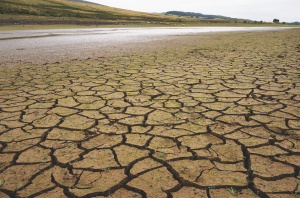
    Photo:
    Image: Bob Douglas/iStock/Getty Images Plus/Getty Images

    Satellite mapping data analyzed at Graz University of Technology’s Institute of Geodesy has revealed long-term drought conditions in Europe, reported GIM International. The data confirmed groundwater levels have been low consistently since 2018. The drought situation was originally published by Eva Boergens in “Geophysical Research Letters” in 2020 when she noted there was a severe water shortage in Central Europe during the summers of 2018 and 2019. There has been no significant rise in groundwater levels since then, and groundwater levels have stayed constantly low. 

  • TikTok hearing highlight: CEO says it does not collect location data

    TikTok hearing highlight: CEO says it does not collect location data

    On March 23, Shou Zi Chew, CEO of the popular app TikTok, testified before Congress that TikTok does not collect precise location data from its users.

    During the hearing, which lasted for more than five hours, Chew assured committee members that the app does not collect nor distribute location data.

    TikTok is under fire as a bipartisan Senate proposal is aimed at banning the social media app, arguing that it poses cybersecurity risks. The House Committee interrogated Chew regarding the app’s algorithmic feed, policies for young users and —given TikTok’s Chinese ownership — the amount of access the Chinese government has to user data.

  • Seen & Heard: Monitoring hurricanes and the power of TikTok

    Seen & Heard: Monitoring hurricanes and the power of TikTok

    “Seen & Heard” is a monthly feature of GPS World magazine, traveling the world to capture interesting and unusual news stories involving the GNSS/PNT industry.


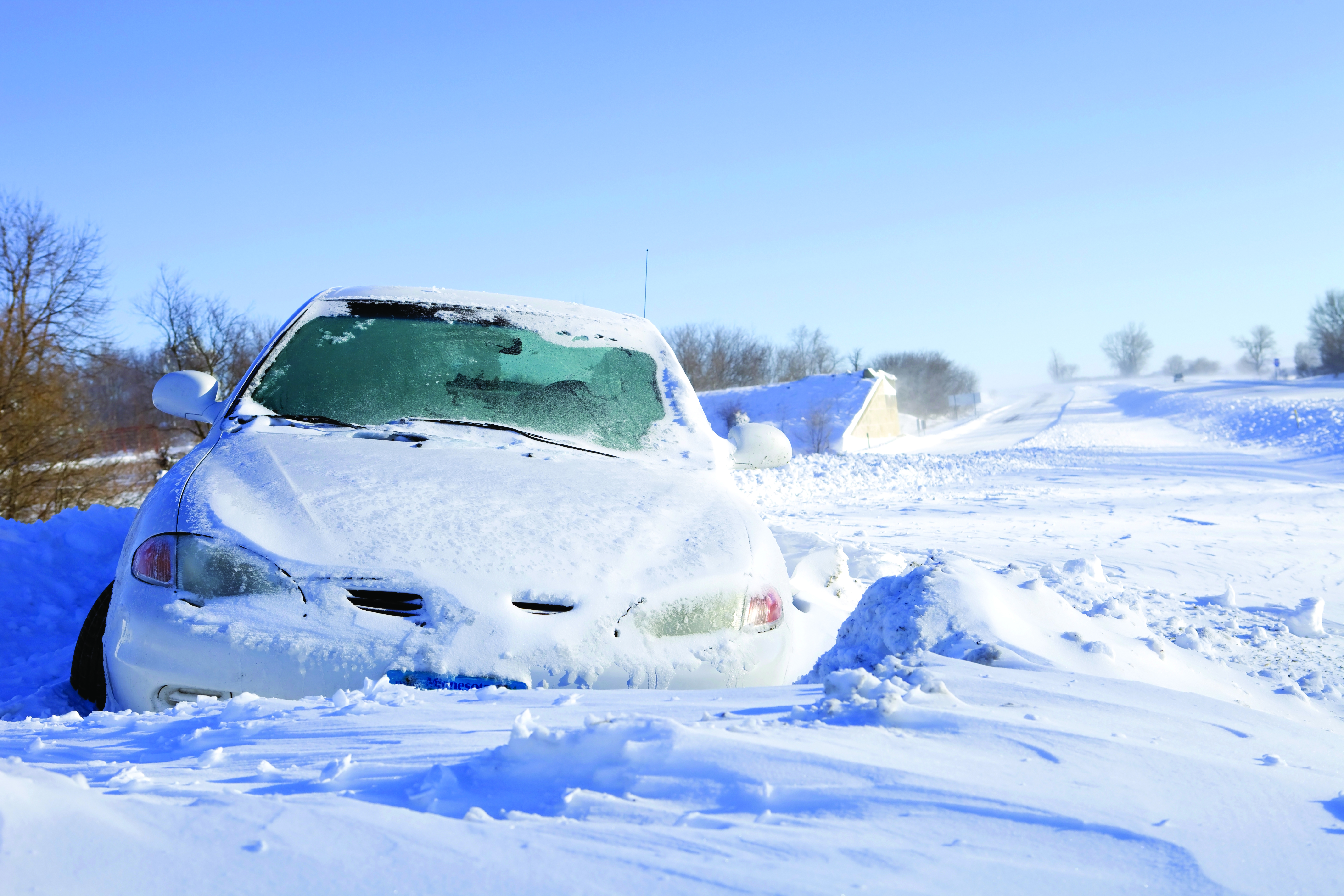
    Car in snow. (Image: BanksPhotos/E+/Getty Images)
    Image: BanksPhotos/E+/Getty Images

    Dozens Stranded in Tundra

    Several vehicles in Rock Springs, Wyoming, were stranded after being led by their map apps or vehicle navigation systems to an unmaintained county road in a blizzard. Several calls were made to the Sweetwater County Sheriff’s Office about stranded vehicles stuck after they were directed to the detour when Interstate 80 was closed due to winter conditions. Similar incidents were reported by other counties, resulting in discussions between the Wyoming Department of Transportation and the companies that develop navigation software. 


    Screenshot: CBS video
    Screenshot: CBS video

    UAVs contain Western Technology

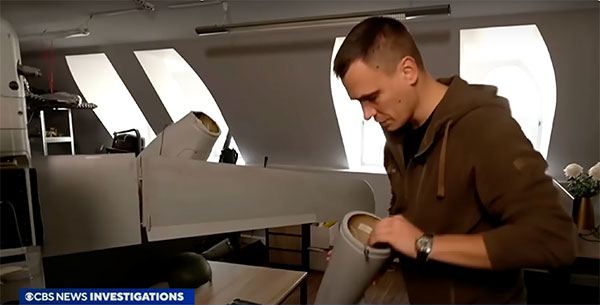
    A Ukrainian intelligence assessment obtained by CNN and CBS reported an Iranian UAV downed in Ukraine contained technology from companies in the United States and other western countries. The White House has since launched an investigation as to how the technology — including semiconductors, GPS modules and engines — were obtained by Iran. The components removed from an Iranian Shahed-136 UAV totaled 52, 40 of which were manufactured by 13 different U.S. companies. The remaining components were manufactured by other western companies and by companies based in Japan, Taiwan and China.


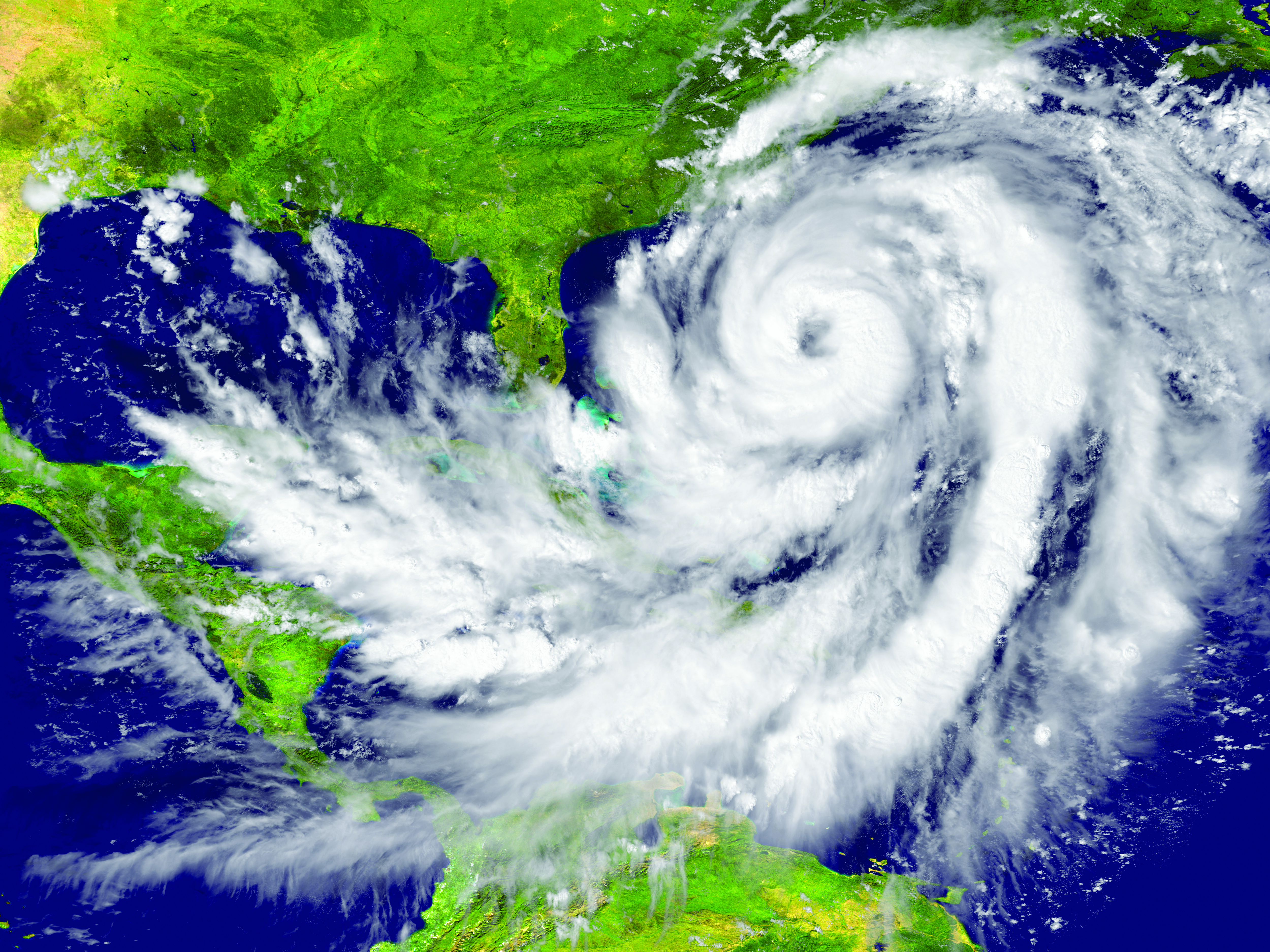
    Hurricane. (Image: Harvepino/iStock/Getty Images Plus/Getty Images)
    Hurricane. (Image: Harvepino/iStock/Getty Images Plus/Getty Images)

    Machine learning helps monitor hurricanes

    Researchers may now be able to monitor climate-induced natural hazards by combining satellite technology with machine learning. Researchers were able to use machine learning to study hurricanes that made landfall over the Gulf of Mexico in a series of recent experiments. C.K. Shum, the co-author of the study and a professor at the Byrd Polar Research Center, uses geodesy to study global climate change phenomena. Using geodetic data gathered from satellites, Shum tested whether a mix of remote sensing and machine learning analytics could accurately monitor weather phenomena. Accurate measurements could help improve hurricane forecasting. 


    Sailboat. (Image: valio84sl/iStock / Getty)
    Sailboat. (Image: valio84sl/iStock / Getty)

    The power of TikTok is real

    TikTok changed Jeff Foulk’s life when his daughter posted about his free marine navigation app, Argo, when they attended a boat show in Chicago. Foulk was promoting Argo with little success, until his daughter shared with the social media platform his struggle as the owner of a small business. Since then, the app has been downloaded more than 200,000 times and remains at the top of the charts for boat navigation apps. Argo was launched more than four years ago and, until now, had only 100,000 total downloads. Now that Argo is viral, Foulk wants to launch a premium subscription.