Tag: ZOE-M8B

  • Latest Ricoh 360° camera uses u-blox module

    Latest Ricoh 360° camera uses u-blox module

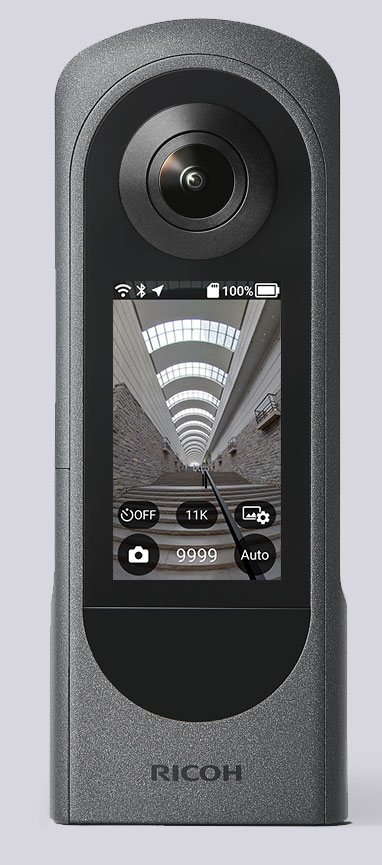
    The Ricoh Theta X 360° camera uses a u-blox module for its location metadata. (Photo: Ricoh)
    The Ricoh Theta X 360° camera uses a u-blox module for its location metadata. (Photo: Ricoh)

    The ZOE-M8B GNSS module from u-blox is integrated into the new Ricoh Theta X camera. The camera allows users to shoot high-quality 360-degree spherical images and videos in one click and visualize them immediately on an LCD touch panel.

    The u-blox ZOE-M8B enables the Ricoh Theta X’s built-in location system, one of its key features. The module is listed on the u-blox site as receiving GPS, BeiDou and GLONASS signals as well as QZSS, but the Ricoh Theta X specifications list only GPS + QZSS along with assisted GPS.

    The u-blox receiver automatically embeds highly accurate location information for each image taken, without the need for a smartphone or another external device.

    An icon on the LCD touch panel displays the availability of the GPS signals depending on the user’s location, ensuring the location information has been reliably acquired before shooting begins. The location is accurate down to a 5-meter radius, suitable for a wide range of industrial and consumer applications.

    The u-blox ZOE-M8B GNSS module is an ultra-small (4.5 mm x 4.5 x 1.0 mm) system-in-package offering highly accurate positioning with concurrent reception of up to three satellite constellations. The Super-E (Super-Efficient) mode guarantees power consumption as low as 12 mW, and built-in SAW and LNA make it suitable for passive antennas. The u-blox ZOE-M8B targets applications that require a small size without compromising performance.
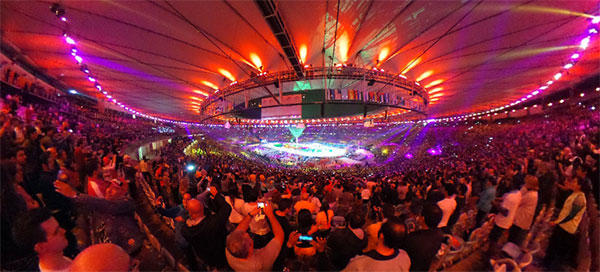
    Part of a 360° spherical image shot with the Theta X. (Photo: Ricoh)
    Part of a 360° spherical image shot with the Theta X. (Photo: Ricoh)

    “We chose the u-blox module because of the highly accurate location information it offers, alongside easy integration and low power consumption,” said Kenji Daigo, GPS Function Developer for Theta X at Ricoh.
  • No-charge GNSS smartwatch uses u-blox technology

    No-charge GNSS smartwatch uses u-blox technology

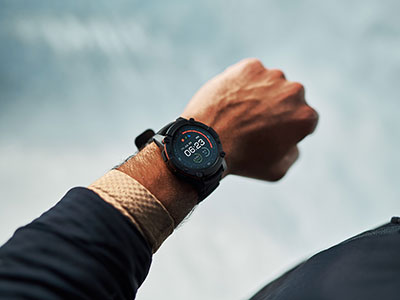
    Photo: u-blox
    Photo: u-blox

    U-blox, a global provider of positioning and wireless communication technologies, is partnering with TransSiP and Matrix Industries to create PowerWatch 2, a GPS smartwatch that doesn’t need to be charged.

    The smartwatch features the ultra-small, ultra-low power u-blox ZOE-M8B GNSS receiver to track position, in addition to calories burned, activity level, and sleep, making it an ideal companion for runners, hikers, and swimmers. All this is enabled by TransSiP PI technology which ensures energy harvested is used at maximum efficiency and provides crystal clean power enabling optimum performance.

    The PowerWatch 2 does away with cables and external batteries by continually topping up its battery using thermoelectric energy generated from body heat as well as solar energy. The watch also connects to smartphones and displays notifications on your wrist, tracks activities and visualizes them using dedicated iOS and Android apps, as well as with popular third party health and fitness platforms.

    The PowerWatch 2 delivers location tracking using the low-power u-blox ZOE-M8B GNSS receiver module that consumes as low as 12 mW. Packaged as a (System-in-Package), the 4.5 x 4.5 x1.0 mm module helps achieve the watch’s comparatively low 16-mm thickness. And concurrent reception of up to three GNSS constellations means that it delivers high accuracy positioning in challenging situations such as urban or dense forest environments and when swimming.

    Satellite-based positioning is typically the most power-hungry process on a sports watch. Providing highly efficient conversion of harvested energy into a very quiet supply of DC power, TransSiP PI enhances the ability of the ZOE-M8B GNSS receiver module incorporating u-blox Super-E technology, to strike an ideal balance between power and performance. Working on a tight power budget, the watch supports 30 minutes of continuous GNSS tracking per day, with unused time accumulating in the watch’s battery pack, such as powering two hours of location tracking every four days.

    “We put a lot of effort into tailoring the ZOE-M8B to the needs of small battery powered applications. We couldn’t have wished for a better product to showcase our ZOE-M8B’s potential for wearables than the PowerWatch 2,” says Florian Bousquet, principal product manager in Standard Precision GNSS at u-blox.

    Douglas Tham, CTO of Matrix Industries added, “TransSiP PI makes it possible to deliver high performance and high efficiency simultaneously by reducing system noise, eliminating time spent re-acquiring data, and minimizing the need for additional processing. This means power savings across-the-board and enables applications which can be powered solely by energy harvesting.”

    “Not only were size, cost and power constrained in developing the PowerWatch 2, we also had to make sure that it met the high performance demands that athletes expect,” said Akram Boukai, CEO and co-founder of Matrix Industries. “The combination of TransSiP PI and the ZOE-M8B solved all of these pain points for us, enabling the watch to quickly lock in on its position even in weak signal environments.”

    Backers of the project on Indiegogo are expected to receive their orders in June 2019.