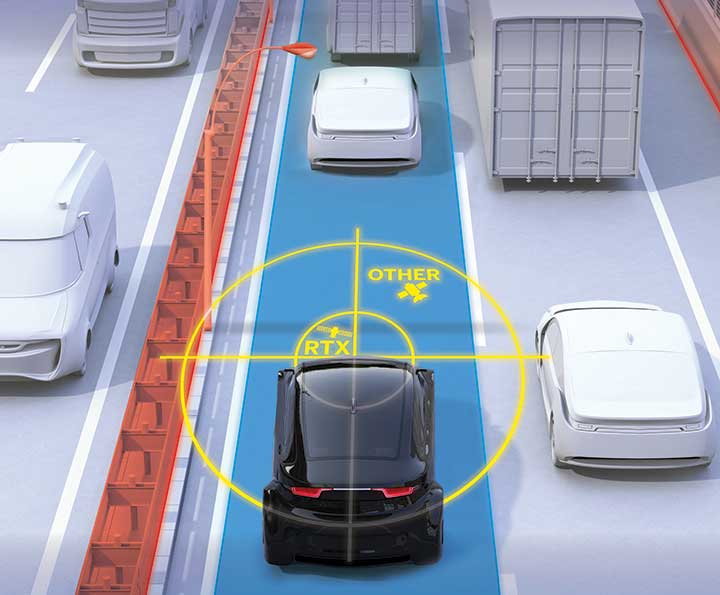
Tag: Skylark

  • Swift, RugGear partner on high-accuracy location for industrial mobility

    Swift, RugGear partner on high-accuracy location for industrial mobility

    New solution eliminates positioning errors in logistics, rail, and public safety by providing lane-level accuracy natively on rugged mobile devices.

    Swift Navigation, a global leader in precise positioning technology, and RugGear, a manufacturer of rugged mobile devices for professional use, have joined to embed high-accuracy positioning capabilities into RugGear’s enterprise and mission-critical mobile devices.

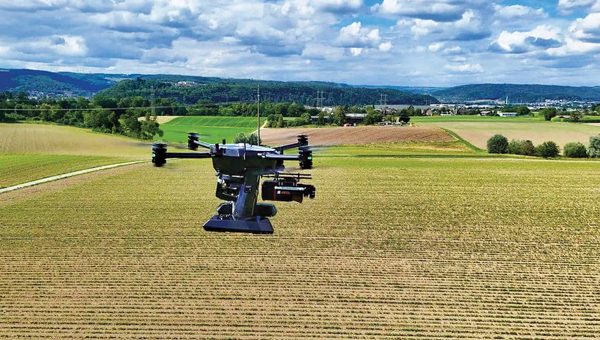
    The partnership integrates Swift Navigation’s Skylark Precise Positioning Service directly into RugGear devices built on the Qualcomm Snapdragon 6 Gen Platform. This native integration delivers reliable lane-level accuracy — an order of magnitude improvement over standard GPS — without requiring any external receiver or configuration. Precise positioning is available out of the box, ensuring seamless performance across rugged mobile form factors.

    This integration is a major step in bringing high-accuracy positioning to industrial mobility. All location-based applications benefit automatically, meaning developers do not need to modify their existing apps.

    Enhanced Capabilities with the RG940

    The first device to integrate Skylark will be the RG940, a high-performance, rugged 10.1-inch tablet designed for demanding industrial uses. The high accuracy improves operational efficiency and accountability across enterprise segments, including:

    • Logistics and Waste Management. Optimizes routes, reduces fuel costs, and provides indisputable proof of service records for liability claims.
    • Construction. Provides a value-engineered approach for GIS mapping assets and enhances worker safety through geofenced “no-go” zones.
    • Rail. Enhances safety and efficiency for trains and prevents freight car loading errors.

    Interested customers and partners are invited to contact RugGear directly for availability and technical specifications.

  • Launchpad: Software updates, defense radar, fleet tracking and more

    Launchpad: Software updates, defense radar, fleet tracking and more

    A roundup of recent products in the GNSS and inertial positioning industry from the October 2024 issue of GPS World magazine.


    SURVEYING & MAPPING

    Updated CAD Software
    With enhanced features and workflow improvements

    Topcon Positioning Systems has released a new version of its computer-aided design (CAD) software suite, formerly known as MAGNET. With enhanced features and workflow improvements to the Office, Field and Tools modules, version 9 is also renamed under the Topcon software suite as the business retires the MAGNET brand.

    The software is designed for professionals such as surveyors, engineers, modelers, estimators and project managers, aiming to improve productivity through integrated software capabilities and workflows. It can be used as standalone, office-based CAD software or as a cloud-connected solution that integrates field and office operations with Topcon or Sokkia survey instruments. The platform offers user-friendly and versatile configurations suitable for various applications.

    Topcon Office version 9 introduces new options for working with digital terrain models (DTMs), spot elevations and offset capabilities, enhancing versatility when handling 2D or 3D data sets. Improvements in Topcon Field include better productivity and stake reporting capabilities, advanced resection functionality for unknown control points and a new offset routine for creating points that are not observable with a total station. Both Field and Office modules now support direct import and export with 12D XML file formats.

    Subscribers to the AllDayRTK high accuracy positioning network can now directly import and export RINEX data into Topcon Tools with a current Plus or RINEX subscription. Version 9 of Topcon Tools also features improved coordinate system functions, new traverse calculations, viewing options and enhanced functionality for working with data in tabular view for reporting.

    Topcon Positioning Systems, topconpositioning.com
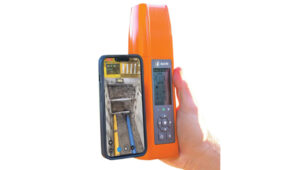
    4D Scanner
    For AEC professionals

    The PIX4Dcatch smartphone scanning application is now compatible with the Bad Elf FlexGNSS receiver. This integration is designed for professionals in the architecture, engineering and construction (AEC) industries.

    PIX4Dcatch is a comprehensive 3D scanning and AR visualization tool that combines photogrammetry, lidar technology and real-time kinematic (RTK) positioning for precise results.

    The Bad Elf Flex GNSS receiver offers scalable accuracy and flexibility. In its standard configuration, it provides 30-60 cm real-time accuracy for GIS applications. Its daily token model allows users to unlock full RTK workflow for 24-hour periods, achieving 1 cm horizontal accuracy when needed. For users requiring consistent high accuracy, an upgrade to the Bad Elf Flex Extreme is available for permanent RTK capabilities.

    By combining PIX4Dcatch with the Bad Elf Flex GNSS receiver, surveying, construction and building professionals can now create highly accurate 3D models using mobile smartphone scanning technology. The resulting scans can be exported to CAD/GIS platforms for inspection, sharing and collaboration among project stakeholders.

    Bad Elf, bad-elf.com

    UAV
    With an integrated bathymetric system
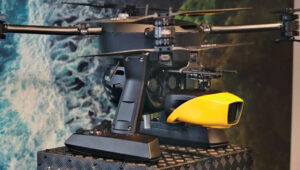
    The YellowScan Navigator bathymetric system has been integrated into Xer Technologies’ UAVs. This collaboration aims to enhance UAVs’ capabilities for conducting long-range bathymetric surveys and underwater inspections, which are essential in various fields such as environmental monitoring, coastal management and infrastructure development.

    The integrated system allows users to collect high-resolution and accurate bathymetric data, even in challenging aquatic environments. YellowScan’s green laser lidar technology is a key component of this system, providing precise underwater mapping capabilities. Xer Technologies’ UAVs are designed for extended flight durations and can operate for more than two hours, facilitating coverage of larger survey areas in a single mission. This feature is particularly beneficial for projects that require extensive data collection over vast aquatic regions.

    The YellowScan Navigator can achieve a precision of 3 cm and can operate at a maximum altitude of 100 m above ground level. The laser has a range of up to 120 m and features a scanner field-of-view of 44°. It weighs 3.7 kg.

    Xer Technologies, xer-tech.com

    Sonar Series
    For underwater applications
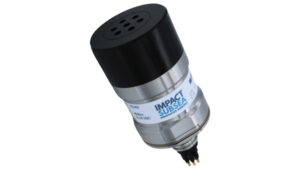
    The ISS360 Sonar Series is a range of imaging sonars designed for underwater applications. This series provides a full 360° field of vision and can detect objects at distances of up to 90 m to 100 m. The ISS360 utilizes compressed high-intensity radar pulse (CHIRP) acoustics to provide image clarity and quality.

    The ISS360 operates within a frequency range of 600 kHz to 900 kHz, offering an angular resolution of 2.2° at 700 kHz and a range resolution of 2.5 mm at lower ranges. The sonar is housed in durable titanium material, providing a depth rating of 4,000 m as standard, with an option available for a 6,000 m rating. Additionally, it has a low power consumption of 3.6 watts, making it efficient for prolonged use.

    The CHIRP acoustics enable adjustable frequency bandwidth for optimized performance in various conditions.

    Its inductive coupling design eliminates the need for slip rings, significantly improving the longevity of the device. For those needing additional data, an optional attitude reference system provides pitch and roll measurements. The sonar comes equipped with seaView software for easy operation, as well as a software development kit (SDK) for custom integrations.

    The series includes two main models: the standard ISS360, which is suitable for a wide range of applications, and the ISS360HD, which offers higher angular resolution and range capability for more demanding operations.

    Impact Subsea, impactsubsea.com


    Machine Control

    Farming Management System
    With an API link
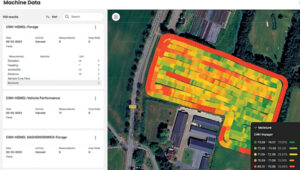
    CropX and CNH Industrial have launched a new digital connection to enhance precision farming and sustainability. This integration establishes an application programming interface (API) link between CropX’s agronomic farm management system and CNH’s Case IH and New Holland Agriculture equipment.

    The new connection streamlines data transfer from CNH machinery to CropX, enabling automated data visualization, record-keeping, planning and variable-rate applications. This comprehensive data transfer covers a wide range of farming activities, including planting, application and harvesting, with specific data points varying based on the equipment type.

    Within the CropX platform, this information is presented in user-friendly tables and maps that can be overlaid with other data layers. This feature allows farmers and agronomic advisers to easily extract valuable insights for improved decision-making. Furthermore, the integration facilitates the creation of variable rate application maps for fertilization and seeding, utilizing advanced agronomic tools within CropX’s system.

    CropX, cropx.com

    Agricultural UAV
    For crop and data management

    The Tesseract Ag Drone is an agricultural drone designed to improve crop and data management for farmers.

    This U.S.-made drone utilizes computer vision and optical technologies to offer farmers detailed, real-time information about their fields. With its comprehensive suite of functionalities, the Tesseract Ag Drone enables farmers to quickly identify pests, monitor weed growth, assess crop and soil health, track weather impacts and observe crop development.

    When paired with the Tesseract Synthesis Software, the drone’s software can transform raw data into actionable insights, allowing farmers to make informed decisions using tools powered by artificial intelligence. The centralized data management system is designed to streamline collaboration among farm teams, fostering teamwork and improving overall productivity.

    Tesseract Ventures, tesseractventures.io


    Transportation

    Fleet Tracking Platform
    Designed to improve operational efficiency

    CerebrumX Labs and Onward Fleet Solutions have partnered to improve fleet management through advanced data analytics and artificial intelligence (AI). This collaboration integrates CerebrumX’s augmented deep learning platform (ADLP) with Onward’s comprehensive fleet management system, offering fleet operators insights into their vehicles and operations.

    The partnership leverages real-time data and robust reporting to enhance operational efficiency, reduce costs and improve driver safety. CerebrumX’s ADLP offers live fleet tracking, ensuring constant visibility of vehicle locations.

    Additionally, it analyzes trip histories to uncover patterns in driver behavior and vehicle usage for fleet managers to make data-driven decisions. Users can also generate customized reports to help optimize various aspects of fleet management, including driver safety protocols, vehicle maintenance and fuel efficiency.

    The system integrates AI to process vast amounts of data from electric and connected vehicles to provide crucial insights into asset performance, energy consumption and maintenance requirements. This capability is particularly valuable for optimizing electric vehicle charging schedules, improving battery life and supporting the broader transition to greener transportation solutions.

    Onward Fleet Solutions, onwardfleet.com


    UAV

    Aerial Imagery Solution
    With Updated Features
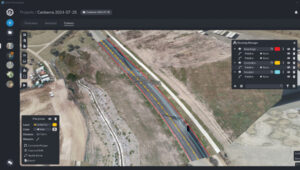
    PhotoCapture version 2 is a photogrammetry and aerial imagery solution designed for aerial imaging professionals, surveyors, engineers and other applications that require highly accurate UAV data.

    The new Photocapture Standalone Basic features a new Windows-based foundation with simple installation, a faster user interface, overlap adjustment, more available projections and faster overall photogrammetry processing speed.

    PhotoCapture Standalone Advanced adds the Survey Canvas, which allows manipulation of processed point cloud data such as stockpile volume calculations, the drawing of linework, surfaces and more, all within the PhotoCapture program. New to the PhotoCapture Survey Canvas in version 2 is the View Site feature for viewing changes on sites over time, as well as the ability to remove moving objects.

    PhotoCapture Standalone Advanced also now offers lidar colorization and processing, allowing the integration of lidar and photogrammetry data. Drawing on the strengths of each technology, this new feature creates more accurate and more visually appealing point cloud outputs.

    Carlson’s PhotoCapture Web version offers a completely online solution utilizing cloud computing for processing power and featuring all the functionality of Carlson PhotoCapture Standalone Advanced.

    Carlson Software, carlsonsw.com

    UAV Lidar System
    With long-range capabilities and heavy payload capacity
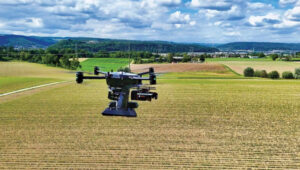
    GeoCue and Xer Technologies AG have integrated GeoCue’s TrueView 720 lidar and imagery sensor with the Xer X8 UAV platform.

    The integration represents an advancement in aerial operations, particularly for mapping and inspecting large, challenging terrains. By combining the long-range capabilities and heavy payload capacity of the Xer X8 with the high-quality point cloud and imagery data collection of the TrueView 720, this solution allows operators to manage and monitor vast areas with precision and efficiency.

    Xer Technologies, xer-tech.com

    Map Processing Software
    Designed for construction, mining and urban planning
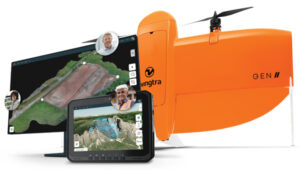
    The WingtraCLOUD software platform now features map processing capabilities to streamline the integration of aerial insights into industries such as construction, mining and urban planning.

    The latest updates seek to help engineering firms and users transition more smoothly from UAV data to actionable insights. By consolidating all stages of aerial data management — from mission planning to insight sharing — into a single platform, WingtraCLOUD eliminates the need for multiple complex tools to simplify workflows.

    This software is designed to reduce errors, prevent rework and accelerate project timelines, leading to increased productivity across key industries.

    With WingtraCLOUD, large-scale mapping projects can be completed quickly. This rapid processing capability is ideal for industries such as construction, where it helps avoid costly delays and resource waste, and in mining, where it enhances safety through quick highwall inspections. In disaster scenarios, WingtraCLOUD’s fast mapping capabilities can aid in efficiently directing resources.

    Wingtra, wingtra.com

    Compact UAV
    Equipped with a 1/2-inch image sensor
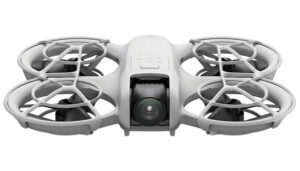
    The DJI Neo is a lightweight compact UAV designed to make aerial photography and videography more accessible.

    DJI Neo can be fully controlled without a remote, allowing for palm-based launches and landings. It features AI subject tracking and QuickShots, offering 4K ultra-stabilized video with a flight time of up to 18 minutes.

    The Neo is equipped with a 1/2-inch image sensor capable of capturing 12MP stills and 4K UHD video at 30 fps. DJI’s powerful stabilization algorithms, including RockSteady and HorizonBalancing, ensure smooth and stable footage even in challenging conditions.

    The Neo includes 22 GB of internal storage, capable of saving up to 40 minutes of 4 K / 30 fps video. It supports wireless file transfer to smartphones and easy audio recording through the DJI Fly app.

    DJI, dji.com

    IMU
    For precise navigation and stabilization
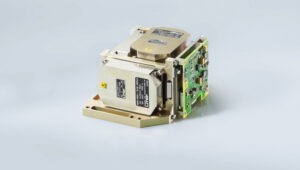
    LITEF fiber optic gyroscope (FOG) inertial measurement units (IMUs) are designed for precise navigation and stabilization in various applications such as UAVs. These units feature a comprehensive sensor suite, incorporating three gyroscope axes for rotational measurement and three accelerometer axes for linear acceleration detection. This configuration ensures accurate tracking of an object’s movement in three-dimensional space.

    The IMUs include processing electronics, power supply and input/output interfaces to streamline installation and operation, making them ideal for complex navigation tasks.

    For applications demanding even higher precision, LITEF offers the option to integrate GPS and GNSS receivers with their IMUs. This fusion of inertial and satellite-based navigation technologies is designed to enhance overall system performance, providing more robust and accurate positioning data.

    LITEF, litef.de


    OEM

    GNSS Receiver
    With Xona PULSAR functionality
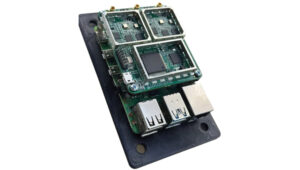
    Locus Lock has partnered with Xona Space Systems to develop a GNSS receiver that uses Xona’s multi-frequency PULSAR service. Locus Lock aims to provide a robust software-defined GNSS receiver suited for both commercial and military applications.

    Xona’s PULSAR service will be delivered via a constellation of low-Earth orbit (LEO) satellites, which orbit the Earth approximately 20 times closer than GNSS satellites, according to the company. This proximity allows PULSAR to offer higher signal power and a modernized signal design to offer improved multipath mitigation, higher accuracy and increased protection against radio frequency interference and spoofing compared to current GNSS systems.

    The technology is suitable for a wide range of applications, including vehicles navigating dense urban areas, agriculture and construction, UAVs, high-speed aircraft and defense applications. Locus Lock’s GNSS software stack can be deployed on existing customer computational infrastructure, ranging from small embedded devices to larger centralized computers. This flexibility allows for adaptation and configuration of the software to suit specific deployed environments.

    The system features inertially-aided carrier-phase differential GNSS (CDGNSS) for maintaining precision in challenging ecosystems, advanced interference mitigation and detection technology to ensure authentic GNSS signals are received and the dual-antenna, triple-frequency RadioLion RF front-end for capturing raw GNSS signals. These features offer signal situational awareness, anti-spoofing and interference mitigation.

    Locus Lock, locuslock.com

    Dual-Band Receiver Board
    With integrated IMU
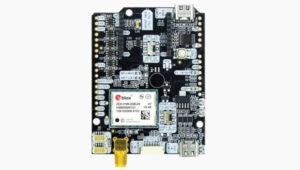
    The simpleRTK2B Fusion GNSS RTK dual-band receiver board is a positioning solution that leverages the u-blox ZED-F9R module to provide highly accurate location data.

    This board delivers centimeter-level positioning accuracy, making it suitable for applications requiring precise location information. One of its key features is the integrated inertial measurement unit (IMU), which allows the board to provide full attitude data using a single antenna. This capability is particularly beneficial for compact and resource-constrained systems.

    The board’s design makes it suitable for small, unmanned ground vehicles (UGVs) and slow-moving ground robotics platforms. These applications can greatly benefit from the board’s high-precision positioning and attitude information, enabling more accurate navigation and control.

    The simpleRTK2B Fusion board can be seamlessly integrated with various popular development platforms. It can serve as an external GNSS RTK receiver for autopilot systems and is compatible with both Pixhawk and Ardupilot-based autopilots, enhancing their positioning capabilities with its centimeter-accurate data.

    ArduSimple, ardusimple.com


    Defense

    Rugged Ground Control Station
    For commercial and defense applications
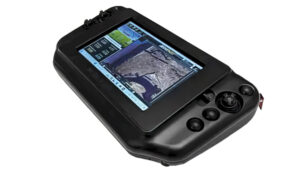
    The Controller Pro is a ground control station (GCS) technology for UAVs and robotics. It seeks to address the growing demand for compact, powerful and versatile control solutions in both commercial and defense sectors.

    The 8-inch Controller Pro boasts a rugged design with an IP65 rating, ensuring durability and protection against dust and water ingress. Equipped with Intel Core i3, i5 and i7 processors, the Controller Pro offers robust performance for mission-critical operations, enabling smooth handling of complex control tasks and real-time data processing. Additionally, the integration of Windows 11 enhances the system’s flexibility and compatibility with various software solutions, allowing for multi-application performance.

    The Controller Pro can be used for surveying, inspection and delivery services. Its rugged design and U.S. National Defense Authorization Act (NDAA) compliance make it ideal for military and law enforcement applications, such as reconnaissance and tactical operations.

    Additionally, its radio-agnostic feature allows it to work with various communication systems, enhancing its versatility across different platforms and missions.

    Mobilicom, mobilicom.com

    Aerial Reconnaissance and Elimination System
    With integrated AI technology
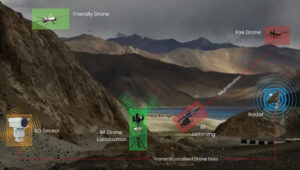
    The Aerial Reconnaissance and Elimination System (ARIES) is designed to enhance situational awareness and counter emerging threats.

    ARIES utilizes AI to detect, classify and respond to threats in real time. The system’s AI continuously adapts to new threats across multiple domains without requiring manual updates to improve situational awareness and accelerate decision-making for military personnel.

    The system can detect and track UAVs beyond visual line of sight (BVLOS). This capability extends the range and effectiveness of counter-unmanned aerial system (C-UAS) operations, providing early warning and enabling rapid response to potential threats.

    ARIES seamlessly integrates with existing defense infrastructure, which eliminates the need for frequent manual system updates and seeks to improve overall mission success rates.

    The system has been successfully demonstrated to key Department of Defense (DOD) stakeholders, showcasing its potential to enhance counter-UAS operations. During the demonstration, ARIES offered critical, real-time intelligence for swift decision-making in response to UAV incursions.

    Skylark Labs, skylarklabs.ai

    Quadcopter UAS
    Department of Defense Blue UAS-certified
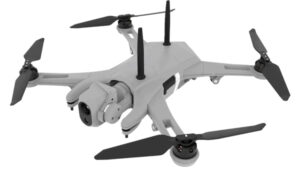
    The Teal 2 is a multirotor unmanned aerial system (UAS) designed for military, government and commercial applications. Designed, built and serviced entirely in the United States, the Teal 2 is Department of Defense (DOD) Blue UAS-certified, ensuring it meets stringent standards for government use.

    Its compact and rugged design allows for easy transport and rapid deployment, as it can be folded and carried in a rucksack. Additionally, the modular construction of the Teal 2 facilitates easy repair and reconfiguration in the field, enabling operators to adapt the system to their specific mission needs.

    The UAS weighs 1.25 kg, can reach maximum speeds of 10 m/s and has a flight time exceeding 30 minutes. It is equipped with the FLIR Hadron 640R electro-optical/infrared (EO/IR) sensor system, which includes a dual-axis gimbal for stable imaging. This thermal imaging system excels in nighttime operations, allowing operators to identify and track targets even in complete darkness.

    The Teal 2 supports advanced operational features such as multi-vehicle command and control, which allows for 360° target views or multi-target surveillance. It employs AES-256 encryption for secure data transmission and communication. Powered by the Snapdragon 845 processor, the Teal 2 is also compatible with Athena AI, designed to enhance its capabilities in target recognition and battle tracking.

    Red Cat Holdings, redcat.red

    Radar System
    Designed for C-UAS and BVLOS flights
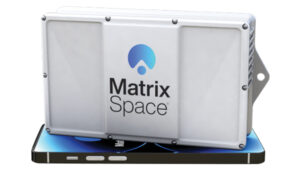
    This radar system is designed to enhance situational awareness for counter unmanned aircraft system (C-UAS) operations and beyond visual line of sight (BVLOS) flights. The system, which has received Federal Communications Commission (FCC) authorization, is now being distributed to commercial and public sectors in the United States and to certain international markets.

    The system aims to deliver precise detection of both airborne and ground-based objects under various conditions. Its compact design allows for integration into existing infrastructures without the need for extensive setup or specialized training.

    The MatrixSpace Radar is part of an open architecture platform, facilitating integration with various industry-standard systems for unmanned traffic management (UTM), command and control, counter-UAS measures, and traffic and video surveillance systems. This approach aims to offer a unified view for operators to improve the coordination and management of airspace activities.

    MatrixSpace, matrixspace.com

  • Septentrio launches agnostic corrections program

    Septentrio launches agnostic corrections program


    Image: Septentrio
    Image: Septentrio

    Septentrio, a leader in high-precision GNSS positioning solutions, has launched the Agnostic Corrections Partner Program.

    The program facilitates the use of Septentrio receivers with high-accuracy services that provide varying levels of accuracy, coverage and delivery methods. This also allows users to select the service that suits specific applications and business models.

    The Agnostic Correction Partner Program, which includes Polaris from Point One, Skylark from Swift Navigation, and PointPerfect from u-blox, provides documentation for the use of Septentrio receivers with these high-accuracy services.

    Agnostic GNSS corrections refer to correction services that are not specific to a particular GNSS receiver or device. It provides correction data that can be used by any receiver that can process the correction signal. Agnostic corrections are useful in situations where multiple types of GNSS receivers are being used, such as in a large-scale surveying project or in a fleet of vehicles that use different types of navigation systems.

  • Swift Navigation honored with fleet management award

    Swift Navigation honored with fleet management award

    Swift Navigation logoSwift Navigation has been named Fleet Management Technology Company of the Year in the second annual AutoTech Breakthrough Awards conducted by AutoTech Breakthrough.

    AutoTech Breakthrough is a market intelligence organization that recognizes the top companies, technologies and products in the global automotive and transportation technology markets.

    Swift offers a highly-accurate, highly-reliable precise positioning solution that improves the operational efficiency of commercial transport, long-haul trucking and last-mile delivery, whether human-driven or autonomous. Swift’s fleet management precise positioning solution is comprised of the Skylark precise positioning service—delivering continent-wide, cloud-based corrections service — and the receiver-agnostic Starling positioning engine, which works with a variety of automotive-grade GNSS chipsets and inertial sensors, making centimeter-level GNSS accuracy a possibility without the cost of all new equipment.

    Swift’s precise positioning solution delivers improved GNSS accuracy to make it easier to enable key fleet management capabilities such as lane-level analytics, route optimization and accurate traffic flow analytics to improve operational efficiency.

  • Swift Navigation named a 2021 PACEpilot Innovation to Watch

    Swift Navigation named a 2021 PACEpilot Innovation to Watch

    Swift Navigation logoSwift Navigation‘s precise positioning platform has been named a 2021 PACEpilot Innovation to Watch by Automotive News.

    The Automotive News PACEpilot award recognizes post-pilot, pre-commercial innovations in the automotive and future mobility space. These represent product, software/IT system or process and idea incubators that have the potential to revolutionize an automaker’s business.

    This was the second year Automotive News recognized PACEpilot honorees and the first time the publication named Innovations to Watch. Swift’s precise positioning platform was selected as one of 10 winners from a group of 23 finalists from 20 companies.

    Swift’s precise positioning solution consists of the receiver-agnostic Starling positioning engine and cloud-based corrections from Skylark precise positioning service. The system was designed for autonomy and built to scale for automotive, to change how automakers and OEMs navigate by reducing costs, improving product flexibility, improving safety and delivering high-fidelity, lane-level absolute positioning.

    Swift’s technology has been developed into a precise positioning platform that can improve vehicle GNSS-based positioning from an average of 3 meters of accuracy to better than 4 centimeters. Swift’s solution is a software-only implementation with minimal impact to hardware on the vehicle. The accuracy can be guaranteed down to less than one failure per 1,142 years of driving, making it a highly reliable ADAS and automated driving sensor.

    “The team at Swift is honored to receive this recognition from Automotive News,” said Joel Gibson, executive vice president of Automotive at Swift Navigation. “Swift is bringing its ground-breaking, high-accuracy localization to the automotive space and we appreciate that those in the industry are taking notice.”

  • Swift Navigation and KDDI partner to expand precise positioning

    Swift Navigation and KDDI partner to expand precise positioning

    Swift Navigation logoSwift Navigation is partnering with Tokyo-based KDDI Corporation, an international telecommunications company, to help bring Swift’s precise positioning technology to the Japan market. KDDI will also be a key partner in the global expansion of Skylark precise positioning service, which is now available across the continental United States and Europe in partnership with Deutsche Telekom.

    Traditionally, precision GNSS corrections were provided using real-time kinematic (RTK) techniques, requiring a high density of reference stations and with limited fault tolerance. By partnering with Swift, KDDI is able to utilize Swift’s patented wide-area corrections solution, a hybrid of precise point positioning (PPP) and RTK. The solution delivers wide-area corrections with a low density of reference stations, fast convergence and centimeter-level accuracy from a reliable service delivered via the cloud.

    The accuracy of the Skylark precise positioning service enables lane-level positioning at fast convergence times to achieve the levels of safety, reliability, integrity and availability required by autonomous, mass-market and mobile applications.

    Skylark is GNSS hardware agnostic, giving customers a choice of which GNSS sensor they use and enabling users across industries to benefit from higher accuracy by subscribing to Skylark. With the service, automotive manufacturers can achieve lane-level accuracy in the sensor suite with high levels of integrity. Delivery companies can improve operational efficiencies and cost savings with route optimization. Mobile app companies can improve analytics using accurate data to create better maps and higher performing apps. Industrial applications can automate equipment and improve efficiency with reliably accurate positioning.

    “Swift Navigation is delighted to be partnering with KDDI to expand Skylark’s precise positioning in Japan and benefit customers around the globe,” said Timothy Harris, co-founder and CEO at Swift Navigation. “KDDI has always been at the forefront of bringing innovative technological solutions to its customers, and Swift is pleased to add value to their businesses through the reliable accuracy delivered from Skylark.”

    “We believe that Swift’s high-precision positioning solution further empowers our business capabilities in mobility space and contributes to the expansion of business coverage into smart vehicles,” said Hiromichi Matsuda, executive officer, Business Exploration & Development at KDDI Corp. “The accuracy afforded from precise positioning unlocks opportunities for a multitude of businesses and industries and adds value to our customers in Japan.”

  • Swift Navigation offers IoT GNSS module with Quectel, STMicroelectronics components

    Swift Navigation offers IoT GNSS module with Quectel, STMicroelectronics components

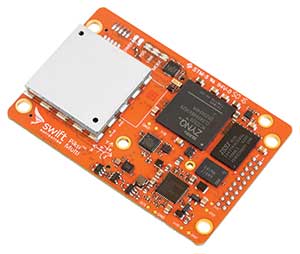
    Photo: Swift Navigation
    Photo: Swift Navigation

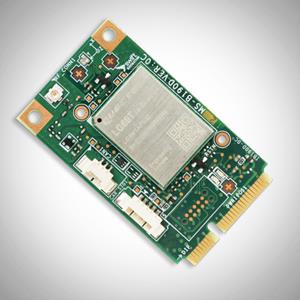
    Swift Navigation‘s new Precision GNSS Module (PGM) is now available. The PGM module is designed to offer fast evaluation and a quick path to production for those requiring a precise positioning solution.

    The PGM is available in a simple-to-use, industry-standard mPCIe (mini peripheral component interconnect express) format and is designed specifically for Swift’s Starling positioning engine running on a host application processor to deliver real-time precision navigation.

    The PGM utilizes STMicroelectronics’ TeseoV chipset in Quectel’s multi-constellation, dual-band LG69T-AP receiver to create an affordable, easy-to-use solution for customers building industrial, last-mile and internet of things (IoT) platforms, Swift Navigation said.

    The LG69T family of products, based on the ST TeseoV, is an designed for demanding precision applications that require centimeter accuracies. The LG69T-AP — supporting L1/L5 bands — has an integrated ST inertial measurement unit and processor to support dead reckoning for signal-compromised areas such as urban canyons, parking lots and underground structures.

    According to Swift Navigation, this proven solution is ready for fast and easy integration and deployment — using industry-standard protocols — to reduce customer engineering investment and enable quick time to market.

    This solution operates with the highest accuracy when used with Swift’s Skylark cloud-based, wide-area precise positioning service. Skylark delivers accuracy down to 10 cm. The solution supports standard RTCM OSR (Observation Space Representation) and SSR (State Space Representation) correction formats.

    Skylark is available for integration into wide-area, high-precision positioning applications across the continental United States and Europe and is available in Japan, South Korea and Australia, with plans underway to expand globally. Skylark is an ever-expanding service and is scalable to service millions of users.

    “We are excited to be offering the PGM utilizing the Quectel LG69T-AP receiver,” said Dave Huntingford, staff product manager at Swift Navigation. “The ability to provide a cost-effective, easily integrated solution, complete with corrections, opens up a host of opportunities for IoT, last-mile and industrial customers to benefit from precise positioning.”

    “Quectel is delighted to be working with Swift Navigation to provide the market with an easy-to-use precision GNSS solution,” said Mark Murray, vice president of sales for GNSS and automotive at Quectel Wireless Solutions. “The LG69T-AP, together with Swift’s Starling positioning engine and Skylark corrections, is perfect for supporting applications and markets where <10-cm accuracy is required.”

    This product is available today with full production by the first quarter of 2021;  an evaluation kit is available. Contact Swift Navigation or Quectel.

  • Swift Navigation precise positioning technology improves GNSS receiver accuracy

    Swift Navigation precise positioning technology improves GNSS receiver accuracy

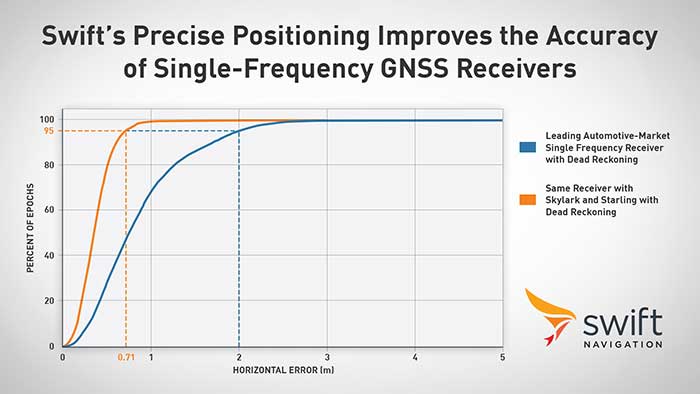
    Swift Navigation announced its precise positioning platform can improve the performance of existing single-frequency GNSS positioning, found on most production vehicles today, from the standard average of 3 meters to lane-level accuracy without changing existing hardware and antenna.

    According to Swift, these findings are demonstrated during the regular test drives the Swift team conducts to confirm the efficacy of its solutions and software updates. The graph depicts the improved positioning accuracy and availability when a single-frequency receiver is used with corrections from the Skylark precise positioning service and the Starling positioning engine, Swift said. A performance improvement from 2 meters to 0.7 meters for 95% of this mixed-environment drive was achieved on a production vehicle with a low-cost automotive receiver and antenna.

    Graph: Swift Navigation
    Graph: Swift Navigation

    Skylark, Swift’s wide area, cloud-based GNSS corrections service delivers real-time, high-precision positioning, is hardware-independent and is most accurate and seamless when integrated with Starling as a complete solution. Starling is a high-precision positioning engine that works with a variety of automotive-grade GNSS chipsets and inertial sensors, making it ideal for autonomous, ADAS (advanced driver assistance systems), V2X (vehicle-to-everything) and navigation applications, Swift added. Starling is platform-independent and also enhances the measurements for commercially available GNSS receivers.

    “Swift is excited to share these findings with the public,” said Joel Gibson, executive vice president of automotive at Swift. “The ability to provide higher accuracy to programs without requiring hardware changes can be a game changer for cost-sensitive programs and brings immediate visible benefit to navigation systems, V2X and many other applications.”

  • Swift travels across US with Skylark lane-level positioning

    Swift travels across US with Skylark lane-level positioning

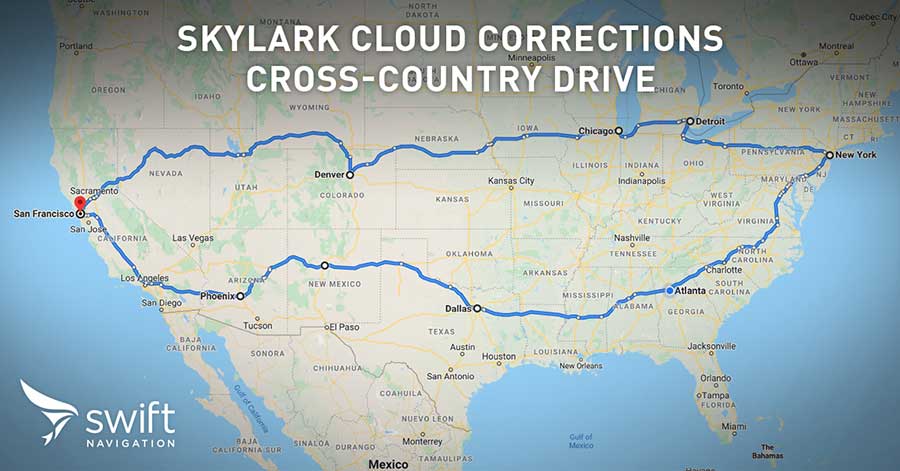
    Swift’s first-of-its-kind, cross-continental drive demonstrates the performance of Skylark. (Image: Swift Navigation)
    Swift’s first-of-its-kind, cross-continental drive demonstrates the performance of Skylark. (Image: Swift Navigation)

    Swift’s first-of-its-kind, cross-continental drive demonstrates the performance of Skylark.

    Swift ​​Navigation​, ​​a San Francisco-based tech firm redefining GNSS and precise positioning technology for autonomous vehicles, has completed a cross-country drive test.

    The goal of this first-of-its-kind drive, from San Francisco to New York and back, was to measure the efficacy of Swift’s recently expanded Skylark cloud corrections service and to demonstrate true nationwide lane-level GNSS correction coverage at the accuracy, reliability and availability levels required by Swift customers.

    The drive took the Swift team across 26 states and Washington, D.C., with 6,614.7 miles (10,645.4 km) driven over 116 hours and 14 minutes logged. A Swift vehicle was equipped with 20 different GNSS devices, tested using six unique chipsets that included: Swift’s Piksi Multi, Duro and multiple leading GNSS silicon providers.

    The results of the drive confirmed that Swift’s precise positioning solution — composed of Skylark and the Starling positioning engine — delivers consistent lane-level accuracy at continental level. Skylark delivered 100% availability, with sub-decimeter accuracy, over the entire United States, wherever cellular coverage was available.

    Performance highlights from the drive:

    • +Sub-meter horizontal accuracy (2-sigma) achieved across all environments
    • 100% Skylark availability
    • Highly repeatable results with Starling + Skylark across variety of dual-frequency GNSS chipsets

    “This is the longest continuous GNSS-based precise positioning drive test of its kind and we are proud of the engineering team at Swift for undertaking this ambitious task,” said Anthony Cole, executive vice president of engineering. “The results show that Skylark performs as intended and expected in both open sky and urban environments and demonstrate that Skylark is truly a cross-continental corrections network delivering the high integrity and high availability required by automotive OEMs, last-mile applications, rail, mobile and micro-mobility companies.”

    In addition to full contiguous U.S. (CONUS) coverage, the Skylark corrections service is now available in Europe and is being built out to support autonomous applications across the globe.

    Download a complete write-up of the cross-country drive test at www.swiftnav.com.

  • Swift Navigation expands Skylark precise positioning for autonomous vehicles

    Swift Navigation expands Skylark precise positioning for autonomous vehicles

    Image: Swift Navigation
    Image: Swift Navigation

    Skylark is now available across the contiguous United States, enabling safe and lane-level accurate positioning.

    Swift ​​Navigation’s network-connected Skylark precise positioning service is now available throughout the United States. Full contiguous U.S. (CONUS) coverage reduces initialization times to seconds, ensuring high-accuracy, high-integrity positioning is available when customers need it.

    Swift ​​Navigation is ​​a San Francisco-based tech firm providing centimeter-accurate GNSS positioning technology for autonomous vehicles, and the maker of the Piksi Multi and Duro GNSS receivers.

    Skylark is built for autonomy at scale and delivers lane-level precision, with safety-of-life integrity, required by mass-market automotive and autonomous applications. Skylark is a scalable network delivering a continuous stream via the cloud of robust, reliable, multi-constellation, multi-frequency corrections, with the latency, security, precision and reliability required for safety and autonomy.

    “Since Skylark was introduced last year, the Swift network team has been hard at work deploying infrastructure across the country,” said Rob Hranac, COO of Swift Navigation. “This extensive network helps remove hurdles in precise positioning for our customers and we look forward to partnering with those customers as we expand Skylark internationally.”

    Skylark is designed to address the needs of automotive original equipment manufacturers (OEMs) by supporting ASIL-rated (Automotive Safety Integrity Level) systems and Ntrip2 (Networked Transport of RTCM via Internet Protocol) connections in cloud reference station (CRS) mode. It is state space representation (SSR) ready — an emerging industry format.

    Skylark is hardware-independent, giving customers a choice in today’s rapidly improving and commodifying the GNSS sensor ecosystem. OEMs are able to benefit from the lane-level positioning Skylark delivers using a host of third-party receivers in addition to Swift’s Piksi Multi and Duro receivers.

    Unlike legacy real-time-kinematic (RTK) services designed for smaller regions and precise point positioning (PPP) services that suffer from slow convergence times, Skylark is a high-performance hybrid nationwide U.S. network that delivers initialization times in seconds, better than 10 centimeters of accuracy and integrity required by the most demanding safety-of-life critical applications.

    When used with Swift’s Starling positioning engine, Skylark is capable of delivering protection levels (PL) down to 1 meter and target integrity risk (TIR) down to 10-7/hour. Engineered for automotive functional safety standard ISO 26262 (ASIL B), Skylark is designed and built from the ground up to support next-generation GNSS applications, connected car, V2X and advanced driver assistance systems (ADAS).

    Skylark packages GNSS precise positioning as an affordable subscription service for ease in deployment for large-scale autonomous vehicle fleets.

  • Age of acceptance: Retirement communities embrace driverless shuttles

    Age of acceptance: Retirement communities embrace driverless shuttles

    Two companies have integrated GPS/PNT tech into a growing autonomous vehicle market: driverless shuttles for retirement communities. Powering the service, a cloud-based GNSS corrections system delivers centimeter-level accuracy without deploying and maintaining a GNSS network. This leading-edge application targets autonomy at scale and enables high-precision positioning for mass-market automotive and autonomous vehicle applications.

    Photo: Voyage
    Photo: Voyage

    For many seniors, retirement communities offer the best of both worlds: the freedom to live in their own homes and access to immediate assistance when they need it.

    Driverless cars are an option several retirement communities have embraced to better serve residents who no longer have the ability or desire to drive, but want to retain the ability to come and go as they please.

    “Autonomous vehicles are a great fit for any community where the environment is well-understood, less complex than dense urban areas, and the transportation demand is high,” said Justin Erlich, vice president of strategy, policy and legal for Palo Alto, California-based Voyage, a company that employs existing technology to develop fleets of autonomous vehicles. “Retirement communities satisfy all of these characteristics.”

    Serving Seniors

    Voyage deployed driverless shuttles to serve 130,000 retirees at The Villages, a massive retirement community encompassing more than 50 square miles in Sumter County, Florida.

    “The community’s residents enjoy an extremely active lifestyle, but often face challenges getting around,” Erlich said. “Autonomous vehicles are perfectly suited to meet this demand.”

    The six vehicles in the fleet stay within the confines of the retirement community, where all roads have been precisely mapped, speed limits are lower and traffic patterns are more clearly defined than in a typical city. The vehicles travel over a network of roads that span 750 miles.


    THE VILLAGES

    Location: Sumter County, Florida
    Area: 50 square miles
    Road span: 750 miles
    Number of retiree residents: More than 130,000
    Number of Voyage autonomous vehicles: 6


    To request one of Voyage’s autonomous vehicles, a resident can summon the shuttle on-demand with a smartphone. Voyage is working with residents on the possibility of using other shuttle-request options, including text messages, phone calls and well-marked pickup zones in crowded downtown areas, Erlich said.

    All passengers ride with Voyage safety drivers in the front seat. The drivers take note of any “events” during rides so Voyage can investigate how to improve the riding experience.

    Photo: Voyage
    Photo: Voyage

    Eventually, residents will be the only passengers in the vehicles. If they need assistance during a ride, they will be able to communicate with remotely located Voyage employees, Erlich said.

    Testing and rolling out fleets of driverless vehicles in private communities like The Villages allows Voyage to develop and perfect the autonomous vehicle technology it uses. As a result, the company can deliver the service to new clients in mere months.

    Voyage, which has been working on its autonomous technology for more than two years, uses daily customer feedback to constantly adjust to its technologies to better serve riders.

    “Feedback collected during test drives is one of the biggest factors in shaping our technology roadmap,” Erlich said. “Driving data — collected across all sensors and traffic scenarios — is automatically processed each night, highlighting interesting ‘events’ for our engineering team to analyze and review.”

    During Voyage’s beta test process at The Villages, residents applied to be part of the company’s Pioneer Program for early access to the autonomous vehicles and the ability to offer feedback early on. Riders who test the service complete scorecards after each trip to help improve the experience for all riders.


    Europe Takes the Lead

    (Tire photo: iStock.com / TANAPHONG)
    (Tire photo: iStock.com / TANAPHONG)

    Autonomous vehicle technology is taking off in Europe, shows a study published by the European Patent Office and conducted with the European Council for Automotive Research & Development. From 2011 to 2017, European patent applications related to automated driving increased 20 times faster than other technologies in recent years. The “Patents and self-driving vehicles” study reveals automated driving patent applications at the European Patent Office rose 330%, compared with 16% for all technologies during the same time.


    “As one of the only self-driving car companies that are picking up actual passengers as a part of our Pioneer Program, we believe we can learn a lot from the feedback we hear from our initial Pioneer riders as we try to make this the best service for The Villages,” said Oliver Cameron, co-founder and CEO of Voyage. “We are excited to see so much interest from other residents to become a part of this program.”

    When developing autonomous technology, safety is Voyage’s top priority, Erlich said. Every change to the hardware and software used undergoes a multi-stage validation process. Company engineers perform “on-desk” tests of every change using unit tests, functional tests and a driving simulation environment. Then, an operations team runs suites of real-world traffic and validation tests in a completely controlled environment at a closed-course testing facility in San Jose, California

    “Voyage makes extensive use of simulation testing and closed-course validation before any of our vehicles are driven in our partner communities,” Erlich said. “All changes must pass these closed-course tests before making their way onto the roads of our partner communities.”

    Vehicle design also ensures riders stay safe. “Our fleet vehicles have been designed with multiple levels of safety redundancies for braking, steering and power, and leverage an advanced diagnostics system to automatically detect anomalies and safely stop the vehicle,” he explained. “In addition, we have developed a remote teleoperations solution that allows the vehicle to request additional help when a driver is not physically in the vehicle.”

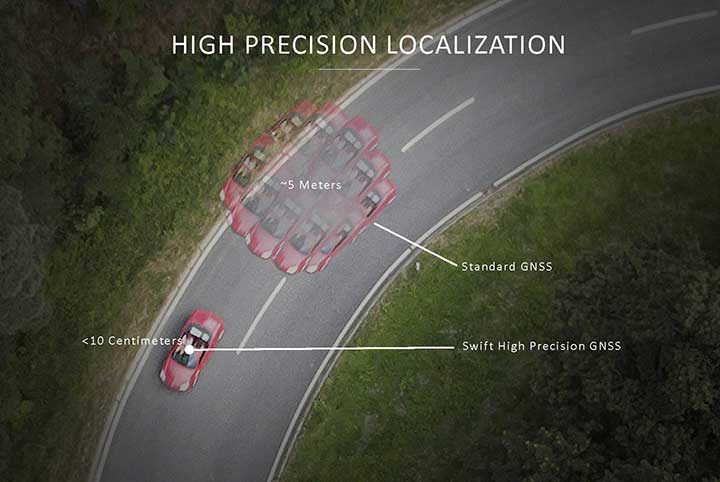
    Skylark provides high-precision localization. (Image: Swift Navigation)
    Skylark provides high-precision localization. (Image: Swift Navigation)

    Making Autonomous Work

    When building an autonomous system, localization — knowing exactly where you are in the world — is critical. Erlich said it’s often difficult to estimate your position within an accuracy of several feet when using more traditional GPS solutions.

    “For autonomous driving, you need to be able to estimate within several centimeters,” he added.
    Voyage uses Swift Navigation’s GNSS receivers and Skylark network as one of the primary inputs into its localization solution.

    Swift Navigation is a San Francisco-based tech firm that develops GPS technology to power autonomous vehicles. It is working to extend the Skylark network across the contiguous United States, and then plans to expand globally.

    “Coupled with high-definition maps, odometry sensors and other inputs, we’ve been able to use Swift Navigation’s differential GPS solution to achieve the localization results we needed to deliver a true autonomous driving service,” Erlich said.

    Voyage’s autonomous vehicles are equipped with a suite of sensors on their roof racks that includes the Swift Navigation Piksi Multi GNSS receiver, lidar devices, cameras, radar and an inertial measurement unit. They create and constantly update a 3D map of the vehicle’s surroundings.

    Duro – Piksi enclosure. (Photo: Swift Navigation)
    Swift Navigation’s Duro is one of two GNSS receivers Voyage uses for its autonomous vehicles. (Photo: Swift Navigation)

    A computer in the trunk integrates all sensor signals and uses the vehicle’s Controller Area Network (CAN) bus to operate steering, braking and other functions.

    Skylark, Swift Navigation’s cloud-based GNSS corrections service, provides Voyage’s autonomous vehicles with precise positioning to eliminate the complexity of deploying and maintaining GNSS networks.

    Skylark offers a plug-and-play experience that delivers convergence times measured in seconds. Its positioning algorithms provide a continuous data stream to individual devices from the cloud. This data stream allows for quick positioning and high reliability and availability.

    The correction service enables receivers to connect to a constantly adapting, cloud-based model to obtain GNSS observations. Dependence on base stations in each area of deployment is eliminated, increasing the geographic area in which they can travel. Skylark works seamlessly with both of Swift Navigation’s GNSS receivers — Piksi Multi and Duro.

    In addition to Piksi Multi and Duro, Voyage uses third-party receivers and microprocessors that benefit from the lane-level positioning Skylark delivers.


    Equipment Specs

    Photo: Swift Navigation
    Photo: Swift Navigation

    GNSS receiver one. Swift Navigation — Piksi Multi
    • Dual-frequency and multi-constellation
    • Up to 20-Hz solution rates
    • Raw data outputs from on-board MEMS IMU
    GNSS receiver two. Swift Navigation — Duro
    • IP67 rated
    • Centimeter-level positioning
    • Raw data outputs from on-board MEMS IMU
    Lidar devices. Velodyne — VLS-128
    • 128 channels
    • Up to 300-meter range
    • Up to 360-degree surround view
    Cameras. iDS — Global-Shutter units
    Proximity sensors. Chrysler OEM
    Inertial measurement unit. Xsens — MTi-300
    • 375-Hz bandwith for accelerometers
    • 415-Hz bandwith for gyroscopes
    Antenna. Swift Navigation — Mini-survey for the Duro RTK unit
    • 1 L1/L2 GPS/GLONASS/BeiDou mini-survey


    The Swift product suite delivers centimeter-level localization —important to riders who may have mobility issues that require vehicles with smooth starts and stops.

    Skylark was built specifically to deliver the speed, security, precision and reliability demanded by automotive manufacturers with autonomous and safety applications architected to support ASIL-rated (Automotive Safety Integrity Level) systems.

    Because Skylark is a network, it is fault tolerant. In the unlikely event an individual cloud reference station goes offline, Skylark’s positioning algorithms will continue to provide a continuous stream of corrections.

    Once connected, Skylark creates a precise and constantly adapting model of the atmosphere and related errors affecting GNSS. Connected users simply turn on their devices to get the precise positioning data they need.

    Safety Drivers

    As drivers get older, their mental and physical health can affect their ability to operate vehicles safely. Vision and hearing loss keep many older drivers off the road. Fear of driving at night or in the rain also can be a problem for older drivers. According to the Centers for Disease Control and Prevention (CDC), about 7,400 adults over the age of 65 died as a result of car accidents in 2016. That same year, more than 290,000 of adults over the age of 65 were treated in emergency departments for injuries sustained in motor vehicle accidents.

    Residents at The Villages who have used the autonomous vehicles report positive feedback, Erlich said. They consider the service a major improvement to their day-to-day activities because it’s convenient. Plus, they prefer the ability to be more carefree during happy hour, fewer hassles with traffic and parking, and lack of interactions with poor drivers.

    Being on the cutting-edge of a generational technology also is a positive for many residents, Erlich said. “Autonomous vehicles create a clear path to safer, more accessible, and reliable transportation for everyone. From a safety perspective, autonomous vehicles have the potential to significantly reduce the more than 37,000 deaths attributed each year to driving. From a lifestyle perspective, there are also huge opportunities: from reclaiming daily commute time, to providing a reliable means of transportation to people with mobility challenges.”


    Positioning Intelligence Key to Autonomous

    Hexagon’s Positioning Intelligence (PI) division is an integral partner in many autonomous vehicle development projects, providing technologies such as SPAN (GNSS+INS technology), TerraStar-X corrections, and Automated Research and Development Platforms from its brands including NovAtel, VERIPOS and AutonomouStuff.

    NovAtel hardware and software products, along with engineering support, address the need for accurate, reliable and robust GNSS positioning. TerraStar-X correction services deliver worldwide coverage and assured positioning with continuous availability, and provide the accuracy and rapid convergence needed to achieve lane-level precision for safe autonomous operation.

    For developers of autonomous consumer transportation, integrated research and development automotive platforms from AutonomouStuff accelerate time to market.

    Making It Safe. For large-scale automotive production, safety is the main focus. The Hexagon PI software positioning engine and TerraStar-X technology are being developed to ASIL-B (Automotive Safety Integrity Level B) standards to provide precise positioning for lane-level performance in autonomous applications.


    Image: Trimble
    Image: Trimble

    Road Corrections

    Incorporating precise and consistent absolute location information is an essential component of enabling advanced driver assistance (ADAS) and autonomous driving (AD) technology for vehicles.

    To help meet this need, Trimble recently released Trimble RTX Auto. The Trimble RTX Auto correction service provides a precise point position (PPP) solution that can be used to correct the position of any auto grade GNSS chipset. RTX Auto works in parallel with other on-vehicle sensors to deliver a positioning solution that satisfies ADAS and AD requirements.

    Absolute position contributes to many features:

    • Lane centering. Systems designed to keep a car centered in a lane, relieving the driver of the task of steering, is often achieved with cameras and absolute position data. Absolute position can be used when lines disappear, or weather prevents them from being seen.
    • Map aiding. a combination of precise map and location data helps to navigate junctions, lane changes, roundabouts or intersections where lane information is essential to safe driving.
    • Prediction of future road structure. Both allow a vehicle to begin slowing in advance of a bend in the road and to avoid harsh braking that would happen if the system only relied on short range sensors.
    • Adhering to the speed limit. This helps drivers anticipate changes in speed limits when a downpour prevents cameras from seeing the speed limit signs or when they might be obscured by natural surroundings or another vehicle.

    RTX Auto is both Automotive Safety Integrity Level (ASIL) and Automotive Software Process Improvement and Capability Determination (ASPICE) certified. These certifications validate that Trimble RTX Auto meets functional safety requirements for ADAS and autonomous applications in the auto industry.

    Super Cruising. Trimble is on the road today providing RTX-based absolute positioning within General Motors’ Super Cruise driver assistance feature, a hands-free driving system for the freeway. For more information on Super Cruise, visit www.cadillac.com/world-of-cadillac/innovation/super-cruise.


    See also Autonomous street sweeper relies on Unicore precision.

  • Swift Navigation presents Skylark GNSS corrections service

    Swift Navigation’s David Fischer gives GPS World an overview of the company’s Skylark GNSS corrections service at Xponential 2018. According to the company, Skylark is cloud-based and delivers affordable, fast, centimeter-level accuracy and eliminates the complexity of deploying and maintaining GNSS networks.