Category: Mobile

  • Linx Technologies releases remote antenna base series

    Linx Technologies releases remote antenna base series

    Linx Technologies has released the MAG Series SMA and RP-SMA magnetic antenna bases, which are suitable for GPS, Galileo and QZSS applications. The antennas are designed to combine a strong magnetic mount with typical connectors to create different mounting options for a variety of whip/blade-style connectorized antennas.

    “This versatile mounting option provides the capability to extend the placement of the antenna to a remote location and allows the flexibility for the antenna to be used in a mobile application, making it especially well-suited for the growing internet of things (IoT) market,” said Tolga Latif, senior director of product management for IoT and micro-markets.

    The MAG Series antenna bases are IP67 rated (connectors, base and coax) and are also suitable for LTE-M (Cat-M1), NB-IoT, 5G/4G LTE/3G/2G, LoRaWAN, Sigfox, Wi-Fi, HaLow (802.11 ah), Bluetooth and Zigbee, as well as GNSS applications.

    The MAG Series antenna bases are available now via Linx Technologies’ distributor and manufacturer representative networks.
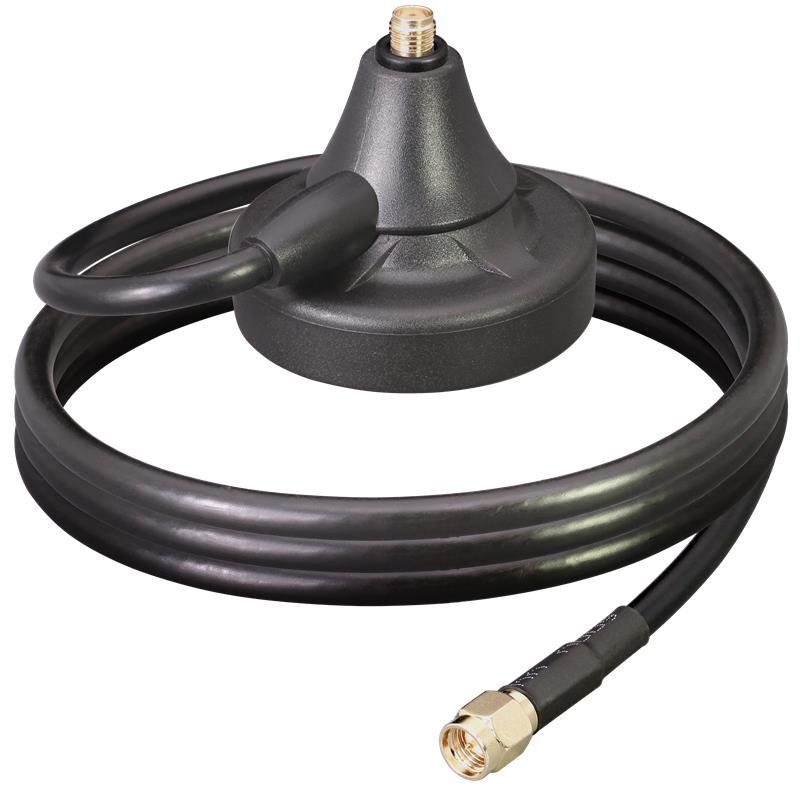
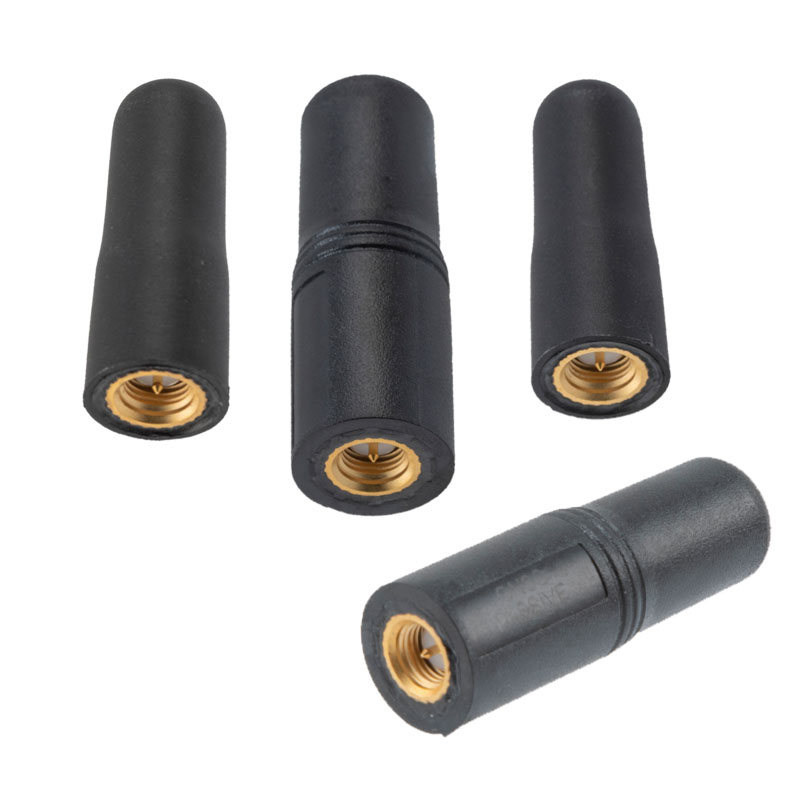
    Image: Linx Technologies
    Image: Linx Technologies
  • Mil-spec GPS/GNSS antennas released by Pasternack

    Mil-spec GPS/GNSS antennas released by Pasternack

    Image: Pasternack
    Image: Pasternack

    Pasternack has released a series of GNSS antennas that meet military specifications for use in several small form factor and mobile applications.

    The mil-spec GNSS antennas are engineered for environmental performance according to the MIL-STD-810G standard and include multi-standard GPS L1, Galileo E1 and GLONASS options.

    The MIL-STD-810G GNSS antennas are IP67 rated. They are available in passive and active versions and provide coverage from 1,597 MHz to 1,607 MHz. The GNSS antennas feature linear polarization for cross-polarized isolation, nominal gain options of -3 dBic and 10 dBic, and SMA mounts.

    Pasternack’s mil-spec GNSS antennas are available now.

  • Taoglas invisible antennas available for IoT apps

    Taoglas invisible antennas available for IoT apps

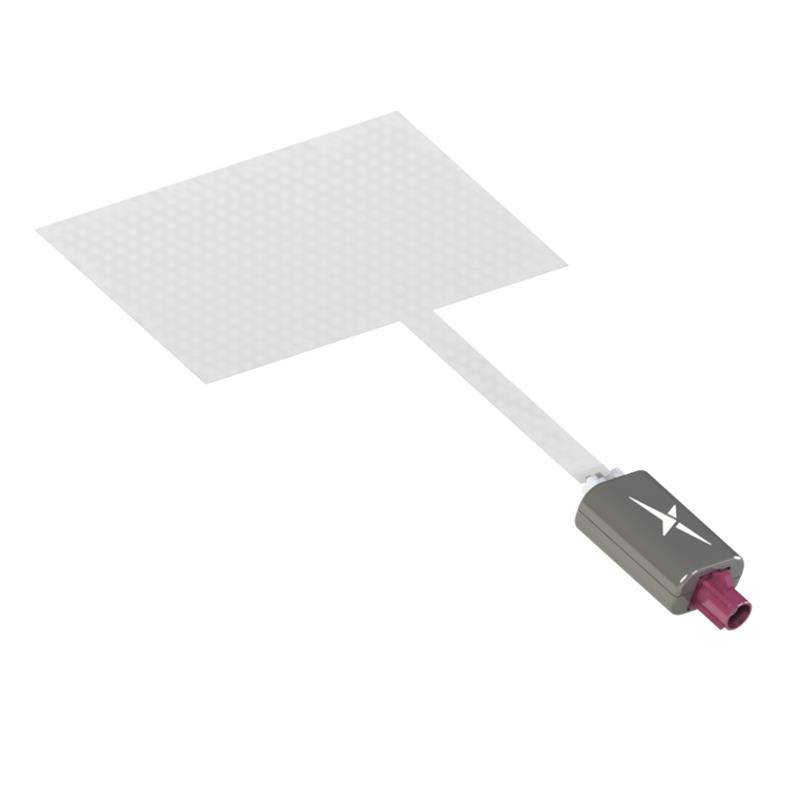
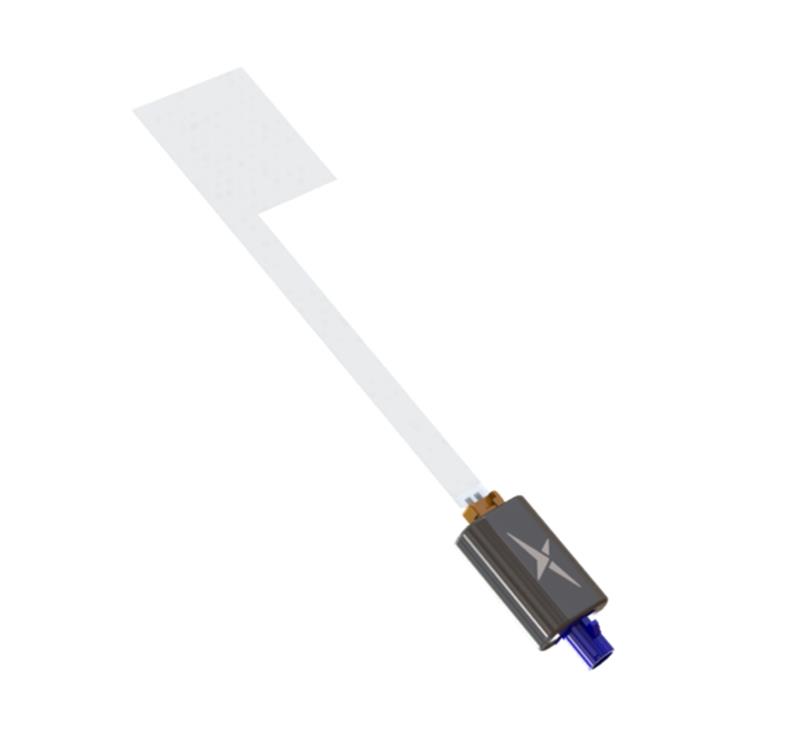
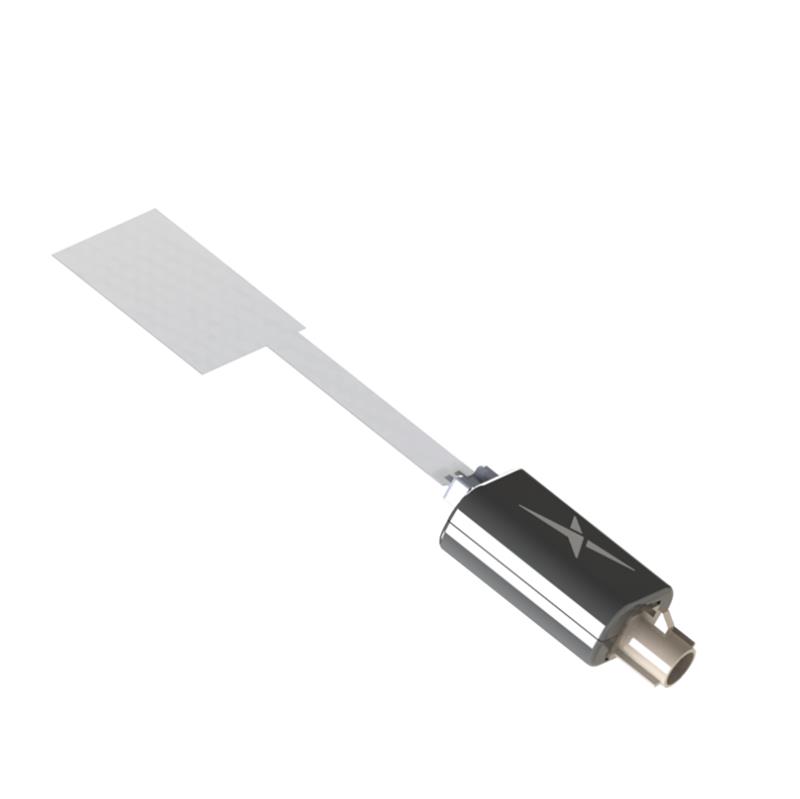
    Taoglas has released three near-invisible antennas supporting cellular, Wi-Fi and GNSS technologies, the TFX62.A, TFX257.A and TFX125.A . With “peel and stick” mounting to any nonmetal surface, the TFX series antennas offer an alternative to standard opaque antennas.

    The TFX62.A, TFX257.A and TFX125.A come with an adhesive and have an enclosed carrier terminated with a FAKRA connector for easy installation. The series leverages a sub-millimeter thick hybrid transparent conductive film that offers designers an invisible antenna solution.

    The TFX series antennas are suitable for mobility, public infrastructure, medical devices, transportation and emerging IoT applications. Use cases for the antennas include electric vehicle chargers and parking meters, smart buildings and transportation vehicles.

    The TFX series antennas are available now.

    TFX125.A (Image: Taoglas)
    TFX125.A (Image: Taoglas)
    TFX257.A. (Image: Taoglas)
    TFX257.A. (Image: Taoglas)
    TFX62.A. (Image: Taoglas)
    TFX62.A. (Image: Taoglas)
  • STMicroelectronics releases ST87M01 for IoT devices

    STMicroelectronics releases ST87M01 for IoT devices

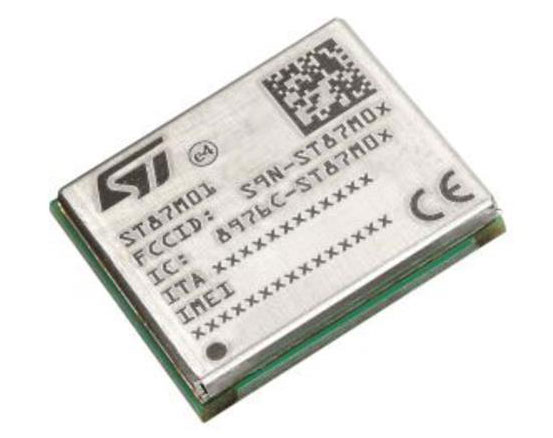
    Image: STMicroelectronics
    Image: STMicroelectronics 

    STMicroelectronics has released an ultra-compact, low-power, narrow-band internet of things (NB-IoT) industrial module with GNSS geo-location capabilities, the ST87M01. The fully programmable, certified LTE Cat NB2 NB-IoT industrial module covers worldwide cellular frequency bands and integrates advanced security features. 

    The ST87M01 is an integrated native GNSS receiver with multi-constellation access, which ensures enhanced and accurate localization. The module has a diminutive 10.6 mm x 12.8 mm land grid array footprint, making it suitable for applications where a small form factor is key.  

    The STM8701 offers flexibility for product developers, presenting a fully programmable IoT platform enabling users to embed their own code into the module for simple applications. A variety of protocol stacks are available to handle popular IoT use cases. 

    The ST87M01 targets wide-ranging IoT applications that require ultra-reliable low-power wide-area network connectivity and has ultra-low power consumption with less than 2 µA in low-power mode and transmit output power up to +23 dBm.  

    Suitable applications for the module include smart metering, smart grid, smart building, smart city and smart infrastructure applications, as well as industrial condition monitoring and factory automation, smart agriculture and environmental monitoring. The module can also be combined with a separate host microcontroller, permitting many more use cases. 

  • Quectel GNSS module wins Product of the Year

    Quectel GNSS module wins Product of the Year

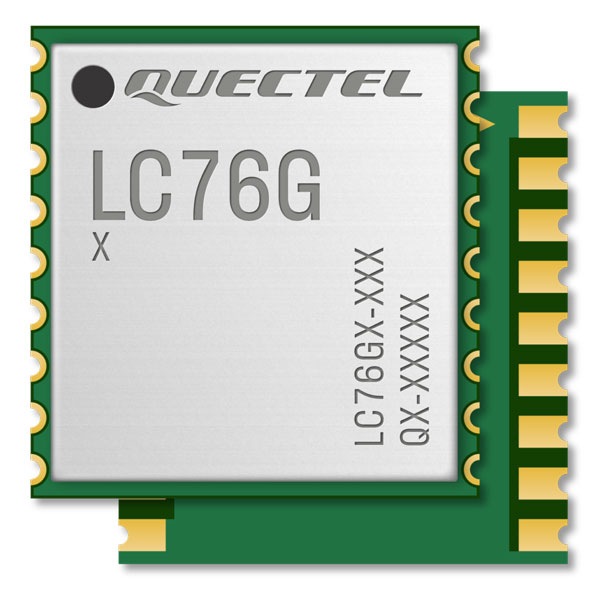
    Quectel Wireless SolutionsLC76G GNSS module has been named a Product of the Year by Electronic Products. The annual awards recognize products that represent a significant advancement in technology or its application, an exceptionally innovative design, a substantial achievement in price/performance, improvements in design performance, and a potential for new product designs/opportunities. 

    Image: Quectel
    Image: Quectel

    The LC76G module is a compact, single-band, ultra-low power GNSS module that features fast and accurate location performance. The module can concurrently receive and process signals from all satellite constellations including GPS, GLONASS, BeiDou, Galileo and QZSS. 

    Image: Quectel
    Image: Quectel

    The LC76G has an internal surface acoustic wave (SAW) filter and integrated low-noise amplifier (LNA), which can be connected directly to a passive patch antenna and provides filtering against unwanted interference. With a compact size of 10.1 mm × 9.7 mm × 2.4 mm, the footprint of the LC76G is compatible with other industry solutions, as well as Quectel’s legacy L76 and L76-LB modules. 

    The LC67G is designed for battery-operated, ultra-low power GNSS devices, such as wearable personal trackers, wildlife and livestock tracking, toll tags, portable container trackers, as well as several traditional markets such as shared mobility and low-cost asset trackers. 

  • Galileo signal component successfully tested for IoT use

    Galileo signal component successfully tested for IoT use

    One Galileo satellite has been reconfigured to emit a new signal component optimized to serve low-end receiver devices and internet of things (IoT) applications. According to the European Space Agency (ESA), GSAT0202, in elliptical orbit, was reconfigured in January to transmit the new signal, also known as the G1 E5 Quasi Pilot.

    The G1 E5 Quasi Pilot in the E5 band lies along a narrow part of the overall Galileo signal, intended to enable streamlined positioning fixes requiring less calculation — without affecting the E1 and E6 signal bands, on which Galileo also transmits. The initial receiver test showed that the signal component has the potential to reduce the signal acquisition time by a factor of three compared to the current GPS L5 or Galileo E5a signals.

    Image: ESA
    Image: ESA

    Once GSAT0202 was reconfigured, signal measurements were collected using the high-gain antenna installations from the Galileo in-orbit test facility, which confirmed the stability of the augmented signal. After G1 E5 Quasi Pilot was broadcast, it was successfully acquired and tracked by a set of receivers.

    Airbus Defense and Space, Thales Alenia Space Italy, the European Union Agency for the Space Programme (EUSPA), the European Commission, and Spaceopal supported this test.

    The other elliptical Galileo satellite, GSAT0201, will also be reconfigured after further testing. Selected chipset manufacturers will be involved in the testing under supervision of EUSPA. The test results will be evaluated at the Galileo Programme level, to eventually introduce G1 E5 Quasi Pilot into the constellation.

    Image: ESA
    Image: ESA
  • Viavi Solutions releases resilient PNT device

    Viavi Solutions releases resilient PNT device

    Photo:
    Image: Viavi Solutions

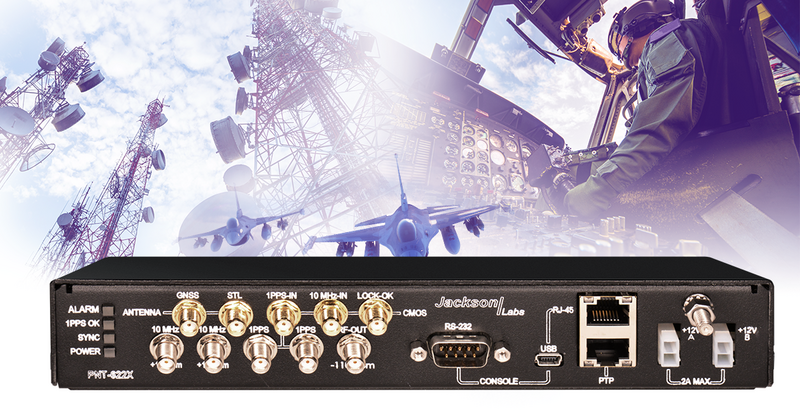
    Viavi Solutions has unveiled the PNT-6200 Series Assured Reference for resilient positioning, navigation and timing (PNT). Viavi acquired Jackson Labs Technologies in November 2022.

    The PNT-6200 Series Assured Reference provides resiliency and robust cybersecurity for critical infrastructure.

    The compact system can supplement or replace GPS signals based on connectivity to the broadcast range of timing sources in the market including other GNSS satellites, and commercial satellite, terrestrial, wireline, and atomic clock services. The PNT-6200 Series will draw the timing signal from the most reliable source and use it as a replacement for the GPS input, enabling continuous operation.

    The PNT-6200 Series will be showcased at Mobile World Congress in Barcelona, Feb. 27-March 2.

  • Indiana bill makes secret tracking illegal

    Indiana bill makes secret tracking illegal

    Image: WTHR
    Image: WTHR

    Indiana state legislators have filed multiple bills that would make tracking someone with a GPS-based device without their knowledge a crime, reported WTHR of Indianapolis. The bills are in response to the growing number of criminal cases involving Apple AirTags and other GPS-based tracking devices.

    Tracking someone secretly is not currently a crime in Indiana; however, laws vary from state to state. Under one proposed bill, the penalty would be increased from a Class C misdemeanor to a Class A misdemeanor if the person tracked is under a protective order. The penalty could be enhanced for someone convicted of using tracking devices when committing a felony.

    Similar incidents are on the rise around the United State regarding the use of AirTags and other tracking devices for criminal purposes. In December 2022, two women in California filed a class-action lawsuit against Apple for privacy concerns after being stalked by ex-partners using AirTags.

  • Percepto UAV to monitor Canadian power stations

    Percepto UAV to monitor Canadian power stations

    Image: Transport Canada
    Image: Percepto

    Transport Canada has approved Ontario Power Generation (OPG) to operate Percepto’s drone-in-a-box solution beyond visual line of sight (BVLOS) at McConnell Lake Control Dam without a visual observer on site. A BVLOS Special Flight Operations Certificate was issued for the Percepto Air Max autonomous drone-in-a-box for the remote inspection.

    The approval enables remote inspection of the dam as a part of a pilot project, which started in January. Since Canadian power utilities are seeking to ensure their power grid and stations are resilient, the OPG facility will gain actionable insights from the remote inspection.

    Percepto’s automated drone-in-a-box has been deployed by other electric utilities to monitor the durability of power grid infrastructure and quickly detect problems, enabling faster response times and restoring power quicker after storms and natural disasters.

  • EagleView enhances platform for government users

    EagleView enhances platform for government users

    Image: Eagleview Technologies
    Image: Eagleview

    EagleView Technologies is enhancing EagleView Cloud for government users by adding more imagery options. EagleView Cloud is a resource for government departments including tax assessment, geographic information systems and public safety.

    Image: Eagleview
    Image: Eagleview

    EagleView cloud will now include 1-inch ground sample distance (GSD) aerial imagery. The oblique imagery, usually captured at a 40°- 45° angle, provides enhanced clarity and side-angle views of buildings, homes and properties, enabling government users to view property changes and analyze roads and infrastructure to produce accurate tax assessments.

    The company has also added 3-inch GSD orthogonal imagery to the platform. The orthogonal images help government users identify structural changes to buildings, additions to homes, and the condition of impervious surfaces. The images offer a top-down view and can be delivered annually or multiple times per year.

    Next, EagleView Cloud aims to be available in commercial industries including insurance, construction and solar.

  • OGC announces Geo for Metaverse Domain Working Group

    OGC announces Geo for Metaverse Domain Working Group

    Image: OCG
    Image: OCG

    The Open Geospatial Consortium (OGC) has formed the Geo for Metaverse Domain Working Group (DWG), which will serve as a forum for the collective geospatial expertise of the OGC community to gather to help build and expand the open Metaverse. The group is open to both OGC members and non-members.

    The group plans to contribute its expertise in 3D, modeling and simulation, artificial intelligence, digital twins, streaming, augmented and virtual realities, routing, mapping and more — all at scale.

    The group will work on pieces of the Metaverse that pertain to geospatial applications and standards by identifying standardization activities and best practices based on FAIR (making data Findable, Accessible, Interoperable and Reusable) data principles.

    The DWG will be the primary point of contact with the Metaverse Standards Forum, of which OGC is a founding and principal member.

    3D geospatially anchored data is powering innovation across a range of industries. This same data — relied upon for construction of the real world — is now driving the creation of virtual/digital worlds that will form parts of the Metaverse.

    Learn more about the mission, goals and planned activities of the group on the OGC Geo for Metaverse DWG homepage.

  • Brandywine and ADVA partner to provide defense M-code device

    Brandywine and ADVA partner to provide defense M-code device

    Image: ADVA
    Image: ADVA

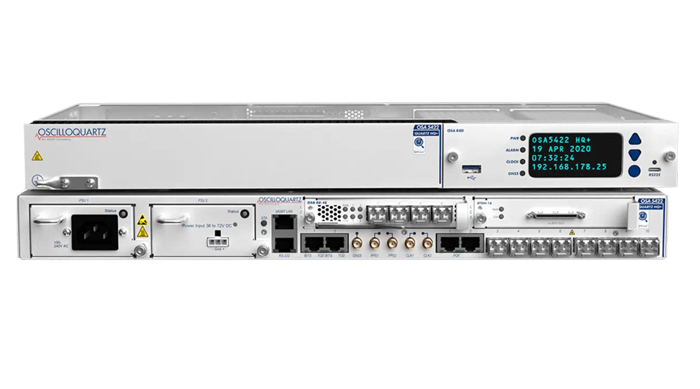
    ADVA and Brandywine Communications have partnered to provide a defense-grade M-code device with advanced timing, the OSA 5422 grandmaster clock, for military applications. ADVA’s OSA 5422 meets key requirements of military networks by providing advanced positioning, navigation and timing (PNT) capabilities and improved resilience.

    ADVA’s OSA 5422 grandmaster clock is integrated with a highly reliable M-code receiver, which meets stringent frequency and phase synchronization needs. The device is equipped with multi-band, multi-constellation GNSS receivers for when M-code is not available. OSA 5422 also has long holdover and precision time protocol backup, which enables it to maintain accurate timing even in the event of M-code disruption.

    The OSA 5422 supports legacy interfaces such as BITS and IRIG and features eight field-upgradable 10G bit/s ports and 1G bit/s interfaces. The device is suitable for most demanding military edge applications.