Tag: GNSS antenna

  • Roke launches low-cost anti-jam system for contested environments

    Roke launches low-cost anti-jam system for contested environments

    Roke has launched Nav-Sync Armour, a controlled reception pattern antenna (CRPA) system enabling resilient GNSS navigation in globally contested environments. In Ukraine, the Baltics and the Middle East, ships, aircraft and critical infrastructure are regularly disrupted by low-cost, ground-based interference that degrades or denies navigation.

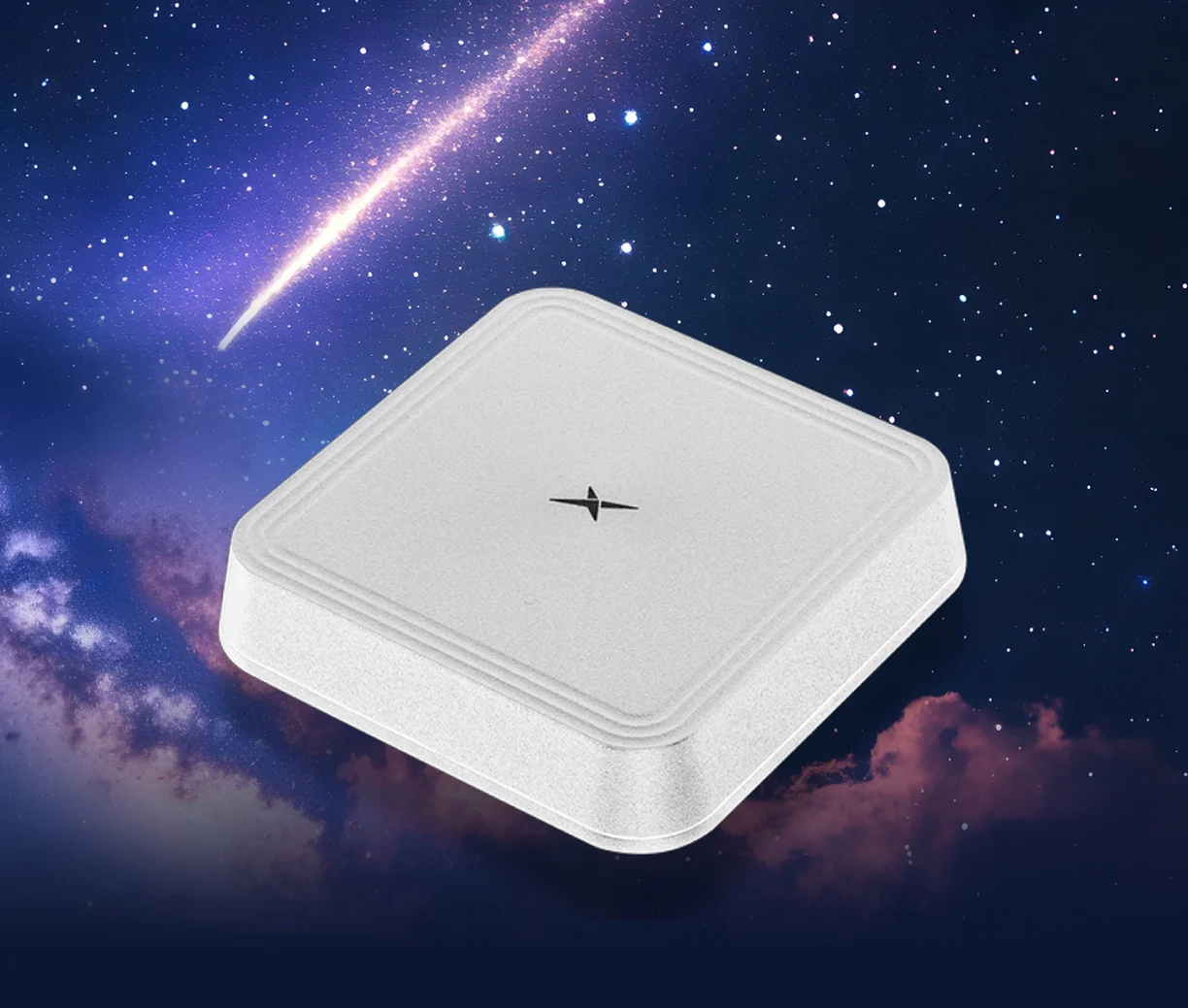
    Nav-Sync Armour is designed to counter such jamming threats and support the growth of autonomous platforms. It is a multi-element CRPA that actively protects GNSS signals in contested environments.

    Unlike conventional antennas, which receive signals uniformly from all directions, Nav-Sync Armour uses multiple receiver channels and advanced digital processing to distinguish between genuine satellite signals and interference. Meaning it suppresses jamming sources in real time while maintaining the integrity of authentic signals.

    The system can mitigate multiple concurrent in-band jammers across L1 or L2 frequencies, delivering a stable and trusted GNSS output that enables continued operation under active interference, the company said.

    “CRPAs have long been the gold standard for resilient navigation, but not always a cost-effective offering for some platforms,” explained Marc Overton, managing director, Roke. “As a result, a large proportion of assets have been left either exposed to attack or reliant on solutions that struggle to perform in contested environments. For decades, effective GNSS protection has been concentrated on high-cost platforms, with many systems operating without meaningful resilience. Nav-Sync Armour addresses that imbalance by delivering the performance of high-end CRPA systems in a compact, low-SWaP solution that is affordable for all platforms.”

    Mission success increasingly depends on autonomy. These air, maritime or ground platforms require the persistence and scale that modern operations demand, yet they are often the least protected. Nav-Sync Armour enables resilient navigation where it has previously been impractical or unaffordable.

    In today’s battlespace, resilience means ensuring enough systems can continue to operate to deliver mission success, Roke said.

    Nav-Sync Armour shifts the balance back in favour of the platform, removing traditional barriers of cost, complexity and restriction to make high-performance protection available at the scale modern operations require.

    Designed as a direct replacement for existing GNSS antennas, Nav-Sync Armour connects directly to existing GNSS receivers via standard RF interfaces, simplifying integration and retrofit. It provides a straightforward route to upgrading resilience without significant platform redesign.

    Its compact form factor and low power consumption make it suitable for a wide range of installations, while its UK sovereign design ensures it is free from ITAR constraints, reducing supply chain friction and enabling broader adoption.  Roke has worked with other UK partners to create an onshore supply chain capable of manufacturing in the thousands.

  • Taoglas introduces ultra-compact dual-band high-precision GNSS antenna

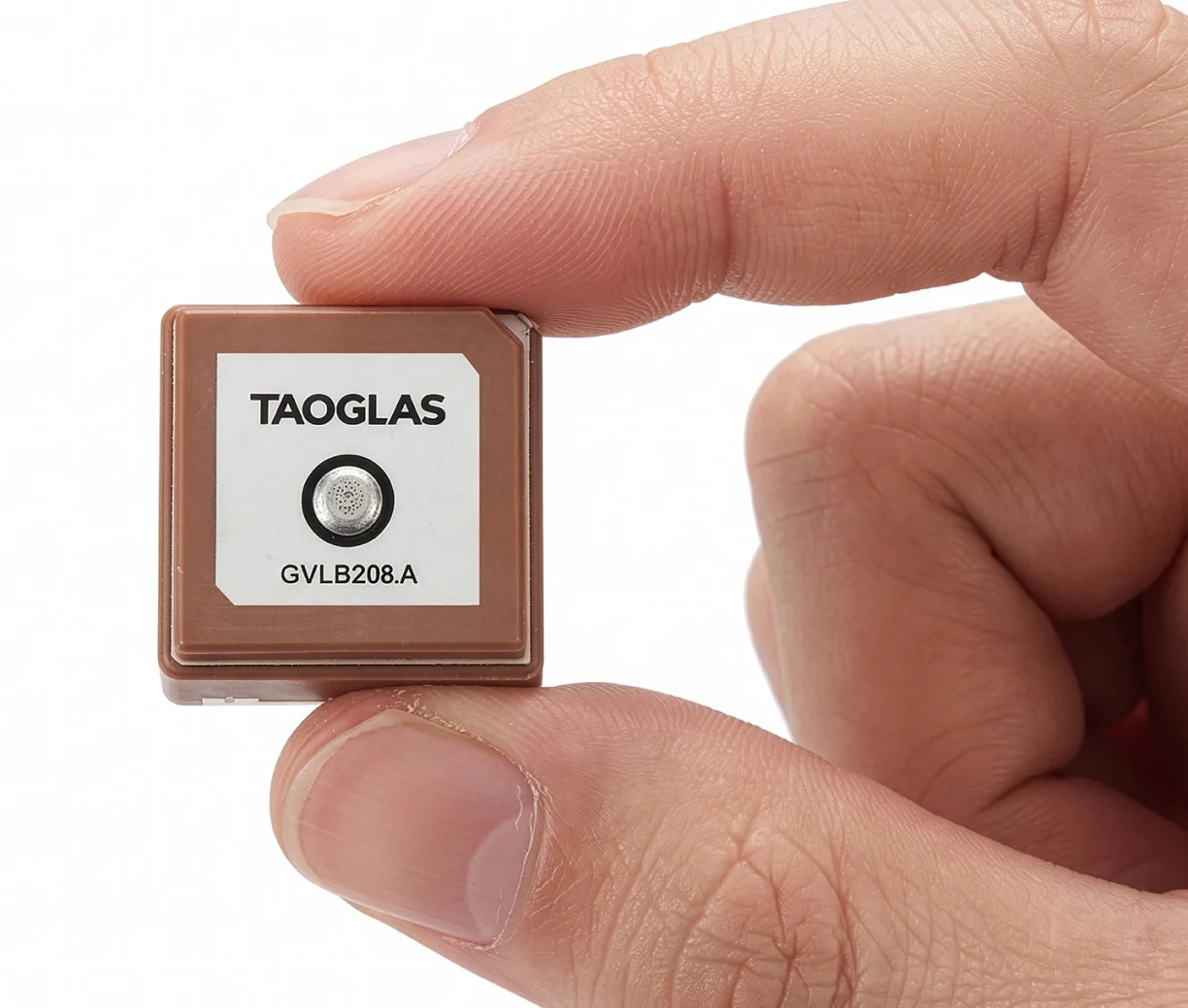
    Taoglas introduces ultra-compact dual-band high-precision GNSS antenna

    Taoglas has launched the GVLB208 series, an active and passive dual-band GNSS L1/L5 stacked patch antenna — the first in a new family of ultra-compact antennas.

    Combining a tiny package with concurrent L1/L5 support and stable right-hand circular polarization (RHCP), the antennas deliver reliable centimeter-level positioning in a compact 20 x 20 x 8 mm footprint.

    The GVLB208 series is designed for applications that require high-precision positioning in a compact form factor. Its size, dual-band support and circular polarization make it suitable for designers looking to improve positioning performance without increasing device footprint.

    The new antennas address this challenge with a single-feed stacked patch design that supports concurrent L1 and L5 GNSS bands. By leveraging dual-band operation, they significantly reduce the impact of multipath interference, enabling more reliable positioning and improved accuracy in complex RF environments.

    The series delivers dual-band L1/L5 performance typically associated with larger GNSS patch antennas. The antenna achieves peak gain of up to 1.5 dBi, approximately 50% efficiency across both bands, and an axial ratio of around 4 dB, supporting stable RHCP signal reception and consistent positioning performance.

    Optimized for major global GNSS constellations, including GPS, Galileo, GLONASS and BeiDou, the GVLB208 series supports reliable operation across varied RF environments.

    • The passive GVLB208 A single-feed architecture enables dual-band L1/L5 performance without the complexity of multi-feed designs, while its pin-mount configuration simplifies RF layout and integration. It can be easily implemented on standard PCB designs, with optimal performance achieved on a typical 70 x 70 mm ground plane.
    • The active AGVLB208.A, including active electronics and filters, is supplied with 1.13 micro-coax cable and an I-PEX MHF I connector for easy integration with the latest multiband GNSS modules.

    The GVLB208 series is suitable for autonomous delivery robots requiring seamless sidewalk navigation and precise drop-offs, where every centimeter counts. It also supports applications including unmanned aerial vehicles (UAVs), telematics systems, fleet and asset tracking, precision agriculture, and industrial IoT deployments.

    Taoglas plans to expand the GVLB208 family later this year with an active SMD variant with integrated active electronic components, designed for automated high-volume manufacturing.

  • Launchpad: New surveying & mapping systems, airborne lidar and more

    Launchpad: New surveying & mapping systems, airborne lidar and more

    Read a roundup of recent products in the GNSS and inertial positioning industry from the May/June 2026 issue of GPS World magazine.

    GNSS receiver

    Enclosed multi-frequency boxed receiver

    Septentrio

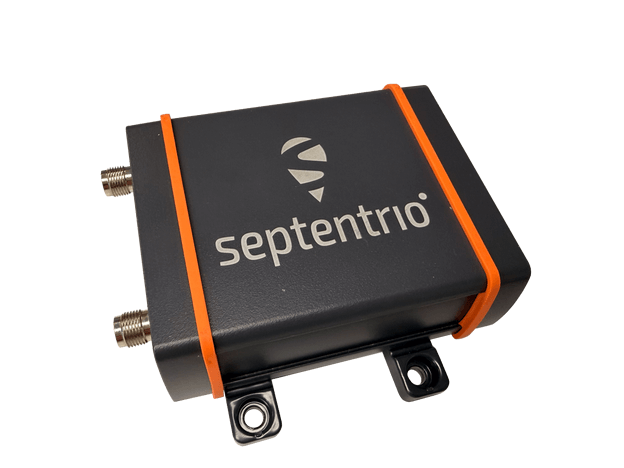
    The AsteRx EB GNSS receiver. (Credit: Septentrio)
    The AsteRx EB GNSS receiver. (Credit: Septentrio)

    The AsteRx EB offers high-accuracy positioning and GNSS heading for industrial robots, port logistics, marine and scalable automation applications. Its IP67 enclosure protects the receiver from harsh weather conditions, while built-in advanced GNSS+ algorithms ensure reliable operation in environments challenging for GNSS, such as areas with foliage or near GNSS interference sources. The RAIM+ integrity monitoring system ensures truthful positioning — essential for autonomous navigation. The compact enclosure of AsteRx EB enables easy installation, reducing time-to-market. In a dual-antenna configuration, AsteRx EB delivers sub-degree GNSS heading for systems that require orientation in addition to RTK positioning. The built-in AIM+ anti-jamming and anti-spoofing technology protects the receiver from intentional or unintentional GNSS interference.

    GNSS RTK platform

    Real-time kinematic delivers CM-level measurements

    SparkPNT

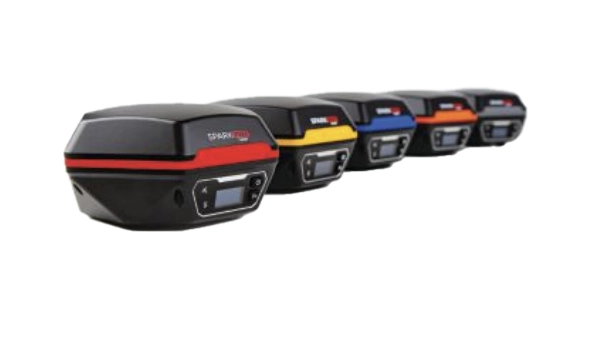
    Image: SparkPNT
    Image: SparkPNT

    The Facet FP is a high-precision GNSS receiver designed to deliver centimeter-level accuracy with a focus on long-term flexibility, ease of use and open-source innovation. It combines multi-band, multi-constellation GNSS support with fully open-source firmware — the platform can adapt as technologies advance. Built to last, all models are contained in a robust waterproof cast-aluminum housing, with an internal structure designed for compatibility with the company’s Flex system of GNSS modules. This gives users the choice between three different modules, plus the choice of having tilt-compensation, offering six different options with a range of price points, securities and accuracies for various needs and applications.

    GNSS antenna

    High-precision, high-accuracy, robust

    Hemisphere GNSS, Calian Group Ltd.

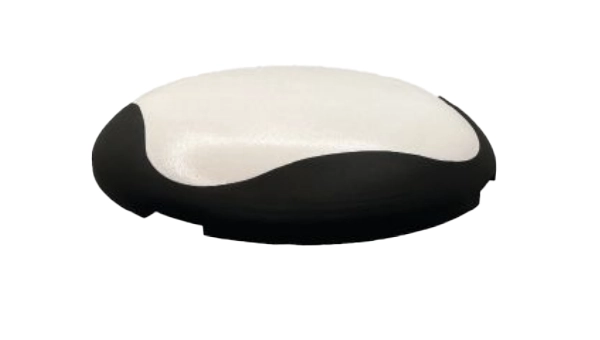
    Image: Hemisphere GNSS
    Image: Hemisphere GNSS

    The A65 GNSS antenna delivers exceptional accuracy, interference protection and robust GNSS tracking performance. Designed as a drop-in replacement for the widely deployed A45 antenna, the A65 offers users a seamless upgrade path to the latest precision technology. The industry collaboration reflects a shared focus on combining advanced RF design with real-world application insight to address increasingly complex GNSS operating environments, with both teams working closely from the earliest stages of development to meet demanding original equipment manufacturer (OEM) performance requirements. The antenna architecture, including the stacked patch quad feed element and RF front end, provides Calian’s XF Filtering. Hemisphere GNSS contributed application expertise, system integration requirements and performance validation within real-world machine control, agriculture, marine and survey environments.

    Airborne Lidar

    Long-range for UAV mapping and aerial surveillance

    CHC Navigation

    AlphaAir 6 is mounted on the X500 UAV during an urban mapping mission. (Credit: CHC Navgation)
    AlphaAir 6 is mounted on the X500 UAV during an urban mapping mission.
    (Credit: CHC Navgation)

    The AlphaAir 6 airborne lidar system is designed for UAV-based laser scanning, drone lidar mapping and aerial surveying in high-relief and complex terrain. Combining prism scanning technology with a high-grade inertial navigation system (INS), the AlphaAir 6 delivers a maximum ranging capability of up to 2,100 m and supports efficient data capture at typical flight altitudes of 400 m to 600 m above ground level. It integrates an upgraded laser engine and a high-grade IMU with 0.3°/h bias stability to improve trajectory accuracy and point cloud quality. This design removes the need for pre-mission IMU calibration and supports stable, efficient data collection for topographic mapping, corridor mapping, and wide-area aerial survey workflows. It is available in single-camera and dual-camera configurations.

    GNSS mapping app

    Makes smartphones data-collection tools

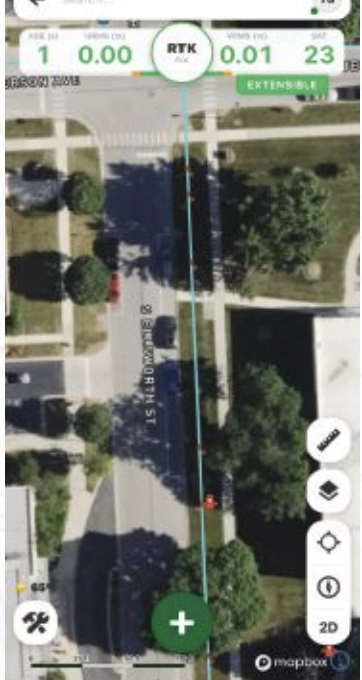
    Image: Fastxy
    Image: Digital Mapping Group

    Digital Mapping Group

    The FastXY mapping application for iOS and Android enables standard mobile devices to serve as professional-grade data-collection tools for geospatial information system (GIS) and architecture, engineering and construction (AEC) professionals. FastXY allows users to collect point, line and polygon data with devices they already own. It delivers advanced capabilities including 3D basemaps, construction staking, topographic surveying, on-the-fly datum transformations, and survey-grade elevations. A built-in Bluetooth data parser allows users to configure the app to collect data from any instrument supporting BLE Bluetooth or RS-232 — echosounders, radiation sensors, laser rangefinders, barcode scanners — and marry that data with precise GNSS coordinates.

  • FXP30x and PC30x series antennas from Taoglas combine GNSS, cellular and Wi-Fi

    FXP30x and PC30x series antennas from Taoglas combine GNSS, cellular and Wi-Fi

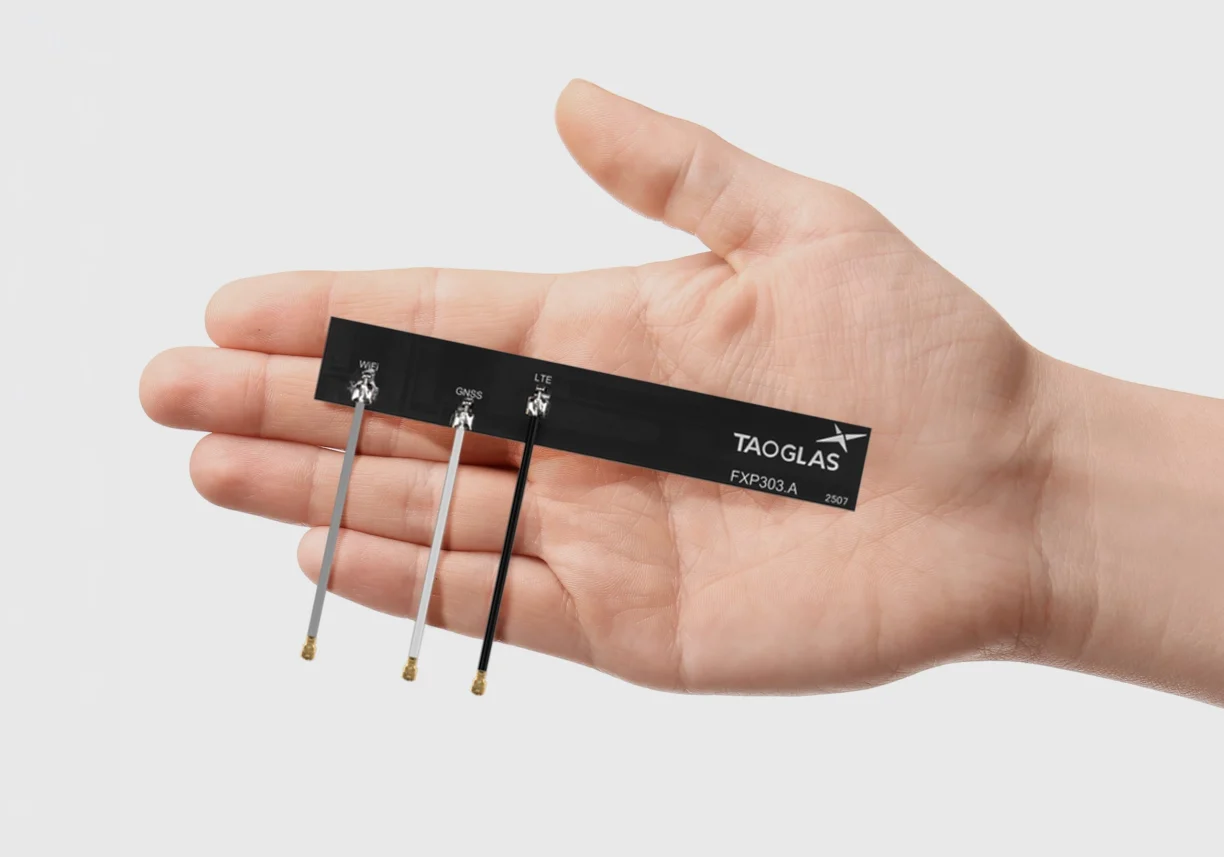
    Taoglas is now offering the FXP30x and PC30x series of high-performance embedded combination antennas, a new family of compact antennas designed to support GNSS, cellular and Wi-Fi connectivity for space-constrained electronic devices. Both series enable engineers to integrate multiple wireless technologies within a single antenna, reducing device component count while simplifying device design, speeding up assembly times and accelerating time to market.

    The new portfolio includes six antenna models across two form factors: the FXP30x flexible PCB antenna series and the PC30x rigid FR4 PCB antenna series. Both families support cellular frequencies from 600 MHz to 8000 MHz, enabling global connectivity across multiple wireless standards.

    The FXP30x series is built on Taoglas’ flexible polymer antenna technology, combining high radiation efficiency, ground-plane independence and ultra-thin construction suitable for installation inside compact device enclosures. The antennas feature peel-and-stick adhesive backing for secure mounting on non-metal surfaces such as plastic housings or glass, while flexible PCB construction allows installation in tight internal spaces where rigid antennas may not fit.

    The PC30x series provides the same connectivity options in a rigid PCB antenna built on an FR4 substrate, offering a mechanically stable alternative for applications where the antenna can be mounted directly inside the device enclosure either by adhesive backing or plastic screws.

    Each antenna is supplied with a pre-assembled cable and I-PEX MHF I connector. The cables are supplied in different colors to ensure accurate connections for variants that require longer cables, enabling straightforward integration with wireless modules.

  • Hemisphere GNSS and Calian produce new high-precision antenna

    Hemisphere GNSS and Calian produce new high-precision antenna

    Hemisphere GNSS, a brand of CNH, together with Calian Group Ltd, have released the A65 GNSS antenna, a jointly developed, next-generation solution engineered to deliver exceptional accuracy, superior interference protection, and robust GNSS tracking performance.

    The A65 is designed as a drop-in replacement for the widely deployed A45 antenna, offering users a seamless upgrade path to the latest precision technology.

    The collaboration reflects a shared focus on combining advanced RF design with real‑world application insight to address increasingly complex GNSS operating environments, with both teams working closely from the earliest stages of development to meet demanding original equipment manufacturer (OEM) performance requirements.

    The antenna architecture itself, including the stacked patch quad feed element and RF front end, was engineered by Calian, and provides Calian’s XF Filtering. Hemisphere GNSS contributed application expertise, system integration requirements, and performance validation within real-world machine control, agriculture, marine and survey environments.

    The result is a precision antenna that delivers:

    • outstanding multipath suppression
    • highly consistent phase center variation
    • accurate tracking across GPS (L1/L2/L5), Galileo (E1/E5/E6), BeiDou (B1/B2/B3), GLONASS (G1/G2/G3), NavIC L5, QZSS, and L-band correction services
    • lower power consumption and broad voltage compatibility

    Together, Hemisphere and Calian ensured the A65 meets demanding field requirements while exceeding the performance benchmarks of the A45.

    Calian XF Filtering for Interference Rejection

    A major advancement of the A65 is the integration of Calian’s XF Filtering. The interference mitigation system rejects out-of-band energy at the antenna level, significantly improving signal quality in RF-challenging environments.

    Calian XF Filtering provides protection against:

    • 4G / 5G cellular transmissions
    • Ligado and adjacent band interference sources
    • broadband marine and aviation systems
    • industrial and urban RF noise

    By combining Calian’s advanced filtering technology with Hemisphere GNSS’s application-level expertise, the A65 delivers cleaner signals, improved reliability, and more stable performance in harsh real-world environments.

    Engineered for rugged field use

    Validated through Hemisphere GNSS field testing and Calian engineering qualification, the A65 includes:

    • IP69K environmental protection
    • High-impact LEXAN radome and robust metallic base
    • Low noise amplifier (LNA) with high gain (2.5 dB NF, 28-30 dB gain)
    • 15 kV electrostatic discharge (ESD) protection
    • -40°C to +85°C operating range

    These specifications are designed to ensure the A65 provides long-term performance across agriculture, survey, machine control, marine and fixed-reference installations.

    The A65 GNSS antenna is available now through Hemisphere GNSS. OEM module versions based on the same Calian engineered design are also offered for integrators requiring embedded solutions.

  • Hexagon | NovAtel’s GAJT-AE3 offers mission resilience for airborne applications

    Hexagon | NovAtel’s GAJT-AE3 offers mission resilience for airborne applications

    With full multi-constellation, multi-frequency GNSS signal protection, the GAJT-AE3 provides assured positioning, navigation and timing (PNT)

    Hexagon | NovAtel has launched the latest addition to its battle-proven GNSS Anti-jam Antenna Technology (GAJT) lineup: GAJT-AE3. The GAJT-AE3 emerges in response to the escalating power and sophistication of jamming techniques that disrupt satellite-based navigation systems, a concern highlighted by current worldwide geopolitical conflicts.

    As jammers become more powerful and low cost, with the capability of targeting a wider range of GNSS frequencies, there is a critical need for next-generation functionality and reliability.

    To address this, the GAJT-AE3 protects all major GNSS constellations with full multi-constellation, multi-frequency coverage. This significant advancement in jamming protection — in a compact format — ensures reliable PNT in demanding airborne environments.

    “This is a revolutionary expansion in our battle-proven anti-jam solutions designed specifically for space-constrained platforms,” said Stig Pedersen, president, Aerospace & Defence Division, Hexagon. “The GAJT-AE3 offers unparalleled signal coverage and multi-jammer direction finding for superior protection and heightened situational awareness.”

    The GAJT-AE3’s antenna electronics mitigate interference by creating up to seven nulls per band in the direction of jammers, providing significant anti-jam protection even in dynamic multi-jammer scenarios. The output is a protected radio frequency signal, free from jamming and suitable for input to modern and legacy GNSS receivers.

    Protecting and supporting all GNSS frequencies, including L-band corrections and Iridium PNT, the GAJT-AE3 is an easy-to-integrate, compact unit suitable for use on a variety of platforms, from UAVs to complex weapons. It can be paired with a range of antennas from the Hexagon | Antcom portfolio, including custom options.

    Hexagon | NovAtel’s GAJT-AE3 is now commercially available.

  • Taoglas unveils AI-driven antenna recommendation platform

    Taoglas unveils AI-driven antenna recommendation platform

    Taoglas has launched its AI-driven Antenna Product Recommendation Engine, a platform that helps engineers and organizations select the company’s antennas and RF components.

    Available worldwide, the tool provides both seasoned RF engineers and non-technical decision-makers with intelligent guidance to make informed choices.

    Early-stage antenna decisions can disproportionately impact system performance, cost and time to market. Yet engineers often rely on datasheets, parametric searches, or manual cross comparison, a process that can consume hours or days amid the growing complexity of modern RF systems.

    The new recommendation platform embeds two decades of Taoglas expertise into a digital tool, applying AI trained on real-world design knowledge to scan, filter and refine suitable products in minutes, drawing on insights from tens of thousands of projects worldwide.

    The tool is the newest addition to the AntennaXpert ecosystem, complementing Taoglas’ Antenna Builder and Cable Builder for configuration, as well as the Antenna Integrator for PCB placement. Together, they enable a seamless path from initial selection to integration, Taoglas said.

  • Sinclair Technologies Unveils 5G GNSS antennas

    Sinclair Technologies Unveils 5G GNSS antennas

    Sinclair Technologies has launched its SM 5G Family Tier, featuring the SM714 and SM2601 series antennas. The next-generation, multi-band, multi-port transport antennas are engineered to deliver superior connectivity, reliability and versatility for GNSS, 5G, LTE, Wi-Fi and other mission-critical wireless applications.

    The SM714 antenna. (Photo: Sinclair Technologies)
    The SM714 antenna. (Photo: Sinclair Technologies)

    The SM714 is a 4-in-1 low-profile customizable transit antenna that combines 5G/LTE, Wi-Fi and tri-band GNSS coverage in a single compact form. Supporting 617–5925 MHz, it enables seamless operation across all major 5G and LTE bands. The integrated high-gain tri-band GNSS module provides fast, accurate positioning, while the IP67-rated rugged housing ensures long-term durability. With its 2.6-inch ultra-low profile and single-hole mount, the SM714 is suitable for vehicles, fleet systems and connected mobility applications requiring a discreet, high-performance solution.

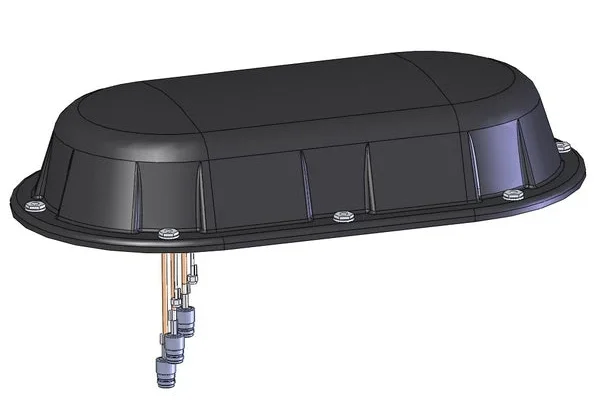
    The SM2601D is a 5-in-1 low-profile customizable antenna purpose-built for transportation, fleet and rail systems. It features five independent ports: one for PTC (219–223 MHz), one for Wi-Fi (2400–6000 MHz), one for GNSS, and two full-band cellular ports (694–2700 MHz) that support diversity and MIMO operation for multi-radio systems. This dual-cell configuration offers greater throughput, flexibility, and redundancy in complex communication environments. Housed in a fire-rated, weather-resistant black radome, the SM2601 ensures exceptional reliability in harsh operating conditions.

    Together, the SM 5G family ter delivers high performance and design flexibility for connected mobility, fleet tracking and smart infrastructure — extending Sinclair’s 75-year legacy of engineering excellence and innovation in RF antenna technology.

    “The launch of our SM 5G Family marks a bold step in redefining the boundaries of connectivity,” said Martine Cardozo, sales director, Sinclair Technologies. “By blending creativity with cutting-edge innovation, we aim to deliver highly reliable, all-in-one solutions that meet the evolving demands of a market in constant motion.”

    Key Benefits

    SM714 – Compact 5G / GNSS Transit Antenna

    • Wideband coverage: 617–5925 MHz across all major 5G/LTE bands
    • Tri-band GNSS (GPS, Galileo, GLONASS, BeiDou) for fast, precise positioning
    • Rugged IP67 housing ensures long-term reliability in harsh environments
    • Ultra-low 2.6 in. profile minimizes installation footprint and risk of damage
    • Ideal for vehicle rooftops, fleet applications, and mobile IoT systems

    SM2601 – Multi-Port Transport Antenna (Spec Sheet)

    • Five integrated ports: PTC, GNSS, Wi-Fi, and dual broadband 694–2700 MHz channels
    • Supports MIMO and multi-radio configurations for maximum system flexibility
    • Fire-rated, weather-resistant radome built for extreme operating conditions
    • High-gain GNSS with low-noise amplifier enhances accuracy and signal integrity
    • Optimized for rail, transit, and mission-critical fleet communications
  • Taoglas expands comet antenna series with models engineered for metal enclosures

    Taoglas expands comet antenna series with models engineered for metal enclosures

    Taoglas has expanded of its Comet Series with the MA58x family of compact, discrete, screw- or through-hole mount puck antennas.

    Metal structures or flat surfaces, such as cabinets, can affect antenna performance and change the electrical groundplane. The Comet MA58x series is specifically engineered to maintain stable, high-efficiency operation in these challenging conditions.

    Conventional LTE antennas rely on their RF cable to achieve low-band efficiency, particularly when the cable itself is routed inside a metal enclosure, turning it into an unintended radiator. The MA58x design removes this dependency, enabling efficient radiation and delivering at least 20% better performance than comparable alternatives.

    With a footprint of 101 x 101 mm and low profile of 20 mm, the antennas deliver reliable multi-antenna connectivity across GNSS constellations including GPS, GLONASS, Galileo, and BeiDou, as well as 5G/4G MIMO and Wi-Fi 6/7. Advanced RF design enables consistent gain and efficiency across global cellular frequencies from 600 MHz to 6 GHz and Wi-Fi bands up to 7.125 GHz, while also supporting legacy 2.4/5.8 GHz Wi-Fi and Bluetooth for maximum compatibility. These levels of performance are rarely achieved in antennas of this size, and even more so when installed on metallic structures.

    The rugged, weather-resistant housing is molded in Acrylonitrile Styrene Acrylate (ASA) for long-term outdoor durability, and the IP67-rated enclosure with a screw/stud mount provides a permanent installation option that ensures secure, reliable operation in vibration-prone and harsh conditions such as fleet vehicles, heavy equipment, and industrial automation.

    The new antennas are available in multiple configurations and in either black or white enclosures. Custom cable lengths and connector options are also offered, making integration more flexible for OEMs and system designers. The MA58x series is suited to gateways and routers, public safety systems, point-of-sale terminals, digital signage, smart home automation, robotics and industrial automation. The Comet Series also offers a magnetic mount MA32x variant to address different deployment needs.

    Further details on the design principles that deliver these performance gains are available in a Taoglas white paper.

  • Leankon launches multi-band GNSS antenna

    Leankon launches multi-band GNSS antenna

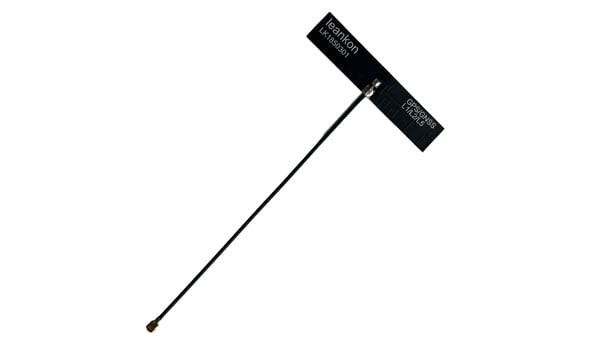
    Leankon, a global leader in innovative IoT antenna solutions, has introduced the LK1850301 Dipole FPC (Flexible PCB) GNSS antenna, engineered for seamless integration and high-performance positioning across various applications.

    Leveraging innovative technology, the LK1850301 achieves an ultra-compact size of just 49 × 10 × 0.1 mm while supporting global multi-band GNSS. It is fit for GNSS modules and offers flexible cable length configurations to meet diverse design requirements.

    Key Features and Benefits

    • Balanced dipole design: Optimized for superior return loss and stable radiation patterns, the antenna delivers consistent performance while minimizing interference from cable length or connector variations.
    • Multi-band GNSS support: Supporting GPS L1/L2/L5, Galileo E1/E5, GLONASS L1/L5, and BeiDou B1/B2, this compact antenna is ideal for precision applications such as smart agriculture, industrial tracking, navigation, and asset monitoring.
    • Customizable integration: Leankon offers multiple cable lengths and connector options, with custom configurations available for seamless system integration and optimized performance.
    • Designed for compatibility across a wide range of devices, the antenna includes a peel-and-stick adhesive backing for quick, hassle-free assembly.

    As industries increasingly adopt global multi-band GNSS navigation, the need for reliable, adaptable antenna solutions is greater than ever. The LK1850301 empowers engineers and product designers with high-performance satellite signal reception in a compact, integration-friendly form factor.

    To accelerate project development, Leankon provides free samples of the LK1850301 for early-stage testing and performance validation.

  • Low-cost antennas power high-precision space-based positioning

    Low-cost antennas power high-precision space-based positioning

    A novel method using signals of opportunity from low-Earth orbit (LEO) satellites is redefining what’s possible in satellite-based navigation. Researchers have developed a joint pseudo-range and Doppler positioning technique that taps into signals from constellations like Starlink and Iridium NEXT — without relying on traditional navigation signal structures.

    By employing low-cost, wide-beam antennas and a specially designed time–frequency inversion algorithm, the team achieved remarkable accuracy: 3.6 meters in 2D and 6.2 meters in 3D, surpassing Starlink positioning approaches based on parabolic antennas by 35%.

    Technical barriers in using signals of opportunity include signal transmission times, low signal power, and imprecise orbital data, all of which hinder accurate positioning. Addressing these challenges demands a new approach to extracting usable navigation data from LEO constellations.

    In response, researchers from the Aerospace Information Research Institute introduced a joint pseudo-range and Doppler positioning method using wide-beam antennas to receive LEO satellite SOPs. The approach centers on a signal time–frequency inversion algorithm that reconstructs key signal parameters, alongside a novel accuracy metric called Equivalent Position Dilution of Precision (EPDOP).

    Real-world experiments combining Starlink Doppler data and Iridium NEXT pseudo-range signals confirmed strong performance, especially in long-baseline conditions — reinforcing the method’s global applicability.

    To overcome the cost and complexity of existing satellite tracking equipment, the team employed low-noise bock (LNB) wide-beam antennas capable of simultaneously receiving signals from multiple Starlink satellites. The core innovation lies in a signal processing algorithm that estimates transmission time and frequency from the received code phase and Doppler shifts — enabling both pseudo-range and Doppler observations without needing exact satellite clock data or real-time ephemeris.

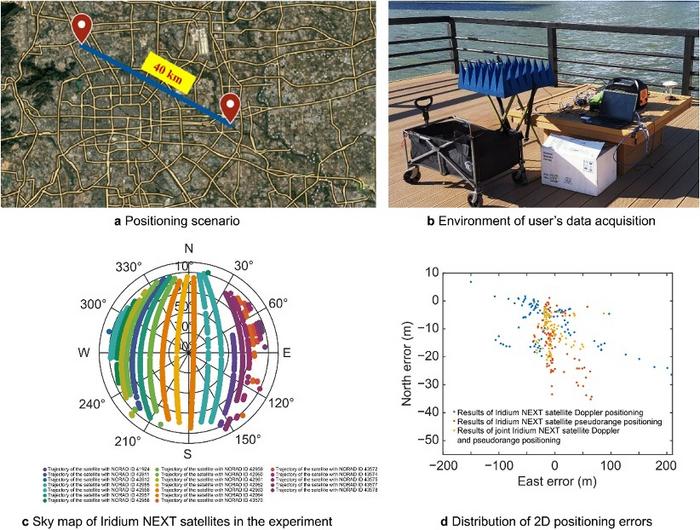
    To quantify system performance under real-world errors, the researchers developed the EPDOP metric, adapted to mixed measurement inputs. Tests demonstrated the method’s robustness: 3.6 m 2D and 6.2 m 3D positioning using Starlink Doppler signals, and up to 24 m (2D) and 41 m (3D) accuracy using Iridium NEXT SOPs over a 40 km baseline. Compared to Doppler positioning techniques, the algorithm reduced positioning errors by over one-third and successfully suppressed the impact of orbital inaccuracies inherent in public two-line element set (TLE) datasets.

    “This work marks a key step toward accessible, accurate navigation using commercial satellite constellations,” said lead author Ying Xu. “By integrating Doppler and pseudo-range measurements and introducing a flexible precision metric, we can now harness Starlink and Iridium NEXT signals for high-precision positioning, even without access to proprietary signal structures. The proposed low-cost architecture opens new possibilities for resilient navigation in GPS-denied environments.”

    Because of its ability to operate with low-cost antennas and weak, unstructured signals, the technique is poised to support a wide range of applications: from autonomous driving and unmanned aerial vehicle (UAV) navigation in remote regions to emergency response and IoT asset tracking. Its resilience to satellite orbital prediction errors and adaptability across different LEO constellations make it a strong contender for next-generation positioning systems. As LEO deployments continue to expand globally, this approach offers a scalable and practical solution for real-time, high-accuracy navigation—promising enhanced capabilities for both civilian infrastructure and defense operations.

    The researchers’ study is published in Satellite Navigation (DOI: 10.1186/s43020-025-00163-y).

    Signal acquisition of Iridium NEXT satellites’ signal in the long baseline positioning scenario. (Credit: Aerospace Information Research Institute)

  • Harxon releases antennas for lawn mowers

    Harxon releases antennas for lawn mowers

    Harxon has released two high-precision GNSS antennas suitable for robotic lawn mowers.

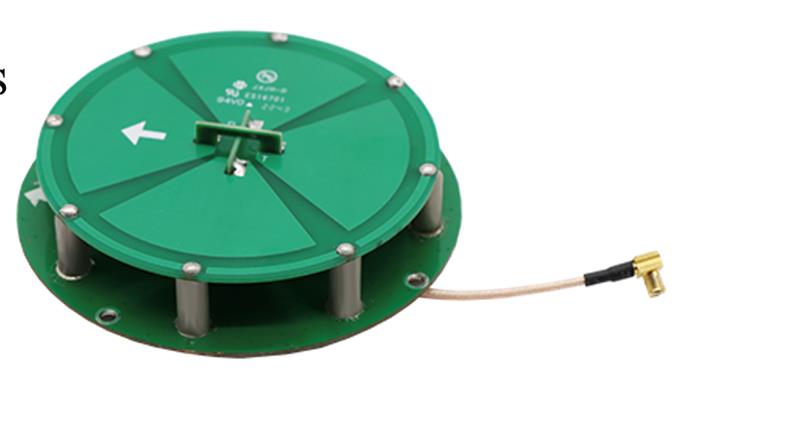
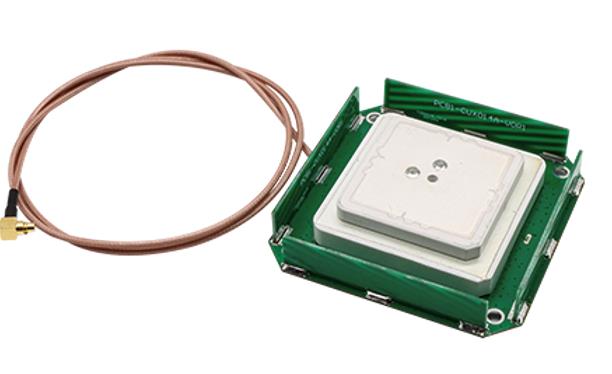
    The HX-CSX014A is a high gain, low profile and compact antenna with a new structure that simplifies integration into lawn mowers and minimizes the overall machine dimension. It features small size, high sensitivity and low power consumption.

    The HX-CSX231A, is a ready-to-use GNSS antenna with a highly reliable structure that makes it small and lightweight. It exhibits 4.5 dBi high gain performance with ultra-low signal loss. It also delivers wide beam width that covers wide frequencies with high marginal gain, a perfect option in complex environments.

    Additionally, the HX-CSX231A’s advanced LNA features improved signal filtering, out-of-band rejection, restrained unwanted electromagnetic interferences and a strong multi-path reduction capacity.

    To learn more about Harxon high precision GNSS solutions for lawn mowers, click here.

    Image: Harxon
    Image: Harxon

    Image: Harxon
    Image: Harxon