Tag: UAV

  • Maxar helps accelerate the resilience of Taiwan’s UAV industry against GPS interference

    Maxar helps accelerate the resilience of Taiwan’s UAV industry against GPS interference

    Maxar Intelligence is partnering with Taiwan’s Aerospace Industrial Development Corporation (AIDC) to deploy the Maxar Raptor software suite across Taiwan’s unmanned aerial vehicle (UAV) industry. The move will help the country accelerate the resilience and reliability of autonomous systems in GPS- and GNSS-denied environments.

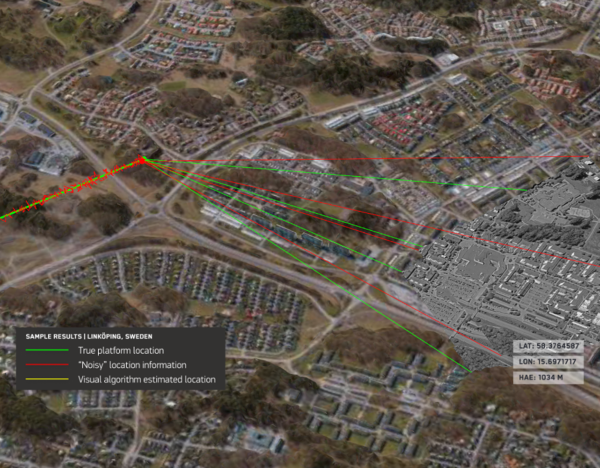
    Raptor is a vision-based software suite that enables autonomous drones to navigate precisely and extract accurate ground coordinates in the absence of GPS. Designed for lightweight integration with any autonomous platform, Raptor products use a drone’s native camera and Maxar’s 100 million-plus sq km of global 3D terrain data to help the platform navigate with extreme precision and extract accurate ground coordinates in real-time without GPS. Raptor can operate at night and in low-altitude flight operations without the need for any additional hardware.

    The partnership follows a successful field demonstration of Raptor software in Taiwan earlier this year, in which the test platform was able to maintain precise navigation under GPS-denied conditions using only its native camera and Maxar’s software.

    The test platform was able to maintain precise navigation under GPS-denied conditions using only its native camera and Maxar’s software.

    “Taiwan is rapidly building one of the most advanced UAV industries in the world, and AIDC is one of the companies leading the charge,” said Anders Linder, general manager, International Government at Maxar Intelligence. “Taiwanese UAV manufacturers are acutely aware of the importance of building resilience against GPS jamming, and AIDC has validated the unique capabilities of our Raptor software. By combining our geospatial intelligence with AIDC’s aerospace expertise, we’ll help Taiwan’s UAV industry maintain its forward momentum, accelerating autonomy across warfighting, humanitarian, and commercial operations.”

    AIDC will drive the adoption of Raptor across Taiwan’s UAV supply chain and promote use of the software across the Taiwan Excellence Drone International Business Opportunity Alliance (TEDIBOA), an organization that AIDC chairs.

    “This collaboration opens a new chapter for precision vision-based positioning in Taiwan’s UAV sector,” said AIDC President Chin-Ping Tsao. “We will jointly build a Taiwan-focused integration and testing center, highlight GPS-jamming resilience as a core differentiator, and unlock opportunities across Taiwan and the broader Asia market — advancing both defense resilience and commercial value.”
  • Dimetor, SkAI partner on GNSS interference monitoring for digital airspace

    Dimetor, SkAI partner on GNSS interference monitoring for digital airspace

    Dimetor and SkAI Data Services are announcing a strategic partnership to increase global airspace security.

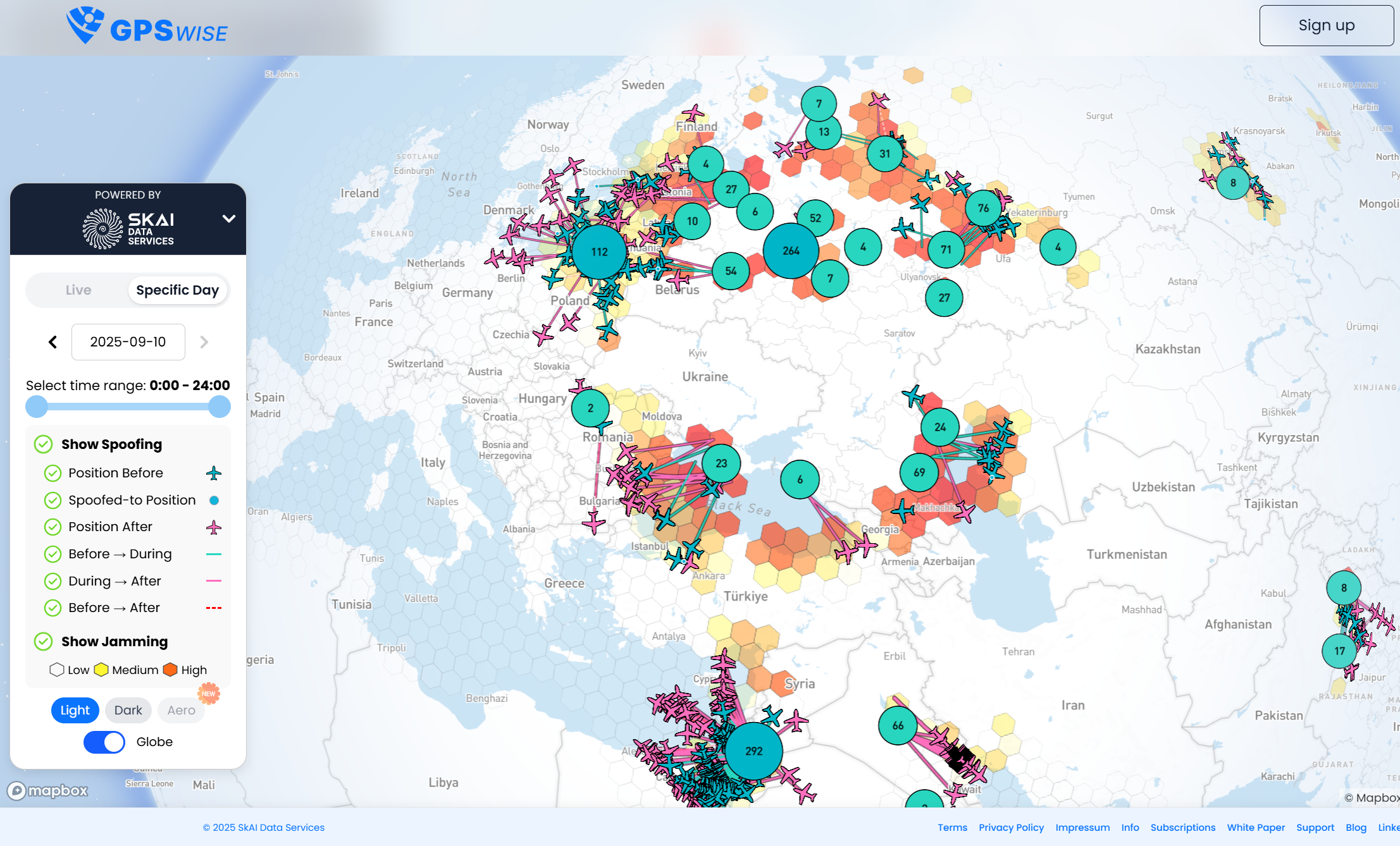
    SkAI Data Services developed a real-time ADS-B GPS spoofing and jamming tracker — GPSwise. Dimetor is a global leader in connectivity and data analytics for the communications, defense and aerospace industry.

    The companies aim to deliver a comprehensive, holistic solution for monitoring GNSS disruptions, covering both lower and upper airspace, for crewed and uncrewed flight operations and other users worldwide.

    SkAI Data Services created GPSwise in partnership with the Zurich University of Applied Sciences – Centre for Aviation. The platform is already trusted by airlines, air navigation service providers, and authorities worldwide to provide ADS-B-based awareness of GPS threats.

    Dimetor’s NAVSentry platform is an AI-powered solution for detecting GNSS disruptions in real time, combining different technology layers, and securing position, navigation and timing (PNT) data across autonomous and crewed systems, from multiple data sources, including:

    • Cellular network data
    • Satcom based detection mechanisms
    • Other network-based sensors
    • Dedicated ground-based receivers.

    According to the company, this multi-layered approach delivers actionable, real-time intelligence to aerospace, critical communications, UTM/ATM, UAV operators, logistics, critical infrastructure sectors, law enforcement, spectrum authorities, defense and intelligence.

    The companies have signed a Memorandum of Understanding (MoU) to combine two fundamentally different yet highly complementary data streams, ADS-B-based information and data from terrestrial sensor networks such as 5G. The integration creates a unified view of GNSS health across the full airspace, both crewed and uncrewed, at all altitudes in real-time.

  • Airbus, Shield AI complete first autonomous logistics connector helicopter flight

    Airbus, Shield AI complete first autonomous logistics connector helicopter flight

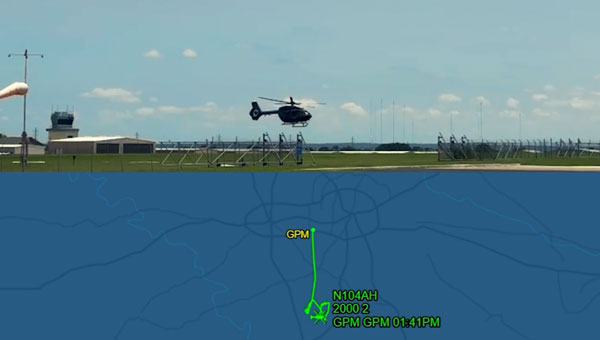
    Airbus U.S. Space & Defense completed its first autonomous helicopter test flight using Shield AI’s Hivemind autonomy package in Grand Prairie, Texas. The flight represents a significant step forward in developing the MQ-72C Lakota Connector for the U.S. Marine Corps Aerial Logistics Connector program.

    The test utilized an H145 helicopter to refine mission technology, accelerate development timelines and reduce costs and technical risks. Engineers integrated Hivemind into the aircraft in less than two months, showcasing the system’s modular and platform-agnostic design.

    During the test, Shield AI’s Hivemind autonomy software controlled the H145 directly while collaborating with Airbus’ Helionix system. The integrated software managed the aircraft’s mission systems, executing automated takeoff, landing and other test procedures without pilot input.

    The tested software will be incorporated into the future MQ-72C helicopter design to meet Marine Corps requirements for the ALC program. The MQ-72C Logistics Connector is being developed as an unmanned version of the UH-72 Lakota, a multi-mission platform used across various operations.

    Shield AI‘s software expands the platform’s capabilities through autonomous operations across logistics and operational scenarios. Future test activities and demonstrations will scale the MQ-72C’s autonomy level, leading toward unmanned operations in contested logistics environments.

    Airbus U.S. plans to apply mission autonomy software to add autonomous capabilities to other helicopter variants beyond the MQ-72C. The company is in the second year of the Aerial Logistics Connector Middle Tier of Acquisition Rapid Prototyping Program, which provides aircraft prototypes for operational demonstrations and experiments.

    In May 2024, Naval Air Systems Command awarded Airbus U.S. Space & Defense a Phase I Other Transaction Authority through the Naval Aviation Systems Consortium for its unmanned UH-72 Logistics Connector concept.

    The Aerial Logistics Connector initiative is among several Defense Department programs designed to deliver logistical support in distributed environments during conflicts with peer or near-peer adversaries.

  • GöKHUN tactical UAS developed for missions on land, sea

    GöKHUN tactical UAS developed for missions on land, sea

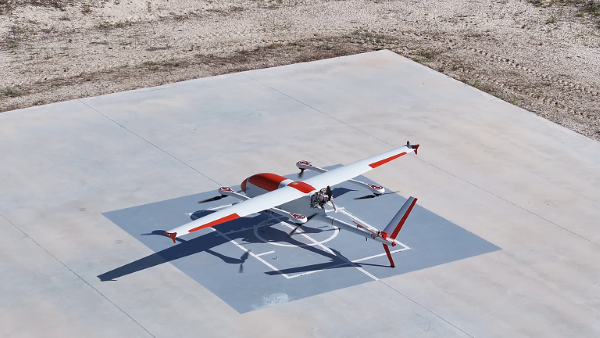
    The GöKHUN unmanned aerial system (UAS) from Turkish company ESEN is a tactical vertical take-off and landing (VTOL) drone system that does not require a runway, offering maximum flexibility in operational use.

    Developed for versatile missions on land or at sea, GöKHUN combines the compact mobility of a NATO Class I UAV with the performance data of a Class II tactical system. The GöKHUN UAS uses the modern SP 210 FI GS 2-stroke engine from Sky Power International.

    With a take-off weight of up to 110 kg and a maximum fuel and payload capacity of 26 kg, the GöKHUN can remain in the air for up to 16 hours with a minimum payload. Even with a demanding sensor load of 12 kg, it can achieve a flight duration of around nine hours, making it suitable for long-endurance reconnaissance and surveillance missions.

    The GöKHUN’s cruising speed is between 96 and 158 km/h. The maximum range with direct line-of-sight is over 150 km, with the system reaching a service ceiling of approximately 5,500 m.

    GöKHUN can take off and land in an area measuring 10 x 10 meters, regardless of topographical conditions and without any infrastructure. This also allows it to be deployed in remote or difficult-to-access regions and on ships.

    The GöKHUN was designed for complex intelligence, surveillance and reconnaissance (ISR) missions. In addition, the system is suitable for a wide range of other applications such as environmental monitoring, disaster relief, border surveillance, anti-smuggling operations and precision agriculture. With its integrated vision-based navigation system GöRDES, the drone is independent of GNSS signals and can be reliably controlled even in GPS-denied environments.

    All safety-relevant systems such as navigation, flight control, data transmission and power supply are designed with double or triple redundancy. If the connection to the ground station is lost, the UAV returns autonomously to its starting point. In addition, GNSS interference protection ensures robust operation even under electronic interference.

    The GöKHUN is also designed for mobility and speed. Two technicians can have the system up and run in around 15 minutes, and it can be transported in two standard vehicles. Thanks to its modular design, the system is easy to maintain and can also be easily adapted to different deployment scenarios. A particularly outstanding feature is its ability to operate two different payloads simultaneously, for example EO/IR sensors for day and night operation or different communication and reconnaissance systems. It is controlled via an integrated ground station with a data terminal, which can also be transferred to other carrier vehicles during an operation.

    The system’s high environmental resistance, with an operating temperature range of −30°C to +55°C, and its ability to fly stably at wind speeds of up to 40 knots underlines its robustness. With its ITAR-free design, GöKHUN meets international export requirements and complies with NATO standards AEP-83/84. The system can be easily integrated into existing tactical networks, making it attractive to international partners.

    Overall, GöKHUN combines tactical range, modular architecture, simple logistics and operational independence. With its high endurance, vertical take-off capability and safe mission execution in complex environments, the system is ideal for modern applications in security-critical but also in civil areas, whether for border surveillance, disaster relief or as an ISR platform at sea. Its independence from GNSS signals and flexible payload configuration make the GöKHUN UAS a state-of-the-art solution in the field of unmanned aerial reconnaissance.

  • STM unveils defense innovations BOYGA-B and TUNGA at IDEF 2025

    STM unveils defense innovations BOYGA-B and TUNGA at IDEF 2025

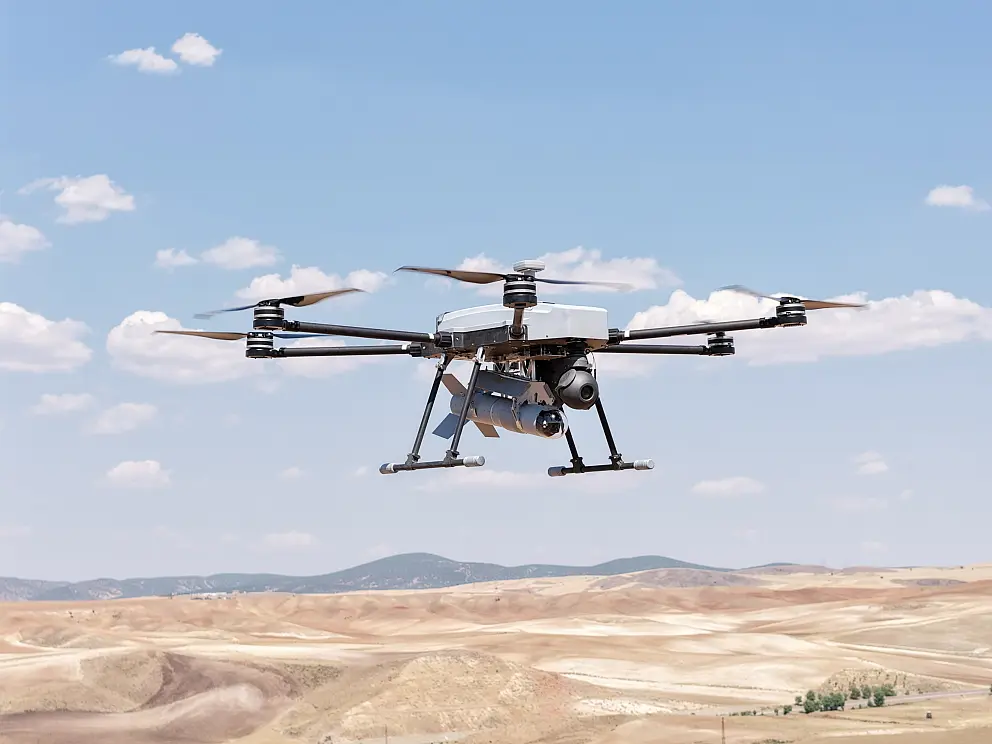
    STM unveiled two of its latest innovations at IDEF 2025: the BOYGA-B rotary-wing UAV, capable of carrying multiple munitions, and the TUNGA Smart Munition System. IDEF, the International Defense Industry Fair, is a globally recognized trade fair in the defense industry, ths year hosted by Türkiye in Istanbul July 22-27.

    The BOYGA-B Ammunition Drop UAV is engineered for tactical missions such as reconnaissance, surveillance, target detection and precision munition deployment. The system can carry smart munitions as well as two 81 mm UAV munitions.

    The TUNGA Smart Munition System, developed for anti-personnel missions, has a modular design, image-based or GNSS-based guidance, and proximity-fuze detonation capability. Both new systems are designed to meet the evolving needs of modern combat environments.

    BOYGA-B Ammunition Drop UAV

    BOYGA-B is a high-precision rotary-wing UAV designed for reconnaissance, surveillance, target engagement and precision munition deployment in tactical operations. It can operate in GNSS-denied or jammed environments with its CRPA antenna and KERKES integration. The system can carry up to 8 kg of munitions and precisely release them onto targets using its integrated drop mechanism.

    Key Features

    • GNSS-denied operation via CRPA and KERKES
    • Flight time: 35 minutes
    • Range: Minimum 5 km
    • Operable by a single soldier
    • Target detection and tracking
    • Real-time EO/IR image transmission
    • Autonomous munition release and mission abort

    Payload Options

    • 2× 81 mm UAV Munitions
    • 1× TUNGA Smart Munition
    • 1× Kargu FPV Drone

    TUNGA Smart Munition System

    TUNGA is a glide-type guided munition developed by STM for anti-personnel missions. Equipped with a 1750 g warhead, TUNGA can be precisely guided to its target using EO/thermal imaging and onboard image processing. It offers safe operation with self-destruct functions and can be deployed from BOYGA-B or other compatible platforms.

    Key Features:

    • GNSS or image-based guidance
    • Self-destruct options
    • Modular design for different mission profiles
    • Low visibility with EO/thermal imaging
    • Proximity-fuse detonation

    Technical Specifications

    • Length: 540 mm
    • Warhead: 1750 g
    • Endurance: 30 minutes
    • Operational altitude: 300–800 m
  • MySky ECO and Airwayz to develop long-range UAV system

    MySky ECO and Airwayz to develop long-range UAV system

    Collaboration includes support from Space Florida and Israel Innovation Authority

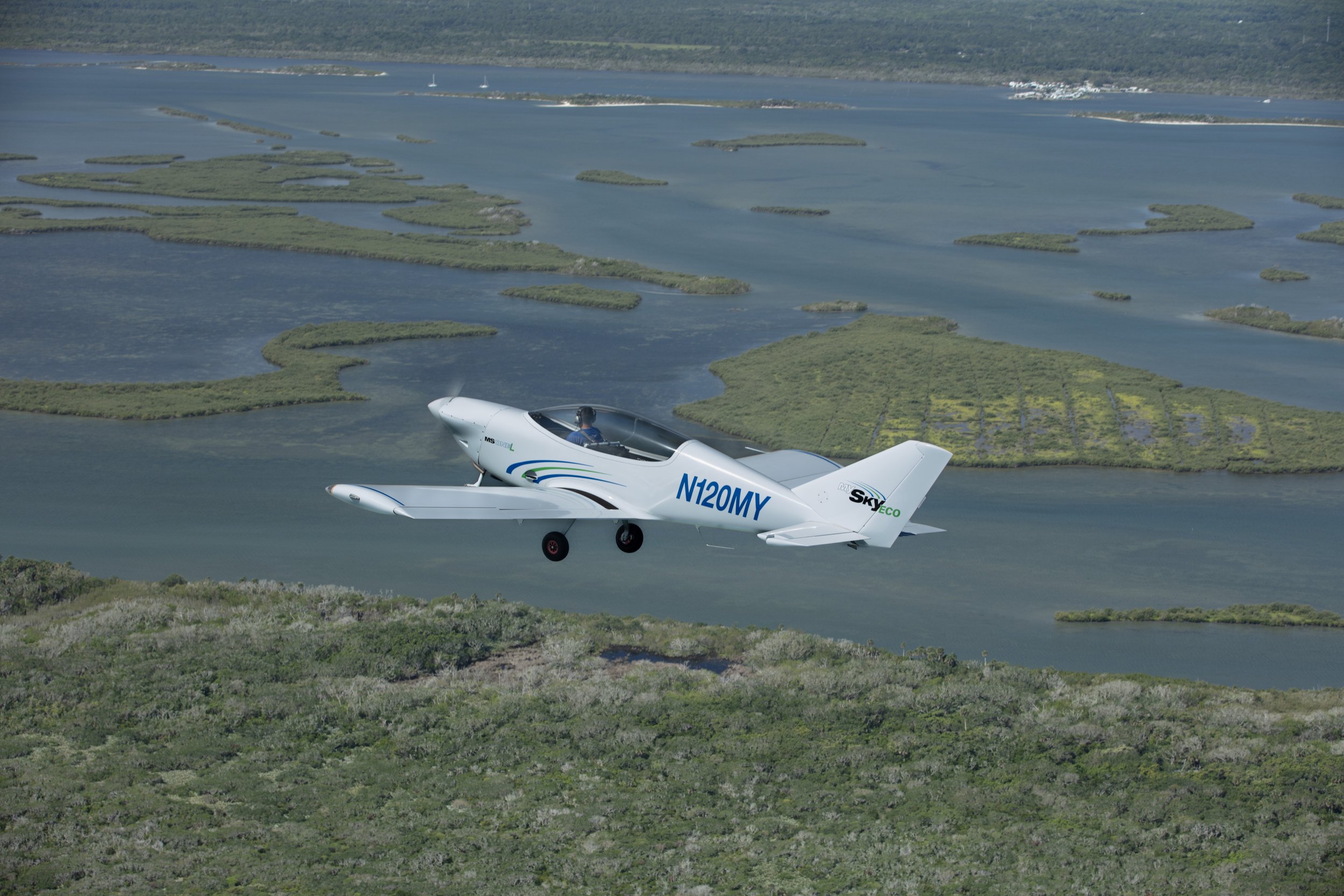
    MySky ECO, a U.S.-based leader in efficient aviation, and Airwayz, a global leader in Unmanned Traffic Management (UTM) technology, have launched a joint venture to develop a next-generation long-range UAV system.

    The project was selected for funding by the Space FloridaIsrael Innovation Partnership Program and is designed to demonstrate a fully autonomous drone platform capable of Beyond Visual Line of Sight (BVLOS) operations in regulated and complex airspaces across the United States.

    The companies share a common mission to prove that unmanned aircraft can operate safely and efficiently alongside traditional aviation in real-world, high-traffic environments.

    The system will integrate MySky’s MS-1D UAV platform, derived from its eco-efficient light aircraft technology, with Airwayz’ AI-based UTM software. The Airwayz platform enables real-time coordination of multiple drone fleets, dynamic airspace management, and safe coexistence with manned aircraft, enabled with strategic and tactical deconfliction capabilities.

    Development is already underway, with flight testing targeted at the end of the year. The system will be evaluated across multiple high-impact use cases — including medical and organ transport, emergency and package delivery, search and rescue, and border reconnaissance — requiring a long-range, high-speed drone capable of operating from short or unimproved runway environments.

  • Drones detect moss beds and changes to Antarctica climate

    Drones detect moss beds and changes to Antarctica climate

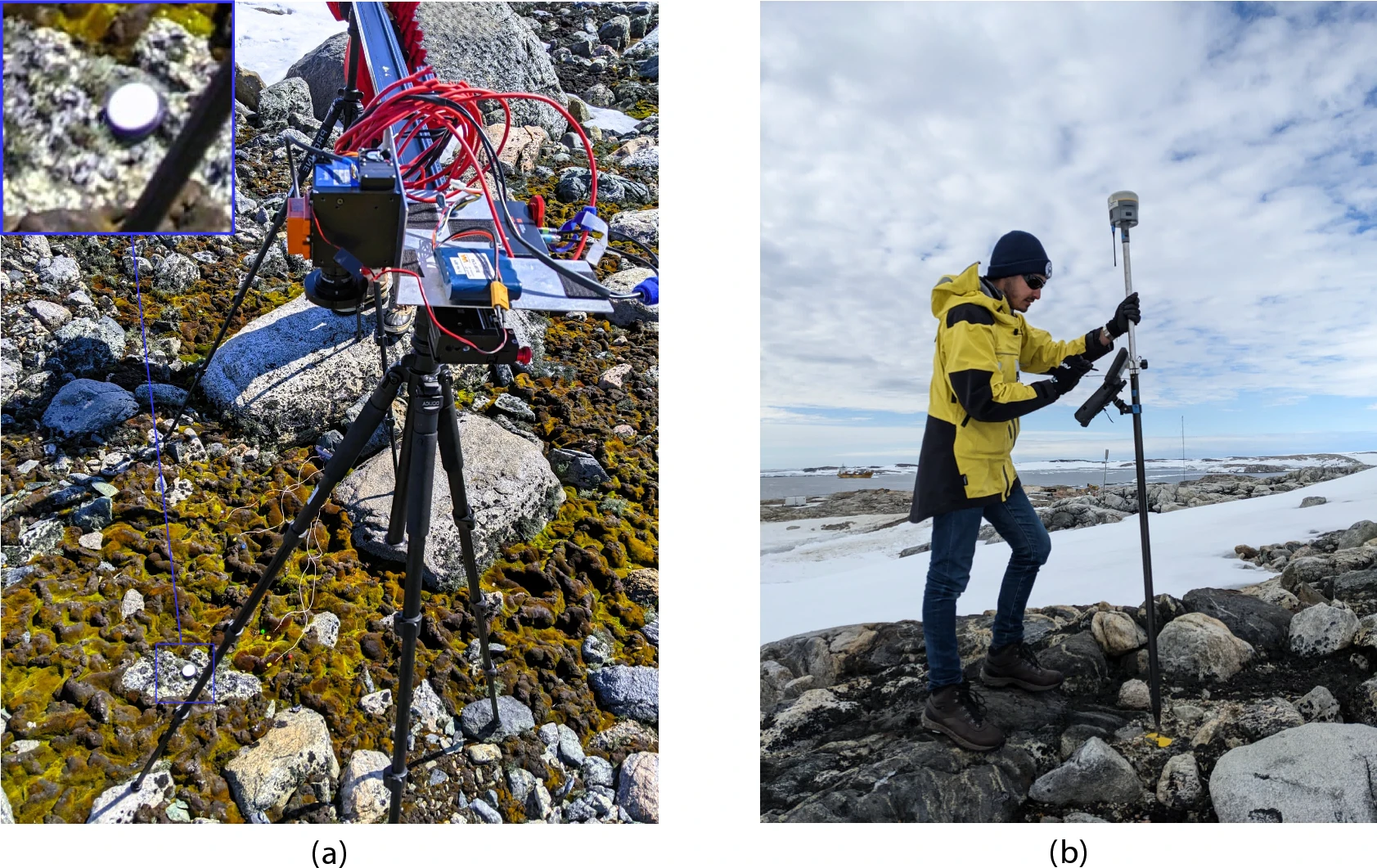
    GNSS and unmanned aerial vehicles (UAVs) have revolutionized precise mapping in polar regions. For a team from Queensland University of Technology (QUT), UAVs enabled a flexible platform for deploying hyperspectral imaging (HSI) sensors and collecting high-resolution data, enhanced by GNSS with real-time kinematic (RTK) to ensure accurate geolocation for reliable vegetation analysis.

    The team turned to UAVs to meet the unique challenges of monitoring Antarctic vegetation. Harsh conditions, remoteness, limited access and climate variability make traditional field surveys time-consuming and costly. Worse, they risk disturbing sensitive vegetation, explain the researchers.

    What Grows There. Antarctica’s terrestrial ecosystems are home to freeze-tolerant vegetation like mosses and lichens, which play a crucial role in biogeochemical cycles, soil insulation and supporting biodiversity. These organisms underpin the continent’s fragile ecosystems, increasingly threatened by climate change, extreme events, and human activitiees.

    While satellite imagery enables large-scale observations, its limited spectral and spatial resolution, alongside cloud interference, constrains fine-scale vegetation analysis. HSI captures a broad wavelength range, enabling discrimination of vegetation by their spectral signatures. Multispectral imaging (MSI) data, such as that from Sentinel-2, is also being explored.

    Each technology contributes uniquely:

    • GNSS RTK provides georeferencing
    • Machine-learning techniques enable precise segmentation
    • UAVs offer flexible spatial coverage and high-resolution datasets.

    However, unless these elements are integrated, mapping accuracy diminishes. Moreover, limited validation of spectral libraries and simulated imagery against field data restricts the reliability of remote sensing outcomes.

    The team’s study addresses current gaps by building on the UAV-based HSI workflow that incorporates ground-based HSI data and MSI. “We expand this approach by integrating UAV-captured HSI data to enhance remote sensing capabilities in polar environments,” researchers explain. The updated methodology combines UAVs, high-resolution red, green, blue (RGB) imagery, and ground and aerial HSI data with machine-learning-based semantic segmentation.

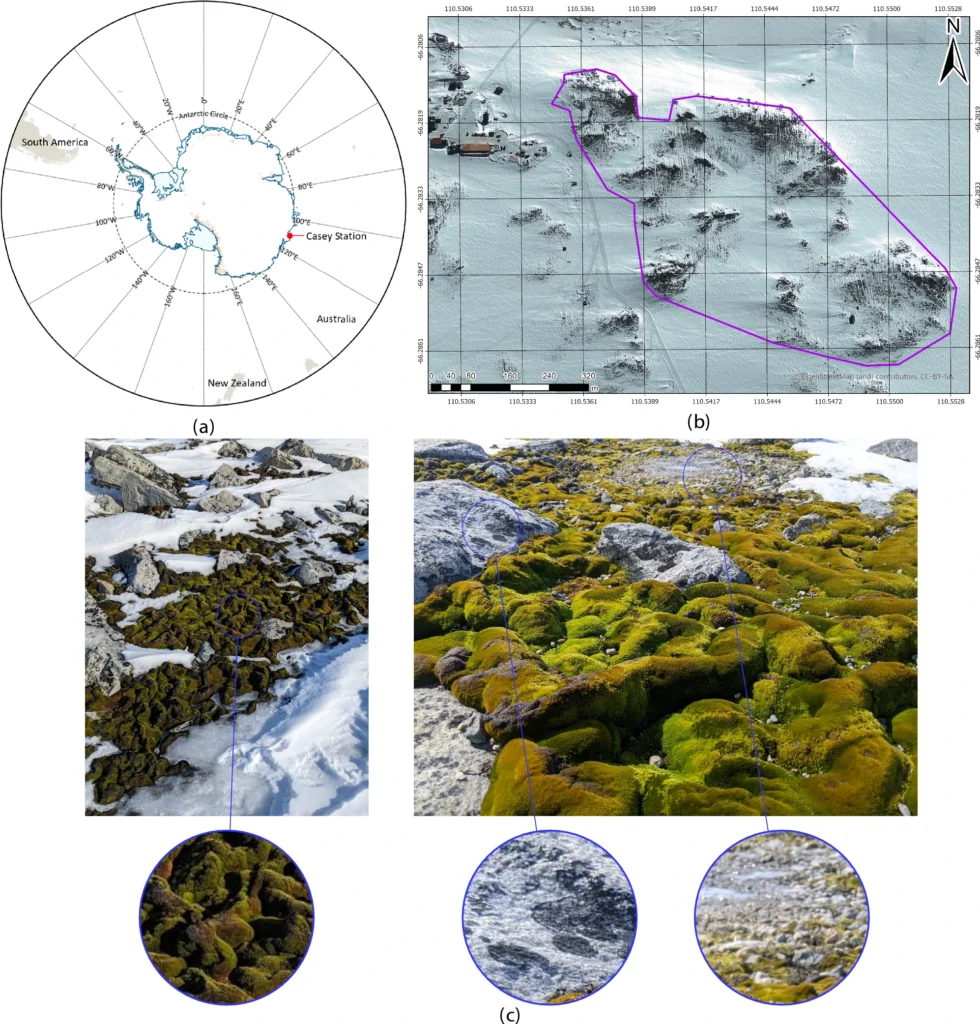
    The new workflow was evaluated in Antarctic specially protected area (ASPA) 135, Windmill Islands, East Antarctica, focusing on lichen detection and moss health mapping (Fig. 1).

    Photo:
    Location of ASPA 135 (6616’60” S, 11032’60” E) and studied vegetation. (a) Map of Antarctica showing Casey Station’s location using the Polar Stereographic Projection. (b) Map delineating ASPA 135 (purple) near Casey Station (top left). (c) Ground-level imagery of moss and lichen at ASPA 135, along with surrounding rock and ice formations. (Credit: QUT)

    Read the full study, “Drone hyperspectral imaging and artificial intelligence for monitoring moss and lichen in Antarctica,” on the Scientific Reports website.

  • Advancing earthquake prediction with a UAV

    Advancing earthquake prediction with a UAV

    Researchers demonstrate a seaplane-type UAV using GNSS-A can precisely measure seafloor deformation

    Megathrust earthquakes are large earthquakes that occur on faults found along the boundaries between tectonic plates. The Nankai Trough is a megathrust earthquake zone lying off the southwestern coast of Japan, and experts estimate that this zone could generate a potentially devastating (magnitude 8 or 9) large earthquake sometime in the next 30 years. A seismic event of this magnitude could trigger cascading hazards such as destructive tsunamis.

    Developing the technologies for efficient and reliable seafloor monitoring is paramount when considering the potential for socioeconomic harm represented by megathrust earthquakes. Traditionally, seafloor measurements have been obtained using transponder stations on the seafloor that communicate with satellites via buoys or ocean-going vessels to produce accurate positional information. However, data collection using such systems has problems such as low efficiency and speed.

    In a study published in Earth and Space Science, researchers at Institute of Industrial Science, the University of Tokyo, addressed the challenge of acquiring reliable, high-precision, real-time seafloor measurements by constructing a seaplane-type unmanned aerial vehicle (UAV) that can withstand ocean currents and wind. This vehicle is intended for use with the GNSS–Acoustic (GNSS-A) ― a system that uses satellites to determine locations on Earth ― to provide a communication link with seafloor transponder stations.

    “We conducted initial experiments in a water tank,” explains lead author of the study Yuto Yoshizumi, “and found that the proposed system can detect distances to an accuracy within 2.1 cm.”

    To further evaluate the system, at-sea trial tests were performed by landing the UAV on the sea surface off the coast of Japan under optimal sea conditions. “The results were hugely encouraging,” said senior author Yusuke Yokota. “These seafloor positioning measurements are the first ever achieved using a UAV, and we attained a horizontal root mean square error of approximately 1–2 cm, which is easily comparable to that of existing vessel-based systems.”

    The rapid real-time acquisition of seafloor information using the UAV system developed by the research team at Institute of Industrial Science, the University of Tokyo, is expected to provide the foundation for advanced research into earthquake disaster prevention. Such data are urgently needed given the speed and frequency of occurrence of megathrust earthquakes on the Nankai Trough.

    Full paper, DOI: 10.1029/2025EA004237.

  • Netherlands adopts Shield AI V-BAT for defense following Ukraine successes

    Netherlands adopts Shield AI V-BAT for defense following Ukraine successes

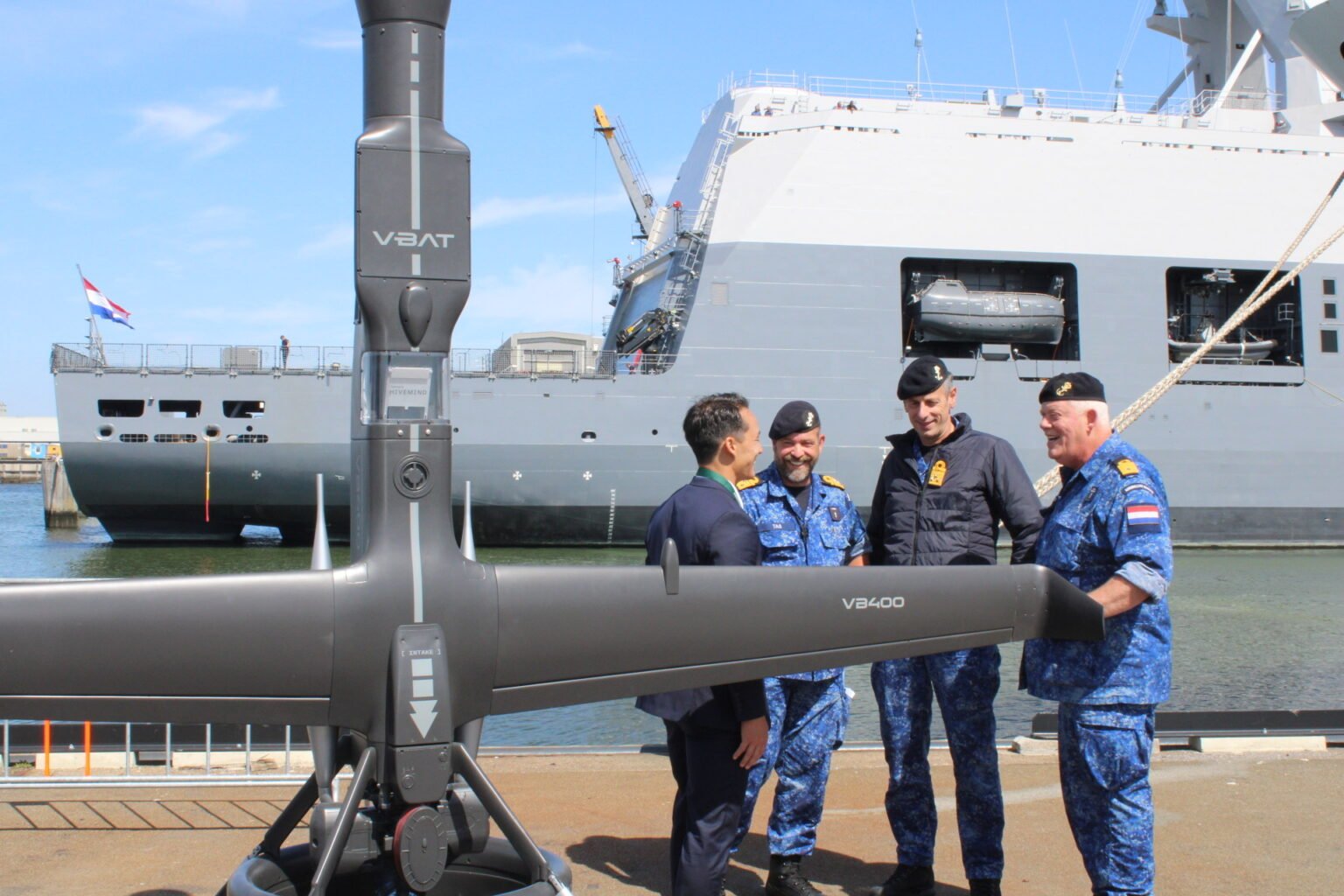
    The Netherlands Ministry of Defence has procured eight V-BAT unmanned aircraft systems from Shield AI to enhance maritime intelligence, surveillance and reconnaissance (ISR) operations for the Royal Netherlands Navy and Marine Corps. 

    The deal was publicly announced at the “Maritime Uncrewed” event hosted by the Royal Netherlands Navy in Den Helder, where officials highlighted the V-BAT acquisition as part of a broader effort to modernize the force.

    The navy’s decision was informed in part by V-BAT’s demonstrated success in Ukraine, where the platform is executing long-range, long-endurance ISR and targeting with independence from GNSS.

    According to Shield AI, the decision to procure V-BAT reflects a push to field battle-proven, autonomy-enabled systems capable of operating in contested environments and without reliance on GNSS for navigation or mission execution. 

    The navy’s decision was informed in part by V-BAT’s demonstrated success in Ukraine, where the platform is executing long-range, long-endurance ISR and targeting with independence from GNSS. V-BAT also conducted a successful month-long flight trial during NATO’s REPMUS 2024 exercise, where V-BAT conducted maritime ISR operations aboard the HNLMS Johan de Witt. That event helped validate the system’s shipboard performance and informed the Dutch Ministry’s decision-making process. 

    The V-BAT is a single-engine ducted-fan vertical takeoff and landing (VTOL) unmanned aircraft system operationally deployed across multiple regions worldwide. Its compact footprint and ability to launch and recover in confined spaces make it suitable for shipborne and austere environments, ensuring flexibility and resilience in complex missions.

    V-BAT has operated in GPS-denied and comms-contested environments. Its proven performance in regions like Ukraine, the Black Sea, and the Indo-Pacific demonstrates its ability to withstand advanced electronic warfare threats that have grounded many traditional drones. 

  • PPP GNSS delivers real-time positioning with centimeter accuracy

    PPP GNSS delivers real-time positioning with centimeter accuracy

    Precise Point Positioning (PPP) has long held promise as a standalone, high-accuracy positioning technique, but its slow convergence and complexity in ambiguity resolution have limited widespread use. Over the past decade, GNSS modernization (GPS, Galileo and BeiDou) has introduced multi-frequency, high-precision signals, enhancements that expand opportunities for precise positioning.

    Yet challenges remain, especially in environments with obstructed views or fast-changing motion. High-fidelity corrections and real-time performance are critical for sectors like smart transportation, robotics and disaster response.

    Further in-depth research is needed to refine PPP solutions and meet the demands of real-world, dynamic applications.

    A collaborative research team from Wuhan University and affiliated institutions has published a major study in the July 2025 issue of Satellite Navigation. The team developed and validated an enhanced PPP and PPP-RTK framework using next-generation GNSS signals and satellite augmentation services.

    The study evaluated the performance of BDS-3’s PPP-B2b and Galileo’s HAS services across a variety of experimental settings, revealing dramatic improvements in positioning accuracy, convergence time, and reliability.

    These breakthroughs offer a practical roadmap for deploying real-time high-precision navigation at global scale.

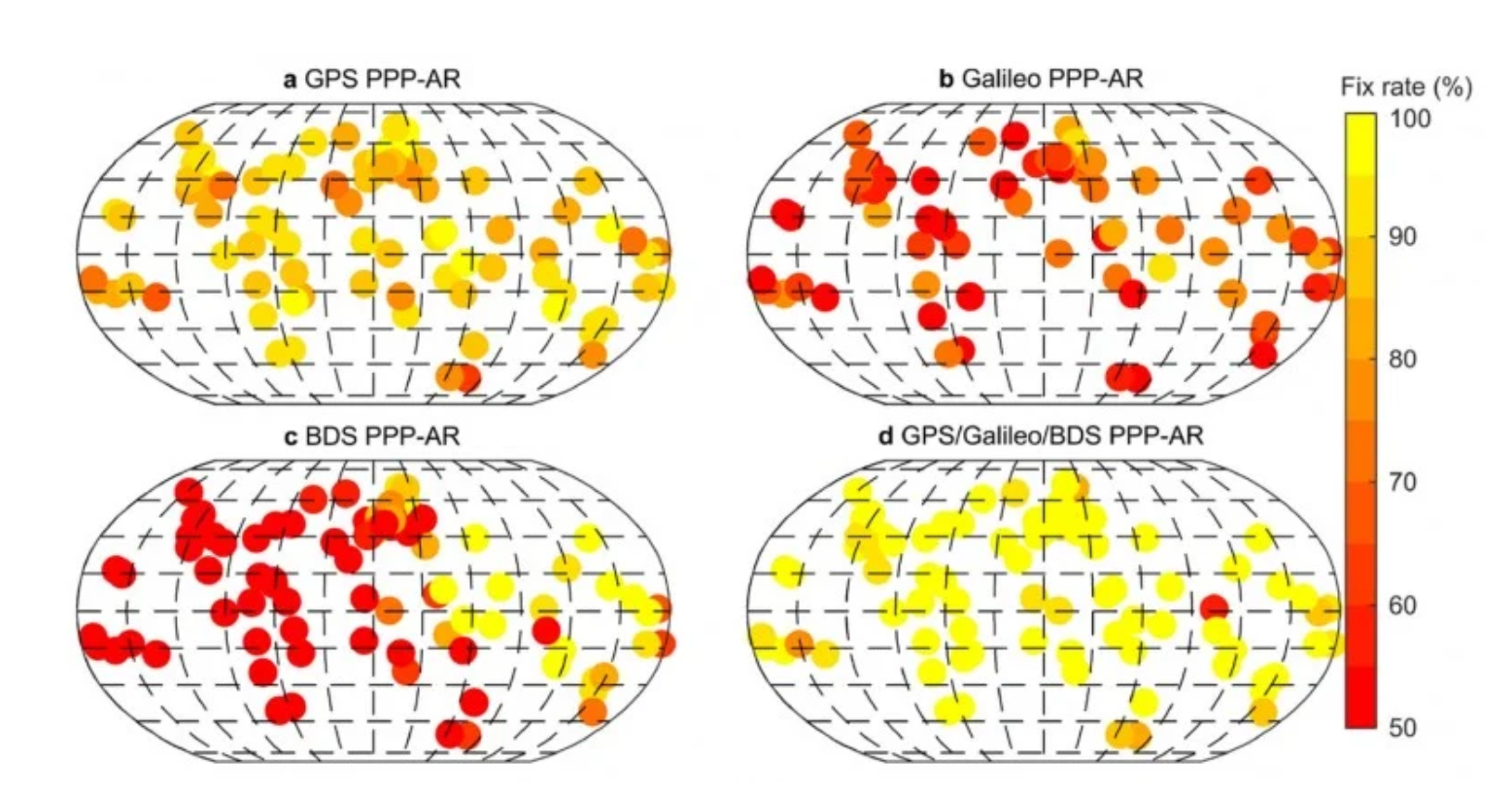
    The researchers constructed an integrated precise point positioning with real-time kinematic (PPP-RTK) system incorporating real-time atmospheric corrections, observable-specific bias (OSB) products, and multi-constellation satellite data. Through extensive global experiments, they demonstrated that a combined GPS/Galileo/BeiDou configuration reduced static convergence time to under 5 minutes while achieving horizontal accuracy below 2 cm. In dynamic tests — including a real-world vehicular trial in Wuhan — PPP-RTK achieved sub-5 cm accuracy with instant or near-instant convergence, even under rapidly changing observation environments.

    These systems proved especially effective when paired with atmospheric modeling techniques like Kriging and distance interpolation. With fix rates exceeding 98%, the results underscore PPP-RTK’s readiness for mission-critical applications in rapidly changing environments.

    Additionally, the study evaluated augmentation services: the BeiDou PPP-B2b and Galileo High Accuracy Service (HAS). Both were found to significantly accelerate convergence (to under 15 minutes and 100 seconds, respectively) and deliver decimeter-level accuracy in kinematic scenarios.

    “This study marks a turning point in the quest for real-time, high-accuracy positioning,” said Xiaodong Ren, lead author and professor at Wuhan University. “By merging advanced GNSS signals, atmospheric corrections, and real-world testing, we’ve demonstrated that PPP-RTK can deliver fast, stable and highly accurate results — even in the most demanding environments. These capabilities are essential for the next generation of autonomous systems, from self-driving cars to drones and beyond.”

    The ability to achieve centimeter-level positioning accuracy quickly and without reliance on dense base station networks opens doors for a wide range of smart technologies, Xiaodong said. PPP-RTK has the potential to reshape industries such as precision agriculture, surveying, transportation logistics, and unmanned systems.

    This study provides a robust framework and empirical validation for real-world adoption of high-precision GNSS applications, according to the authors. “As satellite constellations and augmentation services continue to evolve, PPP-RTK is poised to become the foundation of global positioning solutions — reliable, scalable, and ready for deployment in tomorrow’s connected world,” Xiaodong said.

    DOI: 10.1186/s43020-025-00169-6

  • HBK shrinks tactical-grade navigation into a 15g GNSS/INS

    HBK shrinks tactical-grade navigation into a 15g GNSS/INS

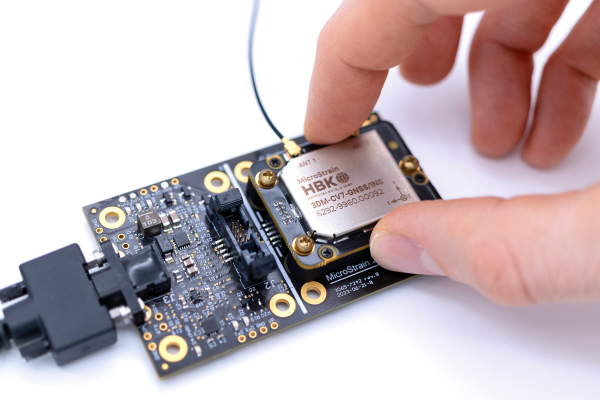
    MicroStrain by HBK has launched the 3DM-CV7-GNSS/INS, an ultra-compact, tactical-grade inertial navigation system (INS) designed for seamless integration into space-constrained platforms.

    Combining advanced inertial technology with tightly coupled, onboard dual-frequency GNSS receivers, the 3DM-CV7-GNSS/INS delivers the precision and reliability needed for navigation and localization in dynamic environments, particularly those where GNSS signals may be weak, intermittent, or denied altogether.

    From autonomous robotics to drones and unmanned ground vehicles, this new solution helps engineers overcome one of the toughest challenges in modern navigation: achieving consistent, high-quality data in challenging conditions.

    Weighing 15.6 grams and measuring 38x30x10mm, the 3DM-CV7-GNSS/INS offers tactical-grade performance without size, weight, or cost trade-offs. Its user-friendly functionality, adaptive extended Kalman Filter, and full industrial temperature calibration deliver robust and reliable data acquisition across a wide range of real-world scenarios.

    Engineers benefit from the sensor’s compatibility with open-source platforms such as PX4 and ROS, which enables faster development cycles and easier integration into existing architectures.

  • Agilica developing complementary PNT system for drone landings

    Agilica developing complementary PNT system for drone landings

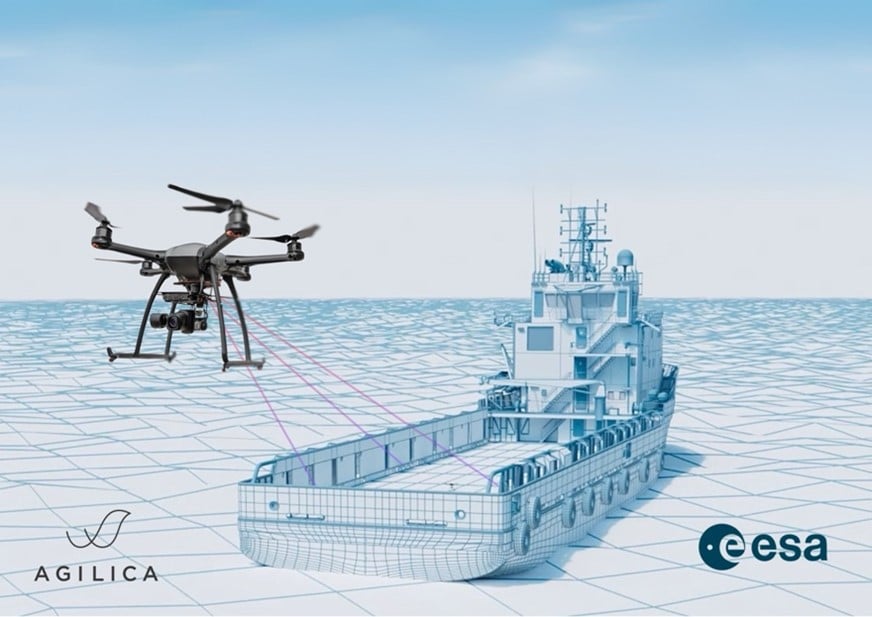
    Agilica BV has completed a feasibility study to develop a complementary PNT (positioning, navigation, timing) system that would enable precision drone navigation and landing in environments where GNSS signals are degraded or unavailable.

    Funded by the European Space Agency, the study validates the technical and commercial viability of the AGL system. The system integrates GNSS receivers into the infrastructure for seamless transition to and from GNSS in high-impact applications, including drone landings on moving vessels, operations in indoor facilities, and autonomous deliveries in complex urban or offshore environments.

    “Landing a drone on a moving ship in dynamic conditions is one of the toughest challenges in drone autonomy,” said Bart Scheers, Agilica’s COO. “Our AGL system is built to solve this — not by replacing GNSS, but by augmenting it. This feasibility study confirms that our patented UWB approach can extend PNT services, with sub-20 cm precision in GNSS-denied zones.”

    The AGL system is based on time-of-flight ultra-wideband technology and functions like a dedicated terrestrial GNSS network to deliver centimeter-level accuracy and resilience in GNSS-compromised environments where vision-based systems and QR codes fall short, according to the company.

    The study represents a critical step on the commercialization roadmap of Agilica’s core product — the AGL system — by adding built-in compatibility with GNSS and Galileo High Accuracy Service to its ultra-wideband positioning solution for drones in the maritime, logistics, and urban air mobility sectors.