Author: Tony Murfin

  • A look at new FAA-compliant UAV detection software and thrust-vectoring drones

    A look at new FAA-compliant UAV detection software and thrust-vectoring drones

    FAA regulations require drone enthusiasts and commercial operators to equip their unmanned aircraft with approved remote identification (RID) capability. Following the FAA’s deadline on March 24, 2024, each registered drone in U.S. airspace is required to transmit its location, operator information, altitude, velocity and registration code. This data can be utilized to identify the drone’s operator. Additionally, most drones will need to include a timestamp for data synchronization and an emergency status indicator if necessary.

    As a concession to purely recreational drone flyers, the FAA allows local organizations to designate and register an area as a reserved location for drone flying — an FAA-recognized Identification Area (FRIA) — and drones flown only in such locations are exempt from the RID regulation. As of September 2023, manufacturers are required to only sell drones with RID capability, and owners of older drones can purchase RID devices to add to their equipment. Some come with an internal GPS, but others connect to existing onboard GNSS receivers.
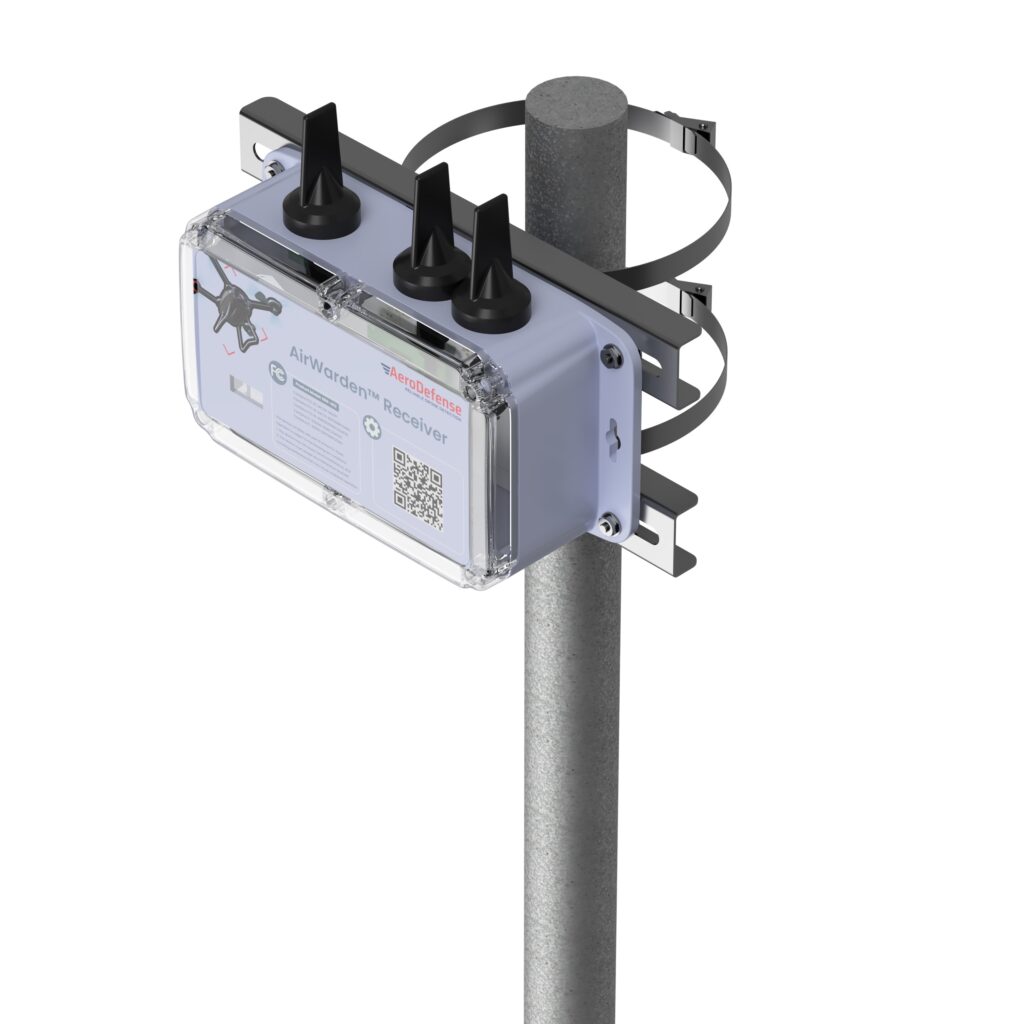
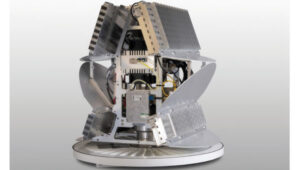
    AirWarden pole-mounted receiver (Photo: AeroDefense)
    AirWarden pole-mounted receiver (Photo: AeroDefense)

    Given this RID-equipped population of drones, AeroDefense in Oceanport, New Jersey, has come up with an inexpensive way of locating legal drones and providing tracking information by providing an area monitoring system. Drone incursions into controlled airspace are not all malicious in nature— in fact, most have turned out to be accidental. So, a low-cost capability, such as the AirWarden Essential system, can be helpful to many facilities wishing to know what drones are in their airspace.  

    An AirWarden receiver mounted on a pole with a clear view of the sky above the monitored area can capture broadcast transmissions from drones flying overhead. the information is transmitted to a display system that highlights RID-equipped drones in the monitored area, showing not only the altitude and direction of the drones but also the operator’s identity and the location from which the drone was launched. The data can be downloaded to the internet, so facility personnel can also receive incursion warnings remotely, if they happen to be away from the facility. Otherwise, the system provides real-time alerts to your chosen display, along with a tracking history and the location of the launch point.

    AeroDefense identifies several key locations for this system, including correctional facilities, venues such as stadiums and large outdoor gathering spots, airports, military bases, critical infrastructure such as power and water distribution centers, and industrial complexes.

    What about non-RID drones, which can spy on technology, gather sensitive information, conduct reconnaissance of military facilities, smuggle contraband into correctional facilities, or even damage infrastructure? These drones can operate outside the law and evade FAA regulations. AirWarden indeed offers extensions that facilitate RF detection of both drone control and data transmissions, along with tracking the direction of drone movement. Combined with radar, the system becomes a robust detection solution for both RID and non-RID drones.


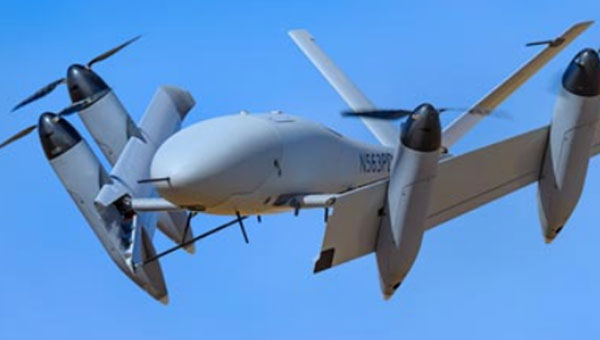
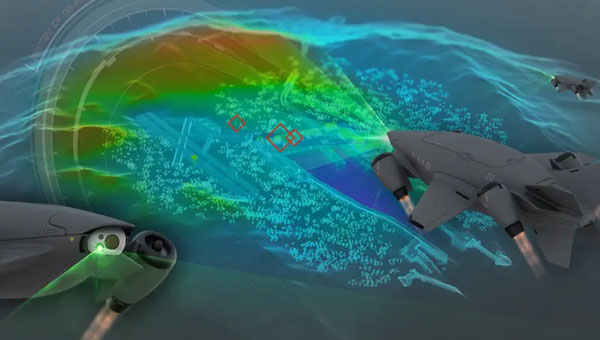
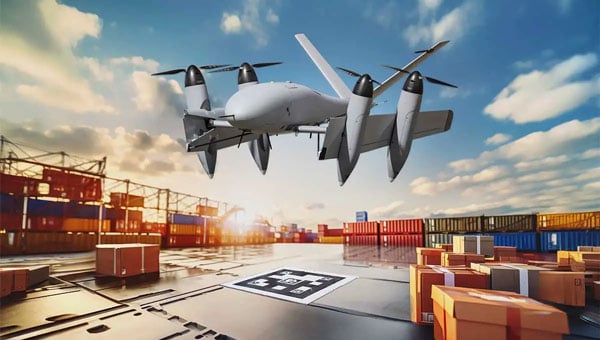
    Mayman Aerospace in Long Beach, California, has developed a jet-powered vertical take-off and landing (VTOL) cargo drone. It needs only 10’ x 10’ to take off and land, and in flight, it is claimed to be able to reach 500mph (Mach 0.75) and operate at 20,000 ft.
    Razor VTOL drone with vectoring jet-powered thrust. (Photo: Mayman)
    Razor VTOL drone with vectoring jet-powered thrust. (Photo: Mayman)

    The Razor VTOL features gimballed, jet-powered thrust for takeoff and landing and a high-speed sprint speed for fast deliveries on the battlefield. The initial application might be for the Department of Defense, but Mayman anticipates that other commercial applications already exist for rapid 50-lb cargo transit.

    And Mayman describes other capabilities as including artificial GPS-denied navigation and autonomous control for reliability and accuracy in areas where signal jamming is present. The aircraft has an automatic abort/land capability in the event of catastrophic failure.

    This new intelligent vehicle appears capable of various applications, including fast cargo transit, Intelligence, Surveillance, Target Acquisition and Reconnaissance (ISTAR), disaster recovery, serving as a low-cost maneuverable airborne target for pilot training and even functioning as an attack drone.


    While recent sky-filled drone incursions have been highly reported and publicized, another means to help detect and locate their operators cannot come at a better time. The AirWarden system appears to have a lot of promise, notwithstanding that radar, RF and acoustic detection systems may also be required for “illegal” drones. Thrust-vectoring, cargo carrying and autonomy in a drone are not just a novel combination, these capabilities do appear to have a great deal of promise for both military and commercial operations.
  • New technologies to improve VTOL and drone deliveries

    New technologies to improve VTOL and drone deliveries

    A brand-new innovation in the world of unmanned aircraft is becoming more rare as the industry matures. However, a Denver, Colorado company has been innovating continuously since 2017, patenting a new approach to vertical take-off and landing (VTOL) for a different, ground-breaking design.

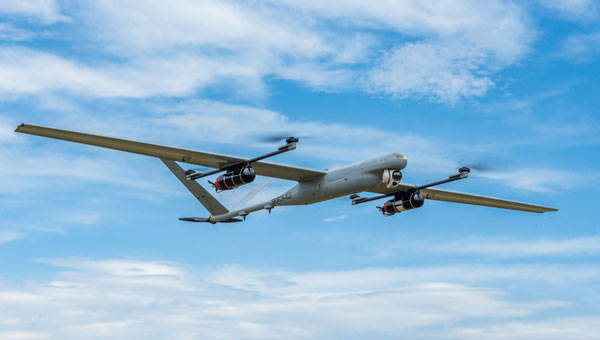
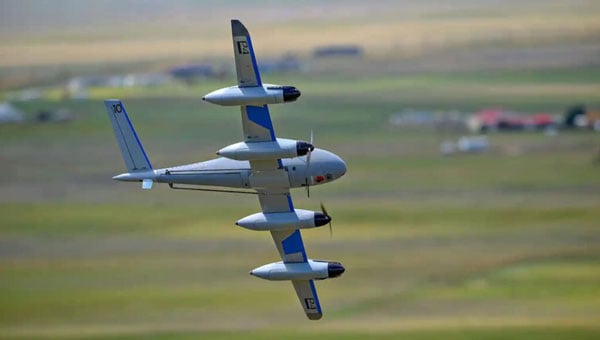
    The PteroDynamics’ Transwing UAV is not only autonomous but also uses a folded wing design that enables vertical take-off and virtually seamless transition to horizontal flight — sometimes compared to the simplicity of how a bird unfolds its wings to become airborne.

    Transwing UAV climbs out on another logistics mission. (Photo: Ptero)
    Transwing UAV climbs out on another logistics mission. (Photo: Ptero)
    Transwing in forward flight. (Photo: Ptero)
    Transwing in forward flight. (Photo: Ptero)

    According to the company, Its unique “transverse, folded wing design” allows an extremely fast change from vertical to horizontal flight without almost any loss of momentum. Then horizontal flight can be rapid, with four powerful electric motor-driven props providing an initial dash speed of up to 100 knots, an economic cruise of 65 knots with the two outer props neatly folded out of the slipstream, and a range of 60 nm. However, endurance is not so hot currently.

    Throughout the years, Ptero has carefully protected Transwing technologies by filing many patents — four of which have been granted and 15 are pending — in 11 jurisdictions around the world.

    The target applications have been shore-to-ship, ship-to-ship, and ship-to-shore automated cargo transport of essential small packages (up to 15 lb) for fleet sustainment. The U.S. Navy has now contracted to evolve the existing P4 UAV variant to a P5 design carrying 50 lb payloads. This recent development contract is anticipated to result in a fully loaded 350 lb vehicle with around 400 nm range and an enhanced endurance of up to 10 hours, using a hybrid gas/electric power plant.

    The U.S. Navy has observed the operation of earlier Transwing versions during several exercises, including an October 2023 demonstration off the deck of USNS Burlington in Key West, Florida. Then again, in June 2024, off the deck of the USS Curtis Wilbur guided-missile destroyer while the ship was at sea around Hawaii. In this latest demonstration, three Transwing vehicles flew 12 autonomous flights, each carrying around 15 lb cargo, with more than 20 knots winds during takeoff and landing. Although labeled as “flying autonomously,” two Transwing aircraft were controlled by one operator. Ptero says that flights from take-off to landing were fully autonomous – so load the route and operational parameters and go – this appears to be how they were flown.

    Photo: Ptero
    Photo: Ptero

    The unique transition mechanism appears to involve cables or rods pulling each wing around a pivot, which seems to have a cog simultaneously traveling along a ramp inside the fuselage end of each wing—effectively moving both wings from a stowed to horizontal position. However, this is just a supposition, as Ptero did not provide details.

    Ptero also has big plans for a P7 huge cargo Transwing — 3,600 lb loaded weight, 620 lb payload, 1,000 nm range, and 9 hours endurance.

    A fascinating new UAV initiative, which has the potential to not only fulfill the U.S. Navy’s need for essential small package delivery at sea but also fill this need for other friendly navies around the world. Afterward, hopefully, the many thousands (118,928 Merchant Ships) of commercial ships plying the oceans worldwide might want essential package transport. And once the barrier to the commercial market is broken, perhaps many other long-distance transport applications could emerge.


    Meanwhile, Amazon is having a few difficulties with drone deliveries in College Station, Texas. Residents have been complaining about noise from drones performing over 600 round trips daily, so Amazon has recently discontinued its drone deliveries.

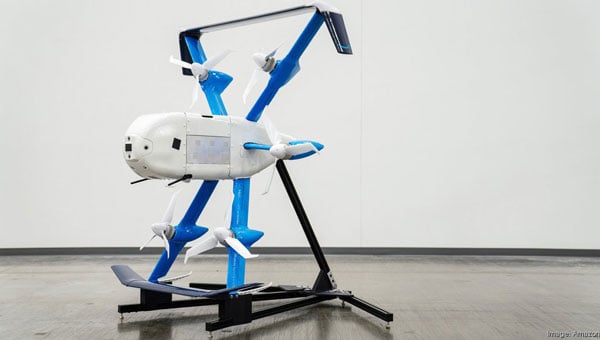
    Amazon MK30 drone is quieter (Photo: Amazon)
    Amazon MK30 drone is quieter (Photo: Amazon)

    With an improved propeller design, Amazon claims its new MK30 drone is around half as noisy as before, and the company intends to resume operations when new software changes aimed at improvements to enhance safety are available. The MK30 also has twice the range and is equipped with sense and avoid capability.

    The company shared that two drones collided during testing at the Amazon private testing location. Analyzing and correcting this issue has taken a while, but quieter, safer deliveries are expected to resume shortly in Phoenix, Arizona and Texas.


    A new VTOL vertical to horizontal UAV transition capability leading to ship-to-shore essential package deliveries is apparently in the early stages, and another few teething troubles for Amazon package deliveries — signs that there is still lots of life in this industry.

  • What’s going on with these UAV sightings?

    What’s going on with these UAV sightings?

    Photo: Jeremy Poland / E+ / Getty Images
    Photo: Jeremy Poland / E+ / Getty Images

    It cannot be denied that people are seeing more objects flying in the night sky. It is suspected that these are unauthorized UAVs collecting information over U.S. and international military bases and, well, also over people looking up at the sky in their backyards at night. It is unlikely that these unidentified flying objects are causing much harm to the civilian population other than being a curiosity. However, it remains unclear what they might be doing over military installations.

    In November and December 2024, numerous reports emerged of UAVs surveilling residential neighborhoods, restricted zones and critical infrastructure across the Northeast United States. This includes areas such as water storage facilities, transmission lines, railway installations, police departments — both local and federal — and military bases.

    Military bases reporting UAV overflights included Wright-Patterson Air Force Base in Ohio, Picatinny Arsenal and Naval Weapons Station in New Jersey and Ramstein Air Base in Germany. In the UK, Royal Air Force (RAF) bases at Lakenheath, Mildenhall, Feltwell and Fairford in the South of England all reported unauthorized UAV overflight activity, which is somewhat concerning for nuclear weapons bases in Europe. Lakenheath appears to have scrambled F-15s to investigate one such UAV incursion.

    Detecting and mitigating threats

    In the United States, the increased intensity of UAV sightings has residents and Congress concerned, while various authorities claim that most of these incidents are harmless. A joint statement by the Department of Homeland Security, the Federal Bureau of Investigation, the Federal Aviation Authority (FAA) and the Department of Defense stated:

    “Having closely examined the technical data and tips from concerned citizens, we assess that the sightings to date include a combination of lawful commercial drones, hobbyist drones, and law enforcement drones, as well as manned fixed-wing aircraft, helicopters, and stars mistakenly reported as drones. We have not identified anything anomalous and do not assess the activity to date to present a national security or public safety risk over the civilian airspace in New Jersey or other states in the Northeast.”

    Nevertheless, these agencies reported, “Local commanders are actively engaged to ensure there are appropriate detection and mitigation measures in place.”

    No other major announcements have followed these incidents, but it would seem logical that military bases have begun activating existing detection and defensive systems. Known countermeasures may include specialized radar, laser, optical, acoustic and radio frequency (RF) detection and defensive systems.

    Radar always has been employed to detect airborne intruders, and the reflections from them appear on a display, which the ground user can then align with a range of potential defenses. However, UAVs are generally small, while conventional radar is designed to pick up hefty reflections from the surface of full-size commercial and military aircraft.

    Photo: Robin Radar Systems
    Photo: Robin Radar Systems

    Robin Radar Systems

    Robin Radar Systems in Holland has worked to refine radar that can detect small flying objects. Birds can cause havoc at airfields where aircraft take off and land at high rates, so detecting birds for airfield operators is one angle for which Robin Radar Systems has developed a reflection capability. A large bird and a UAV might be very similar in size. To differentiate the two, the company found a way to see a Doppler effect (speed differences) within a radar return, which indicates the spinning rotors of a UAV rather than flapping wings — a system they term micro-Doppler radar. This detection system works to find objects many miles away and at well-defined approach angles from the radar antenna. Therefore, these X-Band radars are mostly based at the places you want to protect, such as airfields. Some radars also can be packaged to be transportable, perhaps for military applications, where a temporary base needs to know if enemy attack UAVs might be on their way.

    Other principal detection systems include “sniffing” RF frequencies to detect UAV control signals, but this has a shorter range than radar and does not easily determine distance or approach angle without several triangulating bases. Additionally, of course, UAVs without control signals cannot be detected with this particular RF technology. Optical systems using still/video/infrared (IR) cameras are good in daylight, but not so good in the dark. Acoustic systems use microphones or an array of microphones to listen for rotor sounds but have a shorter range (less than 1/3 of a mile).

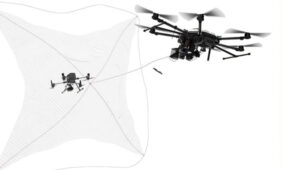
    Then, if you have suitable defensive capabilities, you could either take down an unwanted UAV by flying a counter-UAV to collide with and destroy it or by trapping it in a net. In a military situation, many UAVs have been shot down by various types and calibers of guns — and even by very expensive missiles. Electronic defenses include jamming guidance and/or control signals by transmitting signals that overcome and scramble the GNSS and/or control signal or by frying its electronics using high-power microwave transmissions or high-powered laser(s) — these last two systems are expensive and heavy, which makes them cumbersome.

    Spoofing the on-board GNSS receiver by transmitting false satellite signals to steer the UAV away from its target recently has been used by Ukrainian forces to steer attack UAVs back into neighboring countries.

    GNSS jamming is widely used, and there are numerous equipment suppliers; however, spoofing systems are less common due to their additional complexity and cost. Some RF systems can collect data from the opposing UAV and even detect where the operator might be located.

    Of course, not all UAVs straying into restricted airspace come from operators with bad intentions — some might be “Sunday-driver” recreational UAV flyers who have allowed their UAVs to stray into the wrong area. This is another reason the FAA requires formal UAV operator training and certification for commercial operations, but this is not required for recreational UAV flyers.

    DroneHunter drone net capture system. (Photo: Fortem Technologies)
    DroneHunter drone net capture system. (Photo: Fortem Technologies)

    FAA regulations

    The FAA regulations for UAVs are fairly easy to understand, and it would probably take an intentional effort to fly unauthorized into restricted airspace. Otherwise, stay at or below 400 ft, don’t exceed 100 mph, don’t go where you shouldn’t, file a flight plan — ask permission using the automated FAA LAANC online tool — but always stay within visual range of the UAV. Those are most of the basics. Additionally, to operate a UAV commercially, you must also register it with the FAA and install an electronic device to tell everyone in the surrounding airspace the drone’s registration number, which is traceable to the owner/operator. Never fly near clouds, comply with local rules when flying recreationally, and never, ever fly into restricted airspace, particularly around airports, without prior authorization.

    These multiple reported UAV incursions violate FAA regulations, so it is reasonable to assume the operators are deliberately flying illegally. Recreational flying requires the operator to see the UAV at all times — so flying at night is not legal either, as the rules state not to fly an hour after sunset or an hour before sunrise. Operators in restricted airspace are committing a crime punishable by fines and/or years in prison. Yet they still fly, so are they nuisance operators who don’t care or is the activity criminally motivated or orchestrated offshore?

    Utilizing UTM

    Would the coming unmanned aircraft system traffic management (UTM) have been able to keep these intruders away? I am not sure, but UTM is designed to manage UAV traffic, so presumably, it could manage these UAVs to comply with traffic requirements. However, these intruders are already ignoring existing laws, so UTM may more readily enable the identification of rogue UAVs and operators. Recent tests at the FAA/NASA UTM test range in North Texas have drawn huge interest from Walmart and Amazon, as they push to get UAV package delivery working. Wing now delivers for Walmart using a production UTM system in Dallas and Fort Worth, Texas.

    To wrap this up, amongst many recently reported unidentified flying objects, several have been identified as probable UAVs, and some of those over restricted areas could be detected and managed with existing technologies. FAA regulations ban flights in restricted airspace unless approved — i.e., working in coordination with those ground facilities. There are UTMs for UAVs already being used commercially, which could assist in managing all UAVs.

  • UAS updates: Advancements in integration, new UAV approvals and more

    UAS updates: Advancements in integration, new UAV approvals and more

    Unmanned Traffic Management (UTM) is an air traffic management system for UAVs and other unmanned air taxis or similar aircraft. In the United States, this is in airspace below 400 ft, avoiding other airborne traffic — including other UAVs — and informing authorities of your intended flight plan and how you execute it versus the posted plan.

    Where are we on getting such a system? Well, there is an entire directory of nearly 80 UTM suppliers, mostly commercial outfits that offer UAV traffic control of some description for some application – typically like surveying a limited area for construction or maybe a related military application. Few companies possess “full function” UTM capabilities, along with extensive expertise and experience. Each commercial flight needs the approval of the FAA, so software packages include an FAA application to fly and feedback of authorization for the flight plan, as well as approval of operator certification and UAV type. There are complex packages from third-party sources, including NASA-developed UTM, as well as independent commercial systems.

    So, how would that work across a major geographical area, such as the entire United States? The FAA and NASA have been working to establish how it could work, at least at a test site in Dallas, Texas.

    First, the industry participants in this trial who wanted to operate in the same area had to accede to cooperate. Agreements were signed and means were established for data to flow between the participants, their drones and the FAA (the North Texas Shared Airspace Implementation).  The limits of the area near Dallas/Fort Worth for the trial were established as the boundaries in which the parties would fly and, in this case, complete deliveries. The players are Walmart, Amazon, Wing, Manna and ANRA, with FAA and NASA watching carefully.

    One of the principal actors in Air Traffic Management (ATM) is ANRA in Washington D.C., with offices in London, UK, and New Delhi, India. With more than 100 customers in 15 countries and more than 200 projects, their UTM/ATM systems are gaining wider experience in several different airspaces and differing traffic compositions. The system is evolving with wider applications as installations worldwide meet new requirements. AAM for eVTOL passenger-carrying aircraft provides mission planning, traffic deconfliction, vehicle tracking, constraints management, route authorization and vehicle registration. EVTOL aircraft will likely fly not only in and out of existing airports but also from new Vertiports specially built for short-hop eVTOL flights across cities. ANRA has already engineered a Vertiport Management System (VMS) to control unmanned and autonomous access to airports and Vertiports alike.


    Another unrelated development in the world of UAVs is the phenomenon of high-altitude platform station (HAPS) UAVs and their ground infrastructure. Although flying at altitudes on the edge of space, it is likely special provisions would be required within its associated UTM system to keep track and warn other high-altitude flyers. Nevertheless, the highest-flying commercial aircraft would probably be at an altitude nearly 30,000 ft below HAPS remote Stratospheric perch.

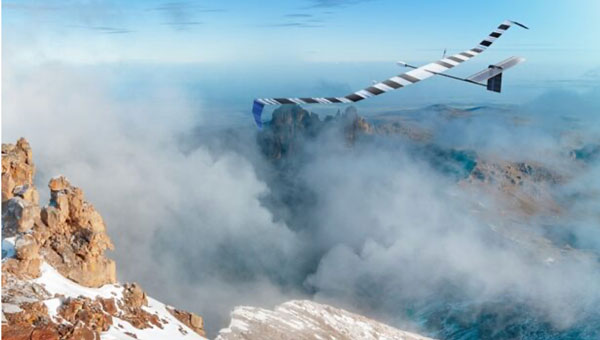
    Airbus Zephyr HAPS. (Photo: Aalto)
    Airbus Zephyr HAPS. (Photo: Aalto)

    Airbus company Aalto Haps, based in Farnborough, UK, is now responsible for the manufacture, operation and commercialization of the Airbus Zephyr HAPS vehicle line. Designed to fly for months at a time, with wings covered in solar cells for power, Zephyr has established a world record of 64 days on station in the Stratosphere, and aalot has a target to fly for 200 days regularly.

    So, what do you do with such a high-altitude, long-persistence platform? Well, it is like having your own satellite, which you can hang payloads on for tasks such as surveillance, disaster assessment and relief, border control, and numerous precision GNSS applications. With an apparent footprint of close to 3,000 square miles and an appropriate communications relay capability, you have a cell-phone tower in the sky. Perhaps even a partial equivalent to the Space-X Starlink space-based satellite communication service for provision of voice and internet, but seemingly far less infrastructure than the conventional 250 ground cell-towers needed for such an area.

    Places starved of phone and internet service — such as Africa — could greatly benefit from flying their kite and gaining wide area coverage. To demonstrate how this capability would work, Aalto recently established a presence in Laikipia, Kenya, building an AALTOPORT ground facility and working with the Kenyan civil aviation authority to qualify Zephyr and its communications role for operations in Kenyan airspace. It is, of course, opportune that Kenya’s location on the equator provides access to one of the most sunny days available to power Zephyr at altitude. Laikipia County is also on a raised plateau, providing Zephyr with an altitude advantage for initial launch. Incidentally, Aalto flew Zephyr for 13 days over Kenya to prove the point.

    With the facility in the UK able to build Zephyr-like UAVs every three months or so, Aalto aims to establish a number of hubs (such as the one in Kenya) around the world and operate a number of HAPS aircraft continuously, providing communications and all sorts of services commercially.


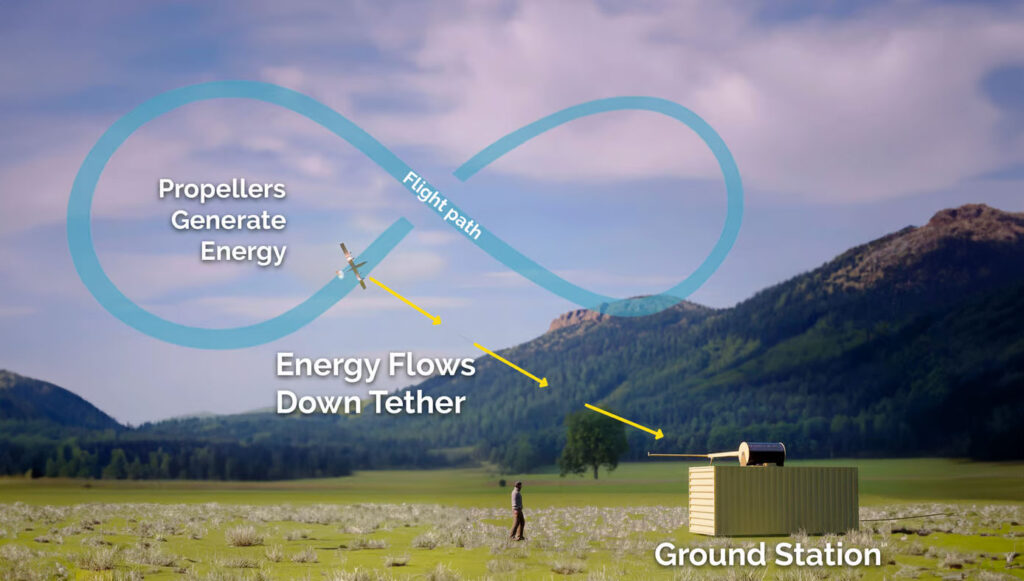
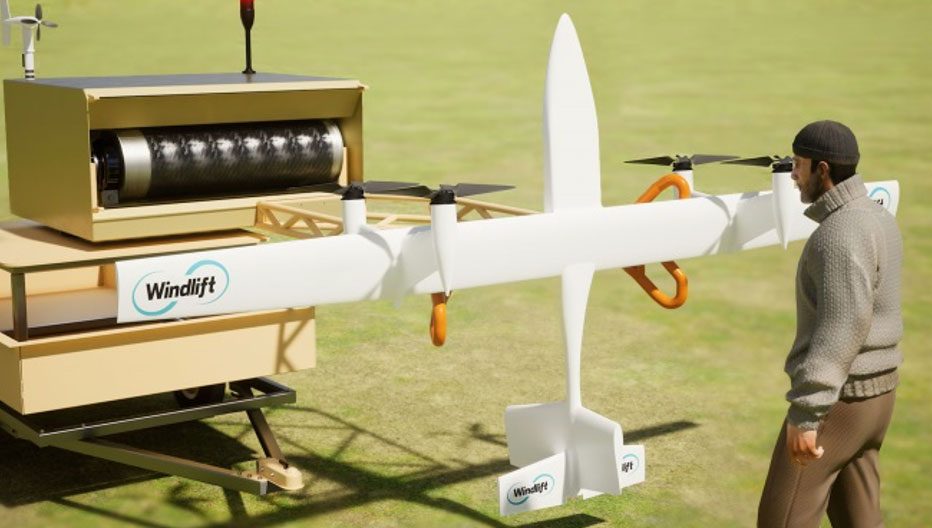
    A new startup is investigating the concept of putting a tethered drone in the air with specially designed propellers driven by electric motors. This combination then turns into electricity generators for a particular flight pattern.

    Windlift power generation cycle. (Photo Windlift)
    Windlift power generation cycle. (Photo Windlift)
    Transportable power generation. (Photo Windlift)
    Transportable power generation. (Photo Windlift)

    Initially focused on propeller design, Windlift was established in 2006 and is still based in Durham, North Carolina. Its approach is to use UAVs as a power source — flying repeatedly in a figure of eight, potential energy is converted to electricity in several non-powered phases of flight. The specially designed rotors turn to capture energy in those phases and their prop motors become generators of electric current, which is passed to the ground through the tether wire, to be ultimately supplied to the grid.

    However, this setup could be portable, making it suitable for a small military or research team in the field needing power. This portability could be related to a $30 million contract Windlift has received from the U.S. Naval Research Laboratory, which is interested in technologies that the Navy and Marine Corp could use. Under the contract, the building and testing of a working prototype and demonstration to the Department of Defense is required. According to Windlift, this is a successful result of several earlier, smaller Small Business Innovation Research contracts to helped develop the necessary technological elements of today’s system.

    Commercially, the UAV power generation approach appears to be extremely cost-effective versus the costs associated with today’s wind farms of huge wind turbines. Not only is the construction cost of each tower, its generator, and the huge blades very high, but the wear and tear of operations over time require expensive maintenance. Meanwhile, the UAV, while still in its infancy with lots of reliability and weatherproofing to be accomplished, has the potential to reduce power generation costs by up to 80%, Windlift said.

    This month’s UAS news indicates how UTM is well along the path towards managing UAV integration into the National Airspace System, HAPS high-altitude aircraft may be back in the news as Aalto moves forward with commercialization plans, and yet another application for UAVs appears to involve a new potential approach for power generation. A pretty wide range of unmanned requirements and applications.

  • Key updates in unmanned systems

    Key updates in unmanned systems

    Iran is in the process of initial field testing of a new drone aircraft carrier — the Shahid Bagheri — a converted container ship.

    Featuring an angled flight deck and ski-jump ramp, the ship seems well-equipped to launch large drones. Two additional drone-carrier vessels, the Shahid Mahdavi and Shahid Roudaki, have also been spotted during sea trials alongside this latest member of the Iranian Shahed drone-carrier fleet.

    The objective seems to enable Iran to extend its drone attack capabilities across the Gulf, which is likely to concern Israel, the United States, and their allies. Nevertheless, the drone-carrier vessels do not appear to possess advanced defense systems, nor are they accompanied by destroyers or equivalent support. As such, they may be highly vulnerable to drone attacks.


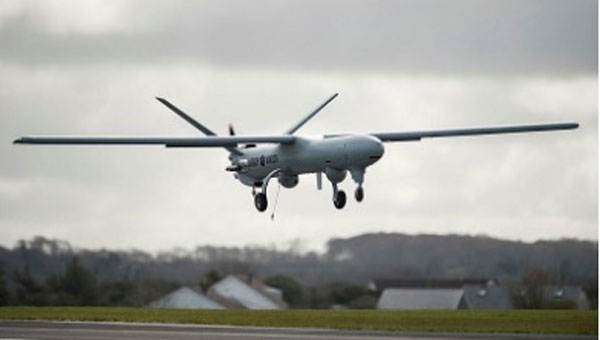
    In 2004, the UK launched the Watchkeeper drone program, led by Thales UK and Elbit Systems through their joint venture, U-TacS. The program was contracted for £700 million ($852 million), with the first flight expected in 2006.  It centered around the Elbit Hermes 450 drone with substantial modifications. The 2006 date slipped significantly as costs climbed through 2010, and authorization for military training only happened in 2014. However, the rollout for operational use was still delayed. During those initial tests, one in seven drones crashed in circumstances often associated with bad weather — not good for a drone designed and intended for all-weather operations. The trials were moved to locations with better weather conditions.
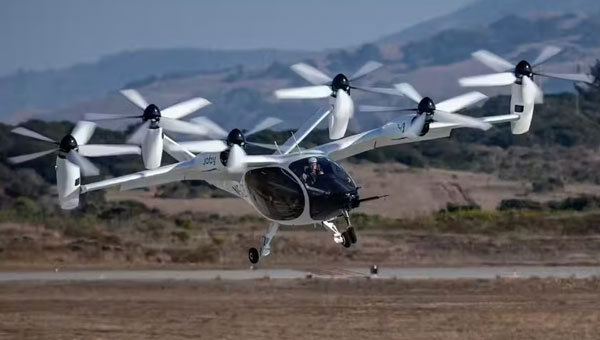
    Initially featuring limited surveillance and target acquisition capabilities, the Watchkeeper WK450 drone has been enhanced with upgrades that include synthetic aperture radar and ground-moving target indication, in addition to its original electro-optical/infrared sensor.

    Photo:
    Watchkeeper flight in April 2013. (Photo: UK MOD)

    The drone was used for English Channel patrol and for some uncontested airspace surveillance and targeting missions in Afghanistan. It was most recently fielded in NATO exercises in Estonia, flying in different weather conditions to verify airspace deconfliction and interoperability with Estonian air traffic control.

    Unfortunately, program delays, which have sometimes been associated with over 1000 additional UK requirements during the development cycle, difficulties in training, cost growth from the original £700 to an ultimate program cost of £1.35 billion ($1.64 billion), along with obsolescence brought on by the years of delays — these have all now doomed the Watchkeeper drone program to retirement, which the UK recently announced.

    Watchkeeper drones were eventually priced at $5.2 million each for a quantity of 45 to 54, for a task which today’s drones, costing maybe $30 thousand, are much more capable. A fate also perhaps brought on by the fantastic rate of evolution for today’s commercial drones versus the well-trodden, somewhat lengthy path of mil-spec development programs.


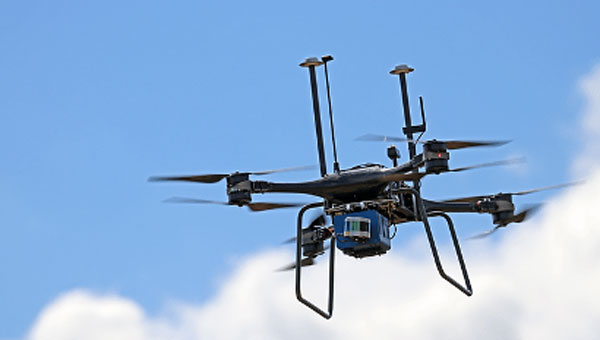
    The US Air Force has established an advanced technology test area at Eglin Air Force Base (AFB) — the Autonomy, Data and AI Experimentation Proving Ground. Near Earth Autonomy (NEA) recently worked with Eglin to demonstrate the capabilities of its Griff 135 multicopter drone and its autonomous avoidance capability.

    NEA has developed avoidance and autonomous navigation capability, which allows its drones to fly beyond visual lines of sight by knowing their location with respect to the environment around them. With optical and electronic sensors, the drone builds a point-cloud image of its surroundings on a separate computer from that which manages its autonomous behavior. The two systems interact to provide autonomous flight, including obstacle avoidance, take-off and landing, and, in several cases, the delivery of special cargo, such as blood and medical samples.

    In the case of the Eglin tests, the objective was for the Griff 135 to interact with a Service-Malory TRV-150 cargo drone operated by the 413th Flight Test Squadron. Now, we have a four-rotor cargo drone capable of carrying 150 lb of cargo and an eight-foot quadcopter capable of destroying each other in a potential collision. First, they are independent; one is manually operated, and the other has an autonomous capability. But who knows if it can see, detect, and avoid another fast-moving drone in the same airspace? So, the flight test had the two crossing paths to verify, detect, and avoid by NEA drone. Two flight sessions and the Griff-135 did a good job seeing, computing and executing multiple avoidance maneuvers.

    Photo:
    NAE UAV. (Photo: NAE)

    NAE was awarded a NASA Small Business Innovation Research grant for its autonomous aircraft inspection technology. Before a flight departs, one of the crew members inspects the aircraft, checking flight controls, lift surfaces, and tires for any damage or issues that could impact the upcoming flight or need maintenance later. Engineering personnel also conduct visual inspections, though perhaps not for every flight, to frequently verify the aircraft’s integrity.

    NAE has collaborated with NASA and Boeing to create autonomous software that allows their drone to conduct a thorough visual inspection of aircraft. The FAA mandates an inspection card outlining the requirements and the specific path around the aircraft for inspections. NAE has integrated these requirements into its drone, resulting in an automated inspection process that captures a high volume of detailed photographs from every part of the aircraft. This automated system completes inspections in approximately 30 minutes, in contrast to manual inspections, which can take up to four hours. The system is reportedly progressing toward the commercialization stage.

  • Recent advancements in unmanned systems

    Recent advancements in unmanned systems

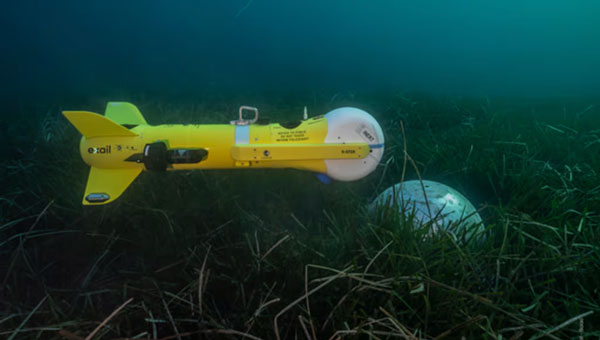
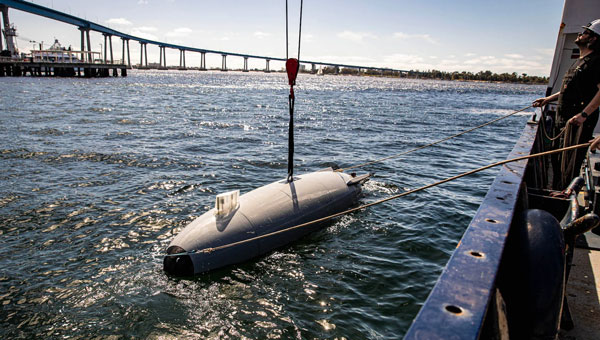
    Unmanned surface vessels (USVs) are becoming a reality for many sea-going countries around the world. Belgium and The Netherlands have partnered to acquire a proven autonomous mine-clearing solution supplied by Exail Technologies in Paris, France.

    A nearly $60 million contract awarded in July 2024 by NATO will allow Exail to deliver several hundred K-STER underwater vessels, which can find and destroy both floating and anchored mines.

    Equipped with a shaped charge, the unmanned underwater vehicle (UUV) is launched from a safe distance by a minesweeping ship, currently undergoing sea trials – the Oostende new generation minesweeper. Similar to the Kamikaze aerial drone, it autonomously seeks out a mine at a predetermined location and destroys it.

    Photo:
    K-STER UUV encounters. (Photo: Exail)

    Meanwhile, as the war in Ukraine continues, drone warfare continues to evolve. Ukraine has developed electronic warfare systems that have progressed from merely jamming control signals and GNSS navigation to actually spoofing GNSS guidance. These systems overcome direct satellite signals with a stronger signal, providing gradually changing guidance to the drone, ultimately steering it back toward Russian-friendly Belarus.

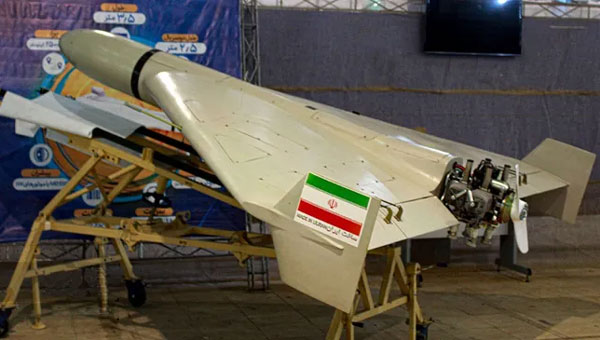
    Several recent intense Russian drone attacks were with tens — and even hundreds — of Iranian Shahed attack dones. 151 were spotted in November alone, 148 of which were Shahid drones that carry an 88 lb explosive warhead. On November 26, the Ukrainian Air Force reported that Russia attacked with 188 Shahed drones along with a few Iskander-M ballistic missiles. Ukraine responded with aircraft, helicopters, shells fired from fixed ground installations, and signals designed to jam drone electronics and guidance systems. Around 80 attacking drones succumbed to these Ukrainian defenses.

    In addition, electronic GNSS spoofing of more than 90 drones diverted them from their targets – this implies a widespread array of electronic resources that intercepted in-flight drones coming from Russia. Diverted from their planned tracks to their targets, these drones will crash when they eventually run out of fuel. In a large number of cases, the ground defense systems were able to steer the attackers toward Russian-friendly Belarus, where they also crashed when fuel was exhausted. So perhaps less than 50% of this specific attack resulted in the use of precious Ukrainian ordinance, a good sign for future defense capabilities.

    Meanwhile, on the other side of the “Pond” (Atlantic Ocean), British and U.S. forces at bases in Southern England have been dealing with an uninvited invasion of overflying drones, somewhat similar to reported incursions over airforce bases (AFB) in the U.S., such as Langley AFB.

    RAF Lakenheath is a joint UK/US base used by the US 48th Fighter Wing and is thought to also house NATO’s nuclear weapons – this base is one of four that is thought to have been harassed by drone overflights. Other UK bases which now also have heightened security include RAF Lakenheath, RAF Mildenhall, and RAF Feltwell in the Southeast and RAF Fairford in Southwest England. We might speculate that the drones could be collecting Video and maybe Lidar information on assets on the ground, but surely this has already been gained by spy satellites belonging to Russia and China, the principal suspects for these incursions — so what exactly could be the intent?

    The incursions were happening at the same time that Ukraine was using UK Storm Shadow missiles against Russia. Some speculate that this might be a demonstration of capability by Russia, indicating an ability to quickly, without any opposition, gather a number of drones and fly them over UK NATO bases. Whilst unarmed for this demonstration, in the future, they could wreak havoc on aircraft and personnel. A number of criminal investigations are apparently underway to determine who was responsible.

  • Latest innovations and updates in unmanned systems

    Latest innovations and updates in unmanned systems

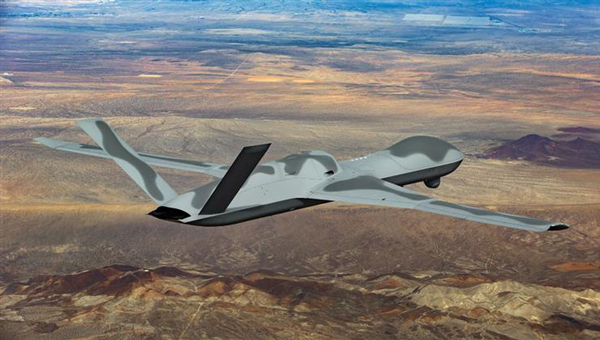
    One of the top dogs in the mil-spec UAV world, General Atomics Aeronautical Systems Inc. (GA-ASI) has developed and built several jet-powered demonstration UAVs known as the MQ-20 Avenger, which is currently being used to test out new U.S. Navy communications systems. Derived from the MQ-1 Predator and MQ-9 Reaper, the Avenger is equipped with a Pratt & Whitney turbofan jet engine, allowing it to reach speeds of around 400 Knots at an altitude of up to 50,000 ft.

    Predator C Avenger UAV. (Photo: GA-ASI)
    Predator C Avenger UAV. (Photo: GA-ASI)

    After extensive testing since its first flight in April 2009, a larger extended range (ER) version began test flights in 2016. The extended range version has longer wings and an increased fuel capacity with a range of 2,000 miles and an endurance of 20 hours. Avenger has several stealth features, including an S-shaped engine exhaust and an internal weapons bay for precision weapons and sensor packages, similar to the F-22 Raptor and F-35 Lightning front-line fighters. Another recent project saw F-35 technologies passed onto the same jet-powered UAV platform.

    The recent Navy communications trials were used to prove the new space-based comms capability and to remotely adjust Avenger’s autonomous internal navigation system while in flight. The aircraft has been designed for long-range, high altitude, speedy, autonomous penetration of enemy areas and this latest capability allows operations where the run-in-to-target phase can be redirected in the very last minutes of an attack. Enemy radar tracking and defenses might, therefore, be misaligned at a crucial phase of an incoming drone alarm without sufficient time to re-align and protect the actual target.

    Space-based communications, in this case, used signals via the Proliferated low-Earth orbit (LEO) system of satellites, which is reportedly a mil-spec LEO constellation of communications. satellites — somewhat related to the orbits of the Space-X commercial Starlink LEO internet satellite system.

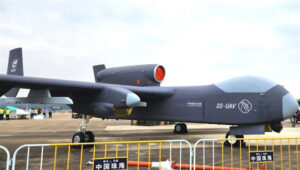
    While we are in the military domain, a recently displayed Chinese development is being claimed to be a jet-powered ‘mothership’ UAV. The concept is that the carrier aircraft travels longer distances and releases a swarm of short-range drones when within range of their target(s) — a possible mock-up of such a vehicle was shown before a recent Chinese airshow.

    Jiu Tian mothership UAV mock-up. (Photo: Chinese internet)
    Jiu Tian mothership UAV mock-up. (Photo: Chinese internet)

    The center section of the UAV appears to be detachable or has large opening doors – the Chinese and English inscriptions on it imply that it is a module for carrying drones. There have been other reports that Chinese military thinking includes the deployment of large swarms of drones to attack multiple targets simultaneously. However, The Jiu Tian UAV does not come with a stealthy design.

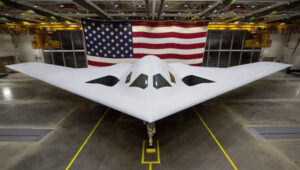
    In light of the recent competition between the U.S. and China, an article about the new U.S. Air Force B-21 stealth bomber has been published. The article suggests that, given the F-35 stealth fighter-bomber’s exceptional stealth capabilities and its ability to carry and release multiple weapons from an internal bay, the B-21 may already face obsolescence.

    So then, why not re-purpose the B-21 to be a drone-carrying mothership that could, while undetected, penetrate enemy defenses to release swarms of U.S. attack drones?

    B-21 next generation Stealth bomber. (Photo: U.S. Air Force)
    B-21 next generation Stealth bomber. (Photo: U.S. Air Force)

    Currently, a part of the U.S. three-pronged nuclear delivery deterrents alongside submarines and ballistic missiles, the Air Force believes that the role of the existing B-2 Spirit bomber is not obsolete, and the B-21 should become operational as planned in the 2030s with its new stealth and suite of high-end technology sensors and control systems.

    The concept of a Chinese “mothership” is designed to transport drone swarms close to targets before launching them. Additionally, there may be a stealthy response from the US, utilizing low-Earth orbit (LEO) satellites for space-based communications to adjust the routing of autonomous drones. This approach raises the question of whether it could be used to deceive drone defenses during the terminal phase of an attack. These solutions are complex but could significantly enhance the effectiveness of future military drone operations.
  • How the US is defending against drones

    How the US is defending against drones

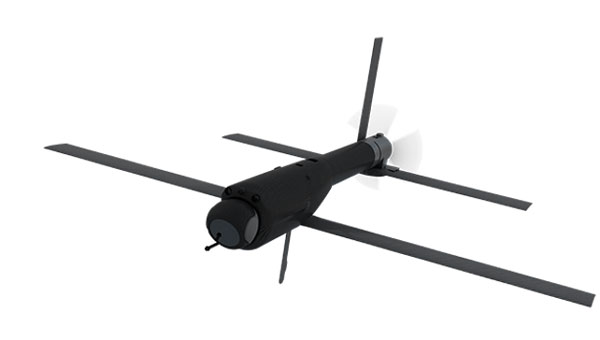
    The U.S. Department of Defense (DOD) has spooled up to take the lead in drone warfare with its Replicator 1 program initiative. Securing $500 million in funding in 2023 for “attributable UAVs, DOD is planning another half of a million dollars for the Replicator 2 program. The Replicator initiatives are intended to bring on large volumes of potentially existing capability through increased manufacturing and technological capability. AeroVironment received Rep 1 funding for Switchblade-600 kamikaze drones, which had previously been used successfully in Ukraine, and various initiatives are also underway with many U.S. manufacturers of unmanned surface vessels (USVs), including Anduril’s Dive-LD autonomous underwater vehicles.

    Photo:
    Anduril Dive-LD unmanned undersea vehicle. (U.S. Navy photo by Ian Delossantos)

    Having launched contracts increasing the available volume of attack UAVs (loitering munitions), it has been decided that the Replicator 2 program will go after the protection of U.S. forces from enemy drone attacks. Both sides in Ukraine have built up their UAV attack capability, and as a consequence, both sides now need better defenses against offensive UAV threats. DoD has also learned from experience in the Middle East, where its naval assets have suffered from kamikaze UAV attacks in the Gulf.

    Inexpensive, commercially available UAVs loaded with explosives and remote control and proximity detonators have proved effective weapons. The next phase of Replicator will seek funding in 2026 for counter small-unmanned aerial system (C-sUAS) initiatives, building up existing capability and technology and developing improved defense capabilities.

    Photo:
    Switchblade-600 loitering munition. (Photo: AeroVironment) 

    Several c-UAS systems have been developed and fielded in recent years, but DOD’s efforts on Directed Energy Weapons are being intensified. High power microwave (HPM) systems can be used to jam UAV communications and disrupt onboard drone electronics such as navigation, guidance, sensors and control systems. Its only drawback is that effectiveness diminishes rapidly with the range from the HPW transmitting antenna. This is due to the increased dissipation of microwave energy in the air with the square of the distance traveled – straight physics. Nevertheless, if you can pump enough power out of the transmitting antenna, say in a narrower beam, you may still be able to cover enough distance to disable an attacking swarm of adversary UAVs, even if it ends up being close in as the UAVs approach the target.

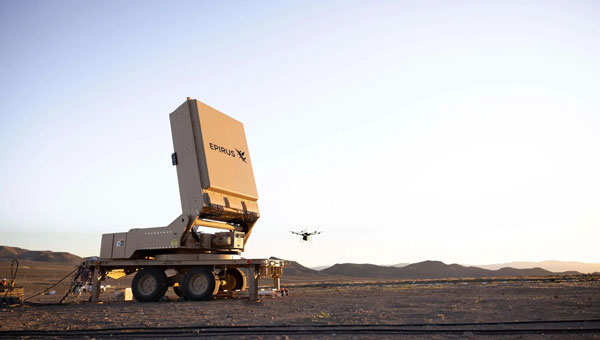
    Based in Los Angeles, Epirus recently delivered its Leonidas Expeditionary HPM system under a U.S. Navy contract. The system is mounted on a towed trailer, with the HPM antenna mounted on a turntable to enable directional aiming for a more dynamic ground-based defense against drones. Previous testing has demonstrated the system’s capability to “fry” single and multiple UAVs.

    Photo:
    Leonidas high-power microwave system. (Photo: Epirus)

    A U.S. Army 2023 contract allowed Epirus to prototype four of the Leonidas systems, which have been delivered to the agency and are potentially slated to find active service in the Middle East. This real-world test aims to shake down the systems under high-stress defensive situations, providing feedback for future improvements if required. The situation on the ground clearly demands improved defensive capability.

    Earlier tests of high-power laser defenses in the region allegedly encountered some difficulty with durability and heat dissipation for 50Kw vehicle-mounted systems, while 20Kw laser systems performed better.

    It would seem that the high-intensity microwave beams used by the Leonidas systems might be more usable by ground forces. Epirus has reported that a unique approach to power management was one of the initial core elements developed for the Leonidas system, which may affect the ability to form high-power microwave beams.

    Earlier defensive approaches have included rifle fire, shoulder-mounted missiles, expensive guided missile defenses, anti-drone drones that collide or throw nets, jamming of the control signals, and, of course, GNSS jamming and/or spoofing. HPM “frying” of multiple drones at a time may be another key defensive approach that may make drone attacks harder for adversaries to inflict on our forces on the battlefield.

    So, the next phase of this game could be to develop counter-counter-drone technologies to defeat the defensive systems—this may be a never-ending process.

  • Key developments in drone technology and applications

    Key developments in drone technology and applications

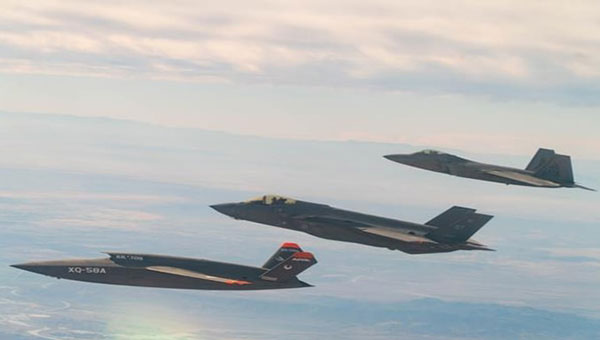
    A little clarity recently emerged regarding how U.S. Loyal Wingman or Collaborative Combat Aircraft (CCA) unmanned fighter support vehicles will be initially configured. The emerging concept is that CCA would fly alongside F-35 Lightning II and F-22 Raptor carrying various Advanced Medium-Range Air-to-Air Missiles (AMRAAM) and AIM-9 Sidewinder missiles.

    Kratos Valkyrie CCA flying with F-35 and F-22. (Photo: Kratos)
    Kratos Valkyrie CCA flying with F-35 and F-22. (Photo: Kratos)

    While both the F-35 and F-22 carry their own missiles, when their payload is expended, operators can continue the fight by firing AMRAAM and AIM-9 ordinance on the CCA “missile truck” flying alongside them. This means that the manned-unmanned team can bring twice the number of missiles to bear on an adversary. According to mission planning revealed in early 2023, the US Air Force (USAF) plans to pair two CCA vehicles with each manned front-line fighter aircraft – with at least 1,000 unmanned CCA vehicles being brought into USAF inventory.

    The potential suppliers of CCA unmanned aircraft include Anduril and General Atomics Aeronautical Systems (GA-ASI). They are developing a CCA based on the GA-ASI XQ-67A prototype, which first flew in February 2024. Boeing Australia’s MQ-28A Ghost Bat Airpower Teaming System first flew in February 2021. Additionally, Kratos’ XQ-58A Valkyrie has been flying since 2022, and Northrup Grumman recently flew its manned-unmanned Loyal Wingman prototype Vanguard Model 437 on Aug. 29, 2024.

    By incorporating full autonomy or being controlled by manned aircraft, these CAA are also designed to fly ahead, avoid detection, perform advanced intelligence, surveillance, and reconnaissance tasks, provide early warning, and — when suitably equipped — conduct electronic warfare. The system is engineered to engage its own targets with or without its fighter teammates.


    The U.S. House of Representatives has passed legislation that could significantly restrict the use of Chinese-made drones, particularly those manufactured by DJI, in the United States. On September 9, 2024, the House approved the Countering CCP Drones Act, a bipartisan bill .

    The act aims to add DJI Technologies to the Federal Communications Commission’s (FCC) Covered List. If enacted, this would prohibit new models of DJI drones from operating on U.S. communications infrastructure. The bill is part of a broader effort to address potential national security risks posed by Chinese-made technology.

    The legislation has passed in the House and will now move to the Senate for review. It may be included in the Senate version of the National Defense Authorization Act (NDAA) for Fiscal Year 2025. Senators Mark Warner and Rick Scott have introduced a related bill in the Senate, which also aims to blacklist DJI and other Chinese drone companies.

    The proposed ban appears to target only new versions of Chinese drones, while existing models in the United States can still be flown by their owners within FAA regulations. Additionally, a new product with exactly the same design and an FCC license can still be purchased without restrictions. However, if the ban were to be implemented, newly designed products would be unable to obtain an FCC license to use U.S. communications.

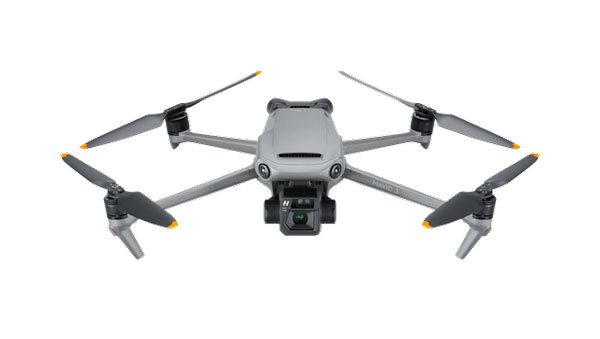
    DJI Mavic 3 (Photo: DJI)
    DJI Mavic 3 (Photo: DJI)

    Another bill, Drones for First Responders, does not go as far as to ban Chinese drones. Rather, it suggests adding a tariff to any imported drones. The revenue generated from the tariff would be used to encourage the purchase of U.S.-made drones or those manufactured in locations not on the U.S. list of restricted countries. This initiative is intended to support U.S.-based commercial operations, such as farmers and first responders, including firefighters, ambulance operators, and police. It is worth noting that all U.S. government departments are thought to have already dropped the use of any Chinese-made drones due to existing restrictions.

    It seems okay to keep your existing DJI drone for your own private use or commercial operation and even replace it with another existing model as long as stocks are available — but it might cost more because of new import tariffs.


    On quite an unrelated UAV subject – it seems that Swift Navigation has decided to leave the GNSS OEM business and has sold its Duro product line to Carnegie Robotics, which is folding the GNSS receiver business into its robotics and sensor product portfolio.

    The two companies have collaborated since 2017, when they developed Duro high-precision GNSS receivers and software. When accompanied by the Swift Skylark Precise Positioning Service, Duro receivers may be augmented to achieve centimeter-level positioning accuracy.


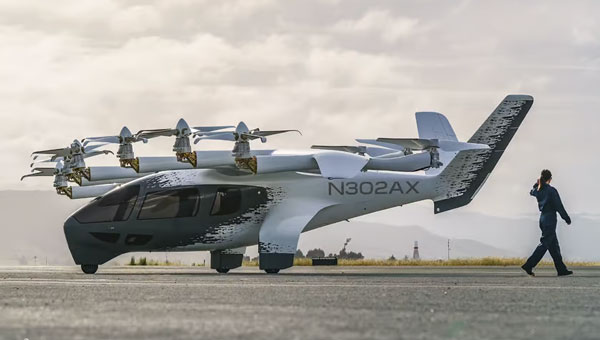
    It is great to see that Archer is making significant headway along its path to developing and enhancing the performance of its Midnight air-taxi eVTOL. Archer established a goal to achieve 400 test flights this year to get FAA certified by 2025. The company announced that 402 flights were already completed by August.

    Flights have expanded the envelope of the aircraft for the transition from take-off to flight and vice-versa for landing, landing under varying wind conditions, tuning hover noise profiles, extending endurance by optimizing control laws, and of course, increasing the rate of test flights. These are normal developmental steps along the road to baselining the performance envelope, which will be used to certify the aircraft and, along the way, collect data that will flow into the certification program.


    In summary, we have an outline of how Loyal Wingman UAVs may initially become missile trucks alongside front-line fighter aircraft, potential restrictions on Chinese drones in the United States, the sale of an OEM GNSS product line, and a high rate of flight tests for the Midnight eVTOL.

  • UAV updates

    UAV updates

    Photo: Archer
    Photo: Archer Aviation

    Is it possible that we have already oversold the potential — or at least the timing — for when we expect operational electrical vertical take-off and landing (eVTOL) air taxis? United, Delta, Southwest, and other airlines seem intent on being part of the coming air taxi game, but locking up future potential without anything delivered could be risky.

    Now, this eVTOL stuff is not cheap, and it does not come quickly—it takes a massive amount of investment and effort to create a new mode of air transport, especially if it could be wholly or even partially autonomous. Most eVTOL outfits have decided to launch initially with a piloted option, leaving autonomy for later.

    The initial stages of the development process involve reviewing the designs, followed by vetting and selecting subcontractors. A strategic plan is then established to develop a few operational prototypes. Alongside this, a firm strategy must be created to ensure compliance with agency regulations, resulting in the demonstration of proof of concept.

    The process could be accelerated with a piloted airframe derived from a proven baseline, but eVTOLs are a new concept. Although partially derived from UAVs, eVTOLs differ significantly from existing aircraft. UAVs are not big enough to carry passengers and have not received approval to transport people. True, the automation angle has taken significant steps forward in recent years, but certifying that these systems will always operate correctly, without minimal chance of failure while flying over city centers and over many, many people – well, that’s another coat of many colors! Let’s just say these are BIG STEPS to initiate a new form of air transportation.

    Nevertheless, despite the excitement and seemingly optimistic timelines for achieving FAA or other regulatory approval for fully operational eVTOL aircraft capable of safely transporting passengers, most major airlines have already committed to significant purchases and investments in this technology.

    United Airlines conditionally committed to buy 200 Archer Aviation Midnight eVTOL aircraft for $1 billion in early 2021, added an option of $500 million for another 100, and recently took more partial ownership when Archer pursued a public listing through a merger with Special Acquisition Company (SPAC) Atlas Crest Investment Corp.

    Archer has been moving its aspirations in several other directions while it works closely with the FAA to achieve certification of the Midnight eVTOL. Notably, the company has been granted a Part 135 Air Carrier and Operation certification by the FAA, which allows Archer to operate a for-profit airline with not only the Midnight eVTOL but also existing commercial aircraft, presumably including helicopters. Using other aircraft in the interim could allow Archer to prove out routes before having operational eVTOLs available and generate revenue. United and Archer have already selected at least one initial route in Chicago, from the city center to O’Hare airport.

    Archer has also been busy signing up partners in Korea. Demonstrations are planned for Q4 2024 and in Abu Dhabi, Dubai, and other locations across the UAE. The forecasting service will start in late 2025.


    Back in the U.S., Southwest Airlines — another Archer investor — is also working with the company on the West Coast to develop routes around population centers in California. Archer has signed up with a local developer to establish Vertiports, locations with suitable ground access for passengers, landing/take-off and rapid charging facilities for eVTOL aircraft and existing helicopters. Southwest plans to install these stations at five locations: South San Francisco, Napa, San Jose, Oakland, and Livermore.

    Another agreement with Signature Aviation is designed to provide Archer with access to general aviation terminals and electrical supply for eVTOL operations in New York, Los Angeles, San Francisco Bay Area, and Texas, including United Airline hubs at Newark International (EWR) and Chicago O’Hare (ORD) Airports, as soon as the end of 2025, almost the exact date that United expects to start eVTOL passenger ferry services to and from O’Hare.

    Stellantis has also invested around $150 million in Archer, plus another $55 million in June 2024, as the two work on establishing a high-volume 350,000 sq ft eVTOL manufacturing facility in Georgia. A new agreement between the two companies brings additional investment, intended to take the facility to a yearly build output of 650 eVTOLs.

    Photo: Joby Aviation
    Photo: Joby Aviation

    Unlike United, Delta Airlines and Joby Aviation aim for door-to-door service, intending to pick up passengers at their own homes and bring them directly to Delta at the airport. With fewer, larger propellers, Joby claims a top speed of 200 mph, compared to Midnight’s 150 mph. Apparently, both Midnight and the Joby eVTOL have a passenger capacity of one pilot plus four passengers.

    Another significant June 2023 investment in Joby was reported to have come from SK Telecom (SKT) in Korea, which made an equity investment of $100 million in Joby. The Korean government is promoting aerial ride-sharing through a phased demonstration program, for which the partners signed up to participate in early 2022. Joby was also certified to be a Part 135 air carrier almost two years earlier than Archer.

    Both Archer and Joby have already delivered eVTOL aircraft to the U.S. Air Force (USAF) for on-base evaluation. The USAF has been promoting eVTOL development for some time, not only for on-base logistics but also, apparently, evaluation for front-line resupply operations.
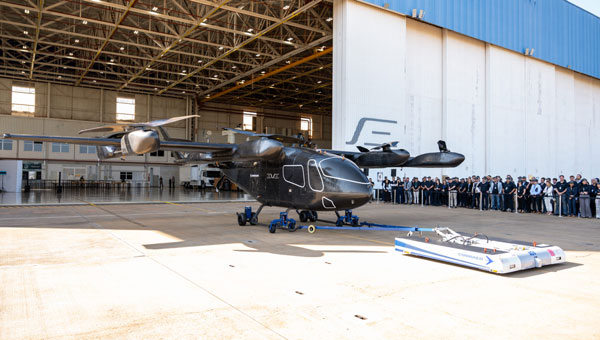
    Eve eVTOL rolls out joining the flight test program. (Photo: Eve Air Mobility)
    Eve eVTOL rolls out and is joining the flight test program. (Photo: Eve Air Mobility)

    Eve Air Mobility has received significant investment from aircraft manufacturer Embraer in Brazil, and Toyota is supporting high-volume manufacturing. This year, contact was made with Air-X in Japan to buy ten aircraft with options for 40 more—just one customer of several who have placed Letters of Intent to buy over 3,000 Eve eVTOL aircraft. United Airlines is another one of those customers who also placed a conditional order for 200 Eve eVTOL and options for another 200 aircraft back in 2022.


    This is a very short overview of just a few of over 200 potential eVTOL-piloted and autonomous UAV manufacturers that have turned into passenger-carrying air taxis. The partial investment story behind these companies and their air-mobility adventures indicates that even though it is going to be quite some time before these aircraft start to hop over cities to airports – making a potential two-hour journey in 10-15 minutes at the exact projected cost as existing ride-sharing, a lot is riding on a successful outcome. Maybe United’s duel track investment in both Archer and Joby will also ensure that one or the other will bear fruit. These few outfits we’ve reviewed have a long way to go, but their investing partners seem to have accepted the risk and have faith that their long-term roll of the dice will end up in their favor.

  • Unmanned systems updates

    Unmanned systems updates

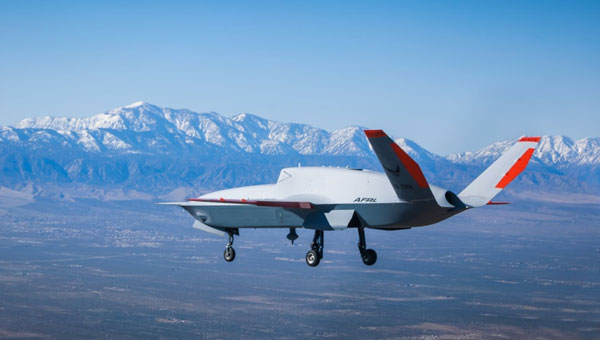
    The Air Force Research Laboratory (AFRL) has sponsored the development of two unmanned vehicles aimed at accompanying and augmenting the capability of today’s front-line fighter/bomber aircraft. The Loyal Wingman story just took another step forward with the first flight of the General Atomics Aeronautical System Inc. (GA-ASI) developed X-67A at the company’s Gray Butte Flight Operations Facility near Palmdale, California.

    General Atomics/AFRL X-67A in flight (Photo: Air Force Research Laboratory Public Affairs)
    General Atomics/AFRL X-67A in flight (Photo: Air Force Research Laboratory Public Affairs)

    Little is currently known about the AFRL/GA-ASI unmanned aircraft, other than indications that it has been developed under a Collaborative Combat Aircraft (CCA) program and built on a common frame, which is intended to aid the rapid development of future new variants.

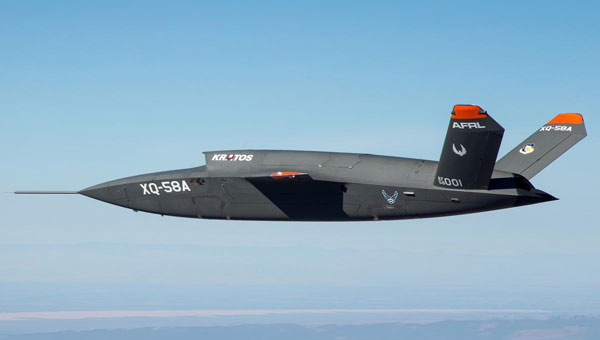
    AFRL has previously sponsored Kratos to develop the XQ-58A Valkyrie, which is also intended to “work in teams with manned aircraft,” as a low-cost “attributable” asset commanded by a manned flying companion. The aircraft launches by rocket assist and is recovered vertically by parachute – the new ‘trolley’ launch capability allows the jet-powered Valkyrie to take off on a regular runway.

    In earlier flight testing, communications between Valkyrie and both an F-22 Raptor and an F-35 Lightening front-line manned aircraft were established, demonstrating the manned/unmanned teaming concept. With a range of roughly 3,000 mi and an operational ceiling of 44,000 ft, the Valkyrie is intended to demonstrate how an armed, low-cost UAV can bring significant additional assets into combat situations. However, the original test article is now retired and has been put on display at the National Museum of the USAF in Dayton, Ohio, so its demonstration days appear to be over.

    XQ-58A Valkyrie. (Photo: AFRL)
    XQ-58A Valkyrie. (Photo: AFRL)

    Nevertheless, Kratos has built several other production Valkyrie UAVs, which are reportedly undergoing tests with the US Airforce, Marines and Navy. Reports indicate that an XQ-58B electronics defense suppression version has been developed and demonstrated, along with other aircraft that have demonstrated weapons release from an internal stores bay, along with an intriguing release of a small UAV from that same internal bay.


    Boeing’s Aurora Flight Sciences has just launched the Skiron-XLE Class 2 UAV – Class 2 meaning that it’s small enough to fit in the back of a pick-up truck. It was derived from an earlier Skiron-X version, which had a wingspan of 16 ft, a length of 7 ft, a weight of less than 50 lb and a meager range of only 8 mi.

    Skiron-XLE. (Photo: Aurora Flight Sciences)
    Skiron-XLE. (Photo: Aurora Flight Sciences)

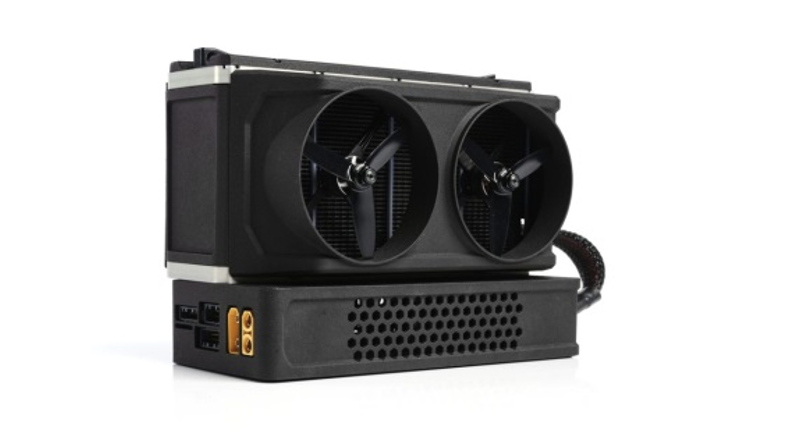
    IE-Soar-800W fuel-cell and regulator. (Photo: IE)
    IE-Soar-800W fuel-cell and regulator. (Photo: IE)

    Aurora has now come up with a way to extend the range of the vertical take-off and landing (VTOL) UAV by up to 47 miles and increase endurance from 3 hours to more than 5 hours. This was made possible by replacing the original battery power source on the Skiron-X with a compact hydrogen fuel-cell on the XLE supplied by Intelligent Energy (IE). The Skiron-XLE can be equipped with a gimbal mount electro-optic infrared (EO/IR) sensor and is aimed at the military/security reconnaissance role.

    When fuel-cells are mentioned, some people may still think of the liquid oxygen/hydrogen sphere that blew up Apollo 13. Fortunately, however, technology has moved on significantly since this less commercial design of the 1960s. As an example, according to the company’s spec sheet, the Department of Transportation (DOT) certified IE-Soar-800W fuel-cell and hydrogen regulator offers 400 w for up to 5.9 hours. Hydrogen/oxygen gasses are combined across two semi-permeable membranes to generate power — no frozen gas-slush stirring is required.


    Meanwhile, progress towards eVTOL air-taxi capability took a step forward for Archer and its Midnight aircraft. Stellantis has invested an additional $55 million into Archer’s efforts to build production capacity for up to 650 aircraft per year at its planned 350,000 sq ft facility in Georgia, scheduled to be completed in 2024.

    Archer’s Midnight eVTOL. (Photo: Archer)
    Archer’s Midnight eVTOL. (Photo: Archer)

    To clarify Stellantis’ background – the company includes manufacturers Fiat-Chrysler and Peugeot, which have merged to form the fourth largest vehicle company by sales behind Toyota, Volkswagen and Hyundai. Stellantis has a strategic funding agreement with Archer and the latest investment follows the milestone first test flight of Midnight where the successful transition from vertical lift to forward flight was achieved. The European conglomerate has also acquired up to $110 million in Archer shares on the open market and through this funding initiative.

    Stellantis is working with Archer to bring its manufacturing expertise to the fabrication of Archer’s composite air taxi. High-volume car manufacturing and eVTOL building have a lot in common, and there is clearly common interest for a giant car company to gain access to the new eVTOL market.


    To recap – GA-ASI has joined the CCA team with the first flight of the AFRL X-67A unmanned UAV, while Kratos continues with further testing of the Valkyrie CCA UAV with several U.S. forces. The latest generation of hydrogen fuel-cells is now extending the range and endurance of Aurora’s Skiron-XLE, while more investment flows in the eVTOL air taxi market.

  • Unmanned systems updates

    Unmanned systems updates

    Some people may have anticipated that the unmanned aircraft industry, amid initial exuberance over the new technology and the impact it has made, would eventually suffer some sort of implosion. Nevertheless, while some smaller players have come and gone, by and large new companies are still sprouting, and other start-ups may have been absorbed by bigger fish with more resources.

    DroneDeploy acquired a couple of software image acquisition and robotics companies in recent years – both StructionSite (2022 acquisition, San Francisco) and Rocus (2021 acquisition, New Zealand) are now part of DroneDeploy, widening their jointly addressable markets.

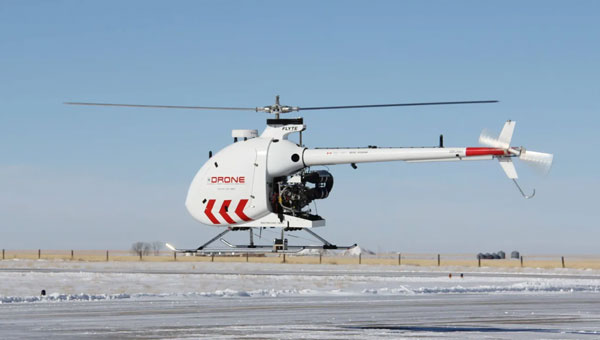
    Drone Delivery Canada (DDC) is in the process of merging with Volatus to bring a combined service and equipment capability to market. Both companies are currently listed on the Toronto Stock Exchange and will trade under DDC’s stock symbol “FLT” following the completion of the merger, anticipated by the end of Q3 2024. DDC provides a unique Condor cargo UAV capability, remote operations center, cargo infrastructure and operations software, while Volatus provides UAV services, training and equipment sales to enable a path to market for the combined company.

    Condor UAVs can carry approximately 400lb of cargo. (Photo: DDC)
    Condor UAVs can carry approximately 400lb of cargo. (Photo: DDC)

    Joby has been a leading participant in the emerging eVTOL air-taxi market segment, and acquired radar developer Inras GmbH in Linz, Austria in December 2021. The small Inras team brought advanced radar technology to Joby’s eVTOL development to provide onboard sensing and navigation.

    Now Joby has also acquired the autonomy division of Xwing, which brings, according to the Joby website, “autonomy, including vision system processing, detect and avoid algorithms, mission management and decision making, ground control stations, remote operations and also the integration of Artificial Intelligence (AI) and machine learning algorithms.”

    Joby’s two flying pre-production eVTOL aircraft (Photo: Joby)
    Joby’s two flying pre-production eVTOL aircraft (Photo: Joby)

    The Xwing Superpilot software has previously enabled autonomous ‘gate-to-gate’ flight, 250 self-contained flights and 500 auto-landings with a Cessna 208B Grand Caravan for demonstration/tests. This system resulted in an official project designation for the certification of a large unmanned aircraft system (UAS) by the Federal Aviation Administration (FAA) in April 2023, and an Air Force Military Flight Release in 2024. Joby expects the acquisition to not only further long-term autonomous civilian capability — initial FAA certification is anticipated with piloted aircraft — but also to support existing and future business with the United States Department of Defense (DOD).

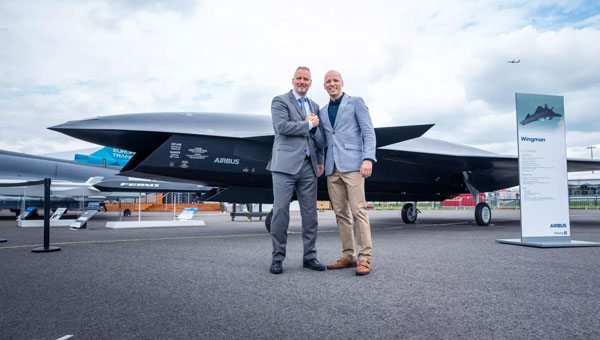
    Meanwhile, Airbus is taking a similar approach by teaming with Helsing in Europe to integrate AI into a future Airbus unmanned Wingman concept aircraft — a UAV designed to fly with and be controlled by front-line manned fighter aircraft. Alongside growing European force requirements, Airbus envisages a lower-cost, attributable, UAV commanded by manned aircraft that could dispatch the Wingman for target reconnaissance and destruction or electronic jamming and deception of enemy air defense systems.

    Airbus and Helsing CEOs with Wingman model.(Photo: Airbus)
    Airbus and Helsing CEOs with Wingman model.(Photo: Airbus)

    Both Joby and its rival Archer have also received FAA Part 135 certification, which allows them both to run an air-taxi operation. Neither has yet obtained FAA authorization for their eVTOL aircraft, but both appear to have a clear mandate from the FAA for the steps necessary for those certifications. Both intend to operate existing certified fixed-wing aircraft as air taxis in the meantime under the Part 135 authorization.
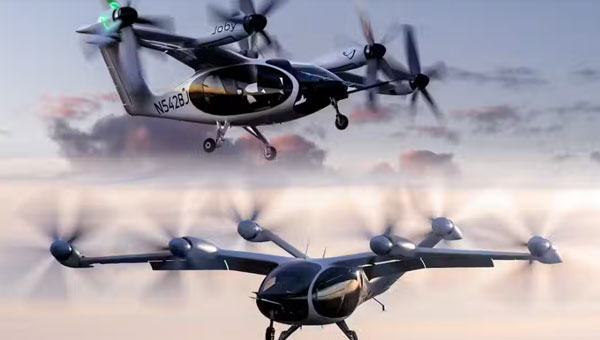
    While browsing through the FAA’s Special Class Airworthiness Criteria for the Joby Aero Model JAS4-1 Powered-Lift, published on the Federal Register, I learned that the task to certify a brand-new category of aircraft is huge — not big, absolutely gigantic.

    FAA put together a draft of proposed cert criteria and put it out for comments to interested government agencies and industry — a whole slew of comments were received, which the FAA reviewed. The FAA incorporated some and discarded others. Just the response to these comments goes on for many pages — there were a lot of comments. Nevertheless, just skimming through FAA’s responses to these comments was a significant undertaking, never mind reviewing and understanding the basic requirements for, say, the two-performance option. Imagine what eVTOL operators have to go through to demonstrate that they meet the steps to achieve FAA certification.

    The cert basis for Joby appears to be a combination of fixed wing and helicopter requirements, plus more to address the novel electrical propulsion system and the batteries that provide its power. Two levels of performance standards are set out — an “essential” level and an “increased” level. The 42 organizations that commented on the draft requirements included worldwide aviation agencies, eVTOL and aircraft companies, industry associations and major components suppliers, the Association for Uncrewed Vehicle Systems International (AUVSI) and some individuals — a huge group of involved and impacted organizations.
    Joby applied to the FAA in November 2018 for certification of its Model JAS4-1 powered-lift eVTOL. Joby has been supporting just the activity related to certification for six years to date. All the other eVTOL developers are at a very similar stage as they try to get their aircraft into service carrying people and generating income.

    Most eVTOL developers have major sponsors familiar with the certification process. Otherwise, the effort would just be too costly, never mind the cost of proving the capability to operating customers, the country as a whole and capturing the imagination of intended users. Plus, of course, building and qualifying the test vehicles, and the operational infrastructure to allow these eVTOLs to land, pick up customers and fly them to somewhere near their destination. The length of time to do this over so many years has broken many unwitting start-up companies. Achieving this goal can be incredibly difficult without the substantial financial resources of major companies such as Airbus, Boeing, or major airlines.

    Moving from UAV to passenger airplane is something not to be taken lightly. As a potential future passenger, just keep waiting for your first flight in an operational certified eVTOL. Several of the contenders have targeted 2026, but who knows? I wish them the best of fortune and they’ll need it!