
Author: Maddie Saines

  • Viavi Solutions releases resilient PNT device

    Viavi Solutions releases resilient PNT device

    Photo:
    Image: Viavi Solutions

    Viavi Solutions has unveiled the PNT-6200 Series Assured Reference for resilient positioning, navigation and timing (PNT). Viavi acquired Jackson Labs Technologies in November 2022.

    The PNT-6200 Series Assured Reference provides resiliency and robust cybersecurity for critical infrastructure.

    The compact system can supplement or replace GPS signals based on connectivity to the broadcast range of timing sources in the market including other GNSS satellites, and commercial satellite, terrestrial, wireline, and atomic clock services. The PNT-6200 Series will draw the timing signal from the most reliable source and use it as a replacement for the GPS input, enabling continuous operation.

    The PNT-6200 Series will be showcased at Mobile World Congress in Barcelona, Feb. 27-March 2.
  • Golden Software enhances surface mapping package

    Golden Software enhances surface mapping package

    Image: Golden Software
    Image: Golden Software

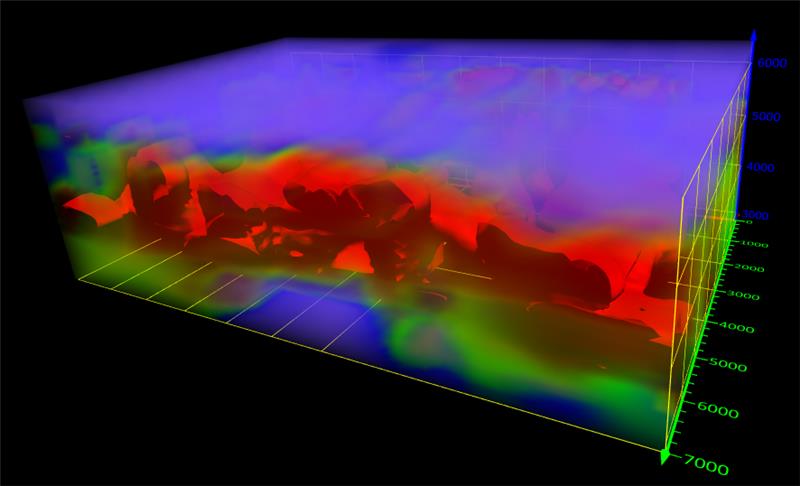
    Golden Software’s Surfer package, designed for 3D surface mapping, now provides robust subsurface visualization and modeling functionality by incorporating many true 3D gridding and visualization tools.

    With the enhanced functionality, users can now model an additional variable, a C variable, such as a contaminant or chemical concentration, along with the traditional X, Y, Z values. Surfer also includes the ability to create a 2D map of a slice-through 3D grid, which users can move up and down through the grid, illustrating how the C value changes with depth.

    Part of Surfer’s enhancements is isosurface creation, enabling visualization of the 3D grid in the 3D view as an isosurface, providing another way to see how C data varies with depth or elevation. The new 3D-rendered volume functionality also allows users to visualize the 3D grid in the 3D view as a solid body by assigning colors to different C values, highlighting variations in the data.

    Golden Software has released a beta version of Surfer simultaneously with the new version to give users a trial of the new features while they are still in development.

    The company states that the software is suitable for geologists, geophysicists, hydrologists and environmental engineers.

  • TRX Systems enhances military anti-jamming device

    TRX Systems enhances military anti-jamming device

    Image: TRX
    Image: TRX

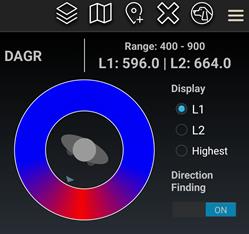
    TRX Systems has added a jammer finder capability to its NEON PT-MIL. The new function and expanded threat-mapping features enable dismounted soldiers to proactively respond to navigational warfare attacks (NAVWAR).

    NEON PT-MIL helps warfighters carry out their missions even when operating in environments where GPS/GNSS signals are unreliable or intentionally denied. The device can detect and eliminate compromised GNSS data while providing an alternative source of positioning information by fusing inputs from inertial sensors, GNSS signals, ultra-wideband and more.

    NEON PT-MIL can also be equipped to detect and map jamming and spoofing attacks. This feature was developed through a United States Army Rapid Capabilities and Critical Technologies Office program designed to extend NAVWAR functionality. The device accepts assured GNSS data from external devices — such as the Defense Advanced GPS Receiver, or DAGR, and the Orolia Defense and Security Broadsense Nano — to deliver a fused position and a NAVWAR threat indication when detected.

    The device can also derive a line of bearing to an enemy jammer and display it within the warfighter’s Android Tactical Assault Kit (ATAK) user interface, by using the GPS jamming indications available from a connected GNSS source.

    NEON PT-MIL with the jammer finding function is available in beta versions for field testing now and will be generally available in mid-2023.

  • Linux Foundation forms Overture Maps Foundation

    Linux Foundation forms Overture Maps Foundation

    The Linux Foundation has launched the Overture Maps Foundation, interoperable open map data for developers who build map services or use geospatial data and to strengthen mapping services globally. Overture expects to release its first datasets in the first half of this year.

    Overture aims to deliver services including collaborative map building by incorporating data from Overture members, civic organizations, and open data sources, creating a global entity reference system, quality assurance processes to detect map errors and ensure map data can be used in production systems, and a structured data schema to create an ecosystem of map data. Additionally, map data is open and extensible to users under an open data license.

    Photo:

    Founded by Amazon, Meta, Microsoft and TomTom to help developers source and curate up to date map data, Overture will integrate with existing open map data from projects such as OpenStreetMap and city planning departments, as well as with new map data contributed by members, to create a living digital record of the physical world using artificial intelligence and machine leaning techniques.

    The initial release of datasets will include basic layers including buildings, roads and administrative information with plans to improve coverage, resolution and accuracy of existing data over time. It also will introduce new layers including places, routing and 3D building data.

  • Emergency satellite mapping of Turkiye and Syria activated

    Emergency satellite mapping of Turkiye and Syria activated

    On Feb. 6, the United Nations Satellite Center (UNOSAT) announced via Twitter that it had activated emergency mapping services of Turkiye and northern Syria after the magnitude 7.8 earthquake hit earlier that day. The satellite images provide an overview of the damage, which can be used for humanitarian efforts and disaster relief, reported Space.com.

    UNOSAT provides emergency mapping services, upon request, to provide satellite imagery analysis during emergencies and disasters. The maps show infrastructure that has been damaged during an emergency, which can then be used to provide relief by disaster response groups.

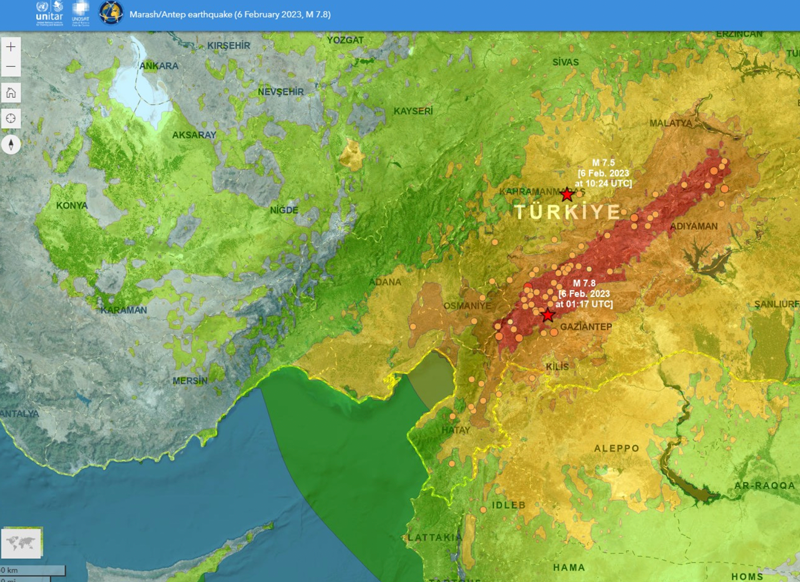
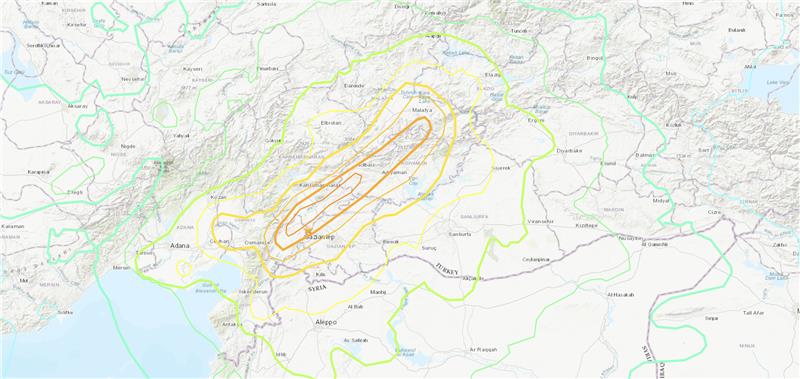
    The impact of the earthquakes was significant and ranks in the red for economic losses and orange for fatalities, according to the U.S. Geological Survey (USGS). (Image: UNOSAT)
    The impact of the earthquakes was significant and ranks in the red for economic losses and orange for fatalities, according to the U.S. Geological Survey (USGS). (Image: UNOSAT)

    The earthquake caused massive destruction throughout Turkiye and Northern Syria, causing an estimated death toll of more than 19,000 as of Feb. 9. Several historical structures dating back thousands of years have also been severely damaged.

    UNOSAT started in 2001 and is hosted by the European Organization for Nuclear Research. It does not operate its own satellites, but coordinates with United Nations member states to gather imagery from government agencies and privately owned satellites. United Nations offices, government agencies and relief organizations can request access to imagery collected by UNOSAT.

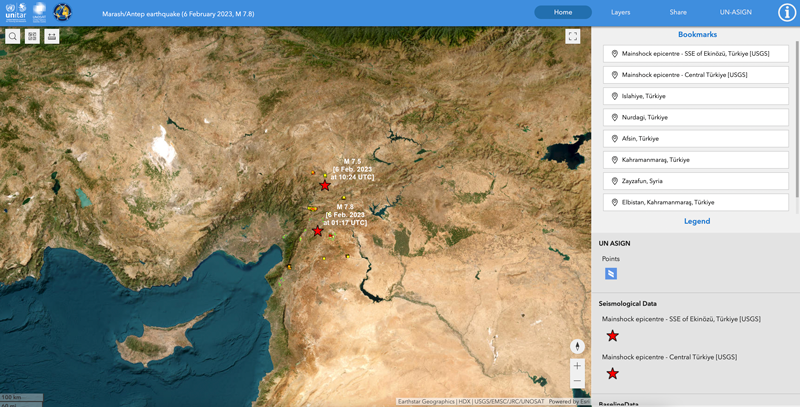
    The USGS reports the earthquake resulted from strike-slip faulting at shallow depths. It appears to be associated with either the East Anatolia fault zone or the Dead Sea transform fault zone. (Image: UNOSAT)
    The USGS reports the earthquake resulted from strike-slip faulting at shallow depths. It appears to be associated with either the East Anatolia fault zone or the Dead Sea transform fault zone. (Image: UNOSAT)

    All maps of Turkey and northern Syria from UNOSAT can be found here. A live interactive map can be found here.

  • Cepton secures lidar contract from Tolling System Operator

    Cepton secures lidar contract from Tolling System Operator

    Image: Cepton
    Image: Cepton

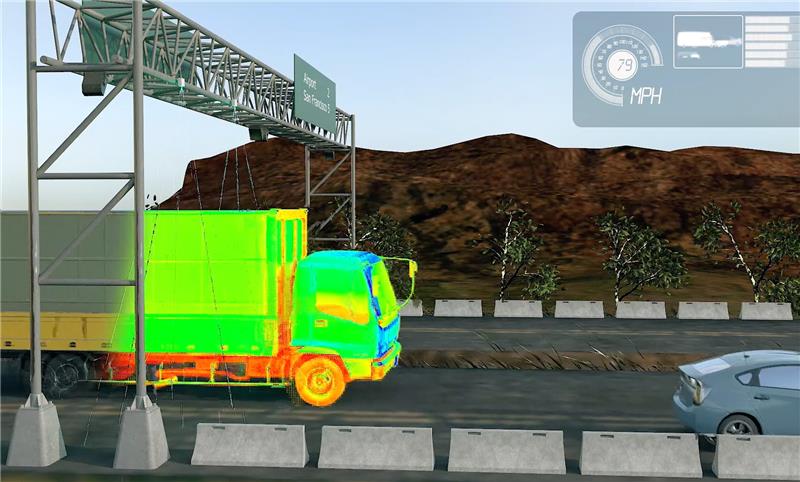
    Cepton has secured a multi-million-dollar contract from the United States Highway Tolling System Operator to use its Sora series lidar sensors. The sensors will be deployed on several major tollways in the tri-state area in Northern California.

    The Sora lidars provide detailed and accurate 3D profiling of vehicles passing at highway speeds. The lidar sensors have been used to modernize global tolling infrastructure by facilitating electronic toll collection, reducing traffic congestion and toll leakage.

    Image: Screenshot of video from Cepton
    Image: Screenshot of video from Cepton

    “In addition to superior performance, our Sora lidars were designed using the same auto-grade building blocks that have been validated by OEMs through our flagship automotive lidar program, and are reliable, embeddable, scalable and energy efficient, which are key advantages for tolling applications,” said Jun Pei, co-founder and CEO of Cepton.

    The contract is expected to be the largest commercial lidar deployment in the tolling sector, with potential to scale outside the United States in the future.

  • Device released for multi-GCS, multi-UAS and maritime operations

    Device released for multi-GCS, multi-UAS and maritime operations

    Image: UAV Navigation
    Image: UAV Navigation

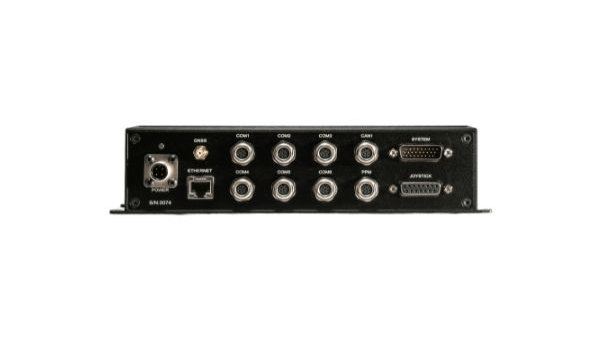
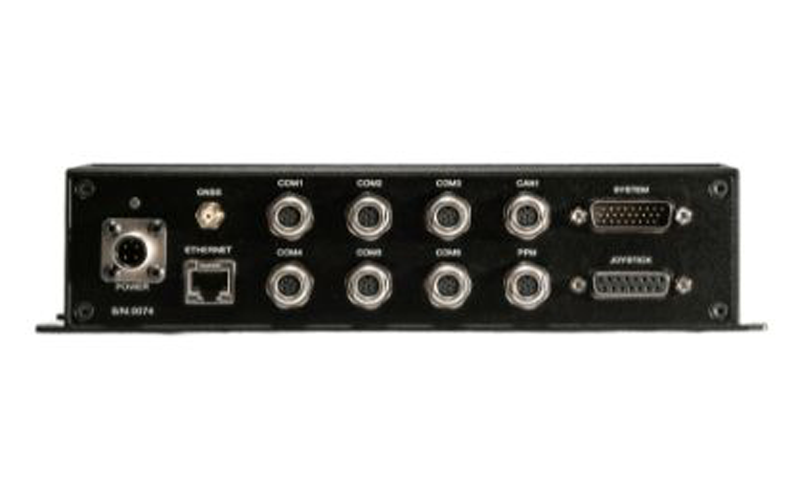
    UAV Navigation-Grupo Oesía has released the GHU-100 ground control hub unit that helps platform manufacturers connect multiple ground devices to form a single network segment.

    The GHU-100 enables multi-UAV and multi-ground control system (GCS) operation and is also designed to fulfill all requirements of maritime operations. This includes control of NMEA inputs, real-time kinematic corrections, and more. The ground control station hub unit also increases UAV flight safety, as it is independent from the computer OS and its potential PC crashes.

    The GHU-100 is designed to increase a system’s robustness while maintaining a high flexibility with its extensive input/output capabilities, which makes it easy to integrate into complex and advanced GCS architectures. It also implements critical functionalities on a self-developed real-time operating system to ensure secure missions in all environments.

  • Indiana bill makes secret tracking illegal

    Indiana bill makes secret tracking illegal

    Image: WTHR
    Image: WTHR

    Indiana state legislators have filed multiple bills that would make tracking someone with a GPS-based device without their knowledge a crime, reported WTHR of Indianapolis. The bills are in response to the growing number of criminal cases involving Apple AirTags and other GPS-based tracking devices.

    Tracking someone secretly is not currently a crime in Indiana; however, laws vary from state to state. Under one proposed bill, the penalty would be increased from a Class C misdemeanor to a Class A misdemeanor if the person tracked is under a protective order. The penalty could be enhanced for someone convicted of using tracking devices when committing a felony.

    Similar incidents are on the rise around the United State regarding the use of AirTags and other tracking devices for criminal purposes. In December 2022, two women in California filed a class-action lawsuit against Apple for privacy concerns after being stalked by ex-partners using AirTags.

  • Free RTK network provided for college students

    Free RTK network provided for college students

    Image: AlphaRTK
    Image: AlphaRTK

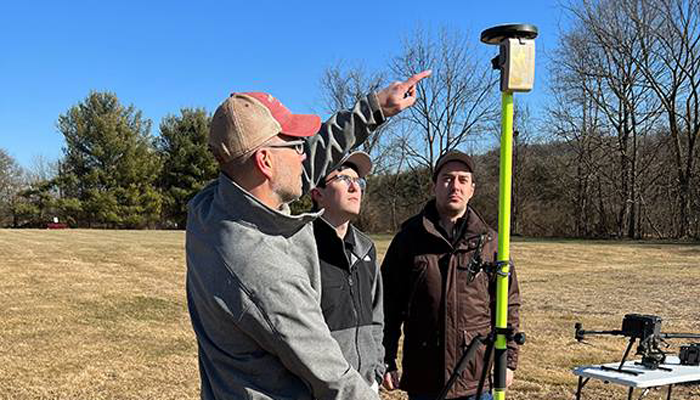
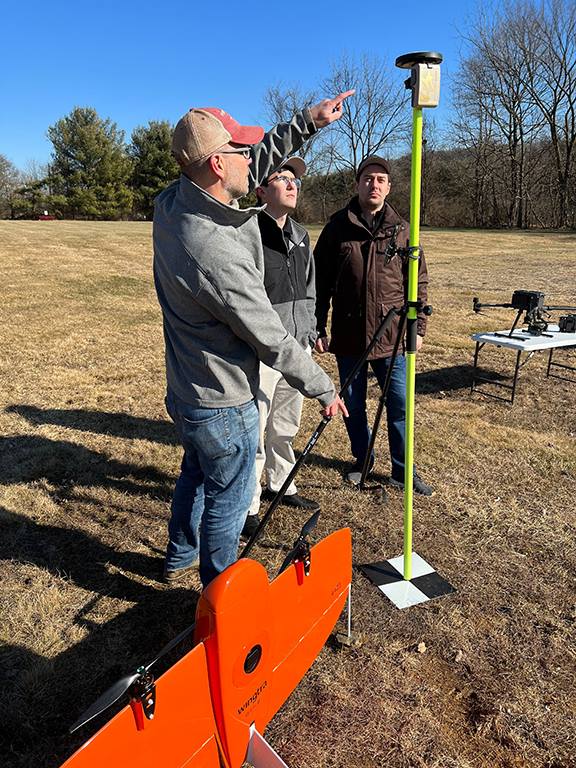
    AlphaRTK has signed agreements with Rutgers University, West Chester University and Warren County Community College to provide free access to its GNSS correction network for students and faculty.

    The AlphaRTK network — an affordable RTK subscription network that supports four constellations — launched in 2021 and is available for use in New Jersey as well as both the New York City and Philadelphia metropolitan areas.

    All institutions perform geospatial research and instruction. Having access to the AlphaRTK network is a powerful resource and will enhance the performance of modern geospatial data collection, the company said.

    Warren County Community College specializes in precision agriculture using drones. The AlphaRTK network will provide its fleet with centimeter-level accuracy, advancing analytical capabilities. Rutgers University plans to advance turf farm research, and West Chester University aims to use the network for a geophysics course, among more geospatial research.

    AlphaRTK records raw RINEX data that can be used for post-processing workflows, such as with post-processed kinematic drones. Additionally, in southern New Jersey where wireless coverage is weak, Alpha RTK has added ultra-high frequency radio transmitters to broadcast real-time data wirelessly.

  • DOD to provide Ukraine with aerial defense package

    DOD to provide Ukraine with aerial defense package

    Image: U.S. Department of Defense
    Image: U.S. Department of Defense

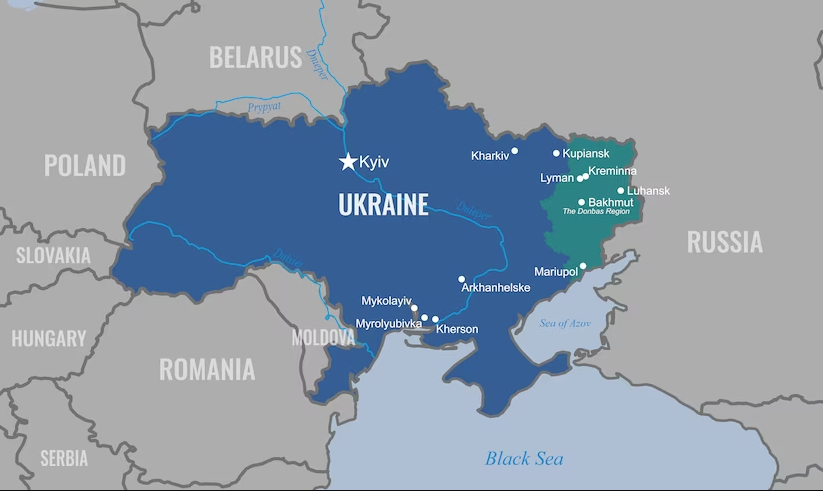
    The United States Department of Defense (DOD) will provide a new package of security assistance for Ukraine to aid with ongoing Russian aerial attacks. The package includes defense tools such as GPS-guided rockets and counter-UAV equipment.

    The presidential drawdown package includes:

    • additional ammunition for High Mobility Artillery Rocket Systems
    • additional 155 mm artillery rounds
    • additional 120 mm mortar rounds
    • 190 heavy machine guns with thermal imagery sights and associated ammunition to counter unmanned aerial systems
    • 181 Mine Resistant Ambush Protected vehicles
    • 250 Javelin anti-armor systems
    • 2,000 anti-armor rockets
    • Claymore anti-personnel munitions
    • demolitions munitions
    • cold weather gear, helmets and other field equipment.

    Under the Ukraine Security Assistance Initiative (USAI), DOD will provide Ukraine with:

    • two HAWK air defense firing units
    • anti-aircraft guns and ammunition
    • equipment to integrate Western air defense launchers, missiles and radars with Ukraine’s air defense systems
    • equipment to sustain Ukraine’s existing air defense capabilities
    • air defense generators
    • counter-unmanned aerial systems
    • four air surveillance radars
    • 20 counter-mortar radars
    • spare parts for counter-artillery radars
    • Puma unmanned aerial systems
    • precision-guided rockets
    • secure communications equipment
    • medical supplies
    • funding for training, maintenance and sustainment.

    Ukraine has been able to intercept Russian UAVs and missiles; however, having additional air defense will help combat efforts.

  • Earthquake damages cities in Turkiye and Syria

    Earthquake damages cities in Turkiye and Syria

    Only three earthquakes of magnitude 6 or larger have occurred in Turkey and northern Syria since 1970. The largest was a magnitude 6.7 earthquake in January 2020.
    Three earthquakes of magnitude 6 or larger have occurred in Turkiye and northern Syria since 1970. The largest was a magnitude 6.7 earthquake in January 2020. (Credit: USGS)

    On Feb. 6, a magnitude 7.8 earthquake struck Turkiye and northern Syria collapsing buildings and killing more than 2,000 people, followed by magnitude 6.7 aftershocks. The impact of the earthquakes was significant and ranks in the red for economic losses and orange for fatalities, according to the United States Geological Survey (USGS).

    The USGS reports the earthquake resulted from strike-slip faulting at shallow depths. It appears to be associated with either the East Anatolia fault zone or the Dead Sea transform fault zone.

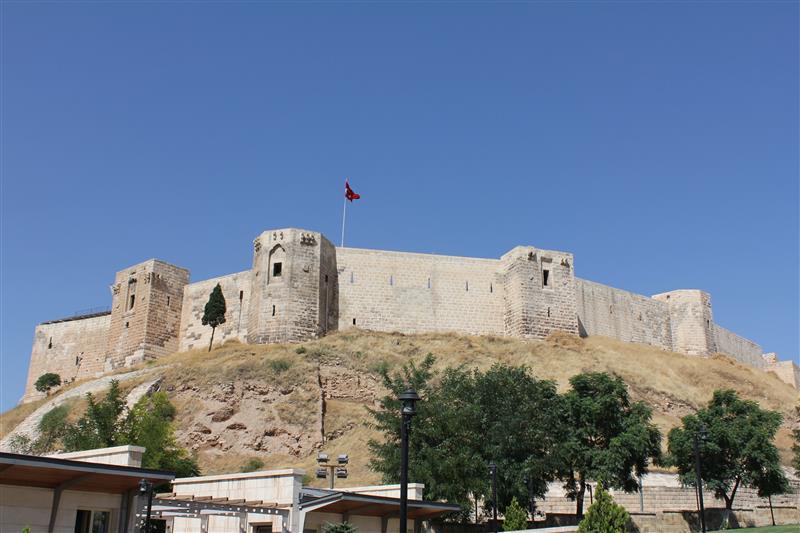
    Historical buildings throughout Turkey have been severely damaged, including the Yeni Mosque and the Gaziantep Castle, which date back thousands of years.

    War-torn Syria — specifically Aleppo, Hama and Latakia — have also sustained severe damage to infrastructure that was already fragile.

    The effects of this earthquake were felt as far as Lebanon and Israel.

    Parts of the historic Gaziantep Castle collapsed, as it lies close to epicenter of the magnitude 7.8 earthquake. (Image: JudyDillon/ iStock / Getty Images Plus/Getty Images)
    Parts of the historic Gaziantep Castle collapsed, as it lies close to epicenter of the magnitude 7.8 earthquake. (Image: JudyDillon/ iStock / Getty Images Plus/Getty Images)

  • FAA approves BVLOS operations for Choctaw Nation

    FAA approves BVLOS operations for Choctaw Nation

    Image: uAvionix
    Image: uAvionix

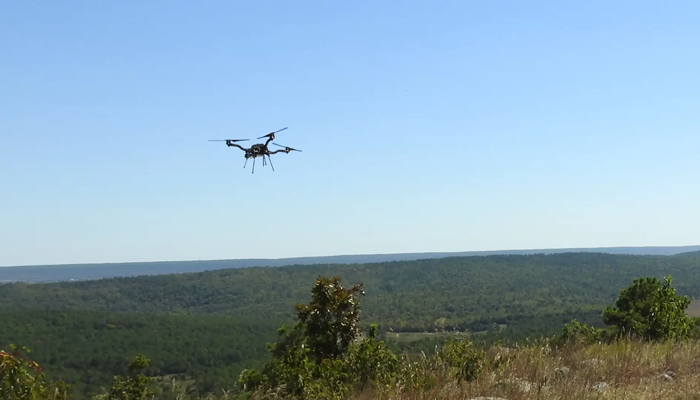
    The Choctaw Nation of Oklahoma (CNO) Beyond Program and uAvionix have received approval from the Federal Aviation Administration (FAA) for beyond-visual-line-of-sight (BVLOS) operations. The approval signifies uAvionix and the CNO have demonstrated to the FAA that the aircraft procedures, detect-and-avoid systems and control network meet the safety requirement for operation in the national airspace.

    This is the second BVLOS waiver granted by the FAA for the combinations of uAvionix SkyLine software and SkyLink hardware, allowing UAV pilots operating at the CNO range to use only an electronic observer.

    The CNO will be using uAvionix SkyLine command-and-control (C2) management platform and pingStation3 dual-mode ADS-B receivers at the Emerging Aviation Technology Center UAS Test Range. The SkyLine C2 management platform is integrated with the DeTect Harrier radar for surveillance, and is used to control several CNO and uAvionix owned electric vehicle takeoff and landing aircraft through muLTElink and SkyLink series C2 radios.

    “Having this capability available at CNO enables our customers to conduct testing and demonstration in Oklahoma and will further serve as guidance for future applications leveraging this concept of operations,” said uAvionix President Christian Ramsey.