Category: Applications

  • Making Europe’s Seaways Safe for eNavigation

    Making Europe’s Seaways Safe for eNavigation

    eLORAN Initial Operational Capability at the Port of Dover

    An overview of the work of the General Lighthouse Authorities of the United Kingdom and Ireland on the implementation of Enhanced Loran Initial Operational Capability (IOC) in the waters around Great Britain. eLoran is the latest in the longstanding and proven series of low-frequency, LOng-RAnge Navigation systems. It evolved from Loran-C in response to the 2001 Volpe Report on GPS vulnerability. It vastly improves upon previous Loran systems with updated equipment, signals, and operating procedures.

    By Paul Williams and Chris Hargreaves

    GPS/GNSS is everywhere! It is used in many ship’s systems (Figure 1), but it is vulnerable to interference both intentional and unintentional.

    Its output is displayed on the  electronic chart display and information system; is transmitted to other vessels using the Automatic Identification System (AIS); is used to calibrate the gyro compass; is used in the radar; is connected to the digital selective calling, its reported position transmitted at the push of the emergency button for search-and-rescue; is in the vessel data recorder, the dynamic positioning system, surveying equipment, the ship’s entertainment system for aiming the satellite dish; and it even synchronizes the ship’s clocks!
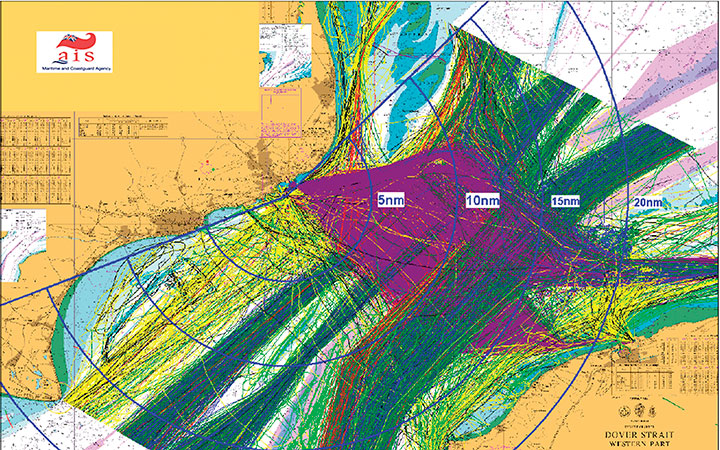
    28 days worth of ship-traffic data for the Strait of Dover.
    28 days worth of ship-traffic data for the Strait of Dover.

    GNSS is also used in marine Aids-to-Navigation (AtoN) provision, for deploying buoys and lights, AIS transponders, and AtoN position monitoring, and its precise timing capabilities are used to synchronise the lights along an approach channel to improve conspicuity.

    GNSS (effectively GPS) has become the primary Aid-to-Navigation (AtoN) used by all professional and most other mariners. The vulnerability of GNSS to space weather and interference (unintentional and criminal jamming) means that a backup system is needed to achieve resilient Position, Navigation, and Timing (PNT) for e-Navigation. Though the probability of losing GNSS may be low, the consequential impact could be very high, and maintaining an appropriate balance of physical and radionavigation AtoNs is vital for e-Navigation.
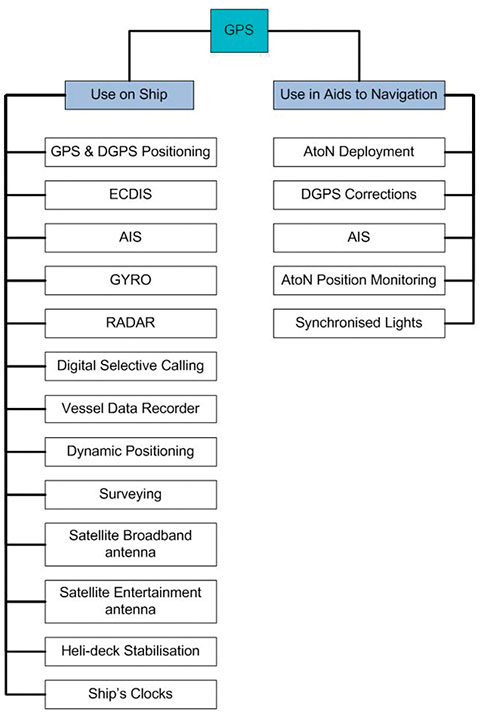
    Figure 1. GPS is used in many ship’s systems.
    Figure 1. GPS is used in many ship’s systems.

    The International Maritime Organisation seeks to develop a strategic vision for e-Navigation, integrating existing and new navigational tools in an all-embracing system, contributing to enhanced navigational safety and environmental protection, while reducing the burden on the navigator. One of IMO’s requirements for e-Navigation is that it should be resilient — robust, reliable and dependable.

    The General Lighthouse Authorities of the United Kingdom and Ireland (GLAs) have the statutory responsibility to provide marine AtoNs around the coast of England, Wales, Ireland, and Scotland. It has become clear over recent years that if the GLA chose to implement eLoran, it could rationalize its physical AtoN infrastructure, removing some lights and other physical aids, and on balance actually reduce costs by implementing eLoran. Indeed, compared to other possible resilient PNT options such as GNSS hardening, radar absolute positioning, increasing physical AtoN provision, eLoran would save the GLAs £25.6M over a nominal system lifespan of 10 years from the introduction of e-Navigation services in 2018 to 2028.

    Not So Old-Fashioned. How does the new eLoran differ from the old, outdated, Loran-C system? The core signal of eLoran is pretty much the same as Loran-C, but tolerances have been tightened up. Things like carrier zero crossing points, half-cycle peaks, ECDs, transmission timing, signal power, signal availability, power supply resilience have all been upgraded, taking advantage of improvements in technology allowing us to better appease the so-called four horsemen of navigation: accuracy, availability, continuity, and integrity.

    SAM control is a thing of the past, and eLoran transmitters are synchronised directly to UTC. This means that their times of transmission can be predicted. Having stations independently synchronised to UTC means that the mariner no longer has to rely on old-fashioned hyperbolic navigation. Charts with hyperbolic lines of position on them are also a thing of the past. A modern eLoran receiver works just like a GPS receiver, employing signals from all available transmitters in its position solution. With GPS those transmitters are moving in space; in eLoran the transmitters are fixed onto the surface of the Earth.
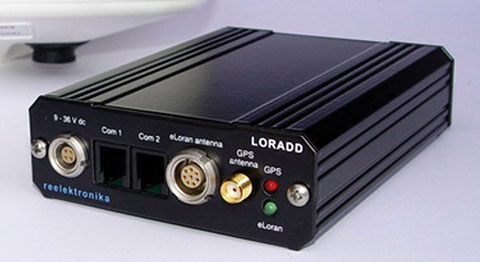
    Reelektronika LORADD receiver, only 3 centimeters tall.
    Reelektronika LORADD receiver, only 3 centimeters tall.

    Modern receivers are small (photo). They use off-the-shelf, high-performance processors, and the receiver is written in software, allowing a lot of flexibility.

    Three transmitters are sufficient to give you position; four or preferably five signals are better for integrity. But for timing and frequency applications you only need one transmitter. The Anthorn station in the UK can cover the entire UK and Ireland with a radio signal that has stability enough to satisfy the Stratum 1 frequency source requirement for steering the clocks of telecom networks, and Anthorn has not even been upgraded to full eLoran standard yet!

    One of the big differences between Loran-C and eLoran is that eLoran now has a data channel. Some of the Loran pulses of each pulse group are modulated so that data can be sent over the 100kHz signal. This allows service providers to send integrity alerts, and application-specific data, like UTC time, and differential-Loran (DLoran) and DGPS corrections. In Europe this is implemented by the already internationally standardised Eurofix system.

    A parallel can be drawn with GPS signals, which contain a navigation component (pseudorandom noise code and/or carrier phase) and modulated data. Some options for data channel technology are still evolving with 1500 bits per second demonstrated, and 3000 bps possible. That may not sound very much to salt-of-the-earth communications engineers, but for Loran it’s pretty impressive, especially when you consider prototype attempts at Loran data communications in the past have been limited to 30 to 250 bps.

    Maritime Applications Services

    How do we apply eLoran to something like the maritime application of port approach? It is important to remember that the receiver operates by measuring how long it takes a groundwave radio signal to travel over the surface of the earth. An eLoran receiver assumes that the world is made entirely of seawater, for which it has a very accurate propagation model built in. The receiver does not, and indeed cannot, know about any land along the propagation path; and land slows the signal down, perhaps by as much as a few microseconds, over typical propagation distances.

    So the service provider must survey the effects of the land masses in the area of coverage. The Additional Secondary Factors (ASFs) of all the stations across the proposed service area are therefore mapped. The ASF survey is a once-and-for-all task, but it needs to be done and the ASFs published. In the old days, hyperbolic lines would be “grid warped,” or tables would be published on paper for the navigator to enter values manually. But with modern eLoran receivers containing large amounts of memory, quite detailed ASF maps can be stored in the mariner’s receiver.

    ASFs depend on the electrical conductivity of the surface over which the eLoran signal travels. The conductivity changes with the constitution and moisture content of the earth. This means that the ASF along a path varies over a period of time —perhaps by as much as a few hundred nanoseconds over a year. Because the ASFs in a receiver are fixed, a method is needed to correct for this temporal ASF variation. In order to monitor this variation, a reference station is installed close to the harbor or point of use of the eLoran service. This DLoran reference station measures the temporal changes in the signals’ arrival times due to changing ASFs, transmitter variations, and weather effects.

    The phrase “reference station” conjures up images of expensive buildings, amenities, and hordes of personnel and associated support services. However, a DLoran reference station is a small box sitting in the corner of a room connected to a small eLoran receive antenna on the roof, and to the Internet. It sends differential corrections over the Internet to an eLoran transmitter, which then broadcasts them to the mariner’s receiver over the Loran Data Channel, for example Eurofix.

    Note that a DLoran reference station does not transmit a radio signal. It does not need a transmitter itself; it uses the Internet and the eLoran signal to disseminate its real time data. The mariner uses the same eLoran receiver to receive both the navigation signal AND the differential corrections.

    So the process is: map ASFs once; run a reference station; and broadcast corrections. That’s it! With good signal-to-noise ratio and transmitter geometry, 10-meter or better accuracy can be obtained.

    Measuring ASFs

    The GLA have had the ability to measure ASFs for several years, using a combination of commercial hardware and proprietary software (Figure 2).
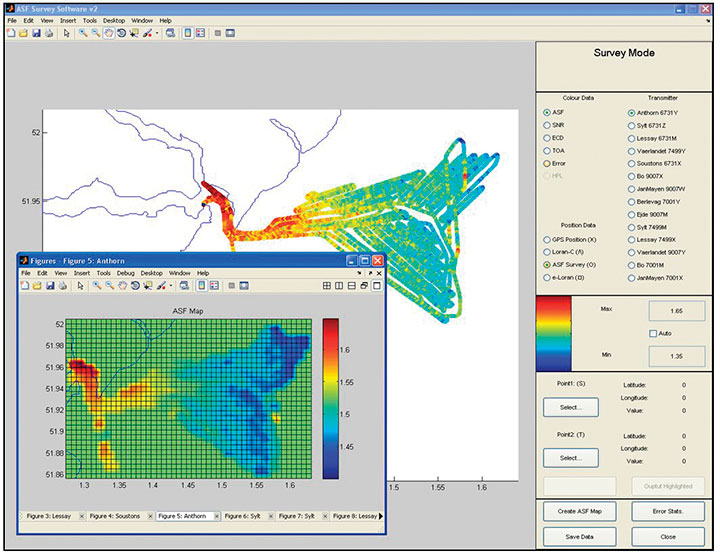
    Figure 2. GLA-produced software for ASF survey, processing, and validation.
    Figure 2. GLA-produced software for ASF survey, processing, and validation.

    The software, written in Matlab, shows a real-time plot of the survey as it progresses. The ASF values are color-coded according to magnitude. The software can also process the ASF data once it has been measured, to get the best performance out of it. The real-time capabilities of the software allow the determination of the quality of the data while aboard the ship, rather than having to wait until back in the laboratory. Statistical analysis of the data can also show where the ship should go to gather more data in a particular area.

    Once the survey is complete, the software can be used to generate interpolated grids of ASF data — the most convenient and accurate form of ASF data storage.

    It is important with any scientific or engineering measurement to establish the error on that measurement. The same can be said of ASFs, and so the software can calculate the error bounds on ASF measurements. This “ASF error” data can again be published in grid form alongside the ASF database. This allows it to be used as one component of an Integrity Equation, implemented within the mariner’s receiver, to calculate Horizontal Protection Level (HPL).

    After processing, the ASF data should be validated by performing a harbor approach or other maneuver that requires a particular positioning accuracy. For this, the software can be switched to “Validation” mode. Once the validation is successful, the data can be output in a publication format (RTCM SC-127 format for example).

    The plot in Figure 2 shows part of an ASF database for Harwich and Felixstowe, major ports on the east coast of the UK. Using this data and DLoran in the Harwich and Felixstowe approach provides 10-meter (95 percent) positioning accuracy.

    UK eLoran Prototype

    This prototype eLoran system works alongside GPS. It has been in operation 24 hours a day since May 2010. It is “prototype” because it demonstrates the concept of eLoran using signals from existing Loran-C stations in Norway, the Faroe Islands, Germany, and France plus the UK’s station at Anthorn; see Figure 3.
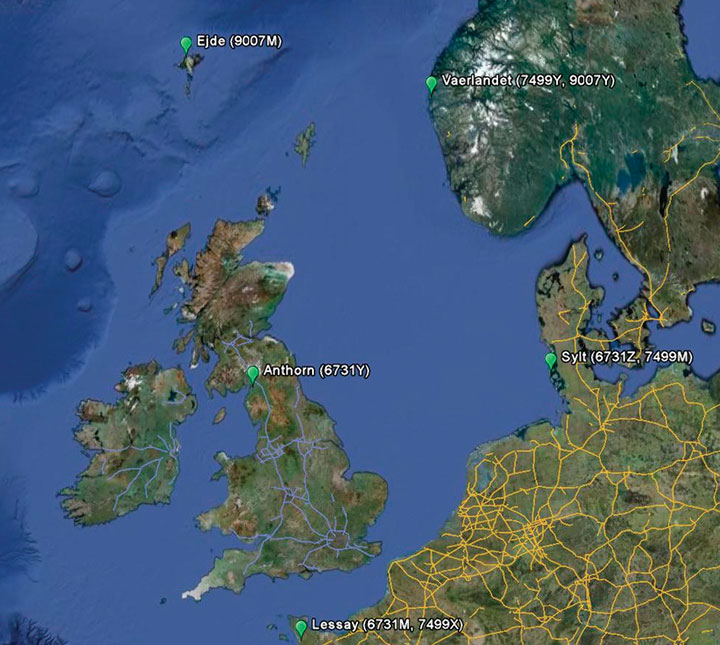
    Figure 3. Relevant European Loran-C stations for prototype eLoran.
    Figure 3. Relevant European Loran-C stations for prototype eLoran.

    These stations, together with ASF measurements and DLoran, can deliver a high-precision eLoran service in ports where 10-20 meter accuracy is needed, across the area enclosed by the green contour in Figure 4.
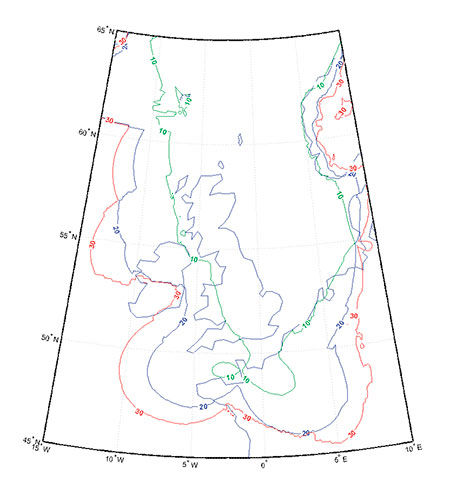
    Figure 4. Coverage of prototype eLoran over the UK and Ireland.
    Figure 4. Coverage of prototype eLoran over the UK and Ireland.

    It is very impressive, yet the full availability and accuracy benefits of eLoran are still to come as these stations are eventually upgraded to full eLoran capability. And for the last year or so, the GLA have begun to move beyond the confines of the Harwich and Felixstowe approaches and implement initial eLoran services in other regions around the GLA service area.

    The GLA aim to do this in two stages. In the first stage Initial Operational Capability (IOC) service will be installed by mid-2014, with the second stage Full Operational Capability (FOC) service covering all major ports in the UK and Ireland, plus Traffic Separation Schemes, installed by 2019 or so in time for e-Navigation.

    Initial Operational Capability

    IOC involves upgrading the installation at Harwich and Felixstowe and new installations in the approaches to another six of the busiest ports in the UK: Aberdeen, Grangemouth, Middlesbrough, Immingham, Tilbury, and Dover. For each of these areas an ASF survey and a DLoran reference station will be required.

    The corrections for these reference stations will be broadcast using the Anthorn Loran Data Channel. There is also the need for a Monitoring and Control System for the network of DLoran Reference Stations, and it is envisaged that this will be based in Harwich. Figure 5 illustrates the architecture of the Initial Operational Capability system. The diagram shows the major components: eLoran transmitter, DLoran reference station network, monitor, and control system. Also shown are the interfaces between the components, which provide not only operational data but also include the ability to monitor the integrity of the system. Also note that the Loran Data Channel is capable of supporting third-party messaging applications using a client “logon” facility. This is already being done at Anthorn.
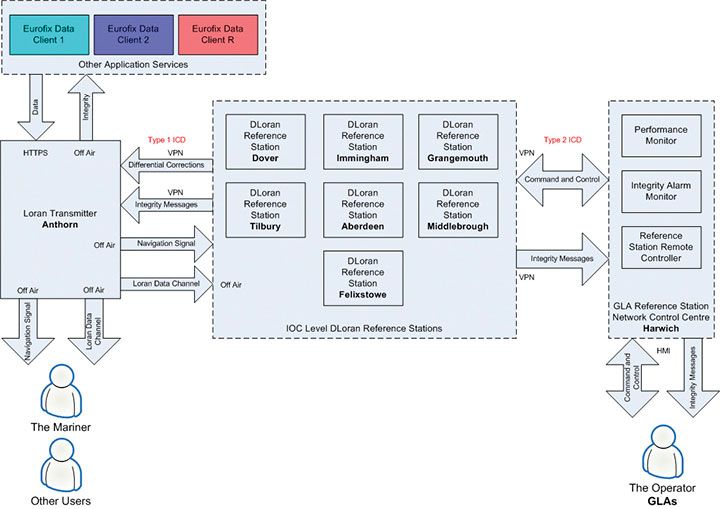
    Figure 5. The architecture of the UK GLA’s eLoran Initial Operational Capability.
    Figure 5. The architecture of the UK GLA’s eLoran Initial Operational Capability.

    The European tender process for seven operational reference stations and the control system is almost complete.

    The aim of IOC is to provide areas for demonstrations and trials, so that the mariner can gain experience of the system and its capabilities and provide feedback to the GLA on its performance.

    eLoran at the Port of Dover

    In the absence of the final operational reference stations, the GLA decided to perform an early implementation using prototype equipment that was already available at the GLA.   The choice for this implementation was obvious: the iconic Port of Dover, a major port on the southeast coast of the UK and the Dover Strait, one of the busiest seaways in the world. Some 500-plus vessels travel through the Strait each day on their way to or from the North Sea region; see Opening Figure.

    The GLA have, with the agreement of Port of Dover Operations, installed a prototype DLoran Reference Station within the port’s Terminal Control building. The roof of the building is an ideal location for the reference station receiver antenna as the location demonstrates low noise in the eLoran band and has easy access to mains power, cable runs, antenna mounts, and Internet access.

    The ASF survey took place in March 2012, and covers the area outlined by the yellow polygon in Figure 6.
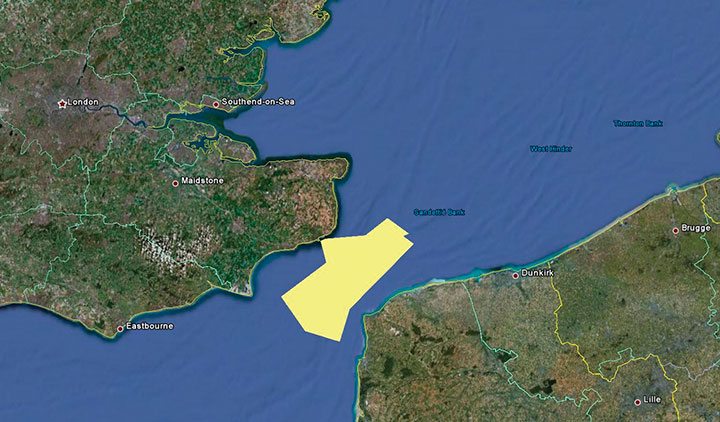
    Figure 6. Area of March 2012 ASF survey.
    Figure 6. Area of March 2012 ASF survey.

    Accuracy Performance Validation

    Once the ASFs had been measured and the prototype reference station installed, the performance needed to be tested. This was accomplished through a validation run of the vessel through the area.

    Figure 7 shows a screenshot of the GLA ASF measurement software running in validation mode. The colored track shows the path of the vessel, with the color indicating the positioning error compared to differential GPS. The vessel travels through an area of extrapolated and interpolated ASF data, so the positioning error at the northern end of the track is higher than the lower end of the track.
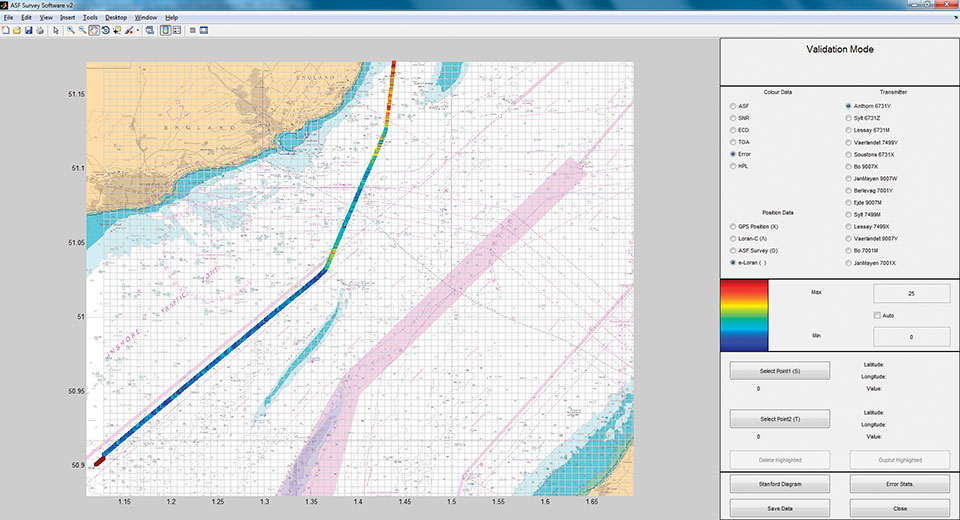
    Figure 7. Screenshot of GLA ASF measurement software running in validation mode.
    Figure 7. Screenshot of GLA ASF measurement software running in validation mode.

    Figure 8 shows a comparison of eLoran positioning against DGPS positioning along the route as a scatter plot. The associated Cumulative Distribution Function (CDF) is shown on the right of the diagram. From this it can be seen that the positioning accuracy obtained along this particular route was 12.5 meters (95 percent).
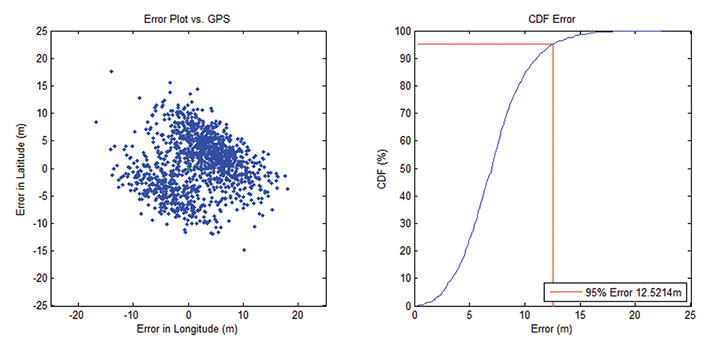
    Figure 8. eLoran positioning accuracy scatter plot and cumulative distribution function of positioning error. Accuracy: 12.5 m (95%)
    Figure 8. eLoran positioning accuracy scatter plot and cumulative distribution function of positioning error. Accuracy: 12.5 m (95%)

    Dover to Calais Ferry Installation. Further validation and demonstrations will take place aboard a cross-Channel ferry. P&O Ferries in the UK has installed a receiver aboard their vessel, The Spirit of Britain. This relatively new vessel is one of the largest passenger ships to operate along the iconic Dover to Calais route. Data will be collected and feedback obtained on the eLoran service’s performance over the coming months.

    Other Areas

    The GLA continue their work towards IOC-level eLoran. Dover was the first port of call for the GLA eLoran Initial Operational Capability — the ASFs have been mapped and a prototype DLoran reference station has been installed.  The final operational DLoran reference stations should be available this time next year.

    The next area the GLA have concentrated upon is the Thames Estuary up to Tilbury. Although the GLA have not yet installed a permanent DLoran reference station, the ASF survey was performed in November 2012 using a temporary reference station installed at Medway. Along the route shown in Figure 9, a validation trial demonstrated 8.3 meters (95 percent) accuracy (Figure 10). The GLA have also recently surveyed the River Humber, including its approaches, up to the port of Hull. The data is currently in the process of being validated.
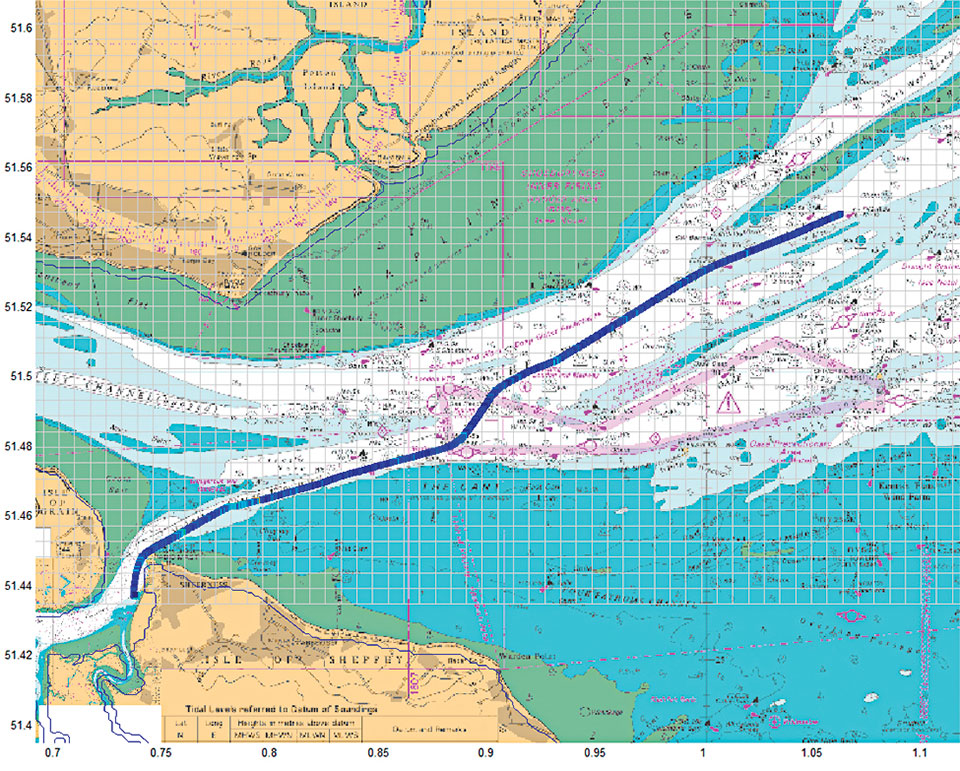
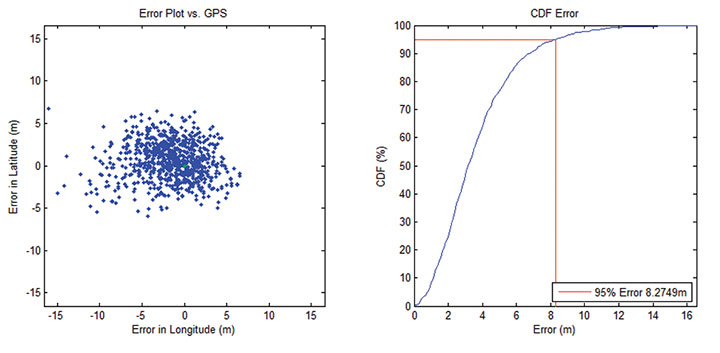
    Figure 9. ASF map validation route from the port of Medway heading out of the River Thames estuary.
    Figure 9. ASF map validation route from the port of Medway heading out of the River Thames estuary.
    Figure 10. eLoran positioning accuracy scatter plot and cumulative distribution function of positioning error. Accuracy: 8.3 m (95%).
    Figure 10. eLoran positioning accuracy scatter plot and cumulative distribution function of positioning error. Accuracy: 8.3 m (95%).

    Status and Next Steps

    The next steps are to continue the implementation of IOC eLoran at the remaining port approaches for this phase. It is the aim that all ASF surveys will have been performed by the middle of 2014 in readiness for the installation of the operational DLoran reference stations at each candidate port. Licence agreements are being established with the various port authorities involved in order to allow this.

    All ports that have been approached are positive and are keen to assist in the GLA eLoran implementations. eLoran noise surveys have been performed at all ports and locations for all DLoran reference stations have been found.

    The Port of Dover has prototype eLoran up and running and has demonstrated 12.5-meter (95 percent) accuracy during the limited validation performed so far; however, further validation continues aboard the Spirit of Britain ferry.

    The Thames Estuary ASF Survey has been performed, and 8-meter (95 percent) accuracy has been demonstrated in the area. The River Humber and its approaches have also been surveyed with validation in progress.

    IOC-level DLoran reference stations should be available mid-2014, ready for installation.

    The methods and processes employed during this work will be proposed for inclusion within the next version of the eLoran receiver Minimum Performance Specification as determined by Radio Technical Commission for Maritime Services (RTCM) Special Committee 27.  These include techniques and algorithms used for ASF measurement processing, the preferred ASF file format, guidelines on the usage of ASF data, and integrity computation.

    Acknowledgments

    The GLA acknowledge the assistance of the crew of THV Alert, the Dover Harbour Board, Peel Ports (Medway), Associated British Ports (Humber), Aberdeen Harbour Authority, Forth Ports, PD Ports (Middlesbrough).

    This article is based on a presentation made at the Institute of Navigation International Technical Meeting, January 2013, in San Diego, California.


    Paul Williams is a principal development engineer with the Research and Radionavigation Directorate of the GLA, and technical lead of the GLA’s eLoran Work Programme, responsible for the ongoing roll-out of the GLA’s eLoran Initial Operational Capability (IOC). He holds a Ph.D. in electronic engineering from the University of Wales.

    Chris Hargreaves is is a research and development engineer with the Research and Radionavigation Directorate Directorate of the GLA. His work focuses on eLoran in measurement trials, software development, and data analysis. He holds a masters’ degrees in mathematics and physics from the University of Durham and in navigation technology from the University of Nottingham.
  • Waterproof Datalogger

    VBox_Waterproof_2_Wet__94978_zoom
    Photo: Racelogic

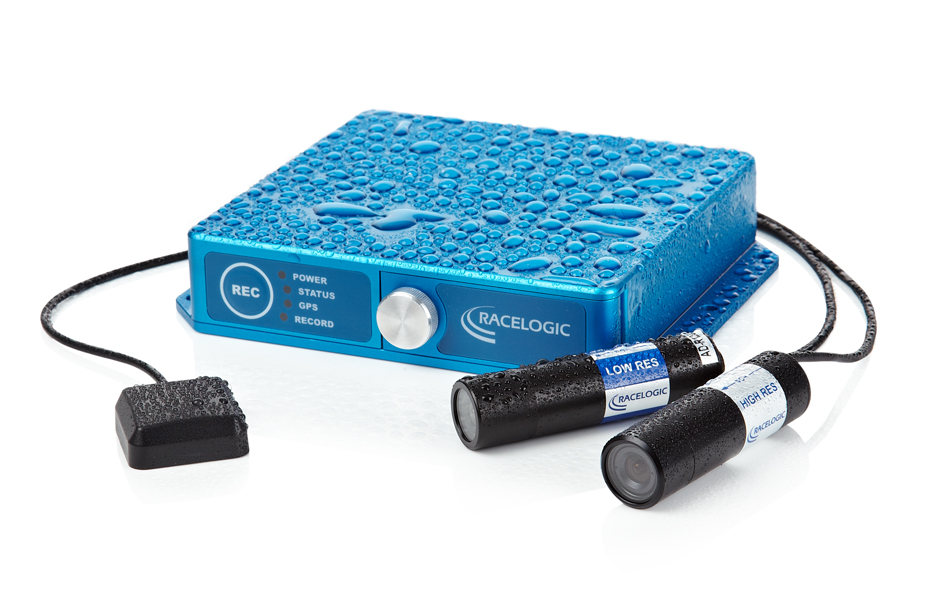
    Video VBOX Waterproof by Racelogic combines a powerful GPS data logger with a high-quality multi-camera video recorder and real-time graphics engine, allowing users to carry out detailed driver training and vehicle analysis whatever the weather. Housed in a water-resistant anodized aluminium casing (IP66), Video VBOX Waterproof incorporates a flange and mounting holes to permit users to bolt the system anywhere on their vehicle.

    The unit takes video from up to two bullet cameras and combines it with a customizable graphical overlay, recorded on to SD card or USB stick in DVD quality. It is designed for a variety of applications from automotive testing to motorsport, driver training, and industrial applications.

  • Micro GPS / GPRS / SMS Module for Personal Tracking

    tracemminilarge
    Photo: KCS BV

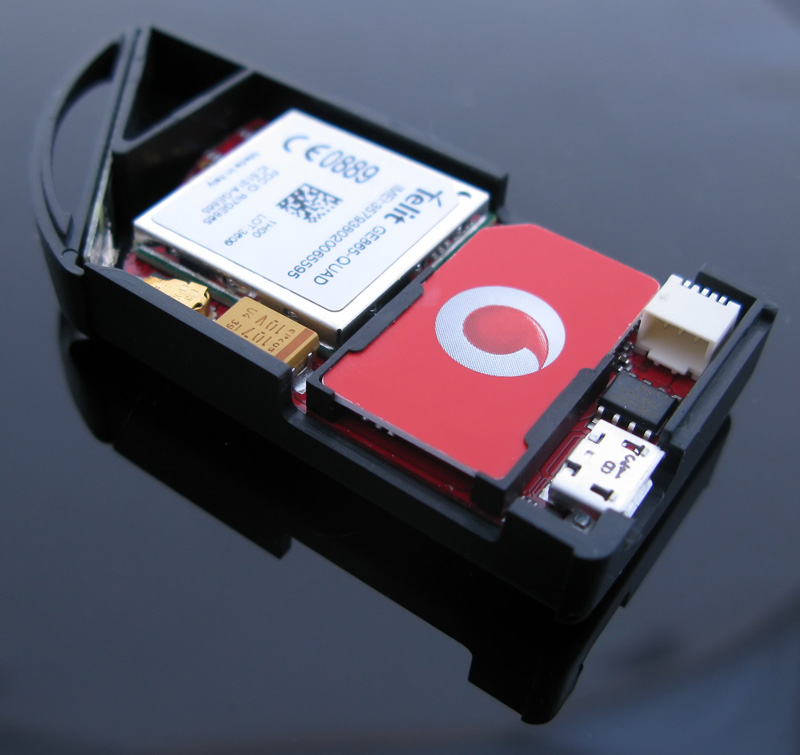
    The TraceME micro by KCS BV is a small GPS / GPRS tracker that fits inside a key chain. It is targeted for personal use and any application that need a minimum size while maintaining the exact same options and server connection full-size units have. KCS TraceME GPS / GPRS modules enable remote tracking of objects such as cars, trucks, containers, and motorcycles.

    Equipped with a 65-channel Skytraq Venus634LPx GPS receiver, the KCS TraceME Module provides reliable and accurate navigational data. All communication is handled rapidly and effectively by a GPRS/GSM modem (quad-band) through GPRS or SMS. In areas without network coverage, position data and events are stored in memory (up to 55,000 positions). As soon as communication is restored, all information can be transmitted. The user-configuration menu controls actions such as sending position information, depending on all possible events. All of the necessary server-side scripts to process and store data from the TraceME units are available free of charge.

  • EGNOS and Galileo Track Dangerous Goods

    EGNOS-Opener

    OS for Improved Accuracy, EDAS for Further Enhancement, Integrity Data

    EGNOS availability over Europe, as a precursor of Galileo globally, provides a guaranteed level of positioning accuracy in real time, for tracking vehicles transporting hazardous material. The EGNOS Open Service enhances position accuracy compared to GPS-only. The EGNOS Data Access Service further enhances accuracy and indicates the quality of the position data received from GPS. As a result of the SCUTUM project, EGNOS is now used in the operational transport of dangerous goods by road in Europe.

    By Antonella Di Fazio, Daniele Bettinelli, and Kyle O’Keefe

    The road sector is among the largest markets for GNSS applications, not only in automotive mass-market but also in professional applications such as freight transport and logistics. Carrying goods by road naturally involves the risk of traffic accidents. If the goods are dangerous, there is also the risk of incidents, such as hazardous spills, fire, explosion, chemical burn, or environmental damage. The many different kinds of authorities and operators active in the field have safety as a primary concern and make continuous efforts in this regard. To ensure that such transport continues being profitable and logistically effective, emphasis is placed on the quality and condition of infrastructure, on transport safety, and on supervision and control.

    Technology’s role, particularly that of GNSS, is to provide the capability of supervision and surveillance, and thus enable better incident management and proactive prevention of accidents, while enhancing work. Use of GNSS combined with sensors and wireless devices has rapidly increased to enable continuous tracking and tracing services. GNSS-tracking devices installed on board vehicles ensure that the position, the date and time, the speed and the course, and any deviation with respect to a predefined path (coordinates and time) are transmitted automatically to a monitoring center. Combined with sensors, such devices send positioning information and the critical status parameters of the material (depending on the nature of the transported material and sensor type: identification of the goods/packaging, temperature, pressure, tampering or valve opening, and so on).

    At the monitoring center, positions are displayed on digital maps, and regular data reports are processed for:

    • continuous tracking and tracing,
    • control of the shipment in a specified route (according to the plan and authorized path),
    • ­early warning/alarm when an anomaly condition is detected,
    • recording and logging for a regular summary of reported incidents, and
    • informing emergency-response forces for preparation of management arrangements and supporting emergency response plans.

    These operations help reduce the possibility of human error during transport, prevent incidents, enforce regulations, and support law enforcement.

    The European Geostationary Navigation Overlay Service (EGNOS), a satellite-based augmentation system (SBAS), augments the GPS signal over Europe and provides more precise positioning services. In addition, it gives users information on the reliability of the GPS signals (integrity data).

    EGNOS is designed for safety-critical civil aviation operations. The characteristics of the EGNOS signal are compliant with Radio Technical Commission for Aeronautics Minimum Operational Performance Standards (RTCA MOPS) for airborne navigation equipment using the GPS augmented by SBAS. EGNOS also allows multimodal/land transport applications; however, EGNOS optimal use in these applications requires specific customizations for environments not compliant to MOPS.

    The majority of receivers available on the market and integrated in operational devices are EGNOS-enabled. EGNOS provides two services suitable for multimodal/land transport applications:

    • EGNOS Open Service (OS) is made available to users equipped with GPS/EGNOS receivers, via the satellites’ Signal in Space (SiS).
    • EGNOS Data Access Service (EDAS) consists of a server that gets the data directly from EGNOS and distributes it in real time to professional users via terrestrial networks, within guaranteed delay, security, and performance.

    Software solutions and technologies capable of using EDAS and able to deliver added-value services for road applications have been developed in various European projects in the past several years, have been extensively proven in real life, and are presently ready for operational use. During the last seven years, capitalizing on the efforts of national/European projects and company investments, Telespazio has developed LoCation Server (LCS) navigation software based on a patented algorithm, suitable for combined use of EGNOS OS/EDAS in road applications. LCS makes use of EDAS to augment EGNOS OS performance by:

    • improving the availability of EGNOS OS, since EGNOS SBAS corrections are made available to users through terrestrial networks and thus also in the cases of poor SiS visibility or complete absence;
    • enhancing EGNOS OS position accuracy using the patented software navigation solution to implement EGNOS SBAS corrections; and
    • ­processing EGNOS integrity information to compute the protection levels that give a qualification and a level of confidence in the position information. LCS is configured to output horizontal protection level (HPL) and vertical protection level (VPL).

    Between October 2010 and November 2011, the European project SeCUring the EU GNSS adopTion in the dangeroUs Material transport  (SCUTUM) conducted an extensive trial campaign in various road environments (urban and extra-urban) and real operation scenarios, to assess the performances of EGNOS OS and EDAS in comparison with GPS-only. SCUTUM trials were carried out with GPS/EGNOS receivers available on the market for automotive applications.

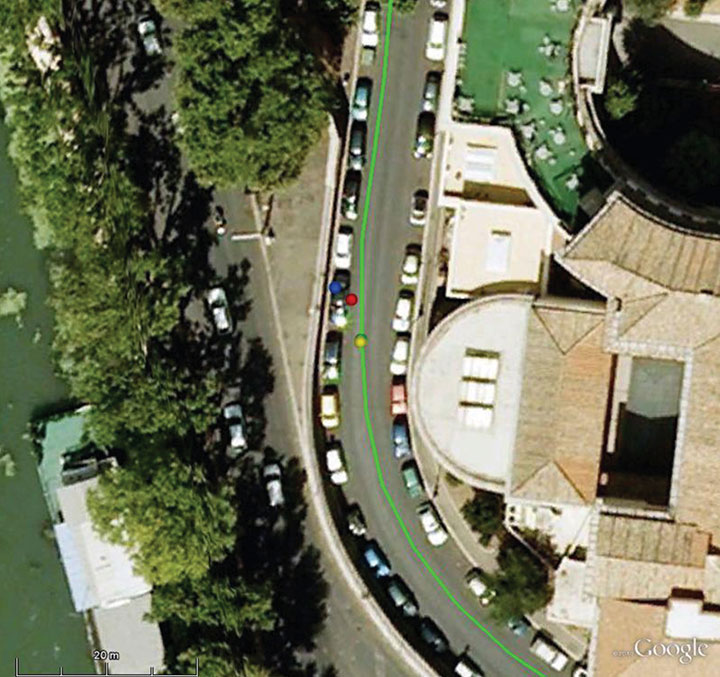
    Analysis of the data collected during the trials shows that EGNOS OS enhances GPS position accuracy by 3 meters in road environments (see Figure 1). EDAS via LCS enables improvements over EGNOS OS by increasing the availability of SBAS corrections, further enhancing GPS position accuracy. Moreover, it affords the possibility of qualifying and guaranteeing GPS position information by exploiting EGNOS integrity and computing the protection levels.

    Figure 1A. The green line indicates the reference trajectory; the position obtained by using EDAS with LCS (yellow dot) is more accurate with respect to the position obtained by using EGNOS OS (red dot) and the position obtained by using GPS only (blue dot).
    Figure 1A. The green line indicates the reference trajectory; the position obtained by using EDAS with LCS (yellow dot) is more accurate with respect to the position obtained by using EGNOS OS (red dot) and the position obtained by using GPS only (blue dot).
    EGNOS-Fig1B
    Figure 1B. A snapshot displaying the HPL computed by using EDAS with LCS.

    SCUTUM Goods Tracking

    Funded by the European Commission and managed by the European GNSS Agency (GSA), SCUTUM is the European best practice for the operational adoption of EGNOS in the transport of dangerous goods. An Italian oil company, eni, has had the opportunity to prove EGNOS added value compared to GPS alone, and to validate the relevant operational benefits in terms of higher safety and efficiency. The company adopted EGNOS to track and trace its operational fleet transporting dangerous goods throughout Europe. At the end of SCUTUM’s project timeline in November 2011, more than 300 eni tankers transporting hydrocarbon and chemical products in seven European countries were monitored with EGNOS. Today eni plans to gradually extend the use of EGNOS to the transport of chemicals and aviation products, and to further European countries.

    Sensors installed on the trailer to record load status.
    OBU on the tanker integrating a GPS/EGNOS receiver.
    OBU on the tanker integrating a GPS/EGNOS receiver.

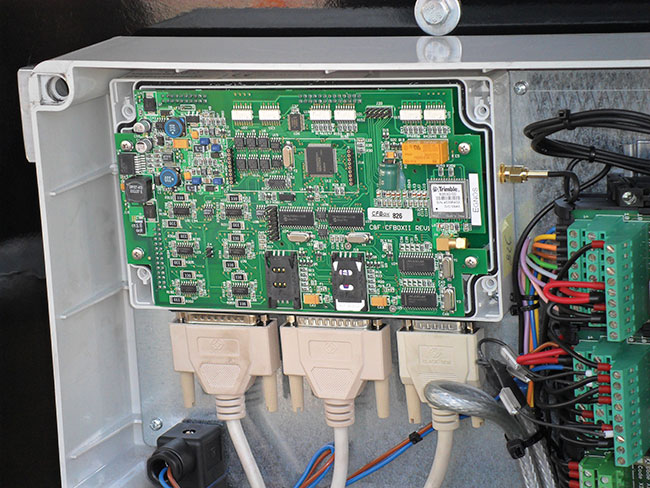
    The tankers (see opening photo) are equipped with GPS/EGNOS tracking devices, consisting of a set of sensors installed on the trailer to record the status of the loads. The sensors are connected to an onboard unit (OBU) installed on the truck that integrates a GPS/EGNOS receiver configured to use EGNOS OS. The OBU collects measurements from the sensors, detects information on the vehicle’s parameters, measures the GPS/EGNOS position, and sends this set of data via a GPRS link to a remote monitoring platform (the transport integrated platform, or TIP) enhanced by LCS to use EDAS. The TIP receives the data from LCS, that is, EGNOS positions (corrected by EGNOS OS if available or corrected by EDAS), the relevant HPL and VPL, and visualizes them as shown in Figure 2.

    Figure 2. Operational tanker remotely monitored at the TIP by EDAS via LCS.
    Figure 2. Operational tanker remotely monitored at the TIP by EDAS via LCS.

    LCS for EDAS Services

    LCS consists of several software modules, among them a module connecting to EDAS to get EGNOS data, and a module implementing the navigation solution by means of the Telespazio algorithm.

    LCS makes use of EGNOS SBAS messages plus GPS ephemerides received in real time from EDAS (using Service Level 1), the positions (GPS or EGNOS OS positions when available) and time, and raw GPS measurements (code ranges) from the GPS/EGNOS receiver integrated in the OBU.

    LCS calculates and returns EGNOS corrected positions (also in case of lack of SiS visibility) and the relevant protection levels obtained by processing the EGNOS integrity message. The HPL/VPL give a guarantee of the position information from the GPS/EGNOS receiver, as they qualify the reliability of position information and provide a measure of the confidence of the reliability.

    If the position data from the OBU is not corrected with EGNOS OS (via the SiS), LCS uses the SBAS messages plus the GPS ephemerides, calculates and applies SBAS corrections, then calculates HPL/VPL. If the position data from the OBU is corrected with EGNOS OS (via the SiS), LCS returns only the HPL/VPL.

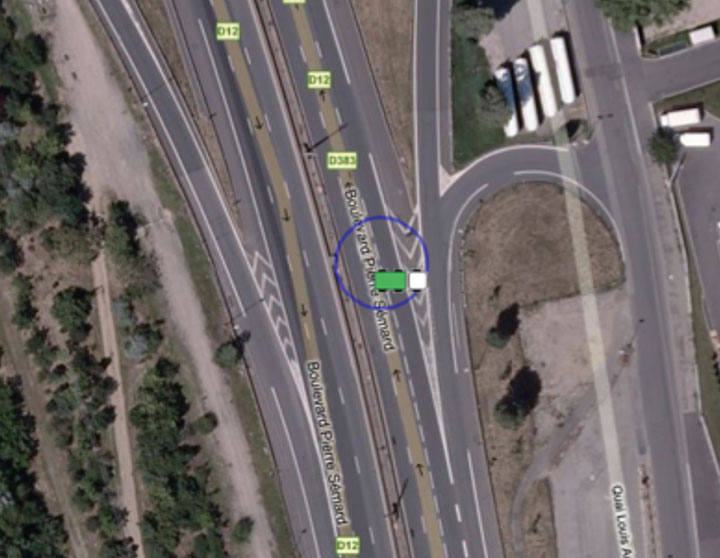
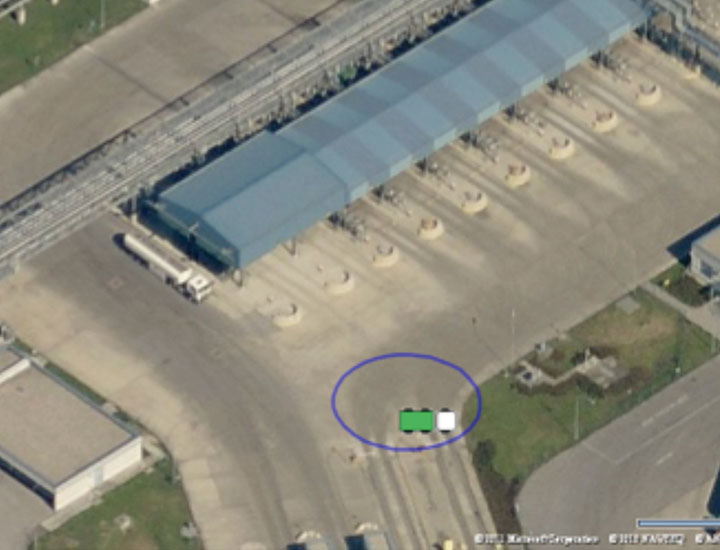
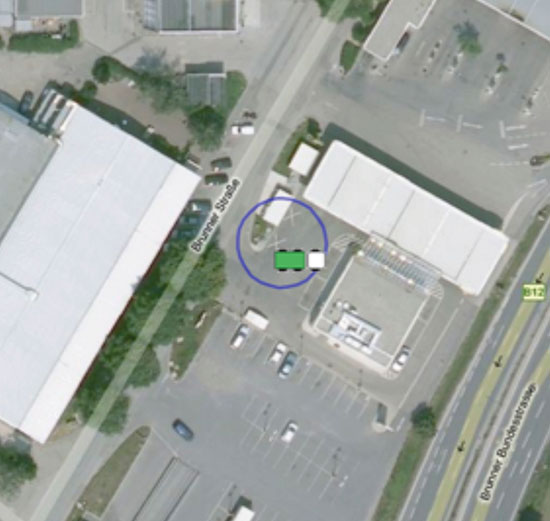
    For remote monitoring of transported dangerous goods, the features provided by EDAS via LCS  (better accuracy, higher confidence on the position, enhanced availability) are considered valuable by eni, as they enable tracking tankers more precisely and reliably along delivery routes, and also from bay to bay  (Figure 3).

    Figure 3. Accurate remote monitoring of a tanker in a bay area.
    Figure 3. Accurate remote monitoring of a tanker in a bay area.

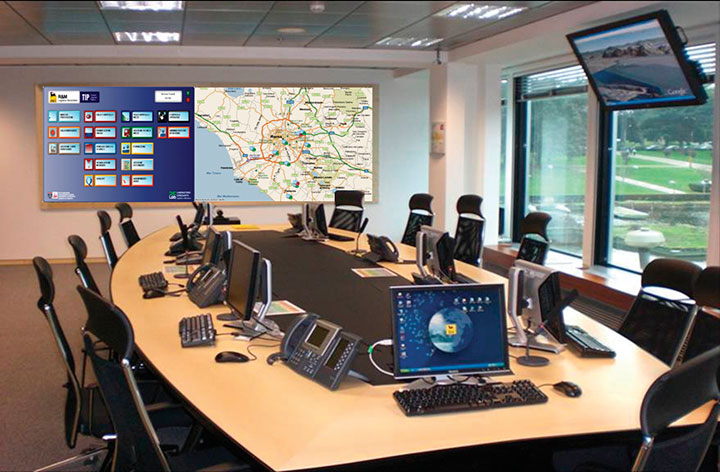
    At the OBU, the positions are combined with other collected parameters, such as speed, engine parameters, driving parameters, loading/unloading the product on the vehicle, quantity of goods on the vehicle, product temperature and pressure, opening/closing bottom valves and manholes, opening/closing loading station. The information is sent to the TIP and visualized to the local operator, and also forwarded to the eni emergency room (shown in Figure 4) that is connected to the fire brigades and civil-protection emergency centers.

    Figure 4.  eni emergency room.
    Figure 4. eni emergency room.

    In an abnormal situation, such as the vehicle deviating from its planned path or being located in a dangerous/sensitive area, the local operator raises a warning and establishes a contact with the driver. If an accident occurs, an alarm is generated also at the eni emergency room responsible for emergency management and coordinating search-and-rescue operations with the proper public entities. The information is also used to keep the involved transport operator and eni’s customers informed.

    Additionally, this information is stored for law enforcement and prevention purposes. Position data and parameters are analyzed to produce statistics and study cases of near-miss accidents.

    Benefits generated from EGNOS lie primarily in the capability to implement more accurate risk management and to strengthen safety and prevention. The higher precision with respect to GPS alone and the location achieved by using EDAS via LCS ensure more accurate and reliable monitoring of operations in normal and critical situations, and thus are valuable for commercial purposes and safety reasons. Moreover, eni considers the position guarantee given by the protection levels useful for research on accident prevention.

    Multipath-Mitigation Algorithm in LCS

    SCUTUM also implemented and tested a multipath-mitigation algorithm used to enhance LCS, to further mitigate the effects of code multipath, typical of land applications. Developed in cooperation with the University of Calgary, the algorithm is based on a fault detection and exclusion (FDE) method and is designed to ensure that biased/multipath-affected observations do not contaminate the navigation solution.

    As SCUTUM deals with a road transport application, the assessment targeted the HPL only. The algorithm is based on a statistical-empirical concept combining:

    • an FDE procedure using a statistical reliability method for the detection and removal of code-range observations corrupted by multipath; and
    • a field-testing procedure using the receiver under study and a geodetic-quality receiver to produce a reference trajectory.

    The FDE procedure consists of sequential steps:

    • Computation of the navigation solution by means of a least-squares solution to obtain the calculated position, the HPL, and the residuals;
    • Reliability testing on the residuals, to detect the outliers (observations that contain biases and thus are considered measurements affected by multipath errors);
    • ­­Exclusion of the detected outliers and re-computation of the navigation solution;
    • ­­Iteration of the steps. In each iteration, the observation with the largest residual flagged as an outliner is removed.

    The procedure ends once no further outliers are isolated, or the number of remaining observations is less or equal to five, or several special-case conditions occur. Outlier detection is done on the basis of a rejection threshold on the standardized residual. This rejection threshold is a parameter of the multipath-mitigation algorithm and is tuned by means of the field-test results. Additionally the multipath-mitigation algorithm behavior is a function of other parameters that depend on various factors, including satellite elevation, signal strength, and overall satellite geometry.

    Field Trials

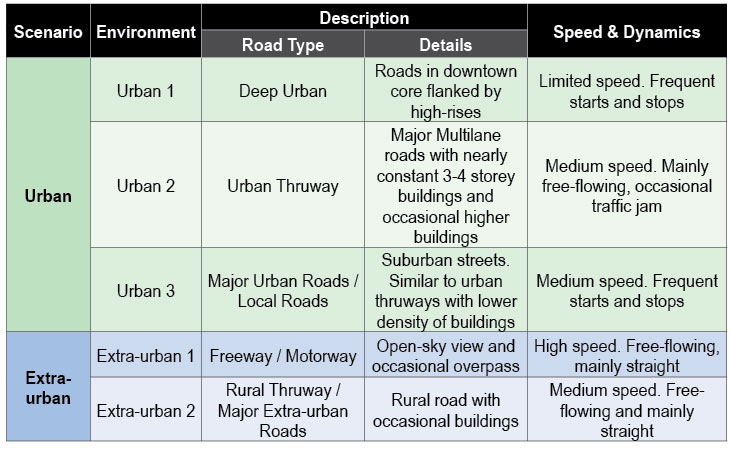
    SCUTUM field trials covered several environmental conditions and LCS configurations. Tests were performed in a wide range of Italian urban and extra-urban road environments. They considered five different typical driving environments (Table 1), corresponding to different levels of GPS and EGNOS signal availability and multipath, and various vehicle speeds and dynamic characteristics, with the objective of testing the robustness of LCS’s navigation solution.

    TABLE 1. SCUTUM field trials driving environments.
    TABLE 1. SCUTUM field trials driving environments.

    From a physical point of view, the presence of natural and/or artificial obstacles could lead to lack of GPS and SBAS signals, worse satellite geometry, and introduction of additional errors in the measurements due to multipath propagation effects. Urban canyons are particularly prone to such effects, although they occur also in other cases depending on the topographic characteristics of the environment. For these reasons, the trials covered all possible environments traveled by LCS users, to provide a complete technical and business analysis for each operational condition.

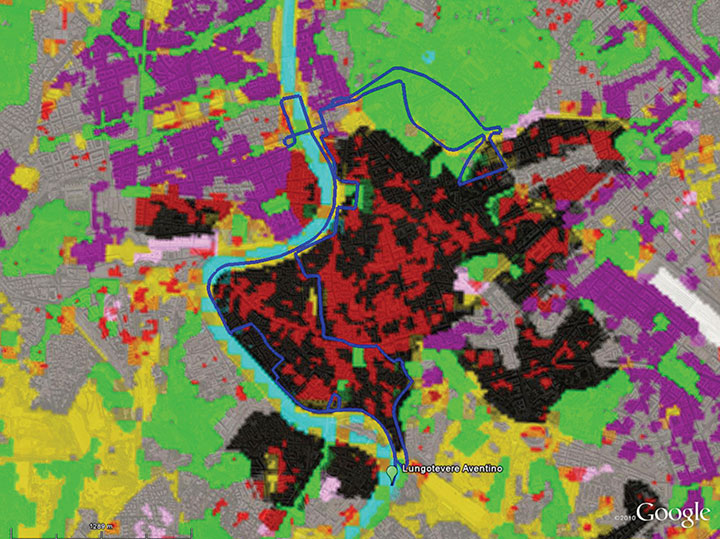
    To accurately indentify the appropriate driving environment, trial paths were matched on clutter maps categorizing the different driving environments (as shown in Figure 5 in the example of a trial path in Rome).

    figurE 5  Method for driving environment identification by means of a clutter map.
    Figure 5. Method for driving environment identification by means of a clutter map.

    A reference trajectory, hereafter called the true path, was calculated in post-processing, through a kinematic differential GPS method, by using GPS L1 and L2 carrier-phase measurements, combined with inertial navigation system (INS) measurements.

    The differential GPS L1 and L2 carrier measurements were collected with a reference receiver installed near each test location, at an inter-receiver distance not exceeding 20 kilometers. The reference receiver was geo-referenced via a dedicated GPS network solution (based on a continuous collection campaign of at least two days’ data). The combination with INS targets smooth trajectories free from jumps, even in difficult GPS environments.

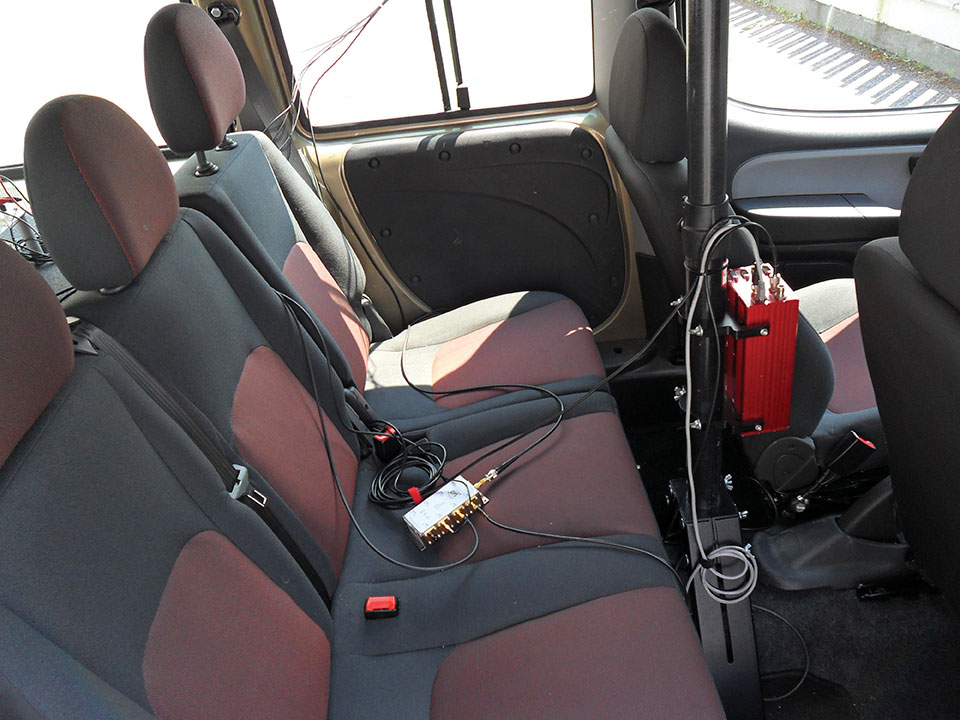
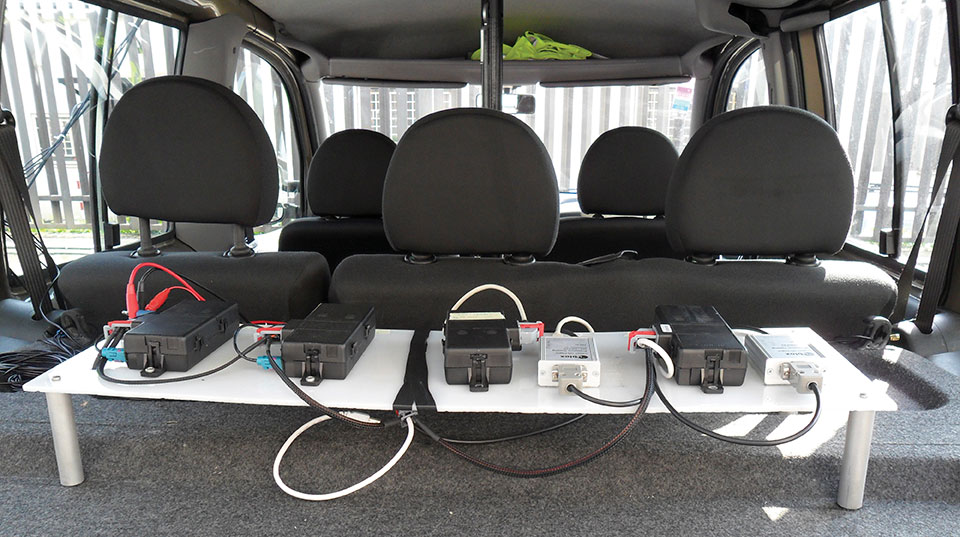
    The tests ran on two identical OBUs, one GPS-only and one using GPS+EGNOS. The two OBUs and the GPS/INS system were installed in a test vehicle (Figure 6) and connected to a standard GPS patch antenna for automotive applications. Two pairs of OBUs were used (Figure 7).

    Figure 6. GPS/INS system installed in the vehicle.
    Figure 6. GPS/INS system installed in the vehicle.
    Figure 7. OBUs in test vehicle.
    Figure 7. OBUs in test vehicle.

    Test Results

    The trials collected these data sets:

    • Raw measurements from the GPS/INS system;
    • Positions and raw measurements from the two OBUs, GPS and GPS+EGNOS respectively.

    As mentioned, positions and raw measurements from the GPS OBU were processed by LCS’s navigation solution in three configurations:

    • LCS baseline, running the baseline multipath mitigation method (based on the proprietary patented algorithm);
    • LCS enhanced, applying the multipath-mitigation algorithm with default settings of several parameters;
    • LCS enhanced and tuned, applying the multipath-mitigation algorithm with tuned parameters. The tuning was obtained by applying the combined statistical-empirical concept described earlier.

    Data collected during the field trials was analyzed in terms of:

    •  average values for the horizontal navigation system error (HNSE) that is the horizontal difference of the OBU position with respect to the reference trajectory;
    • average values for the HPL that gives an indication of the confidence/guarantee of the position above mentioned; and
    • the availability of the processing of LCS’s navigation solution.

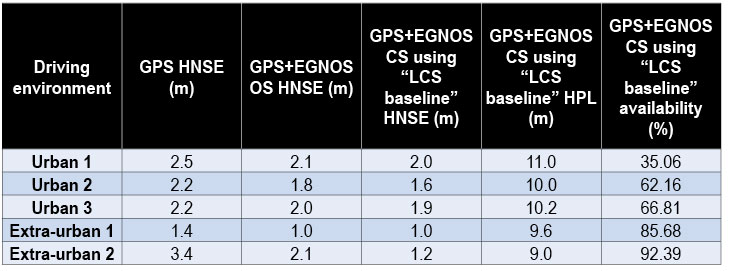
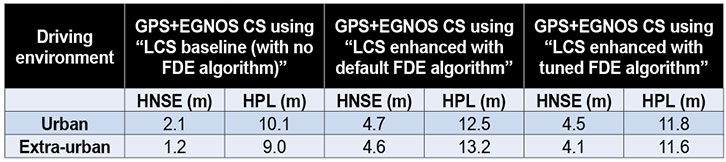
    Test data was analyzed with both commercial and freely available software packages. Table 2 reports the performances of LCS in its baseline configuration for each driving environment. Table 3 reports the performances of LCS by means of the multipath-mitigation algorithm with different tunings for extra-urban and urban environments.

    TABLE 2. Performances of LCS baseline for driving environments.
    TABLE 2. Performances of LCS baseline for driving environments.
    TABLE 3. Performances of LCS enhanced by multipath mitigation algorithm with different tunings.
    TABLE 3. Performances of LCS enhanced by multipath mitigation algorithm with different tunings.

    The results show that for the road environments tested, LCS baseline performs better than statistical FDE.

    From these results, an interesting conclusion can be drawn: in the road environments tested, a traditional FDE approach is not as effective as would be expected. Specifically, the removal of observations with large residuals resulted in larger overall position errors, both before and after attempting to estimate a larger observation variance than normally used for GPS. The reason for this is that in urban environments and extra-urban road environments there is significant multipath, corrupting many observations at the same time that the number of available observations is low. The conclusion is that on average, in the environments tests, it is better to leave small, but still statistically detectable errors in the solution than to remove them and degrade the solution geometry.

    The fault-detection approach will be more appropriate in a multi-constellation GNSS, and in particular in the future when Galileo satellites can be used in conjunction with GPS, resulting approximately double the satellite availability in all environments.

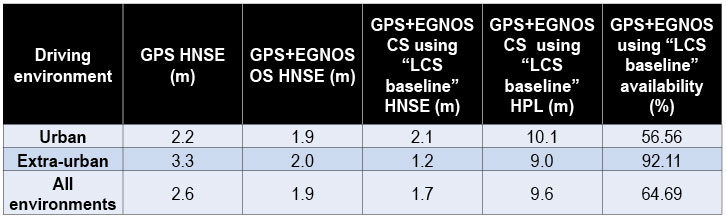
    Table 4  summarizes average performances for GPS+EDAS using LCS baseline compared with those of the GPS-only and GPS+EGNOS.

    TABLE 4. Average performances of GPS+EDAS by means of “LCS baseline” in comparison with GPS-only and GPS+EGNOS OS.
    TABLE 4. Average performances of GPS+EDAS by means of “LCS baseline” in comparison with GPS-only and GPS+EGNOS OS.

    Workshop Agreement

    SCUTUM also carried out a European Committee for Standardization (CEN) workshop that elaborated the CEN Workshop Agreement (CWA) 16390:2012, Interface control document for provision of EDAS-based services for tracking and tracing of the transport of goods, that is, the technical specification for development of EDAS-based products and applications.

    CWA 16390 specifies:

    • the data (and relevant format) needed from the GPS/EGNOS receivers by the software solutions connected to EDAS, to enable the implementation of products and added value services; and
    • the type/format of the added value services produced by the software solutions (EDAS-based services).

    The technical specification defined in CWA 16390 is architecture/technology-independent and flexible, so as to:

    • cope with different architectures (for example, those envisaging software solutions running in the monitoring platforms or in the OBUs); and
    • ensure its applicability in ITS systems and various mobility applications.

    CWA 16390 was endorsed by several European stakeholders from industry, institutions, and the research sector. The Ministries of Transport in Italy and France, partners in the SCUTUM project, validated it as part of a shared vision for EGNOS adoption and exploitation. Italy’s Ministry of Transport is presently carrying out the possible evolution of CWA 16390 into an Italian standard.

    Conclusions

    SCUTUM represents the first step towards a larger use of EGNOS in Europe for the provision of services for road applications, and opens the market for Galileo. Its key findings are that EGNOS OS generally enhances the position measured using GPS-only in all extra-urban and urban environments. EDAS generally provides further enhancements, and also gives an indication of the quality of the position data received from the GPS.

    LCS is a plug-in solution that enables easy retrofitting of existing GPS systems to use EGNOS, but optimized for road applications. By integrating it in tracking and tracing monitoring platforms and configuring the vehicle-installed OBUs, LCS enhances GPS position accuracy by approximately 4 meters and provides a level of confidence in the position information in the form of an HPL and a VPL. LCS will also improve GPS/Galileo integrated solutions when Galileo is operational. Its navigation solution will be more robust with Galileo and in general with multiple constellations, thanks to the availability of more satellites in view.

    Manufacturers

    A NovAtel FLEXG2-V2-L1L2 served as GPS reference with a NovAtel dual-frequency GPS-702GG antenna. An Oxford Technical Solutions RT2002 dual-frequency GPS/INS system served as rover. The two OBUs integrated a u-blox 5 GPS/EGNOS receiver. In its present configuration, LCS is connected to a dedicated GPS/EGNOS receiver, NovAtel ProPak-V3-L1 acting as EDAS back-up for robustness reasons.


    Antonella Di Fazio works in the GNSS Infomobility Business Unit of Telespazio, in charge of innovative applications and services and program and technical coordinator of European R&D projects, devoted to the use of EGNOS/Galileo.

    Daniele Bettinelli works in the GNSS Infomobility Business Unit of Telespazio, in charge of the specification, design and development of services based on EGNOS and EDAS, in particular for land applications.

    Kyle O’Keefe is an associate professor in the Position, Location And Navigation (PLAN) group of the Department of Geomatics Engineering at the University of Calgary.

  • Expert Advice: Setting Standards for Indoor Position

    GregTuretzky-W
    Greg Turetsky

    Communications Security, Reliability, and Interoperability Council (CSRIC) Update

    By Greg Turetsky

    Many of us remember way back in 2001 when the FCC first announced E911 position reporting requirements for cell phones. That was a long time ago in many significant ways. Everyone had 2G phones and anxiously anticipated the arrival of 3G, and with it, data. Most people still had a landline at home, and used their mobile sparingly lest they overrun their monthly minutes. Roaming was very expensive and nearly impossible overseas. Very few phones had GPS, and people only turned it on when needed, as it significantly reduced battery life.

    Now, in 2013, all of the technology has changed, but — not unexpectedly — the regulations have not. This is one of the reasons the U.S. Federal Communications Commission (FCC) created CSRIC.

    The Communications Security, Reliability, and Interoperability Council’s mission is to provide recommendations to the FCC to ensure, among other things, optimal security and reliability of communications systems, including telecommunications, media, and public safety. The current council, CSRIC III, was born on March 19, 2011, and ended on March 18, 2013. Working Group 3 (WG-3), the E911 Location Accuracy group, has looked into both outdoor and indoor location accuracy issues to help the FCC shape new guidelines. I don’t think any of us would argue that given the current patterns of cell phone usage, the ability to provide a location indoors to a public safety answering point (PSAP) is something that is now needed, has significant value to the public, and would seem to lie within our grasp technically.

    Working Group 3 is a fairly large group of experts from a wide variety of backgrounds. The actual list of participants is publicly available; what’s more interesting is the groups that they represent. Three main constituencies constitute the Working Group: the public safety community, the wireless operators, and the technology vendors. Each group has a slightly different goal, but they all worked well together to produce clear, unbiased reports that represent all the different members’ views in a way that lends more credibility to the overall report.

    On March 14, the FCC released two reports created by WG-3: the “Indoor Location Test Bed Report,” and “Leveraging LBS and Emerging Location Technologies for Indoor Wireless E911 Report.” I will not review either document here as they are available publicly, but I will summarize the highlights of the reports from my perspective as a member of the location community and a concerned citizen, and attempt to predict where the process might lead next.

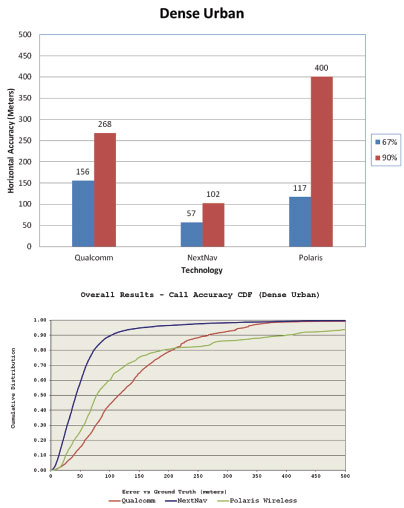
    Figure 1. Indoor accuracy in the dense urban environment.
    Figure 1. Indoor accuracy in the dense urban environment.

    Test Bed Report. In my mind, two key results emerged from the Test Bed Report. The first was very positive: the test bed showed that there are technologies capable of yielding positions indoors, and their performance can be compared analytically. This may seem like a bland statement, but it carries a significant amount of weight with both the public safety community and the FCC. It acknowledges that the technology has evolved sufficiently such that in a test bed setting, we can gather and compare, in an apples-to-apples way, the performance of diverse technologies in terms of yield and accuracy. Similar to the LightSquared reports, this report focuses on ensuring that the data itself is valid. The interpretation of the data is far too politically and economically charged to be agreed on by all parties involved. It is a great accomplishment to concur on a methodology by which testing should be done, and to produce a set of results that can be given to the FCC with the entire council’s approval.

    The second highlight from my perspective was less positive. The test bed originally had seven participants, but in the end only three completed the process. This indicates that there are even more candidate technologies for solving the indoor E911 problem — but for a variety of reasons, they were not ready for CSRIC testing at this juncture. Although having three choices is good, seven (or even more) would be better for the FCC to feel confident in its ability to create a new mandate with sufficient flexibility on implementation. There are clearly many ways to skin this cat technically, but we have to ensure that the test bed methodology allows as many as possible viable alternatives to be compared. There is clearly a gap between those technologies that are commercially available and those that can be used for E911.

    Leveraging LBS. The Leveraging LBS Technology report also reached some interesting conclusions. The concept of leveraging LBS was actually how I became involved in the CSRIC. The underlying question that the FCC asked me to explore was “Why can a smartphone user can get a dot on a map indoors (usually with an uncertainty circle, no less), but no location information shows up on the PSAP screen if he makes an E911 call?”

    As we dug into this problem, it became clear that this was less of a technology problem and more of a business/policy one. Quite a few large companies make money by providing that indoor location for various applications, but there isn’t any real money in E911 — although there are lots of liabilities. Also, many of these solutions are proprietary either to the phone, the operating system, or the application, while an E911 solution would need to be standardized across all of those as well as different carriers.

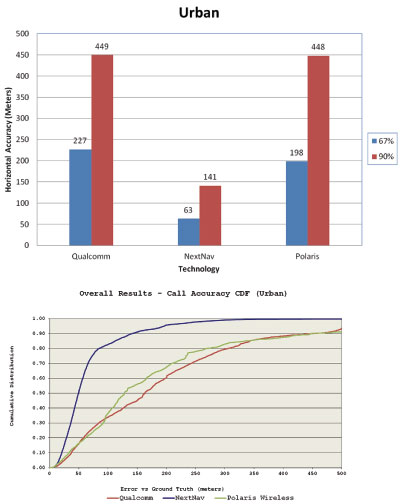
    Figure 2. Indoor accuracy in the urban environment.
    Figure 2. Indoor accuracy in the urban environment.

    Conclusion. The FCC has received two reports with similar conclusions: We have come a long way since 2001, but we might not be there — the indoor E911 promised land —just yet.

    There is still more to come, however. Therefore, many participants and observers hope the work of the current CSRIC will lay the foundation for a rational conversation about indoor E911 right now, and still be around to allow for future improvements. We have recommended that the test bed be maintained so future results can be compared with current ones. At issue is the funding source for the test bed. The FCC has announced the coming of a CSRIC IV, but has not released any further details. It is certainly the hope of WG-3 that the work performed to date to establish and validate the test bed will be available for use by future technologies as they mature.

    Locating emergency callers indoors is a critical capability that we as society must address — not for the callers’ convenience, but for their safety and or public safety generally. The problem has technical, commercial, regulatory, financial, legal, and public safety facets to it, making it a very complex issue.

    I should also note, that although E911 is a U.S. regulation, the problem of indoor location is under scrutiny in nations all over the world. I earnestly hope that all sides can continue working together to find a solution that can be implemented for the benefit of everyone.


    Greg Turetzky is senior director, CTO Office, for CSR. He served on the CSRIC Working Group 3 LBS Subgroup. He will participate in a April 16 GPS World Webinar on this topic. Registration is free.

  • New Furuno Multi-GNSS Receiver Chips Available this Summer

    The Furuno eRideOPUS 7.
    The Furuno eRideOPUS 7.

    Furuno Electric Co., Ltd., has announced that new multi-GNSS receiver chips eRideOPUS 6 and eRideOPUS 7 will be available in August. The new receiver chips are multi-GNSS compliant single-chip LSIs, capable of concurrently receiving signals from multiple satellites in GNSS systems and satellite-based augmentation systems, as well as Japan’s Quasi-Zenith Satellite System. Both chips receive signals from GPS and Galileo; the eRideOPUS 7 also receives GLONASS signals.

    The ability of concurrently receiving GNSS/GNSS augmentation signals from multiple satellites from different satellite services means that the receivers have more probability of acquiring a greater number of satellites at any single time. Subsequently, position stability as well as accuracy will be greatly improved, minimizing the chance of a position lost. Also, the receiver chips incorporate an enhanced level of noise rejection capability, implementing the anti-jamming function as well as the improvement of multipath mitigation.

    Time-to-first-fix capability of the existing eRideOPUS 5 (no more than 1 second when hot started) is retained in these new receiver chips with a combination of A-GPS compatibility and self-ephemeris extraction. Moreover, the position update rate of the new receiver chips is greatly improved, achieving a 10-Hz update (every 0.1 second), which is twice as fast as the capability achieved by eRideOPUS 5.

    The new receiver chips are capable of dead-reckoning navigation, using a gyro sensor and vehicle speed pulse signals, a gyro sensor and an acceleration sensor, and wheel tick data taken from a CAN-Bus network, achieving high positioning accuracy even in locations where satellite signal reception is not available, such as inside tunnels.

    In May 2013, Furuno is planning to start the delivery of evaluation kits for the receiver chips so that third-party manufacturers can evaluate the feasibility of incorporating the receiver chips into their products, and in August 2013, the new compact GNSS receiver module GN-86/GN-87 as well as
    dead-reckoning-capable GV-86/GV-87, using these new receiver chips, will be made available for automotive navigation systems as well as eCall systems.

  • MWC: Is the Connected Car the New Mobile Phone?

    This year’s Mobile World Congress, held late last month in Barcelona, featured the world’s largest mobility conference. While there was not a lot of strictly location-based services news, connected vehicles seemed to be the big deal. Ford and GM both made important announcements, sending a signal that wireless information and connectivity is here to stay in a vehicle — and location will be a big part of the growth. On the downside, MWC is becoming a mini Consumer Electronics Show with hotels gouging attendees, long cab lines, heavy traffic, expensive meals and long commutes to the show for those wanting to pay less than $400 a night for a room. Sounds like Las Vegas in January.

    By Kevin Dennehy

    The recent Mobile World Congress, held at Barcelona’s Fira Gran Via conference center, featured big connected vehicle announcements from Ford and GM. Ford announced a slew of deals, one partnering with Spotify to make Spotify Premium available through its Sync AppLink. GM’s big announcement is that its OnStar safety, security and navigation service will use AT&T Mobility’s network for LTE modules in 2014.

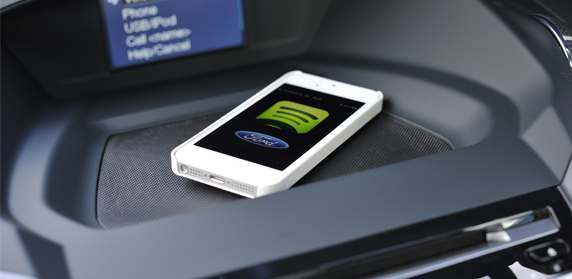
    Ford launches Spotify connection.
    Ford’s partnership with Spotify gives drivers access to millions of tunes on the road.

    Industry observers believe that GM’s announcement indicates the new AT&T deal could give the connected vehicle market a big boost as the units will go into most cars, including entry-level vehicles. Wireless carriers have indicated that transportation remains one of the key vertical markets they are aggressively getting in to.

    AT&T pulled a big coup as GM uses Verizon Wireless for its OnStar service. However, published reports indicate that the company has been disconnecting subscribers who are not currently using the service. Verizon said it had lost 490,000 connections in late 2011 — and said the losses were due to decline in telematics customers.

    There is no word on whether 2012’s $617 million purchase of Hughes Telematics had any effect on the Verizon-GM relationship.

    Overall, OnStar, which costs $18.95 per month, has more than 6 million customers worldwide.

    A concern with connected vehicles, and this is an issue that has been around for the past few years, is that automobile manufacturers do not believe the vehicle isn’t the new mobile phone — though some carriers believe it will be. Another concern is the form factor itself — what is better? What will the winner be? An embedded system or a system that integrates with a user’s smartphone?

    Not to be outdone by GM, Ford also said its 2104 Ford Ecosport will feature AppLink capabilities. The company also said it would be offering, in Europe, applications from Kaliki, Glympse and Aha. Ford says it now has 2,500 folks registered in its developer program — doubling the numbers from last month.

    Ultimately, many analysts say that two major market issues will need to be resolved for the connected vehicle segment to take off. One is what will consumers want? The other is standardization — will every vehicle have the same system in use? Already Ford and GM seem to have differing technology and business models for this market.

    Is Mobile World Congress Getting Too Big to be Useful?

    With more than 72,000 attendees this year, which is a little more than half the size of the gigantic Las Vegas-based Consumer Electronics Show, is MWC becoming too big and less focused for wireless application developers, LBS companies looking to partner and other location company entities?

    Does this sound like a mini CES? The Fira Grand Via had 1 million square feet of exhibit space, 1,700 exhibitors and 72,000 attendees from 200 countries. All of this is puzzling for a conference that had no Google (the company had a big exhibit last year) or Microsoft.

    In addition, there were no huge announcements — even the connected vehicle news would be mid-level news at CES. Does it say something strange about a big wireless show when your main news is connected vehicles?

    Deciding not to get lost in the hugeness of a big trade show, most of the wireless companies and handset manufacturers choose to make their own product and deal announcements at their own branded shows or independent press conferences. Outside of a handset having LBS capability rolled out, and companies saying they are rolling out capability in European nations, there wasn’t much location-specific news.

    With no big indoor position news at MWC, does that spell a struggle for the new technology and potential gigantic market? Many publications, including this one, has touted indoor positioning as one of the technologies that will spur LBS’ market growth.

    A few smaller companies did display indoor positioning products at MWC. Rx Networks rolled out its Xybrid Synchro that allows a device to self-located without an active data network connection. The company also rolled out a cloud-based GNSS systems that allows users to determine a location even when weak location signals are available, the company said.

    Another indoor positioning company, Insiteo, showed off its products that work on iOS and Android devices to allow users to find booths at MWC. The company says product finding, location-based marketing and data mining are all applications for the platform.

    In other Mobile World Congress news:

    • Telit launched m2mLOCATE, a feature that adds Cell-ID location for a range of its cellular connectivity modules. The company uses RX Networks’ XYBRID RT service, a database that encompasses 40 million cell-IDs.
    • CSR demonstrated its Location Services Platform, which features context detection and user self-learning to deliver indoor and outdoor location for the consumer and enterprise markets. The company says the platform has an indoor accuracy of less than 10 meters.
    • TeleCommunication Systems shopped its LBS suite of services at MWC to both enterprise and consumer companies. TCS recently deployed four new mobile operators on its hosted cloud LBS product. The company says it offers revenue-producing branded and private-labeled applications for navigation, hyper-local search, enterprise and family locators.
    • ALK Technologies, now owned by Trimble Navigation, said its CoPilot GPS navigation apps for smartphones and tablets will be available for Windows Phone 8 and Windows 8. The company said it’s always been high on Microsoft’s mobile products, as CoPilot was originally developed for Microsoft’s Pocket PC. CoPilot features voice-guided GPS navigation, turn-by-turn guidance, trip planning and automotive-grade street maps, the company said. The unit’s live services include Yelp, ActiveTraffic, Wikipedia and Google Search.
  • Z/I Imaging Offers PureColor Technology in PPSv6.6

    Z/I Imaging has release version 6.6 of its Z/I Sensor software PPS, which will introduce the innovative PureColor Technology. As part of a broader focus on radiometric enhancements and simplified processing, PureColor Technology will boost the dynamic range of the output image and protects all information collected even in high illuminated and shadow areas. In addition, the new PPS V 6.6 will reduce the time needed for manual adjustments and will provide a significant higher automation level for post processing parameter settings, Z/I Imaging said.

    To address customer’s requirements for very large mapping projects radiometric characteristics for all Z/I DMC and Z/I DMC II cameras have been standardized. This will allow customers to fly large projects with multiple cameras, with the radiometric output being normalized automatically, the company said.

    Additional features and enhancements included with this release are:

    • New PureColor Technology providing increased dynamic range and protects image information, even in high illuminated or dark shadow areas.
    • Automated color balance: high automated color balancing for perfect radiometric image quality to save labor time and reduce manual user interaction. This feature requires an absolute radiometric calibration.
    • Atmospheric correction: new atmospheric correction model implemented to reduce haze and dust, geographic coordinates required for correct application, data typically part of the flight plan

    To address the request for faster image post processing, customers can now also take advantage of a 32-processing nodes software bundle. Existing Z/I PPS customers can upgrade to distributed processing at any time.

    The new Z/I Sensor V 6.6 software release is compatible with Intergraph’s ImageStation 2013 software and ISAE Extended 3D point cloud generation using Semi Global Matching technology. Also, the Tridicon 3D software suite for automatic city model generation is fully supported.

  • AtlasCT to Release Voice-Guided Navigation for Firefox OS

    AtlasCT has announced an April release date for the first, full featured, voice-guided turn-by-turn navigation solution for the Firefox OS. The software program will be released under the brand name of “EverNav for Firefox.” This announcement follows Mozilla’s launch of the Firefox OS during the Mobile World Conference in Barcelona in February.

    EverNav was initially released on September 2012 as an HTML5 turn-by-turn solution aimed at application developers and mobile marketing campaigns. The solution was quickly adapted by a large number of customers. Now, as part of the preparation for Mozilla’s release of the Firefox OS, a dedicated EverNav version will be released in April.

    “We were one of the first few companies to release HTML5 based navigation back in 2012 and we are proud to be the first to release a dedicated navigation solution for the Firefox OS today. HTML5 technology has come to the point that we were able to develop a full-featured navigation user experience, and we are extremely happy with the result,” said Ziv Avni, AtlasCT’s marketing director.

    EverNav for Firefox OS will include a personalized navigation experience with features like local information, live traffic reports, favorites and history sections, share location capability, social integration and more.

    “As the leading provider of HTML5 turn-by-turn navigation solutions, as soon as we learned about the Firefox OS, we decided to release a dedicated version,” said Shlomo Emanuel, AtlasCT’s CEO. “We are still looking into a number of possible business models for the services and this is one of the subjects we are discussing with mobile carriers that have already committed to backing the open web device initiative.”

    EverNav for Firefox OS will be available both on the Firefox Marketplace and on the EverNav website.

  • SuperPad 3.1 Supports Comune di Ovodda for Accurate Field Boundary and Prosperity Assessment

    Supergeo Technologies, a provider of GIS mapping software and solutions, announced that SuperPad 3.1 was selected by Comune di Ovodda to complete field data collection for accurate field boundary and prosperity assessment.

    Ovodda is a comune (municipality) in the Province of Nuoro in the Italian region of Sardinia.

    Today, economic development and governmental policy were the main driving factors of land-using change. In this procurement, Superpad 3.1, the mobile GIS software, is used by Comune di Ovodda to frequently update and improve the survey results and consequently promote the efficient land use of boundaries.

    SuperPad 3.1 allows field surveyors to effortlessly collect, update, and obtain various reliable field data such as the land use information, road conditions, and landforms to improve administrative efficiency and make better decisions, according to Supergeo.

  • Apple Buys Indoor Location Company WiFiSLAM

    The Wall Street Journal is reporting that Apple has acquired indoor-location company WiFiSLAM. Apple reportedly paid about $20 million for the Silicon Valley-based company. Apple has confirmed the purchase to MacRumors, but offered no details on its plans for the acquisition.

    Analysts say this is a sign that the war over indoor mobile location services is heating up.

    Apple’s acquisition of WiFiSLAM illustrates how 2013 will be a breakout year for indoor location as initial trials shift to technology deployments, application development, and revenues, according to ABI Research.

    Two-year-old start-up WiFiSLAM has developed ways for mobile apps to detect a phone user’s location in a building using Wi-Fi signals, according to the Wall Street Journal. It has been offering the technology to application developers for indoor mapping and new types of retail and social networking apps. The company has only a few employees. Co-founders include former Google software engineering intern Joseph Huang.

    “The move comes as Apple continues to build its arsenal against Google in mapping,” according to Wall Street Journal blogger Jessica E. Lessin. “It debuted its own mapping service last year to poor reviews and user complaints about inaccurate data. Apple chief executive Tim Cook apologized for the quality of the product, and Apple has continued to improve it.

    “Google already offers indoor mapping in certain locations like airports, shopping centers and sports venues,” Lessin said.

    ABI Research’s latest report “Indoor Location in Retail: Where Is the Money?” provides an overview of all major technologies, revenue opportunities and competitive environment. “Analyzing across 10 retail sectors, we are seeing a lot of cross pollination as companies combine handset and infrastructure based Wi-Fi, Bluetooth, and sensor location technologies. The emergence of public venue small cells and carrier Wi-Fi will also create a new wave of opportunity,” commented Patrick Connolly, senior analyst. “As a result, we expect to see a flurry of acquisitions and partnerships in 2013, as major players start to make their moves.”

    In support of these technologies, ABI Research is also forecasting smartphone retail apps to break 1 billion downloads, while indoor maps will break 1 million buildings, over the forecast period.

  • Hyundai Heavy Industry to Track Equipment with Telit

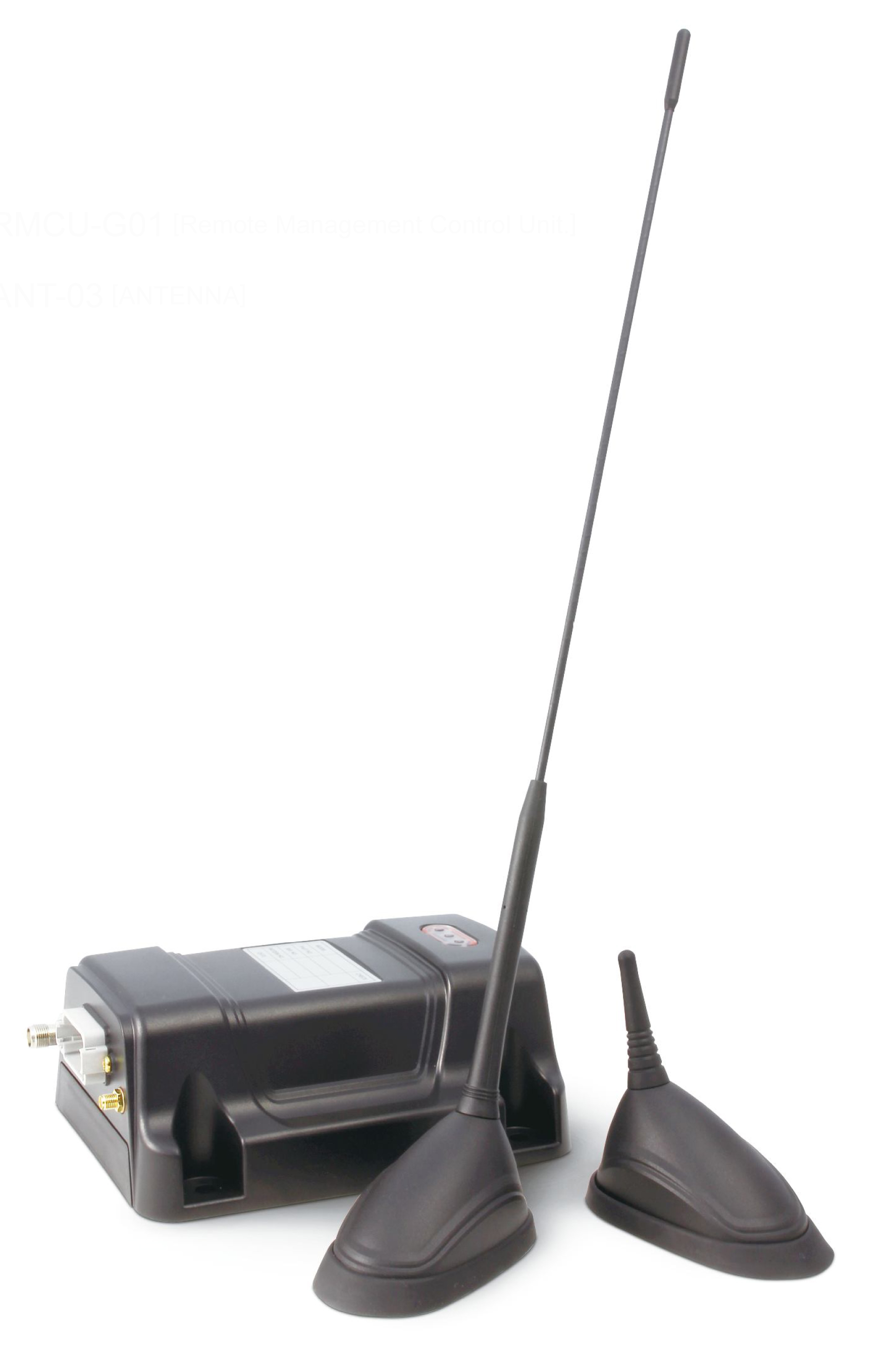
    3.20.13_Taeha_TH- RMCU_ ANTENNA-1.jpgTelit Wireless Solutions will provide the M2M communication module for the Taeha Mechatronics Remote Monitoring System (RMS). Taeha Mechatronics is a South Korean-based provider of electromagnetic control solutions for healthcare and industrial devices.

    The Taeha Mechatronics TH-RMCU, a remote management control unit, integrates Telit’s HE910, HSPA+ module, which delivers 14.4 Mbps downlink data rates. The solution has obtained SK Telecom certification, and will be used for tracking the location of Hyundai Heavy Industry’s global assets. This is the first such authorization by SK Telecom for a system to be used locally and globally. As a result the device can be used in other countries simply by roaming without need for additional regional variants, Telit said. This move is expected to allow more Korean companies to operate more easily abroad.

    The HE910 supports a large number of WCDMA frequency bands (850/900/1700/1900/2100 MHz), making it possible for it to be used in all countries with 3G networks via simple roaming, with no need for production of regional variants to address local frequency band availability, Telit said.

    Hyundai Heavy Industry installs an RMS device, composed of the control unit and antenna, into various types of heavy equipment in the field. It uses the solution to trace equipment location with the integrated GPS which transfers the related data to a server in real-time. With that the company looks to prevent theft and loss of its assets. Also, with the monitoring function, the company can effectively manage fuel consumption of their equipment, actively using it to reduce carbon emissions, Telit said.

    HE910 is a RoHS-compliant module that combines GSM, GPRS, EDGE and HSPA+ network compatibility with digital telecommunication service access. It is world’s smallest (28.2×28.2×2.6 mm) LGA form factor, and ideal for applications that process high-capacity multimedia data, such as e-readers, PDAs and real-time location tracing devices. The HE910 HSPA+ transmission speed is 14.4 Mbps on the downlink, and 5.7 Mbps on the uplink. It supports high-speed serial port, receive antenna diversity, with optional embedded high-sensitivity GPS; and simultaneous voice and data.

    “Solutions developed solely by Korean companies needed to go through many different testing processes to be able to be provided to global customers. By adapting Telit’s standard-based module, we were able to not only reduce cost, but also reduce time for development. We are planning to expand the usage of this solution from location tracing for asset management to other areas,” said Sang-hee Lim, CEO of Taeha Mechatronics.

    “As the interest grows in security and safety globally, tracking solutions are also becoming smarter, in particular for the manufacturing industry, which uses various types of equipment. Companies can dramatically improve management efficiency and productivity simply by deploying cutting-edge monitoring systems. We expect to see continued demand for M2M,” said Derick Tsang, APAC manager of Telit.