Blog

  • New Series of SPAN MEMS IMU Products Introduced by NovAtel

    New Series of SPAN MEMS IMU Products Introduced by NovAtel

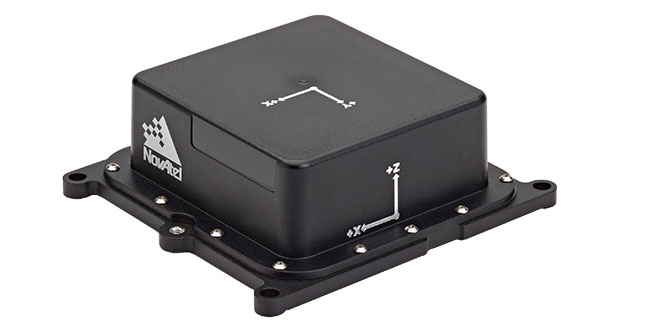
    NovAtel Inc. has announced a new SPAN-IGM series of Micro Electromechanical Systems (MEMS) inertial sensor products, including the IMU-IGM-A1 MEMS enclosure and the SPAN-IGM-A1 GNSS/INS enclosure.

    The IMU-IGM-A1 is a small, rugged enclosure that houses a MEMS inertial sensor. The IMU-IGM-A1 can be configured from the factory as an integrated GNSS + Inertial Navigation System (INS) or as a standalone IMU sensor for pairing with a customer’s existing NovAtel SPAN enabled OEM6 receiver. Featuring regulated 10-30 VDC input and a dedicated wheel sensor input to enhance GNSS outage bridging capabilities, the IMU-IGM-A1 delivers a 200 hertz navigation solution and raw measurement output.

    “The IMU-IGM-A1 is the smallest, lightest IMU enclosure in our SPAN GNSS/INS product portfolio,” said Jason Hamilton, director of marketing for NovAtel. “It provides NovAtel customers with the ability to leverage our powerful SPAN technology in new applications that are size and weight constrained but still require highly precise position, velocity, roll, pitch, and heading.”

    The SPAN-IGM-A1 combines NovAtel’s OEM615 GNSS receiver card with a MEMS inertial sensor in a single enclosure. By integrating the MEMS IMU with NovAtel’s tightly coupled OEM6 GNSS/INS SPAN engine, advanced positioning options such as AdVance RTK, ALIGN heading technology and RAIM are available to maximize performance.

    Shipments of the new IMU-IGM-A1 enclosure and the SPAN-IGM-A1 GNSS/INS integrated enclosure commence early Q2 2013.

  • U.S. Air Force to Test CNAV on GPS L2C and L5 Signals

    News courtesy of CANSPACE Listserv.

    U.S. Air Force Space Command has issued a notice that CNAV capabilities on the GPS L2C and L5 signals will be tested in June. No GPS satellite outages are planned. Below is the official notice.


    Notice of Test

    A Notice by the Air Force Department on 03/20/2013

    Action: GPS Test Notice.

    Summary: The purpose of this notification is to inform users of an upcoming event related to the GPS satellite constellation. U.S. Air Force Space Command will be testing CNAV capabilities on the GPS L2C and L5 signals on 15-29 June 2013. There are no planned GPS satellite outages for this activity. The broadcast navigation messages will be in compliance with IS-GPS-200 and IS-GPS-705. L2C/L5 CNAV testing will be transparent to GPS receivers that do not process L2C or L5 CNAV. U.S. Air Force Space Command expects to conduct one to two CNAV tests per year over the next few years. These test events will provide an opportunity for civil users and manufacturers to participate in L2C/L5 evaluation and will result in enhanced provider and user readiness for L2C/L5 operations once the Next Generation GPS Operational Control System comes online in 2016.

    The draft test plan is available. The draft test plan communicates details of the broadcast, data collection, and results reporting plans.

    U.S. Air Force Space Command and the National Space-Based Positioning, Navigation, and Timing Systems Engineering Forum (NPEF) encourage L2C and L5 users and receiver manufacturers to review the test plan, provide comments, and participate in the evaluation process.

    Comments to the test plan must be submitted on a Comment Resolution Matrix by 29 April 2013 and sent to [email protected].

    The final test plan will be posted once all comments have been adjudicated.

    All user and manufacturer comments and the resulting adjudications will also be posted consistent with the GPS public ICWG process.

    Any military or civil users who encounter user equipment problems during or after testing should contact the GPS Operations Center (GPSOC) (military), NAVCEN (civil, non-aviation) as soon as possible. Aviation users should file reports consistent with FAA-approved procedures.

    FOR FURTHER INFORMATION CONTACT:
    Send all questions or concerns regarding the CNAV Test Plan to [email protected].

    Henry Williams Jr.
    Acting Air Force Federal Register Liaison Officer

  • RTK GNSS Receivers: A Flooded Market?

    Wow, if one counts the number of new RTK GNSS receivers introduced in the past ~six months, it’s impressive. If you’re in the market for such a GNSS receiver, this is good news for you. More competition in the product and distribution side of the equation usually means better products and better service for the consumer. While Trimble, Leica and Topcon still dominate the majority of RTK GNSS receiver sales in North America, it’s pretty clear that others are eating away at their market share, and most of the new competitors don’t even design their own RTK GNSS receivers! The high-precision user community has more choices for high-performance RTK receivers than ever before even though there are only a handful of companies capable of designing reliable RTK GNSS receivers:
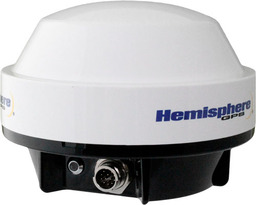
    image005

    • Trimble
    • Leica/Novatel
    • Topcon/Sokkia
    • Hemisphere GNSS
    • JAVAD GNSS
    • Septentrio
    • Ashtech (owned by Trimble)
    • Navcom Technology (owned by Deere & Co.)

    Some of you may think that I should include “consumer” GNSS chipset designers like GlobalLocate/Broadcomm, SiRF/CSR, u-blox, NVS Technologies, etc. While some of the engineers at consumer GNSS chip companies clearly have the knowledge (and experience in some cases) of RTK design, none of these chipsets are integrated into commercial RTK products. Yes, I know some of you have “made RTK work” with consumer GNSS chipsets, and I think that speaks volumes about where RTK capability will end up, but it’s not quite there yet with respect to a reliable commercial implementation.
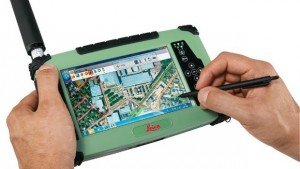
    image007Regardless of consumer GNSS chipsets, the multi-constellation, multi-frequency RTK GNSS receiver landscape is changing quickly, even before the deployment of the new L5 signal and Galileo as I’ve written about previously (Why the Price of Precision Receivers Will Drop). This is because of the proliferation of RTK GNSS receiver “boards” such as the Trimble BD series, Novatel OEM series, Hemisphere GNSS P series, and Septentrio AsteRx series. System integrators like Altus, Geneq, CHCNav, Stonex, FOIF, Carlson, etc., are scooping up these proven receiver boards and designing their own systems around them.

    There are more RTK GNSS system integrators in China than any other geographic region in the world. It makes sense because the Chinese market for RTK GNSS receivers is larger (much larger) than any other market in the world. Even though you don’t see many Chinese-made RTK GNSS receivers sold in North America (you do see them sold in Africa, Europe and South America), they sell a huge number of them within China. I would even go as far as to say that the North American market is likely considered a “leftover” market since the North American RTK GNSS receiver sales volumes are so low in comparison. In other words, North America is such a small market for RTK GNSS receivers, it’s not worth the marketing/selling effort it requires. That said, some companies, like CHCNav, are ramping up their marketing and selling efforts in North America.

    To put it in perspective, let’s take a look at some of the new RTK GNSS products (and services) introduced in the past ~6 months (in alphabetical order). I’m sure I’ve left some out because there are so many on the market, but this gives you an idea of the broad range of RTK GNSS receivers available. Again, these are products introduced just in the past ~6 months.

    Altus APS-3L

    Key benefit: Integrates Terrastar’s new 10cm real-time precise positioning service. Uses a Septentrio GNSS receiver board.

    Carlson SuperG

    Key benefit: Tablet-based RTK GNSS system capable of 1cm real-time accuracy. Uses a Novatel RTK GNSS receiver board.

    CHCNav X900+ GNSS

    Key benefit: Low-cost RTK GNSS made in China. Uses a Novatel RTK GNSS receiver board.

    FOIF A30

    Key benefit: Low-cost RTK GNSS made in China. Uses a Trimble RTK GNSS receiver board.

    Geneq SXBlue III-L

    image003Key benefit: Low-cost, palm-sized receiver integrates OmniSTAR’s G2/HP/XP 10cm service and also 1cm RTK capability. Uses a Hemisphere GNSS receiver board.

    Hemisphere A325 GNSS Smart Antenna

    Key benefit: All-purpose, low-cost RTK GNSS receiver.

    Javad J-Shield

    Key benefit: Innovative radio frequency (RF) interference visualization (onboard spectrum analyzer) and interference reporting feature.

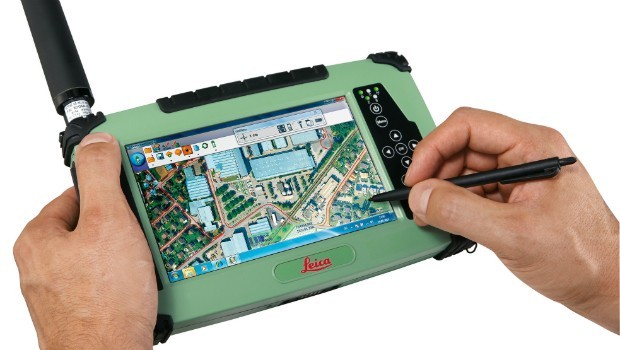
    Leica CS25 GNSS

    Key benefit: Tablet-based RTK GNSS system capable of <10cm real-time accuracy.

    Navcom StarFire Over IP

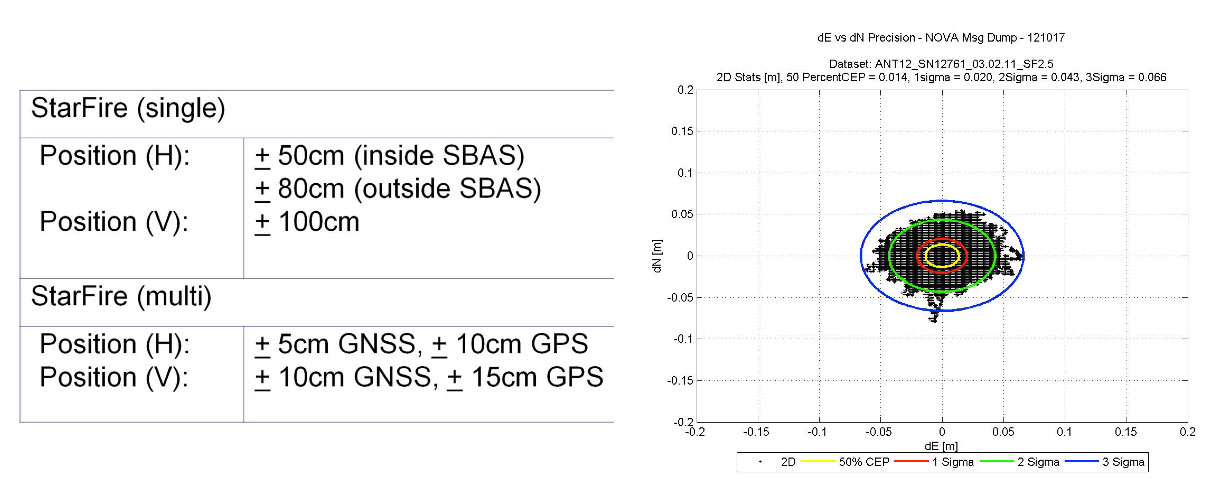
    Key benefit: 5cm (horizontal RMS) real-time correction service delivered via IP (Internet Protocol) as an alternative to delivering via satellite communications.

    Sokkia GRX-2

    Key benefit: Low-cost, lightweight (1.00kg) RTK GNSS receiver. Same as Topcon HiPer V.

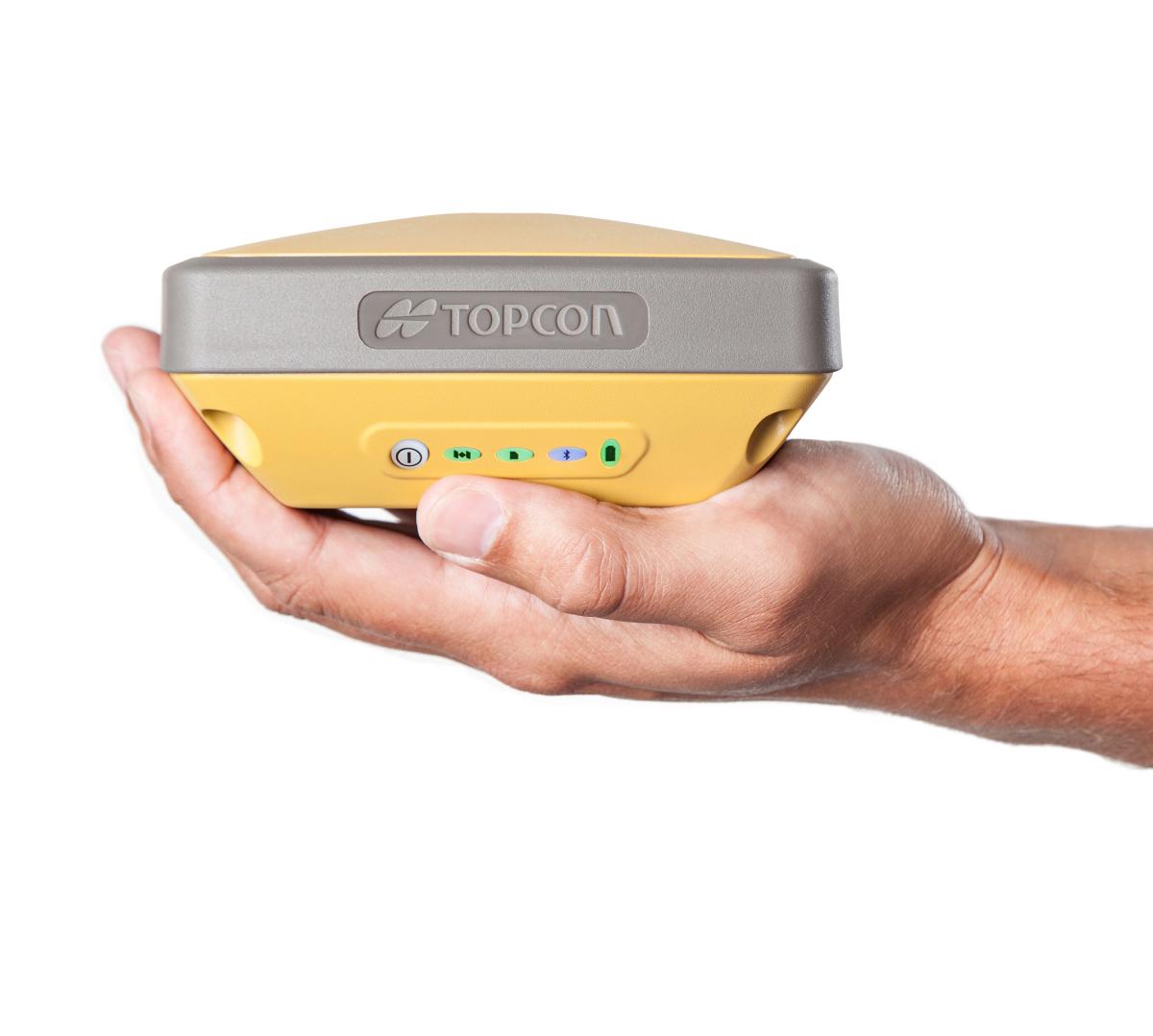
    Topcon HiPer SR
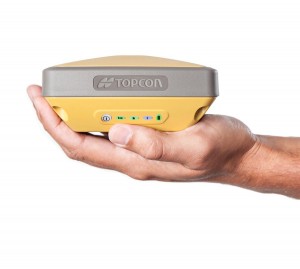
    image001Key benefit: Palm-sized, lightweight (.85kg) RTK GNSS receiver capable of surviving a two meter drop.

    Spectra Precision ProMark 700

    Key benefit: Lightweight (.65kg) RTK GNSS receiver. Uses Trimble RTK GNSS receiver board.

    Stonex S9III

    Key benefit: Lightweight (1.2kg) RTK GNSS receiver. Uses Trimble RTK GNSS receiver board.

    Terrastar Terrastar-D Satellite Correction Service

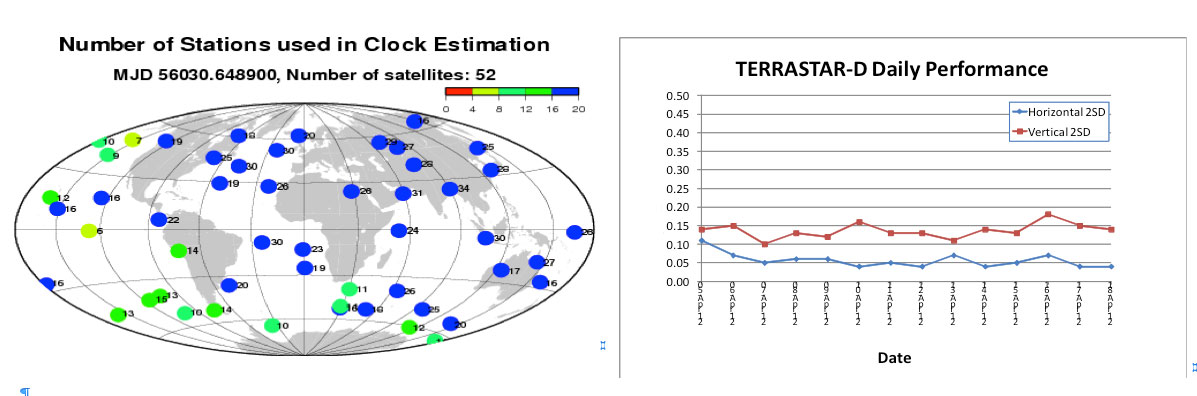
    Key benefit: World-wide, real-time 10cm (horizontal 2DRMS) GNSS correction service delivered via satellite.

    Trimble R-10

    Key benefit: Lightweight (1.12kg) RTK GNSS receiver.

    Trimble RTX

    Key benefit: World-wide, real-time 4cm GNSS correction service delivered via satellite.

    Looking at this list, there are two key trends:

    1. RTK GNSS receivers are becoming smaller. Moore’s Law, or a GNSS version of it, is definitely in effect.
    2. The price of RTK GNSS receivers is falling, as low as US$7,000 (retail price) for a full RTK GNSS receiver in North America and likely less than that in other parts of the globe.

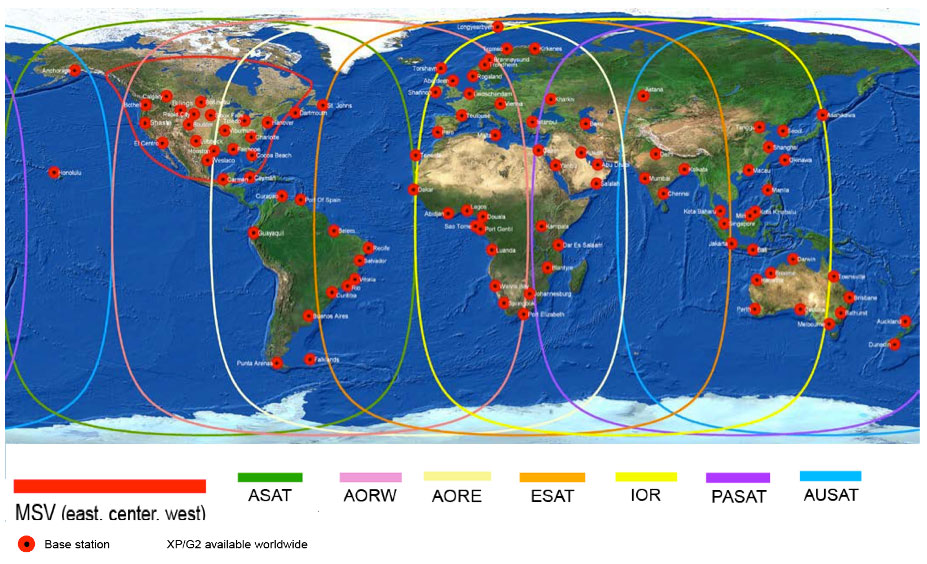
    image009Another clear trend is the advancement of global GNSS augmentation services (OmniSTAR, StarFire, Terrastar, Trimble). RTK networks are great when you have access to them, but in many places of the world, RTK networks aren’t available or there isn’t a data link (wireless network) available to receive corrections. This has created an opportunity for satellite-based (and Internet-based) global correction services. Whereas OmniSTAR (serving the agriculture and mapping markets) and StarFire (serving primarily the agriculture market) have been long-term players in this market, Terrastar recently announced its entry into the market and Trimble (who also owns OmniSTAR) announced its new RTX service.

    The advantage of satellite-based correction services is that you can receive them virtually anywhere in the world as long as you have a clear view of the sky. The disadvantage is that the initialization time it takes to achieve the stated real-time accuracy (<10 cm) is up to one hour if you aren’t starting on a known point. The addition of GLONASS helps reduce the initialization time, but it’s still much longer convenient than RTK initialization due to the sparse network of reference GNSS receivers used.

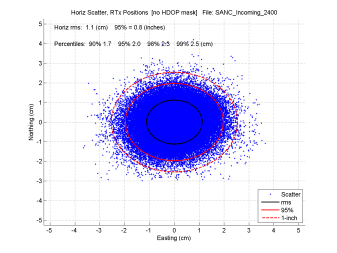
    Furthermore, the accuracy provided by the satellite-based correction vendors isn’t as good as RTK. OmniSTAR and Terrastar advertise 10-cm (horizontal 2DRMS) real-time accuracy. StarFire advertises 5-cm (horizontal RMS, as opposed to 2DRMS values given for competing services) real-time accuracy, and Trimble RTX advertises 4-cm (horizontal 2DRMS) real-time accuracy. RTK accuracy is solid at 2-cm or less.

    Lastly, in order to access satellite-based correction services, GNSS receivers must be specifically designed (additional hardware is required), so the reality is that few receivers on the market are capable of utilizing these services. But, if you’re performing mapping work across a large geographic area where RTK networks aren’t consistently available and you don’t want the go through the pain of owning, maintaining, and setting up your own RTK base station, the satellite-based correction service is a solid solution.

    For more information on these satellite and internet-based correction services, GPS World’s Tony Murfin published a detailed article this month entitled “Look, No Base-Station! — Precise Point Positioning (PPP)“. Tony offers some detailed insight into these services.

    Nightmare on GIS Street: Accuracy, Datums, and Geospatial Data

    Changing the subject a bit, but highly related to RTK GNSS receivers, is the subject of datums and geospatial data. Last month, I wrote an article for Geospatial Solutions that is a first in what promises to be a very interesting and complex discussion. I received quite a bit of email on the article with many good points made. If you think you know how to handle horizontal datums in a GIS environment, you might want to take a look at the article and follow the thread over the next few months. You can read the article by clicking here.

    Thanks and see you next month

    Follow me on Twitter by clicking here.
  • Brad Parkinson to Discuss GPS at Smithsonian Event

    Brad Parkinson to Discuss GPS at Smithsonian Event

    Dr. Bradford W. Parkinson, professor of Aeronautics and Astronautics Emeritus at Stanford University will discuss “GPS for Humanity — The Stealth Utility” at a special Smithsonian event Thursday, March 21.

    The 8 p.m. ET lecture at the National Air and Space Museum in Washington, D.C.,  follows a 7:15 p.m. viewing of the Imax film Space Junk 3D and commentary on the museum’s new exhibit Time and Navigation: The Untold Story of Getting from Here to There.

    In the 1970s, Parkinson was the chief architect and original program director for GPS. In his lecture, he will present the history, applications, and future of GPS and the GNSS. Central to operation of GPS is the relationship between time and navigation, and GPS will be explored in the Time and Navigation exhibit.

    The Smithsonian Time and Navigation exhibit opens April 12. Don Jewell, GPS World’s contributing editor for Defense, discusses the exhibit in his February column.

    The lecture will be available via webcast and is expected to be available for viewing afterwards. For more information, visit the museum website.

  • NovAtel Releases SMART6-L Integrated GNSS High-Accuracy Antenna

    SMART6-L front (2).jpg

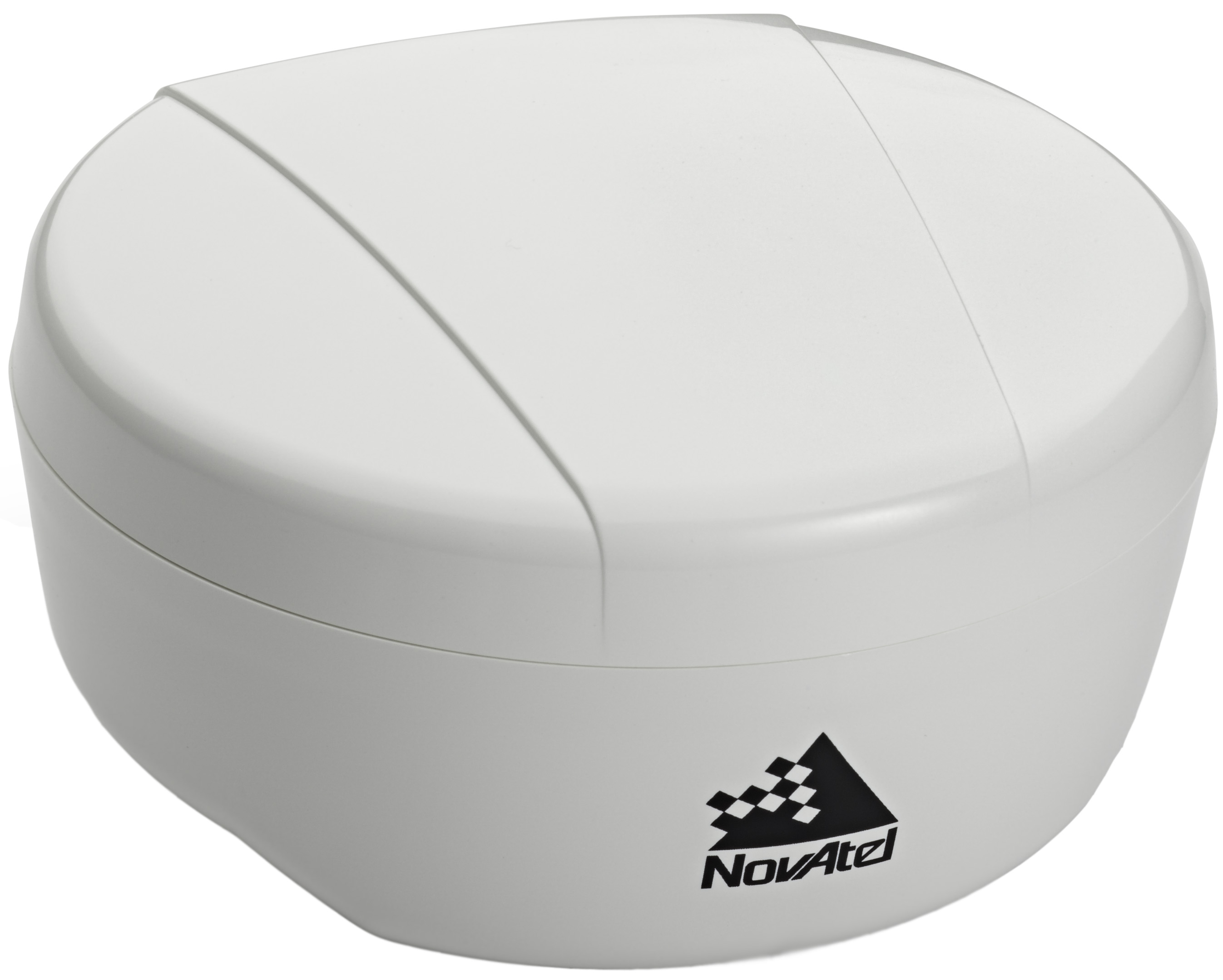
    NovAtel’s new SMART6-L GNSS antenna integrates its OEM6 engine with Pinwheel antenna technology. Tracking L1 and L2 GPS + GLONASS, the SMART6-L delivers scalable performance, from single-frequency GL1DE smoothing performance to centimeter-level accuracy using dual frequency real-time kinematic tracking. Optional L-band tracking improves positioning accuracy outside of L1 SBAS coverage areas.

    The SMART6-L is designed for manual guidance and auto-steer agriculture applications that benefit from ultra-smooth positioning and high pass-to-pass accuracy. The dual-frequency GL1DE firmware enhances the absolute accuracy of the GL1DE position, creating a robust solution and mitigating the effects of high ionospheric activity, NovAtel said. The design of the SMART6-L interface maximizes flexibility with NMEA 0183 compatible RS-232 serial ports and a NMEA2000 compatible CAN port. One PPS output, an event mark input, and three daylight readable status LEDs are also provided. Built-in magnets simplify mounting although fixed mounting options are also available.

    The SMART6-L is available for order starting March 18, with product shipments commencing April 15.

  • Upcoming GNSS Satellite Launches Scheduled

    News courtesy of CANSPACE Listserv.

    Satellites expected to be launched in support of various Global Navigation Satellite Systems are the following:

    GPS
    May 15: Block IIF-4, SVN66, launch window: 17:39-17:58 UTC
    November: Block IIF-5

    GLONASS
    April 26: Single GLONASS-M or -K satellite from Plesetsk
    June 28: Three GLONASS-M satellites from Baikonur

    Galileo
    October: FOC-1 launch (two satellites)

    Indian Regional Navigation Satellite System (IRNSS)
    June (This is the first launch for an expected constellation of seven satellites, some of which will be geostationary. The constellation will provide continuous regional coverage for positioning, navigation and timing services.)


  • TIMEX Expands GPS Portfolio with IRONMAN Run Trainer 2.0

    TIMEX Expands GPS Portfolio with IRONMAN Run Trainer 2.0

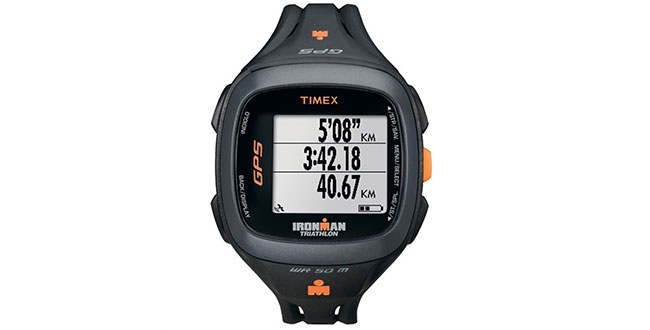
    Timex has introduced the Timex IRONMAN Run Trainer 2.0, a next-generation GPS-enabled watch that tracks pace, distance, heart rate, and elapsed time. This upgraded device is a smaller, more refined version of the brand’s signature Timex IRONMAN Run Trainer 1.0 GPS watch and is equipped with a reversible, high-resolution display and advanced interval training capabilities.

    The introduction of the Timex IRONMAN Run Trainer 2.0 marks a further expansion of the Timex GPS portfolio, following the recent launches of Timex Marathon GPS, Timex IRONMAN  Run Trainer 1.0, Timex Cycle Trainer  2.0 and Timex IRONMAN  Global Trainer Bodylink System.

    “We heard from the running community that they wanted a smaller, more comfortable GPS watch,” said Sam Martin, Senior Brand Manager, Sports. “We are excited to deliver on that need with the upgraded Run Trainer 2.0, enabling more efficient training through advanced technology.”

    The Timex IRONMAN Run Trainer 2.0 is designed for athletes who want to maximize the efficiency of their training. The watch offers a crisp, high-resolution display, but is smaller than the Run Trainer 1.0 to better fit a wider variety of wrist sizes. Armed with a chronograph and featuring hands-free split recording capability, the Run Trainer 2.0 includes Interval Training based on distance and time with vibrating and audible alerts. It has an eight-hour Li-ion battery life and is water resistant up to 50 meters.

    Like other Timex downloadable products, this Run Trainer 2.0 is customizable through a computer device agent for all settings and is compatible with TrainingPeaks and MapMyFitness.com, among others. It utilizes ANT+ wireless technology for chest and foot pod sensors to provide heart rate and indoor/cadence-based training data for runners looking to improve their performance.

    The Timex IRONMAN Run Trainer 2.0 will be available later this month in U.S. sports specialty retailers and on Timex.com at $224.95 for Speed + Distance or $274.95 (with Flex Tech Digital 2.4 HRM chest sensor).

  • SNV49 Off the Air?

    News courtesy of CANSPACE Listserv.

    It appears that GPS SVN49, the Block IIR-M satellite with the problematic L5 test transmitter and operating most recently as PRN27, stopped transmitting standard L-band signals on March 13. No International GNSS Service tracking station has observed the satellite since that date.

    The satellite was being used for tests, was set unhealthy, and had not been included in broadcast almanacs.

  • PLAN Group Tracks Galileo Satellites for Positioning in Canada

    by James T. Curran, Mark Petovello, and Gérard Lachapelle

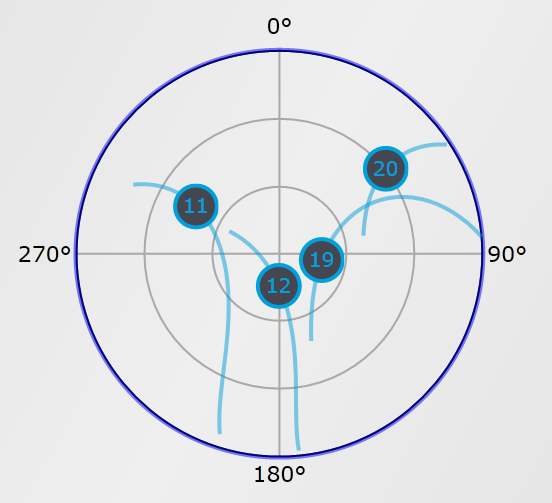
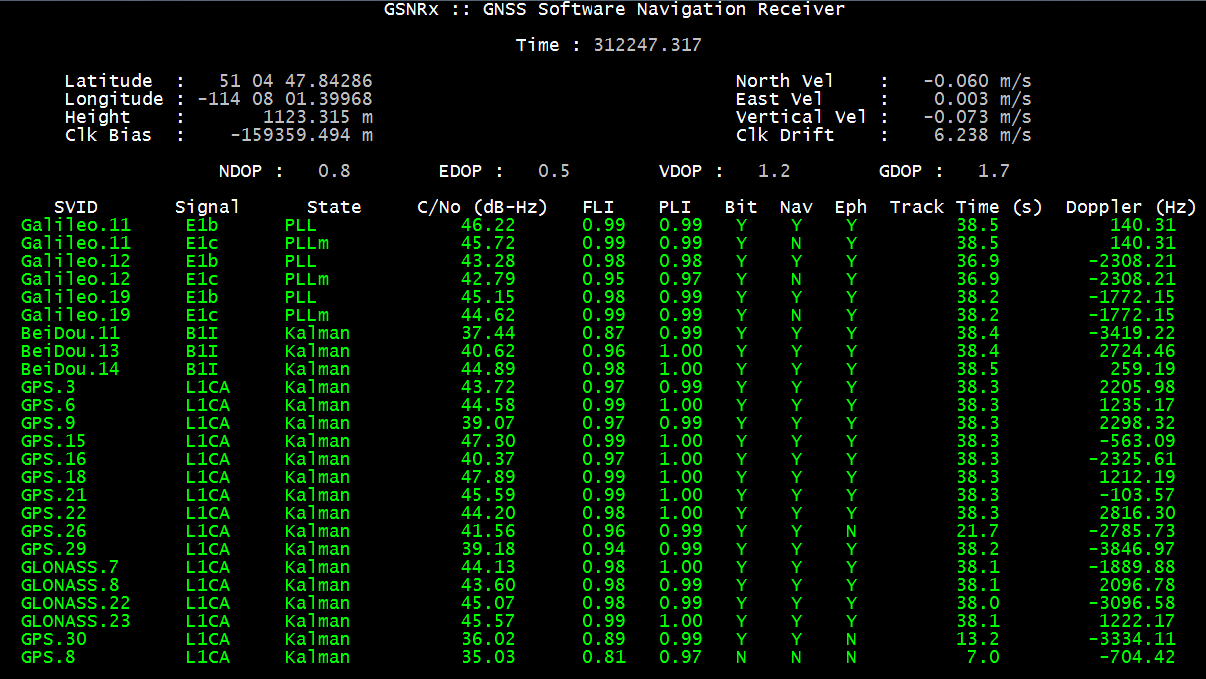
    Within a day of their initial activation over central Europe on March 12, Galileo satellites were visible over North America. The PLAN Group of the University of Calgary was successful in capturing and processing the signals from these satellites as they emerged. Galileo PRN 11, 12, and 19 were found and tracked on E1B/C. The PLAN software GSNRx was also able to track simultaneously GPS L1 and GLONASS L1 and produce combined position solutions.

    Examining the Galileo navigation message transmitted on the E1B signal, it was found that the satellite health status is flagged as E1BHS=3 meaning Signal Component currently in Test, and the data validity status is flagged as E1BDVS=1 meaning Working without Guarantee. Current Galileo-ready commercial receivers may automatically discard measurements from a satellites broadcasting such messages. Parsing the received words in the I/NAV message, it was noted that more 50 percent of them were of type 0, although all words (types 0 to 10) were decoded at some point during the test.

    Data was collected using a roof-mounted NovAtel 702GG antenna and an in-house two-channel digitizing front-end clocked by a high quality OCXO and also a three-channel National Instruments front-end for post-processing. The two-channel intermediate frequency data was streamed live to a laptop computer for real-time processing with GSNRx. Two RF channels were processed, the first centered at 1574.0 MHz with an IF bandwidth of 10.0 MHz, for the GPS L1 C/A and Galileo E1B/C signals and the second centered at 1602.0 MHz again with a bandwidth of  10.0 MHz, for the GLONASS L1 OF signals. The GPS and GLONASS signals were tracked using a Kalman-filter-based tracking strategy while the Galileo signals were tracked using a specialized data-pilot algorithm.

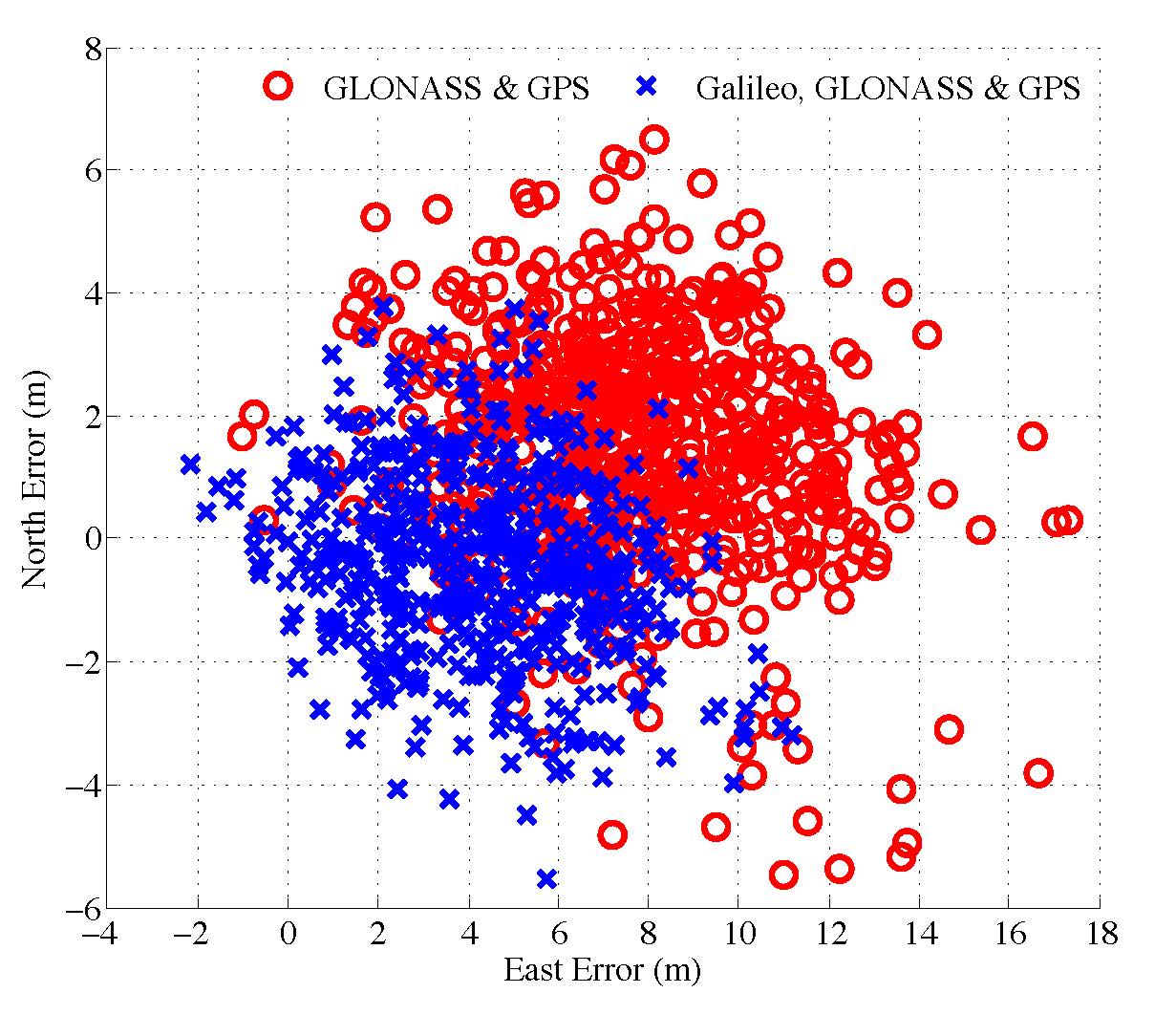
    Figure 1. Scatter plot of the north and east position
    Figure 1. Scatter plot of the north and east position

    Pseudorange and Doppler observations were extracted from the tracking strategies at a rate of 2 Hz. A 2D horizontal plot of the combined GPS & GLONASS and the combined Galileo, GLONASS & GPS single-frequency single-point solutions is presented in Figure 1.

    Figure 2: Skyplot of the Galileo satellites.
    Figure 2: Skyplot of the Galileo satellites.

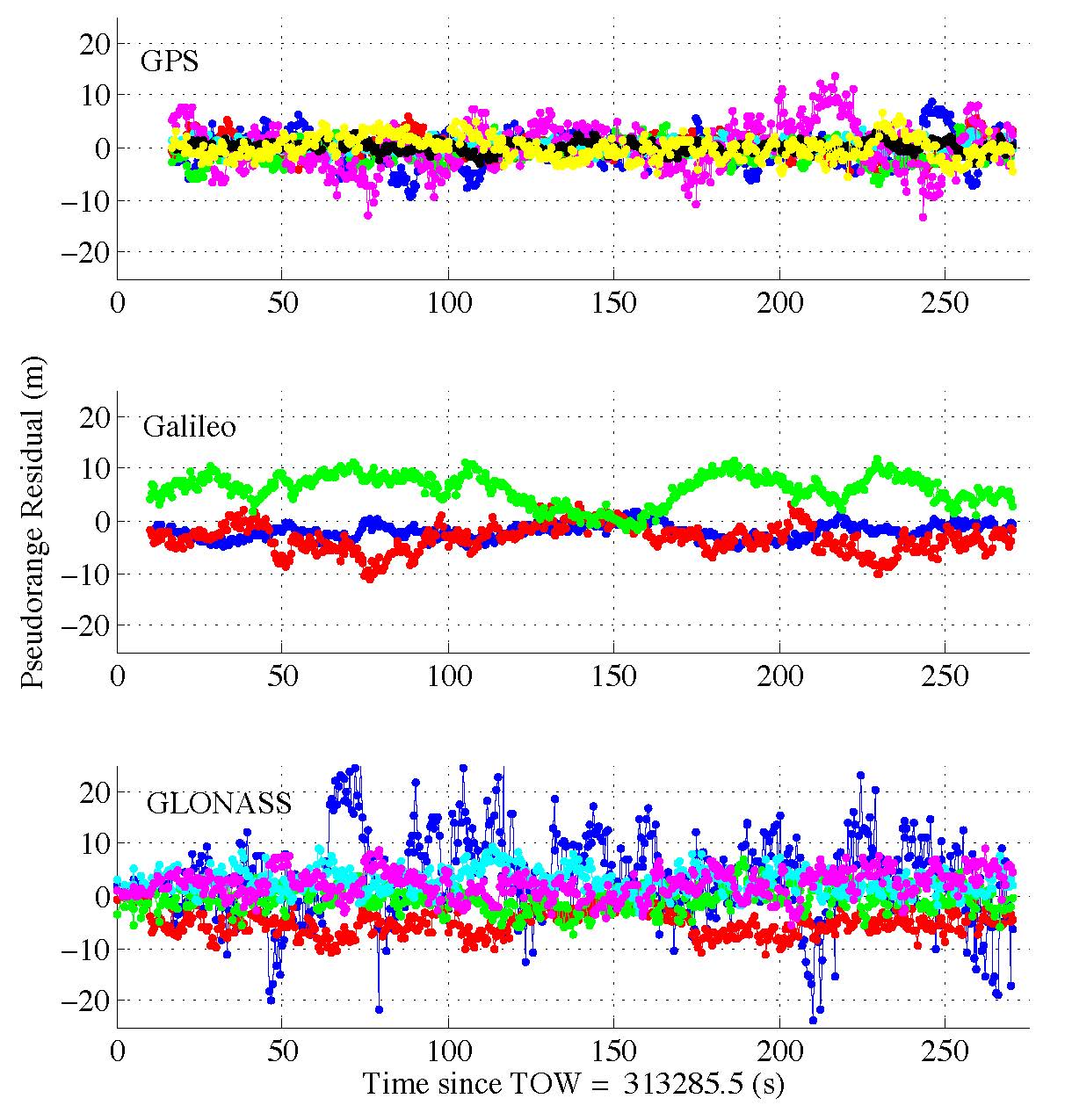
    The pseudorange residuals are plotted against time for each PRN tracked from each of the three systems in Figure 3. It is apparent that the addition of the three Galileo observations contributes to a reduction in bias and standard deviation in the horizontal directions, showing an excellent functioning of the Galileo satellites and PLAN Group equipment and software.

        Figure 3. Pseudorange residuals are plotted against time for each PRN tracked from each of the three systems.
    Figure 3. Pseudorange residuals are plotted against time for each PRN tracked from each of the three systems.
    screenshot
    Figure 4. A screenshot of the receiver processing the data.


    Contact: Dr. James T. Curran

    Email: James.T.Curran at ucalgary.ca

  • Verizon Launches Fleet Management Solution

    Verizon is rolling out Networkfleet on the Verizon Wireless network, the company announced today. Networkfleet is a fleet-management solution that provides a wide variety of monitoring and management capabilities for increased productivity and improved customer service.

    The Networkfleet solution — part of Hughes Telematics, which Verizon acquired last year — will be combined with the Verizon Wireless network and will debut in Verizon’s U.S. service fleet for improved monitoring, management and route optimization capabilities.

    With this all-Verizon solution as part of the company’s telematics portfolio, Verizon is building on its and Hughes Telematics’ joint capabilities to help fleet, operations and risk managers use technology to improve operations by managing speed, fuel consumption, drivers and vehicles while optimizing vehicle use and routes using vehicle diagnostics to help hold the line on maintenance costs.

    “As one of the largest commercial fleet operators in the United States, Verizon recognizes the challenges and opportunities associated with managing fleets, and we continue to shape our offerings to help customers turn rolling assets into a competitive business advantage,” said David Small, senior vice president and chief platform officer for Verizon Enterprise Solutions. “We see the fleet management space as a tremendous opportunity. We will continue to work with our ecosystem to serve this growing market, and we are committed to innovating in the machine-to-machine space.”

    The Networkfleet telematics solution combines in-vehicle hardware and a web-based application to store, view and analyze data on specific vehicles as well as overall fleet performance. Vehicles are equipped with a GPS device that sends information to the Networkfleet Data Center over a secure wireless network. Key features include GPS fleet tracking, asset tracking, fleet maps, vehicle diagnostics with alerts, roadside assistance, preventative maintenance and other fleet management tools.

    Verizon is deploying Networkfleet to an initial 18,000 company vehicles in its fleet this year to expedite customer service, while increasing productivity and cost efficiencies. The initiative will help Verizon achieve its sustainability goal of decreasing its carbon footprint.

    The Networkfleet solution can be used in a wide variety of industries including:

    • transportation
    • energy and utilities
    • government
    • retail and sistribution
    • construction
    • insurance
    • healthcare
    • media and entertainment.

    The Eastern Municipal Water District in Southern California used Networkfleet to lower fuel costs and increase productivity:

  • Telenav Announces Planned Sale of Enterprise Business

    Telenav, Inc. (NASDAQ: TNAV) has entered into an agreement to sell the Telenav enterprise business unit to FleetCor Technologies Operating Company, LLC, for approximately $10 million in cash, with an anticipated closing date in 30 days. Telenav’s enterprise business allows companies to better manage operations by using the Telenav location-based services (LBS) platform to track status and the location of mobile workers, vehicles and assets deployed in the field.

    “As our consumer, advertising and automotive businesses grow, we have seen a divergence between the strategic direction of these areas and that of our enterprise business,” said HP Jin, president and CEO of Telenav. “This agreement will allow us to focus more and strengthen our strategic growth areas.”

    Telenav will provide certain services after closing to facilitate the transition of the business. Other terms of the agreement were not disclosed; however, the Company noted that as the deal will close near the end of the fiscal third quarter, the financial guidance provided for the quarter will be unchanged. As to the full-year revenue for fiscal 2013, the anticipated range for revenue will now be $190 to $194 million, reflecting the impact on revenue from this sale. Except as noted, the financial impact is not expected to be material to the financial results of Telenav.