Tag: DJI

  • DJI launches UAV for long-endurance aerial missions

    DJI launches UAV for long-endurance aerial missions

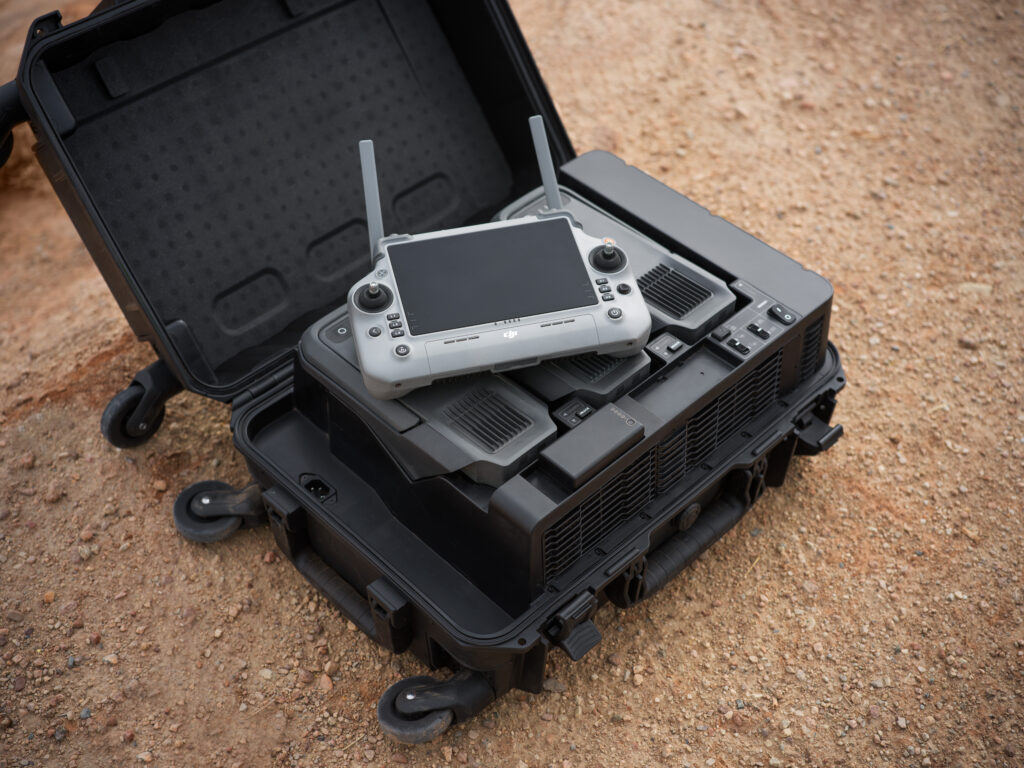
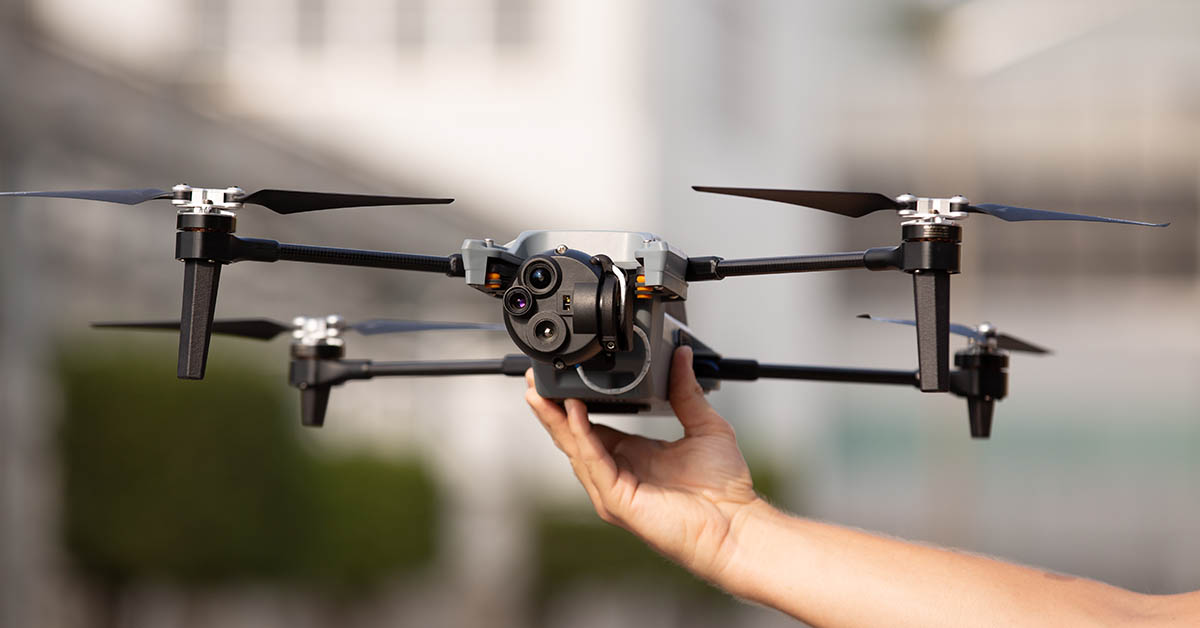
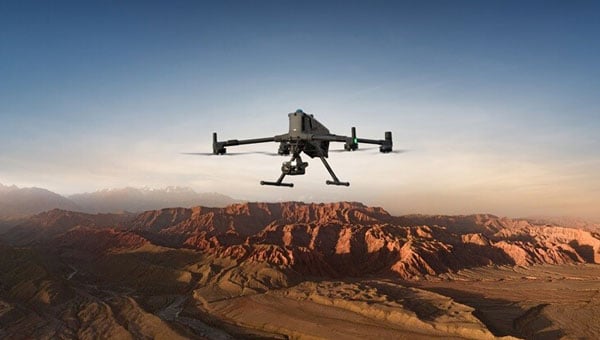
    DJI has unveiled the Matrice 400, designed for a range of applications, including emergency response, power line inspections, large-scale mapping, engineering and construction. The UAV offers a maximum flight time of 59 minutes and can carry payloads weighing up to 6 kg. It is equipped with a lidar and millimeter wave radar-based obstacle sensing system, enhancing its ability to navigate complex environments.

    The Matrice 400 features an IP55 protection rating, allowing it to operate in harsh conditions and withstand extreme temperatures ranging from minus 20°C to 50°C, according to DJI. The company also states that the drone is capable of taking off from stationary vessels and landing on moving ships, making it suitable for offshore operations such as wind turbine inspections and maritime patrols.

    The UAV offers power-line-level obstacle avoidance, which allows it to detect and avoid buildings and mountains while flying at speeds up to 25 m/s. It uses O4 Enterprise Enhanced Video Transmission technology, which supports image transmission up to 40 km. This is achieved through a 10-antenna system on the aircraft and a high-gain phased array antenna on the remote controller. A built-in video transmission relay module allows operators to use one Matrice 400 as a relay drone, providing signal support for another unit.

    The drone is designed for automated operations, featuring multiple intelligent functions to improve efficiency. It supports up to seven payloads simultaneously through four external E-Port V2 ports, with options for single or dual downward gimbals and compatibility with a third gimbal connector on the underside. DJI has also incorporated a range of privacy controls to address the data security needs of enterprise users.

    Photo:
    DJI Matrice 400 drone platform (Credit: DJI)
  • Launchpad: Latest in OEMs, mapping, UAVs and more

    Launchpad: Latest in OEMs, mapping, UAVs and more

    Read a roundup of recent products in the GNSS and inertial positioning industry from the April 2025 issue of GPS World magazine.


    OEM

    INS
    With three additional GNSS receiver variants

    Photo: Topcon
    Photo: Topcon

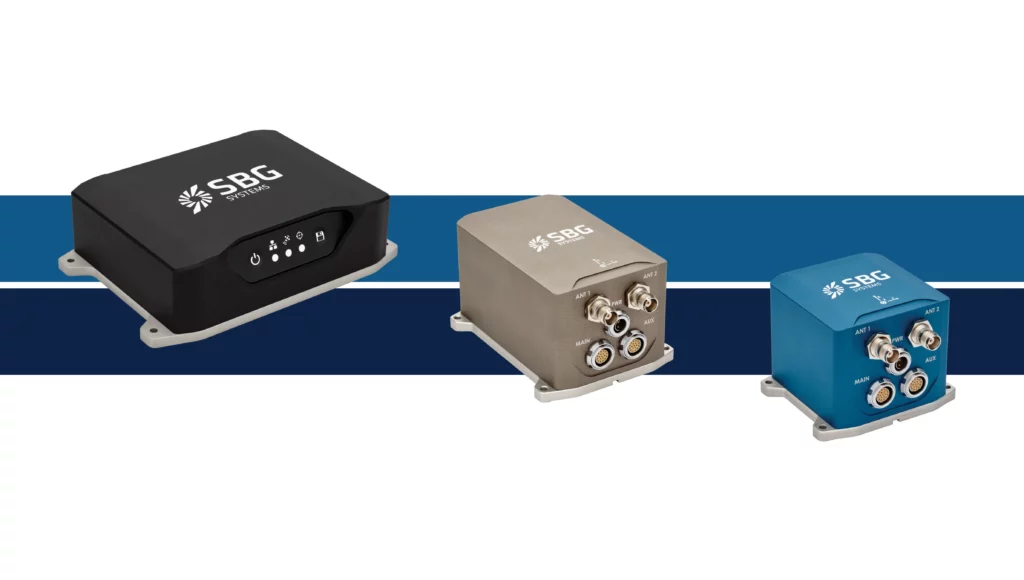
    SBG Systems has upgraded its inertial navigation systems — Ekinox, Apogee and Navsight — with new GNSS receiver options. The latest update introduces three additional GNSS receiver variants.

    These include:

    • Marinestar, which supports Fugro Marinestar, delivering precise point positioning (PPP) with centimeter-level accuracy via L-band corrections without requiring a base station. It is optimized for marine applications.
    • HAS Ready / NavIC, which includes Galileo E6 support for the upcoming Galileo High Accuracy Service (HAS), offering free decimeter-level PPP corrections globally. Additionally, it supports the Indian NavIC system.
    • Centimeter-Level Augmentation Service, which is tailored for users in Japan; this variant utilizes QZSS L6 signals to provide free PPP corrections without external services.

    All GNSS variants integrate seamlessly with SBG Systems’ antenna portfolio and Qinertia post-processing software. Users select the appropriate GNSS variant at purchase to match their operational requirements. These enhancements aim to provide versatile solutions across diverse industries while ensuring reliable performance.

    SBG Systems

    Receivers
    Can achieve centimeter-level accuracy

    Photo: STMicroelectronics
    Photo: STMicroelectronics

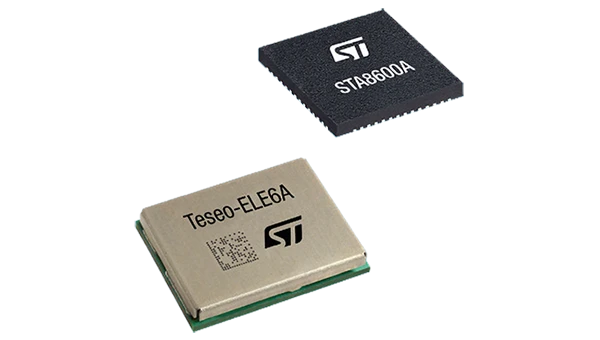
    The GNSS receivers in the Teseo VI family use multi-constellation and quad-band signal processing on a single chip, achieving centimeter-level accuracy for various applications. The Teseo VI family includes the STA8600A and STA8610A models. These receivers are designed for automotive applications such as advanced driver assistance systems and autonomous driving, as well as industrial uses, including asset tracking, mobile robots and precision agriculture.

    The Teseo VI+ variant can host enhanced positioning engines developed by third-party companies, providing real-time kinematics for centimeter position accuracy.

    STMicroelectronics

    GNSS Module
    Operates in challenging environments

    Photo: Quectel
    Photo: Quectel

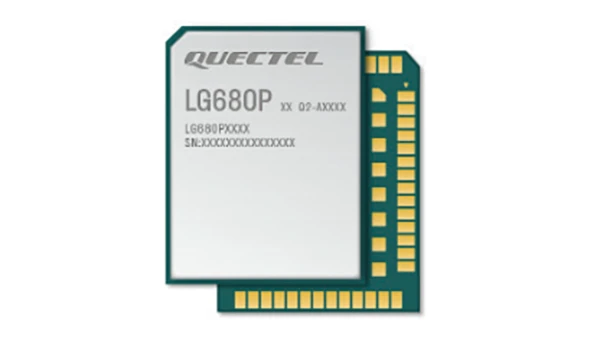
    The LG680P is a multi-constellation, quad-band GNSS module designed for high-precision positioning and to enhance signal quality and precision through concurrent reception of L1, L2 and L5 frequency bands. It supports Galileo E6, QZSS L6 and BDS B2b signals for precise point positioning, ensuring horizontal accuracy of up to 0.8 cm + 1 ppm without requiring local or broadband connectivity.

    To ensure signal integrity in environments with electromagnetic interference, the module features professional-grade anti-jamming technology, including built-in NIC algorithms that suppress narrow-band interference. It supports external active antennas for enhanced signal reception and positioning accuracy. It is ideal for applications such as autonomous lawnmowers, delivery robots, surveying equipment and precision agriculture. Quectel complements it with two external GNSS antennas: the YEGR001W8AH geodetic antenna and the YEGD006U1A compact patch antenna.

    Quectel

    Firmware Upgrade
    For SBG Systems’ MEMS-based INS

    Photo: SBG Systems
    Photo: SBG Systems

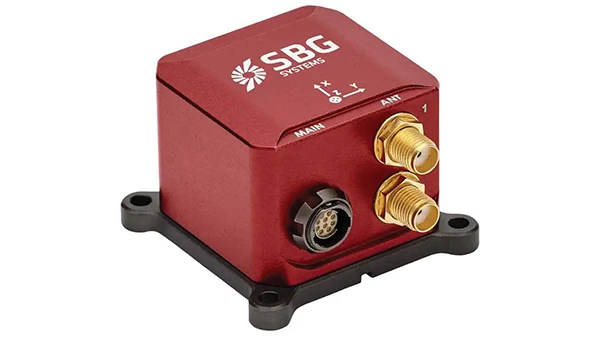
    The New Ellipse firmware upgrade for the Ellipse product line allows the system to now be used as an attitude and heading reference system or inertial navigation system. It is designed to enhance navigation, attitude and heave performance for stable and accurate positioning, even in challenging conditions.

    It introduces advanced GNSS-denied capabilities, featuring newly integrated flags that trigger when GNSS jamming or spoofing threats are detected. This allows users to reject or re-enable external sensors — such as GNSS — without resetting the filter. The user-friendly interface allows for fast and flexible configuration using simple command lines, enabling users to tailor the Ellipse to their specific needs and applications.

    SBG Systems

    Localization Solution
    Operates in GNSS-denied environments

    Photo: OxTS
    Photo: OxTS

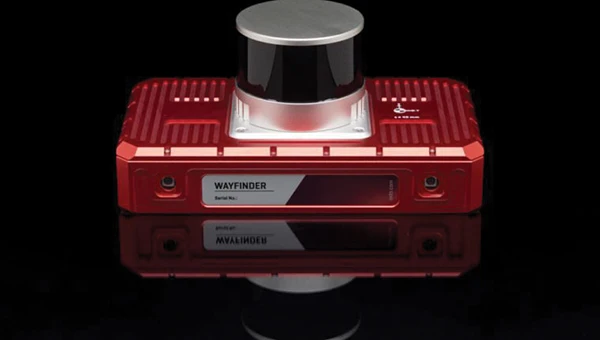
    WayFinder is a localization solution designed for GNSS-denied environments. It integrates a GNSS/INS system, onboard processor, lidar scanner and two cameras, enabling precise navigation in areas with limited satellite coverage. The system features Lidar Boost, a software technology that enhances GNSS/INS performance by processing lidar data to compensate for missing or inaccurate GNSS updates in real time. This ensures high-accuracy localization and seamless transitions between GNSS-supported and GNSS-denied environments.

    WayFinder enables precise navigation for autonomous vehicles in ports, mining and indoor automotive testing without fixed infrastructure. It also provides reliable positioning for surveyors in areas with limited GNSS coverage.

    OxTS

    Survey

    Smart Surveying
    Introduces topographic design tools

    Photo: Virtual Surveyor
    Photo: Virtual Surveyor

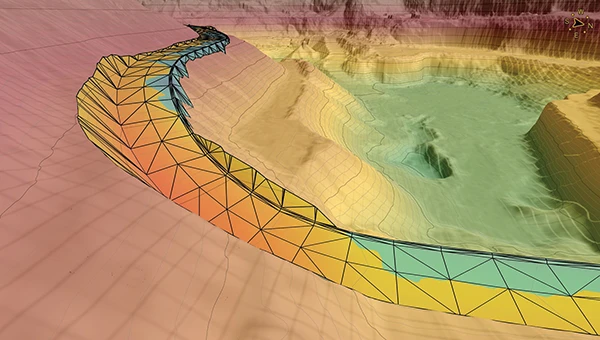
    Virtual Surveyor Version 10 introduces Basic Topographic Design tools, allowing users to document terrain changes such as graded roads, water ponds and building surfaces. The software now features four subscription plans — Valley, Ridge, Mountain and Peak.

    • Ridge plan: Focuses on surveying a single moment in time using one drone data set.
    • Mountain plan: Adds Timelines to compare surveys across different times, visualizing changes through Time Steps.
    • Peak plan: Includes advanced Topographic Design tools for planning future structures by creating new Time Steps. These tools allow users to design features such as roads or ponds directly on UAV-derived models, with automated alignment and volume calculations for cut-and-fill operations.

    Version 10 introduces drawing guides, available in the Ridge plan and above, enabling precise drawing of points at specific intervals or angles. Walk Mode, included in all plans, allows users to explore 3D terrain at ground level for better visualization. Timelines, featured in the Mountain and Peak plans, facilitate the comparison of multiple surveys conducted at different times and the integration of future designs. These improvements seek to streamline processes for engineering surveyors, supporting applications in construction, mining and water management.

    Virtual Surveyor

    Laser RTK
    With a laser range of up to 50 m

    Photo: ComNav Technology
    Photo: ComNav Technology

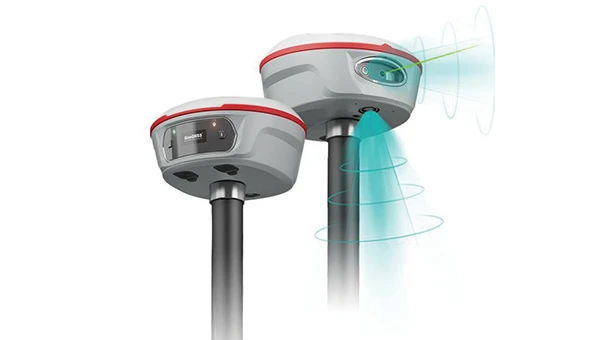
    The Jupiter Laser RTK integrates GNSS, auto-IMU, laser and dual camera systems into a single unit. It incorporates a precise green laser that remains visible even in bright daylight. This feature allows for precise measurements of points in hard-to-reach, signal-blocked or potentially hazardous locations. It also features a night vision camera, allowing users to see feature points even in low-light conditions. The RTK system’s laser range is up to 50 m, making it suitable for challenging surveying environments. It incorporates visual technology to offer surveyors an immersive experience during surveying and stakeout operations, improving working efficiency and productivity.

    ComNav Technology

    UAV

    UAV Software
    With new mapping capabilities

    Photo: AgEagle Aerial Systems
    Photo: AgEagle Aerial Systems

    Version 2.1.0 of AgEagle Aerial Systems’ eBee VISION application software introduces circular and grid mapping features, allowing users to generate 2D or 3D maps using external post-processing software for more comprehensive geospatial data.

    The eBee VISION 2.1.0 can continue missions in GNSS-denied environments and allows manual deactivation of GNSS to prevent jamming or spoofing. It implements the STANAG 4609 standard, the official format for motion imagery exchange within the NATO nations. This involves embedding UAV position and camera information into the videos recorded by the UAV and those broadcasted by the Ground Control Station. Its inclusion in the system seeks to enhance interoperability with third-party applications, which is key for military-grade UAVs.

    It offers enhanced control over the Silent Tactical Landing feature. Users can now manually adjust the landing position on the map, with the system providing range estimates to inform operators of the UAV’s reach. This functionality offers greater flexibility in mission planning and execution, particularly in tactical scenarios requiring precise landing control. The system is ideal for defense, public safety and utilities applications.

    AgEagle Aerial Systems

    ‘Drone-in-a-Box’ Solution
    Designed for vehicle-mounted deployments

    Photo: DJI
    Photo: DJI

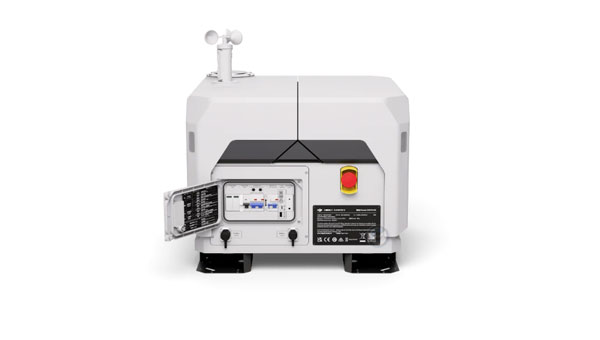
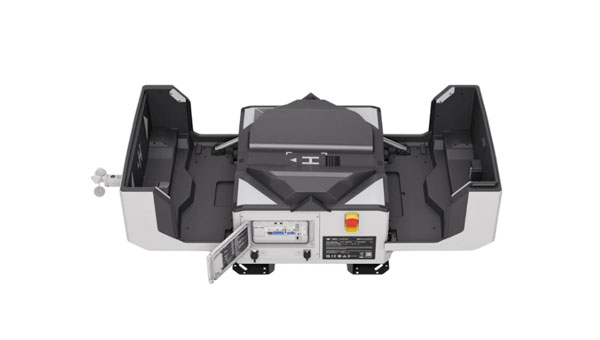
    The DJI Dock 3 “drone-in-a-box” solution is designed for vehicle-mounted deployments and 24/7 remote operations in various environments. This system is compatible with the Matrice 4D and Matrice 4TD UAVs, which feature advanced cameras and IP-rated protection for challenging conditions. The UAVs are ideal for public safety, emergency response and infrastructure inspection.

    This system supports flexible deployment options, including vehicle-mounted setups optimized for emergency operations and long-distance inspections. It enables horizontal calibration and cloud-based dock location adjustments. Two docks can be mounted on a single vehicle to facilitate dual-UAV rotations for enhanced efficiency. In fixed deployments, the D-RTK 3 Relay Fixed Deployment Version can be added to improve video transmission and satellite connectivity.

    The Matrice 4D and 4TD UAVs have a wide-angle camera, medium tele camera, tele camera and laser range finder. The Matrice 4D features an advanced camera suite designed for high-precision mapping. The Matrice 4TD includes an infrared thermal camera for public safety and emergency response applications. The system includes a Flight Termination System to support regulatory compliance in strictly controlled airspace. This system can manually or automatically stop drone operations if necessary.

    DJI

    Software Upgrade
    Enables 24/7 BVLOS operations

    Photo: uAvionix
    Photo: uAvionix

    Casia G Release 4.0 is a software update that enables nighttime detection of aircraft, allowing 24/7 beyond visual line of sight (BVLOS) UAS operations. The update supports BVLOS flights up to 400 ft at night without requiring hardware modifications, offering detection of both cooperative and non-cooperative aircraft. The system detects aircraft at distances of up to 16.7 km with 360° coverage, ensuring safe nighttime operations. When multiple units are used, triangulation technology provides accurate range, altitude and satellite data for intruding aircraft. The update leverages existing hardware to detect navigation and anti-collision lights at night.

    uAvionix

    Marine Radar
    With W-band radar technology

    Photo: NavTech Radar
    Photo: NavTech Radar

    The MAS10 is a 77 GHz FMCW marine radar system designed to enhance navigation safety in congested environments under all weather conditions. The ultra-high-definition W-band radar provides centimeter-level resolution, enabling vessels to detect and identify small hazards in heavily trafficked waterways.

    Unlike optical and infrared sensors, W-band radar technology penetrates fog, heavy rain and snow, ensuring reliable detection. It operates effectively in low-visibility scenarios, including complete darkness, intense sunlight and shadowed areas where cameras and lidar may struggle.

    NavTech Radar

    Mapping

    New 3D Scanners
    Available in two versions

    Photo: 3DMakerpro
    Photo: 3DMakerpro

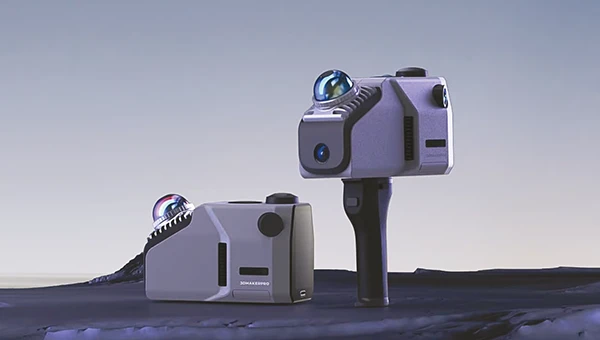
    The Eagle Series line of spatial 3D scanners feature lidar and imaging sensors and are designed for various applications, including reverse engineering, digital twinning, asset management, extended reality, precision mapping and 3D printing.

    The series offers scanning capabilities with a range of up to 140 m and precision within 2 cm at 10 m. The lightweight scanner is designed for portability, with a built-in battery providing up to one hour of continuous use.

    The scanners are available in Standard and Max versions. The Max model features four 48 MP cameras, enhancing scanning efficiency and producing vivid 8 K panoramic photos. With a point cloud frequency of 200,000 points per second, the Eagle Series is designed for applications requiring highly detailed spatial data.

    3DMakerpro

    Upgraded Mapping Package
    With Google Maps downloads

    Photo: Golden Software
    Photo: Golden Software

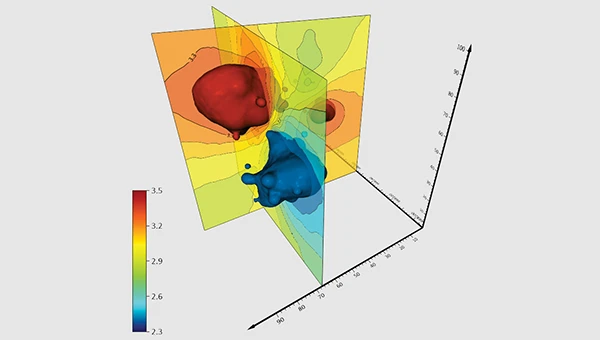
    Golden Software has upgraded its Surfer mapping and 3D visualization software. Users can now directly download georeferenced aerial and satellite imagery from Google Maps into projects. The latest version also improves 3D visualization tools, focusing on faster and more intuitive creation of visual models. Users can now colorize 3D drill hole intervals based on text keywords, making it easier to interpret subsurface data. Additionally, contour slices can now be added to the 3D view, offering a clearer representation of data layers.

    Golden Software has released a beta version (30.0.135) that introduces multiple light sources for improved 3D viewing and customizable legends for better map presentation. These updates are designed to streamline workflows for professionals in industries such as environmental consulting, resource exploration and geospatial analysis, simplifying the creation of professional-grade maps and models efficiently.

    Golden Software

  • DJI unveils ‘drone-in-a-box’ solution for autonomous operations

    DJI unveils ‘drone-in-a-box’ solution for autonomous operations

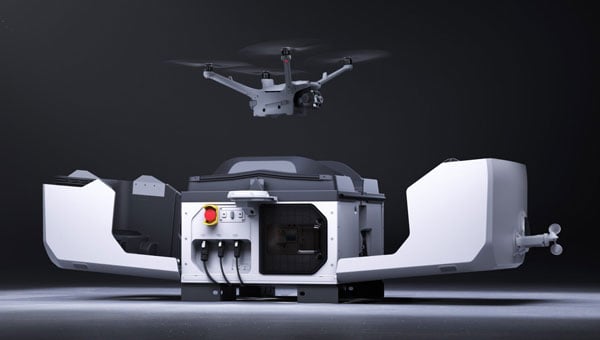
    DJI has introduced the DJI Dock 3, its first “drone-in-a-box” solution designed for vehicle-mounted deployments and 24/7 remote operations in various environments. This system is compatible with the Matrice 4D and Matrice 4TD UAVs, which feature advanced cameras and IP-rated protection for challenging conditions. The UAVs are ideal for public safety, emergency response and infrastructure inspection.

    When pre-heated, the DJI Dock 3 can operate in temperatures as high as 50 °C and as low as -30 °C. It is IP56-rated dust and water-resistant to protect its internal systems. The accompanying UAV features IP55-rated protection and low-noise anti-ice propellers to ensure stable flights in freezing rain or winds up to 12 m/s.

    This system supports flexible deployment options, including vehicle-mounted setups optimized for emergency operations and long-distance inspections. It enables horizontal calibration and cloud-based dock location adjustments. For enhanced efficiency, two docks can be mounted on a single vehicle to facilitate dual-UAV rotations. In fixed deployments, the D-RTK 3 Relay Fixed Deployment Version can be added to improve video transmission and satellite connectivity.

    The Matrice 4D and 4TD UAVs have a wide-angle camera, medium tele camera, tele camera and laser range finder. The Matrice 4D features an advanced camera suite designed for high-precision mapping. The Matrice 4TD includes an infrared thermal camera for public safety and emergency response applications.

    The system also features an airborne relay function using the DJI RC Plus 2 Enterprise controller. This allows one drone to act as a relay to extend the operational range of another drone in areas without a 4G signal or with obstructions, making it particularly useful for search and rescue missions or inspections in mountainous regions.

    The DJI Dock 3 integrates seamlessly with DJI FlightHub 2 to enable intelligent aerial operations. Automated flight routes allow drones to capture images or detect anomalies autonomously. Features like intelligent change detection provide periodic analyses of environmental changes, while the Virtual Cockpit interface allows operators to adjust gimbal orientation remotely using the new Mouselook feature.

    To support regulatory compliance in strictly controlled airspace, the system includes a Flight Termination System , which can manually or automatically stop drone operations if necessary. Additionally, DJI Care Enterprise Plus offers comprehensive protection plans that include unlimited repairs within coverage limits and battery replacements.

  • DJI launches drone in a box solution

    DJI launches drone in a box solution

    Image: DJI
    Image: DJI

    DJI has launched the DJI Dock 2. This lightweight drone-in-a-box solution features the Matrice 3D/3TD UAV and is compatible with DJI FlightHub 2, where automated aerial missions can be managed and monitored through cloud-based operations. DJI Dock 2 can streamline daily operations for surveying, inspections, asset management and security.  

     DJI Dock 2 weighs 75 lbs and is 75% smaller and 68% lighter than the previous generation. It uses vision sensors to evaluate a site before deploying the UAV to ensure the flight path and destination have good GNSS signals. This speeds up the site selection process to 12 minutes or less, down from five hours. Once ready, it can quickly complete propeller inspections and get accurate return-to-home (RTH) location information using its dual real-time kinematics (RTK) antennas, which allow the UAV to take off within a minute. 

     The solution can operate steadily in harsh climates and GNSS environments. It is IP55-rated for dust and water resistance and uses gauges for rainfall, wind speed and temperature to sense real-time weather changes. With DJI FlightHub 2 and its integrated online weather forecasting, timely warnings can be issued and flights can be terminated as needed.

    Image: DJI
    Image: DJI

     It can be programmed to complete missions automatically, but at any time, operators can control the flight and gimbal angle from any location. Internal and external fisheye lenses provide real-time conditions within and outside the dock, allowing operators to remotely observe weather conditions, environmental circumstances and takeoff and landing situations.  

  • Launchpad: Lidar systems, PNT platforms and UAVs

    Launchpad: Lidar systems, PNT platforms and UAVs

    A roundup of recent products in the GNSS and inertial positioning industry from the February 2024 issue of GPS World magazine.


    SURVEYING & MAPPING
    ComNav Technology

    Handheld GIS Data Collection Solution
    For outdoor operations

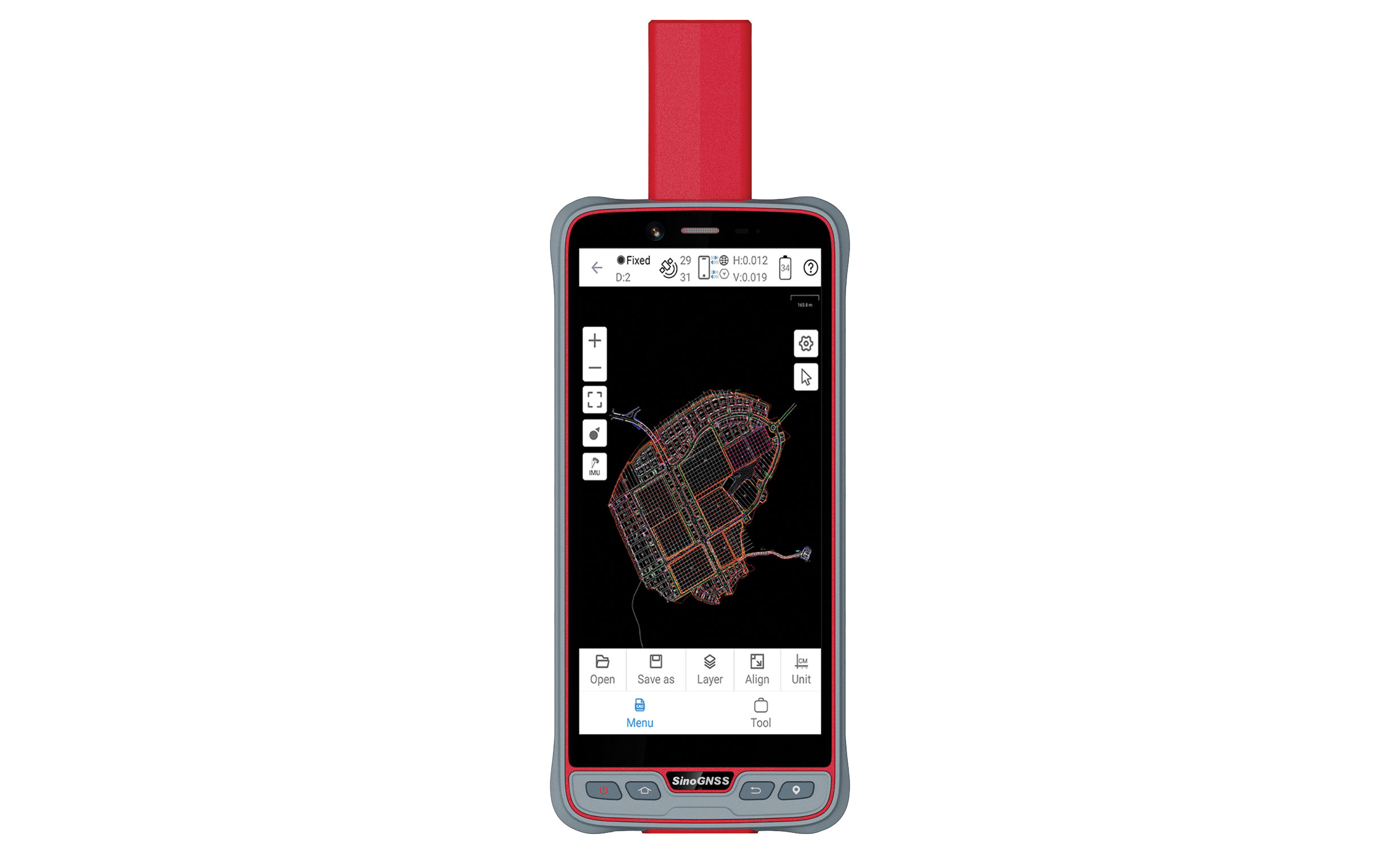
    The handheld P6H solution is designed for GIS data collection and outdoor operations. Featuring a GNSS high-precision positioning module, rugged IP67-rated design, and 6-inch sunlight-readable display, the P6H offers positioning accuracy in harsh environments.
    Equipped with a SinoGNSS self-developed high-precision K8 board and antenna, it can track all running and planned constellations with 1,590 channels, including GPS, BeiDou, GLONASS, Galileo, QZAA, IRNSS, and SBAS.

    The P6H offers users centimeter- or decimeter-level accuracy. Its IP67 rating protects against dust and water to enhance its efficiency and durability in tough environments.

    The device comes equipped with Survey Master and robust GIS functions, which allow users to take measurements of geographic elements and store the results as attribute data for subsequent analysis, calculation, and visualization. It also includes a mock location function for users to accurately share Survey Master’s position with P6H. The location data can then be accessed on a third-party GIS software.

    It is also compatible with common GIS software such as ArcGIS Collector, Mapit GIS, and QGIS. Additionally, the P6H features an 8-core 2.0 GHz processor, up to 128 GB of storage and up to 6 GB of RAM to offer users smooth software operation and efficient data processing.

    PH6, which features a high-precision GNSS module and antenna, also incorporates 4G LTE, Wi-Fi, and Bluetooth to improve its data transmission and sharing capabilities.

    ComNav Technology, comnavtech.com
    YellowScan

    Bathymetric Lidar System
    Maps underwater topography

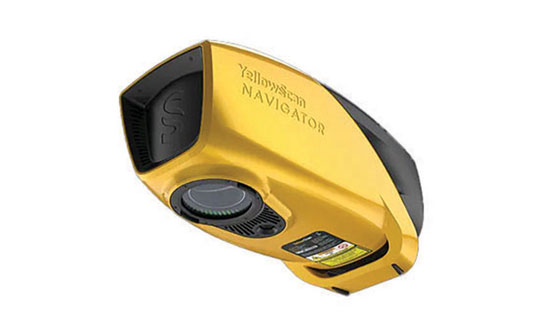
    YellowScan Navigator is a bathymetric lidar system designed for surveyors to map underwater topography in rivers, ponds, and coastal areas.

    The system features a laser scanner developed in-house over the course of five years and has been heavily tested to achieve optimal performance. The compact system can map waterbeds with a depth of up to 3 m and can reach a depth of 18 m in perfectly clear water conditions, according to the company. It can be flown up to 100 m above the water surface and provides measurements with an accuracy of 3 cm. Additionally, a camera is embedded for true-color data visualization.

    YellowScan, yellowscan.com
    DJI

    3D Model Editing Software
    For aerial surveying, transportation, and emergency responses

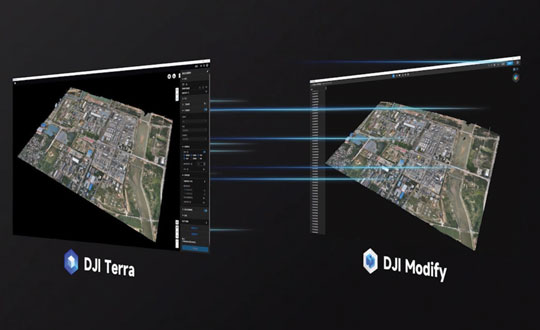
    DJI Modify is an intelligent 3D model editing software. It can be seamlessly integrated with DJI’s enterprise UAVs and 3D modeling and mapping software, DJI Terra. When integrated with these products, the software can be used for aerial surveying, transportation, and emergency responses.

    DJI Modify paired with DJI Terra offers users an end-to-end solution from modeling to model editing. Once DJI Modify has been enabled, DJI Terra files for model editing are automatically generated, including pre-identified objects and pre-processing of the model. It is designed to make repairing common 3D model defects seamless and efficient. As of early 2024, DJI Modify will only support repairing models built by DJI Terra.

    DJI Modify allows for model files to be quickly imported and exported to the DJI Terra and other third-party software. Its intelligent auto-repair editing supports flattening, editing textures, repairing water surfaces, removing floating parts, and filling holes. Edits can be made using one-click repairs or manually by selecting custom polygons, areas or meshes.

    The software’s smoother model display technology allows high- and low-quality models to be viewed and edited in a single interface. Changes made can be synchronized across both models and previewed immediately, which allows users to address model editing issues in real-time.

    DJI, store.dji.com


    OEM
    Oxford Technical Solutions (OxTS)

    GNSS/IMU
    Uninterrupted position, orientation, and dynamics

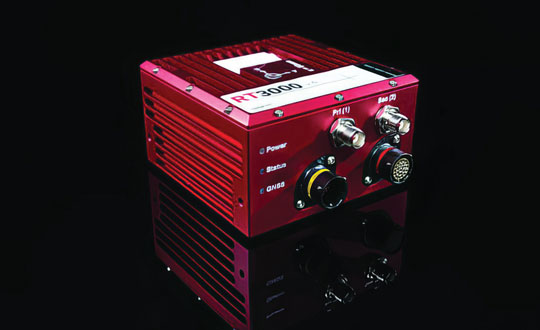
    RT3000 v4 GNSS inertial measurement unit (IMU) combines two survey-grade GNSS receivers with OxTS’ IMU10 inertial technology. The RT3000 v4 offers uninterrupted position, orientation and dynamics in challenging environments.

    The IMU will reach the desired specification within three minutes of low dynamic movements, which reduces the time and space required for high dynamic maneuvers before each data collection.

    Users can customize the INS with optional features and software integrations to create the ideal INS for individualized projects, including lidar surveying and mapping or positioning in GNSS-denied or challenged environments.

    Oxford Technical Solutions (OxTS), oxts.com
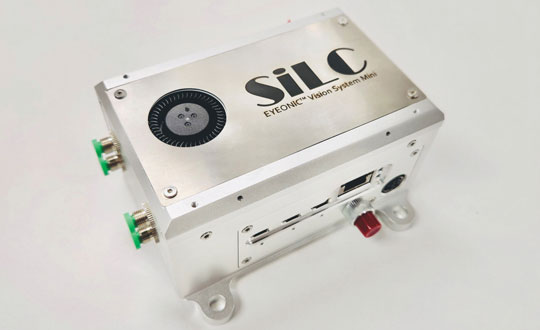
    SiLC Technologies

    Precision Lidar Technology
    Provides vision capabilities in challenging environments

    The Eyeonic Vision System Mini (Eyeonic Mini) supports sub-millimeter resolution in a reduced size. The system integrates a full multi-channel FMCW lidar on a single silicone photonic chip and an integrated FMCW lidar system-on-chip (SoC).

    The Eyeonic Vision Chip combines crucial photonics functions into a coherent vision sensor. The system’s accuracy stems from a 4-channel FMCW LiDAR chip — supported by Indie Semiconductor Surya SoC technology — to provide robots with sub-millimeter depth precision from distances exceeding 10 m.

    The technology offers enhanced precision and can be used in automation, including warehouse logistics and artificial intelligence (AI) machine vision applications. Palletizing robots equipped with the Eyeonic Mini can view and interact with pallets, which aims to optimize package placement and truck loading with greater efficiency and safety.

    SiLC Technologies, silc.com
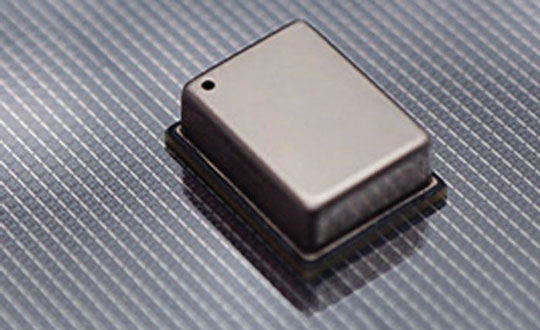
    SiTime Corporation

    PNT Platform
    Used in critical defense operations

    The Endura Epoch Platform provides robust and resilient positioning, navigation, and timing (PNT) services critical in defense operations.
    The MEMS oven-controlled oscillator (OCXO) can boost the resilience of PNT systems and other equipment, including radars, field and airborne radios, satcom terminals, and avionics against spoofing, jamming and other disruptions in GPS signals.

    Based on the Epoch Platform, the Endura Epoch MEMS OCXOs are designed to meet the challenging shock and vibration conditions found in aerospace and defense. These devices are manufactured using semiconductor processes that deliver the reliability and quality expected from silicon devices. The same level of reliability cannot be achieved by quartz crystal OCXOs, specifically in extreme conditions.

    The Endura Epoch MEMS OCXOs, compared to quartz crystal OCXOs, includes various features and benefits, including programmable frequencies from 10 to 220 MHz; a 20,000 g shock survivability rating; up to 20 times better frequency stability over temperature; up to three times better Allan deviation, a measure of short-term frequency stability; surface-mountable, small footprint and low height 9.0 x 7.0 x 3.6 mm; low weight of 0.35 g; 420 mW steady state power.

    SiTime Corporation, sitime.com
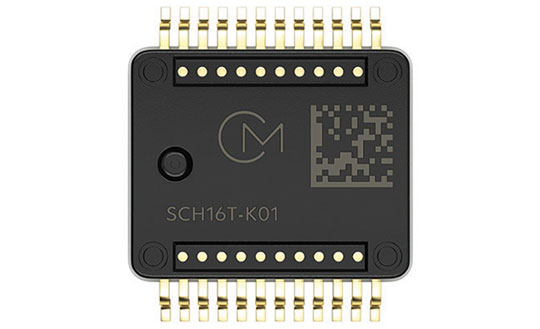
    Murata

    IMU
    With an XYZ-axis gyroscope and accelerometer

    The SCH16T-K01 is an inertial measurement unit (IMU) featuring a XYZ-axis gyroscope and a XYZ-axis accelerometer, for a total of six degrees of freedom.

    The SCH16T-K01 includes a sophisticated gyro with typical bias instability of 0.5 dph and up to 0.3 mdps/√Hz noise density. The accelerometer has a dynamic range of up to 26 g, which provides resistance against saturation and vibration.

    The component’s output is internally cross-axis compensated, which eliminates the need for extensive calibration. Through the integration of these features, the SCH16T-K01 can deliver accurate measurements in machine control and guidance without field calibrations.

    It is suited for industrial applications such as construction and agricultural machines, material handling equipment, marine instrumentation, robotics, and UAVs.

    Murata, murata.com
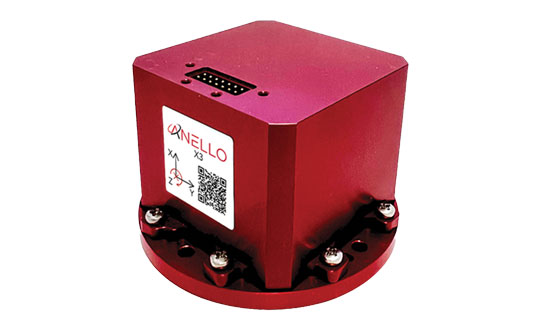
    ANELLO Photonics

    3-Axis Optical Gyroscope IMU
    For GPS-denied environments

    The ANELLO X3, a 3-axis optical gyroscope inertial measurement unit (IMU), is designed for GPS-denied and challenging environments.

    The IMU leverages ANELLO SiPhOG (Silicon Photonics Optical Gyroscope) technology and serves as a light, low-power tri-axial optical gyroscope offering high accuracy, performance, and reliability for autonomous applications.

    The ANELLO X3 can be used in a variety of applications, including autonomous commercial and defense applications involving robots, UAVs, electric vertical take-off and landing (eVTOL) aircraft and various maritime and land vehicle applications, including high-accuracy surveying and mapping.

    ANELLO Photonics, anellophotonics.com


    MOBILE
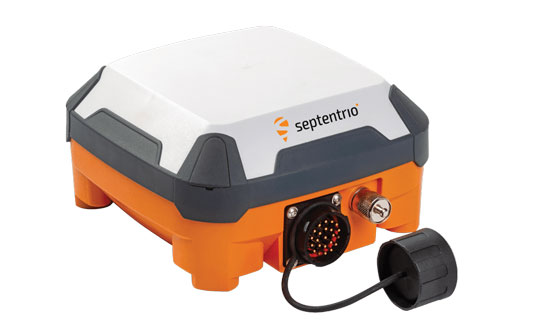
    Septentrio

    Smart Antenna
    Centimeter-level RTK positioning

    The AntaRx smart antenna is designed for machine automation and control in construction, precision agriculture, and logistics. It is enclosed in a rugged and compact housing for simplified installation and can handle high levels of shocks and vibrations, making it ideal for harsh industrial environments such as construction and mining.

    The multi-frequency receiver offers centimeter-level real-time kinematic (RTK) positioning and can be used in inertial navigation system (INS) integration, dual antenna mode, and 4G cellular communication. It is available in several configurations, including as a GNSS smart antenna or a GNSS/INS smart antenna system and can be integrated as an inertial measurement unit (IMU).

    The receiver technology integrates the company’s GNSS+ algorithms, including advanced multipath mitigation, which offers uninterrupted operation in challenging conditions such as near high structures or machinery.

    Septentrio, septentrio.com
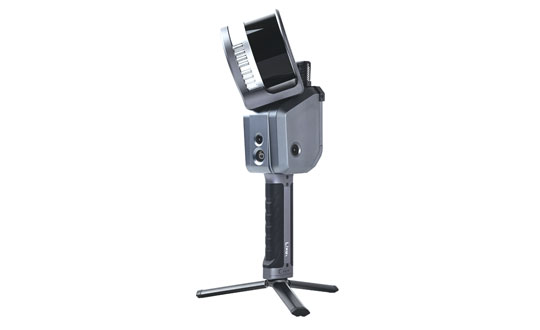
    SatLab Geosolutions

    Handheld Scanner
    With SLAM technology

    The Lixel X1 is a powerful 3D scanner that combines lidar, visible-light and motion cameras, and high-precision inertial sensing using SatLab’s simultaneous localization and mapping (SLAM) technology.

    Data and scene reconstruction can be previewed in real time and can be exported immediately after scanning without the need for post-processing, which aims to simplify workflows and enhance efficiency.

    The system enables scans to be resumed from breakpoints, which allows surveys to be broken up into convenient segments. It provides up to 60 minutes of continuous operation and can be easily mounted to UAVs and other mobile mapping platforms.

    SatLab Geosolutions, satlab.com
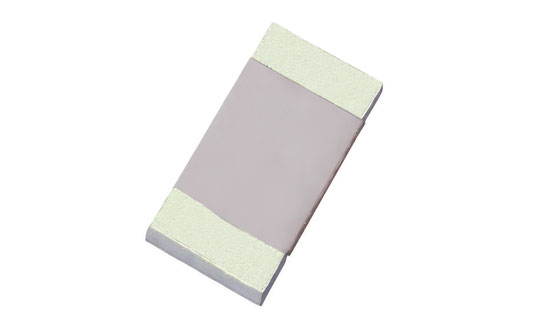
    Antenova

    Ceramic Antenna
    For connectivity on L1 GNSS signals

    Admotus is a surface-mount ceramic antenna designed for connectivity on L1 GNSS signals on all constellations, including GPS-L1 at 1575.42 MHz; GLONASS L1, 1602MHz; Galileo L1, 1575.42 MHz; BeiDou (B1); and QZSS. It offers comparable performance to a small patch antenna on a small ground plane.

    The ceramic antenna has an ultra-low profile measuring a mere 1.0 x 0.5 x 0.5 mm, requires 7 x 15 mm clearance area and offers improved performance on small PCB sizes.

    Admotus offers a peak gain of 0.9 dBi with an average gain of –2.6 dB and offers maximum return loss of –11.5 dB and a maximum VSWR of 1.8:1. A companion evaluation PCB is also available for internal analysis.

    It is suitable for all GNSS positioning applications in the L1 band (1559 – 1609 MHz) such as wearable devices for fitness and medical monitoring, small portable tracking devices used to track keys, pets, bikes, UAVs, agricultural robotics, and telematics devices.

    Antenova, antenova.com
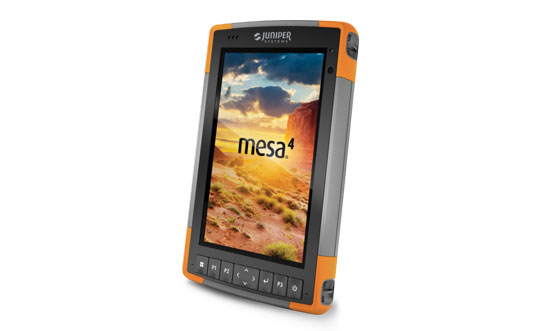
    Juniper Systems

    Rugged Tablet
    For mobile field workers

    The Mesa 4 Rugged Tablet features a 7-inch display and runs on Windows 11. It is designed to provide powerful rugged computing and data collection to mobile field workers.

    The Mesa 4 comes with a new Intel N200 processor. It offers up to three times the CPU performance of the Mesa 3 and has an increased RAM size and speed to enhance its processing power. Mesa 4 has an IP68 rating, MIL-STD-810H certification and ergonomic design for all-day carrying.

    Juniper Systems, junipersys.com


    UAV
    RuggON

    UAV Ground Control System
    On an 8-inch rugged tablet

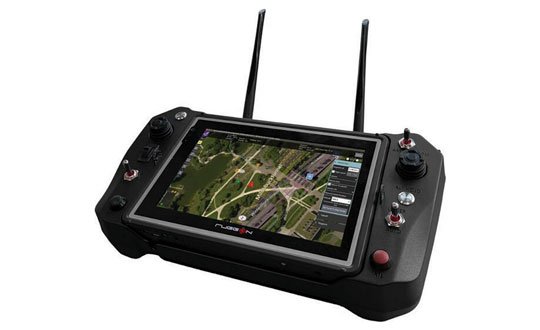
    The Ground Control System (GCS) for UAVs is centered around RuggON’s LUNA 3 8-inch rugged tablet. It is designed to provide real-time control, telemetry, and satellite positioning for connected UAVs.

    GCS is designed to provide users more control over a variety of UAVs by using the LUNA 3 rugged tablet, which has a large and high-definition screen to provide video feedback during operations. The system is also certified to provide GNSS positioning and tracking services.

    Featuring a low-latency video software decoder, GCS allows for real-time high-resolution video viewing and data collection. Engineered to withstand dust, shock, and water, the control system can withstand challenging environments.

    The LUNA 3 8-inch rugged tablet stands as a powerful and efficient model within its class, powered by an Intel Core i5 processor (1145G7E) with Intel Iris Xe graphics and the Windows operating system. Its sunlight-readable display supports night and stealth modes, which is cruicial for law enforcement and military applications. The tablet offers touchscreen functionality for enhanced operator convenience, complemented by ethernet and optional Wi-Fi 6, and 4G LTE connectivity.

    RuggON, rugon.com
    Aeromao

    VTOSL
    Bridging the gap between land and sea

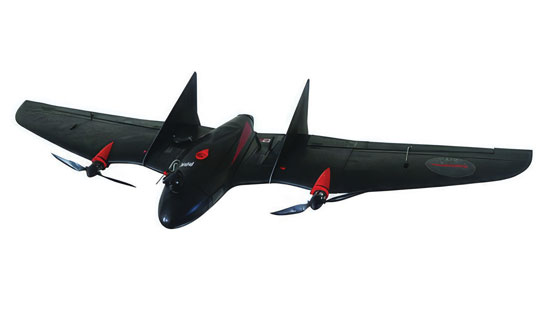
    The VT-Naut, vertical takeoff and short landing (VTOSL) is a versatile aerial solution designed for a variety of applications, including high-precision mapping and surveying for inspection, scouting, observation, and agriculture.

    The VT-Naut can land on water, which makes it ideal for shipboard or coastal operations, and opens new ways for users to collect and observe data. It has a long-range telemetry link of 30 km and a flight endurance of up to 90 minutes. Its compact and robust body design provides durability and resilience in harsh environments.

    The VT-Naut UAV system offers a cost-effective alternative to full VTOL platforms, particularly for users who require extensive surveying capabilities and have some flexibility in landing site selection. The system eliminates the extra costs associated with acquiring and operating a VTOL multirotor drone.

    Aeromao, aeromao.com
    Nearthlab

    Folding UAV
    For challenging environments

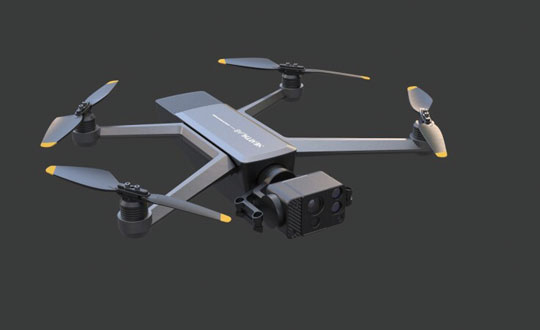
    The AIDrone UAV is designed for a variety of applications, from infrastructure inspections and renewables to defense and public safety.
    The UAV features a high-performance payload, fitted with a 64MP EO/IR camera mounted on a dual-axis gimbal that can support vertical rotation of up to 200°. AIDrone can spot millimeter-sized cracks and detect subtle temperature changes in challenging environments.

    AIDrone uses Nearthlab’s vision-based autonomous flight technology to operate autonomously — in zero-light and GPS-denied environments — both indoors and outdoors.

    It weighs around 4 lbs and has a foldable structure. AIDrone is designed for intelligence, surveillance, and reconnaissance (ISR) purposes, which makes it ideal for crisis management scenarios such as wildfire response and law enforcement.

    Nearthlab, nearthlab.com
    Krattworks

    ISR UAV
    With jamming resistant-radio

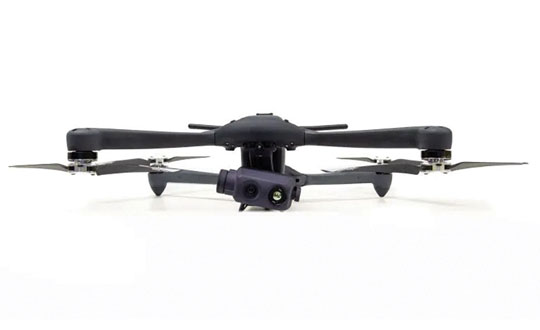
    The Ghost Dragon intelligence, surveillance, and reconnaissance (ISR) UAV offers higher resistance against jamming and spoofing. The UAV is equipped with a thermal and visual light camera and jamming-resistant radio. Its wide frequency hopping radio is used to provide a jamming-resistant video and telemetry link, which makes it difficult to detect the UAV and interfere with the mission.

    The Ghost Dragon ISR uses a dual-band GNSS module that operates on both L1 and L5 bands, which allows for flight operations even in challenging environments. The UAV can operate in radio silence mode in the presence of GNSS and store reconnaissance data on an encrypted SD card to view after the UAV has landed. The video and target location information streamed to the operator is also georeferenced.

    The UAV can be redirected, flown back to base, or handed to another operator at a different ground control station at any time.

    Krattworks, krattworks.com
  • DJI launches 3D model editing software

    DJI launches 3D model editing software

    Image: DJI
    Image: DJI

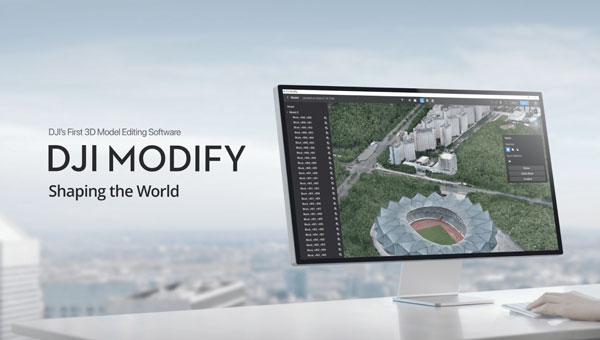
    DJI has launched DJI Modify, its first intelligent 3D model editing software.

    The solution can be integrated seamlessly with DJI’s enterprise UAVs and 3D modeling and mapping software, DJI Terra. When integrated with these products, the software can be used for aerial surveying, transportation and emergency responses.

    Seamless workflow with DJI Terra

    DJI Modify paired with DJI Terra offers users an end-to-end solution from modeling to model editing. Once DJI Modify has been enabled, DJI Terra files for model editing are automatically generated, including pre-identified objects and pre-processing of the model. It is designed to make repairing common 3D model defects seamless and efficient. As of early 2024, DJI Modify will only support repairing models built by DJI Terra.

    Efficient 3D model editing

    DJI Modify allows for model files to be quickly imported and exported to the DJI Terra and other third-party software. In the future, processed models can be shared to the cloud for online viewing and sharing via links without software installation, DJI said.

    DJI Modify’s intelligent auto-repair editing supports flattening, editing textures, repairing water surfaces, removing floating parts, and filling holes. Edits can be made using one-click repairs or manually by selecting custom polygons, areas or meshes.

    The software’s smoother model display technology allows high- and low-quality models to be viewed and edited in a single interface. Changes made can be synchronized across both models and previewed immediately, which allows users to address model editing issues in real-time.

  • TOPODRONE introduces bathymetric surveying device

    TOPODRONE introduces bathymetric surveying device

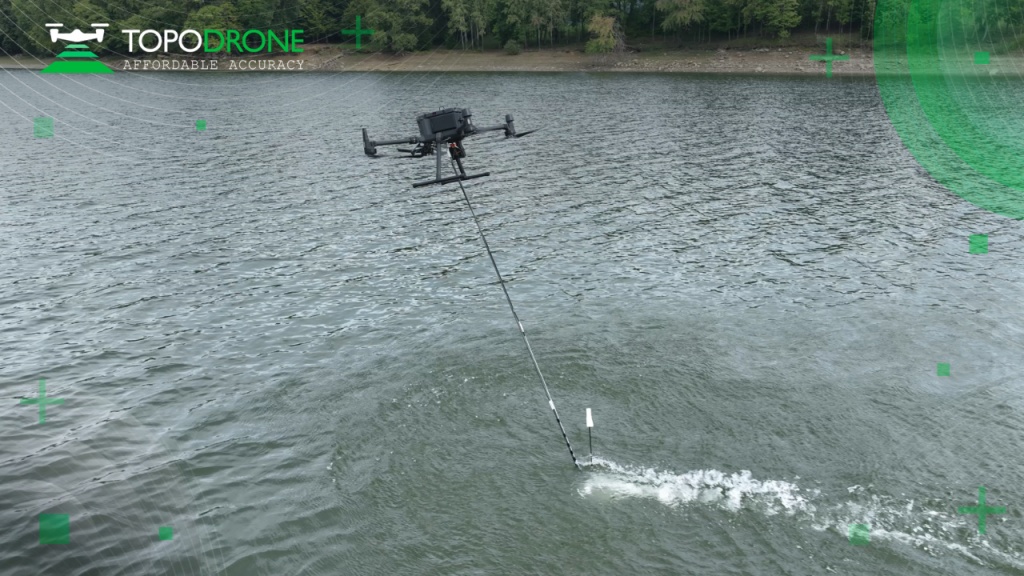
    TOPODRONE, a Swiss-based designer and manufacturer of high-precision lidar equipment for installation on drones, vehicles and backpacks, launched AQUAMAPPER, a UAV-based solution for bathymetric surveying and marine construction.

    AQUAMAPPER contributes to a complete set of photogrammetry, lidar and bathymetry surveying solutions from TOPODRONE. The product, compatible with the DJI Matrice 300 RTK, provides a combination of high-speed efficiency (up to 14 km/h) and accuracy mounted on a UAV. The application areas include an open sea bathymetric survey up to 100m depth, quantity survey and calculation of sediments and periodic maintenance survey of storage pools.

    Photo: Topodrone
    Photo: TOPODRONE

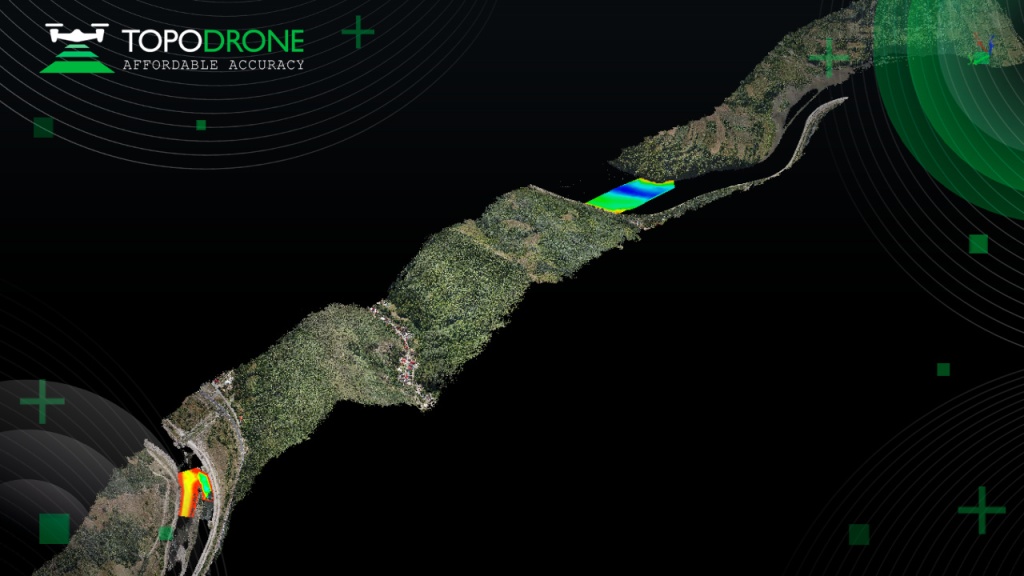
    The new data-collecting device has been successfully used alongside TOPODRONE’s LiDAR ULTRA equipment for airborne surveying at a highway construction project in one of the toughest terrains in Romania, EU, including 7 tunnels, 24 bridges and 18 viaducts. The project was performed by the Romanian company GRAPHEIN TOPO SA to deliver a full digital twin of a studied area.

    Photo: Topodrone
    Photo: TOPODRONE

    The TOPODRONE LiDAR ULTRA on board a DJI M300 drone was used to capture laser scanning data from an altitude of 100 m to 120 m over rugged terrain forest area to cover a corridor 32 km long and 400 meters wide in 14 flights while AQUAMAPPER connected to the same DJI M300 drone performed a bathymetric survey over six river crossings.

    “The key advantage of the new bathymetric equipment from TOPODRONE is the ability to capture a riverbed with centimeter-level accuracy with high speed in fully automatic mode and without using any boat,” said Andrei Sueran of GRAPHIEN TOPO SA. “The combination of an echosounder, GNSS and inertial measurement system helps to get accurate results after data post-processing.”

  • Boat owners use drones to create global database on plastic pollution

    Boat owners use drones to create global database on plastic pollution

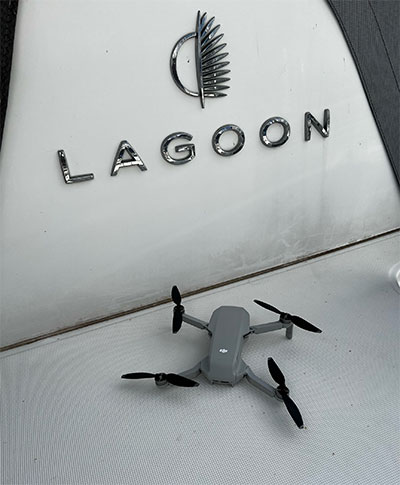
    AnimaMundi Ocean Data Solutions, DJI and Lagoon are using drones to build a comprehensive database of plastic waste on coastlines throughout the world.

    Photo: Matt Cooper/AnimaMundi
    Photo: Matt Cooper/AnimaMundi

    AnimaMundi is a not-for-profit organization based in Geneva, Switzerland. Its proprietary technology interprets photo and video records to extract a single-use plastic bottle count. The information can be captured via an app using still photography as well as images from drones. The data is automatically uploaded, processed and stored on the company’s servers. The data will enable decisions to facilitate environmental investments and measure the impact of waste-management initiatives.

    The process begins with DJI drones piloted by sailors taking place in the Atlantic Rally for Cruisers (ARC), which started from Las Palmas in the Canary Islands, on Nov. 21. DJI provided drones to Lagoon, a sailing catamaran cruiser maker, to measure plastic waste on beaches around the Caribbean.

    Of the more than 300 million tons of plastic produced every year, at least 8 million tons end up in the ocean, making up 80% of all marine debris, from surface waters to deep-sea sediment. About 33,000 single-use plastic bottles are dumped in the ocean every minute of every day, affecting every coastline.

    Matt Cooper, founder and CEO, AnimaMundi is driven by the need for accurate real time data to ensure investment decisions are made correctly with measurable impact. “Just before COP26 began, world leaders admitted that an annual $100-billion climate finance goal will not be reached until 2023,” Cooper said. “The need for urgent climate action is met with the need to ensure adequate and effective financing solutions. Big data like this will help to determine priorities for action.”

    Lagoon has been a partner of the ARC rally since 2005. Through its Club Lagoon, the company encourages its owners to sign up to this program aiming at reducing plastic waste in our oceans thanks to data collected by drones.

    “Lagoon is proud to be partnering with AnimaMundi in this exciting data collection initiative using our ‘Club Lagoon’ as part of the solution,” said Thomas Gailly, Lagoon brand director. “We have more than 6,000 of our catamarans sailing around the world, and we can feel that our customers are more and more willing to play a role in such initiatives. It’s stimulating to think that the Lagoon owners’ community could be involved in capturing this much needed data in a highly efficient way. This partnership is the perfect complement to our own policy of respect for the environment and all the work undertaken to reduce the environmental impact of our activities.”

    DJI, the global leader in developing and manufacturing civilian drones and aerial imaging technology for personal and professional use, has provided repurposed drones to capture images of the Caribbean coastline that would otherwise be out of reach. “Our drones and cameras empower people to capture amazing photos, video, and high-end professional imagery in every corner of the world,” said Olivier Mondon, senior communication manager at DJI Europe. “Each day, we learn how drones benefit society as a whole, and we are proud to have our drones embark on this environmental journey with experienced sailors who will be able to work using repurposed products to enable invaluable data capture.”

    Initially targeting the Caribbean islands, AnimaMundi is also finalizing a partnership with the International Union for Conservation of Nature (IUCN) and its Plastic Waste-Free Islands (PWFI) initiative to generate weekly total island coastal plastic waste profiles covering Grenada, St. Lucia, Antigua and Barbuda.

    In 2019, with the support of the Norwegian Agency for Development Cooperation, IUCN launched the PWFI project in the Caribbean, the Mediterranean and Oceania, seeking to promote a circular economy and demonstrate effective, quantifiable solutions to address plastic leakage from small island developing states.

  • Bathymetric surveys dip into Dead Sea

    Bathymetric surveys dip into Dead Sea

    Photo: SPH Engineering
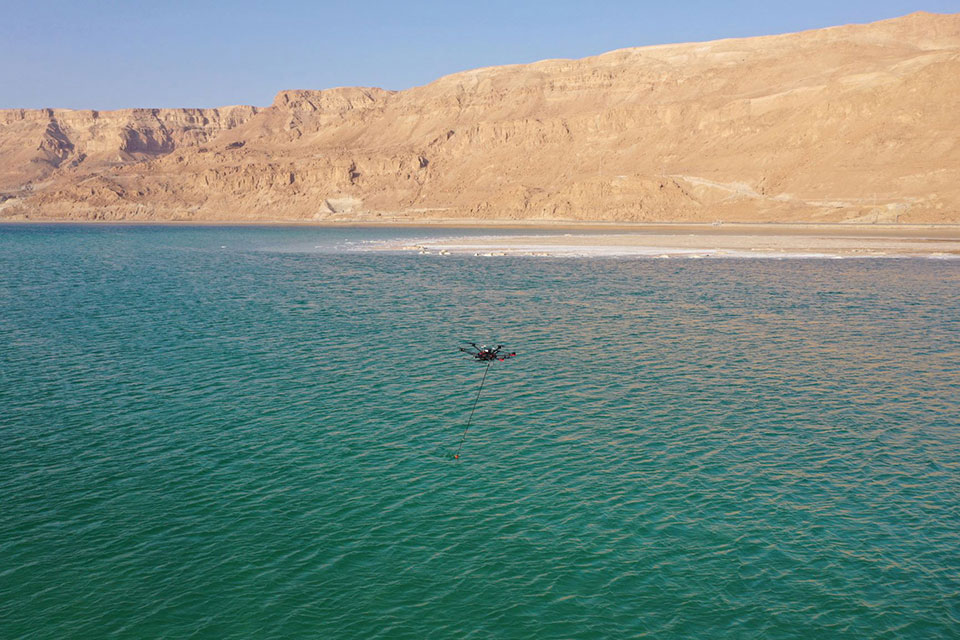
    A drone equipped with an echo sounder surveys the Dead Sea. (Photo: SPH Engineering)

    Israeli drone service provider ERELIS has conducted a number of pilot projects using a drone equipped with a single-beam echo sounder in the Mediterranean Sea and the Dead Sea. The data was validated by authorized local surveyors and reports from previous surveys of the same areas by the Michmoret Campus, Faculty of Marine Science.

    The reference bathymetric data was collected using a manned boat and multi-beam and single-beam echo sounders and demonstrated a good match between the results of new drone-based and traditional methods.

    The bathymetric system consisted of a standard commercial DJI drone (UgCS SkyHub onboard computer and terrain-following system with radar altimeter) and Echologger ECT400 single-beam echo sounder provided by SPH Engineering, Latvia. For data processing, the Eye4Software Hydromagic software package was employed.

    “I was surprised by the maneuverability of the system and how easy it is to conduct bathymetric surveys using a UAV equipped with an echo sounder,” said Roman Kirsanov, CEO of ERELIS. “Some of our survey areas were 400 to 500 meters away from take-off and landing positions, and that means that remote sensing comes to the world of hydrography and becomes available to any drone service companies.”

    Screenshot: SPH Engineering
    Screenshot: SPH Engineering

    “It was good to see that applicability of our system with a single-beam echo sounder validated in conditions outside of its initial focus on small-scale surveys of inland water bodies,” said Alexey Dobrovolskiy, CTO of SPH Engineering. “We can now recommend our system for small-scale surveys in coastal areas and virtually in any liquids. The density of water in the Dead Sea is 1.24 kg/l.”

    In May, SPH Engineering launched a UAV integrated with an echo sounder, as a new product for bathymetric surveys of inland and coastal waters. This data-collection method has since been used in Denmark and the UAE, and is suitable for mapping, measuring and inspections, as well as environmental monitoring.

  • US Congress may move against Chinese-made drones

    US Congress may move against Chinese-made drones

    The FLIR M440 UAV. (Photo: Teledyne FLIR)
    The FLIR M440 UAV. (Photo: Teledyne FLIR)

    A bill moving through the U.S. Congress would impose a five-year ban on United States government purchases of drones manufactured or assembled in China, reports The Associated Press. The measure reflects bipartisan concerns that the unmanned aerial vehicles (UAVs) made in China could facilitate Chinese spying on critical infrastructure.

    Major commercial and consumer UAV-maker company DJI is based in Shenzhen, China. Many of its small, low-altitude drones are employed by local and regional government users in law enforcement, emergency response and surveying. The ban could affect police departments that rely on federal funds for equipment. In 2020, the Department of Homeland Security halted such grants for Chinese-made drones.

    Chinese-made components, including GNSS receivers and inertial sensors, are not addressed in the bill, and the Pentagon has acknowledged that many components for non-Chinese-company drones are made in China.

    While the ban wouldn’t go into effect until 2023, many federal agencies have already imposed temporary restrictions on the use of Chinese drones. The Interior Department had flown more than 11,000 drone missions before January, when the agency temporarily grounded its fleet of more than 500 DJI drones over cybersecurity concerns, according to The Hill. The Hill cites a May 6 Pentagon report. The report found no malicious code in the software for DJI’s Government Edition drones.

    An analysis by Booz Allen Hamilton released in June 2020 found no evidence that DJI drones have shared sensitive information with the company or the Chinese Communist Party.

    In August 2020, the Defense Department issued approval to drones from five companies:

    • Skydio’s X2-D. Skydio is based in Redwood City, California.
    • Parrot’s Anafi USA. While Parrot is based in Paris, France, the ANAFI USA drone is manufactured in the United States for U.S. customers.
    • Teledyne FLIR’s Flir M440 Ion. The drone was originally made by Altavian in Florida, which was acquired by FLIR in December 2020, which was subsequently acquired by Teledyne Technologies in January. Teledyne FLIR is headquartered in Wilsonville, Oregon.
    • Teal Drones’ Golden Eagle. Teal Drones is based in Salt Lake City, Utah.
    • Vantage Robotics’ Vesper. Vantage is based in San Leandro, California.

  • DJI provides dual controllers for two UAV operators

    DJI provides dual controllers for two UAV operators

    Photo: DJI
    Photo: DJI

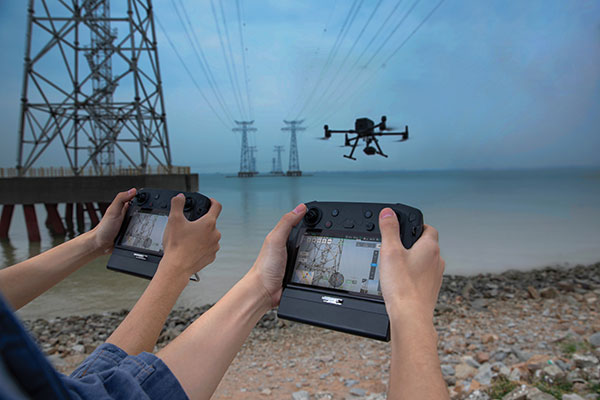
    DJI now offers dual UAV controllers. Dual operator mode allows a pilot to focus solely on safe operation of the drone, while another operator can focus on payload operations — creating a 3D scan of a location, hoisting or releasing items, or operating a lidar scanner or air-quality sampler.

    The DJI Inspire 2 and M600 have dedicated forward-facing video feeds so pilots can see where they are flying, regardless of what the payload camera or other sensors are doing.

    Dual controls can ensure safe operation remains the top priority of even a complex and challenging drone flight. 

  • Shell and DJI partner on drone tech for energy industry

    Shell and DJI partner on drone tech for energy industry

    2,300-acre Shell Deer Park Refinery provides complex testbed for aerial inspections and incident response

    Photo: SimonSkafar/E+/Getty Images
    Photo: SimonSkafar/E+/Getty Images

    DJI is partnering with Shell Oil Company to create, test and deploy DJI drone technology at its Deer Park Manufacturing Complex to improve efficiency and worker safety during industrial inspections and emergency incident response.

    The Shell Deer Park drone team adopted DJI drones in 2016 to reduce the need to work at height while improving safety and cutting the cost of inspections in the process. As a Solution Development Partner, Shell will work with DJI to develop and test advanced drone solutions, like the DJI Matrice 300 RTK, that allow workers to automate required inspections of critical infrastructure like flare tips and floating roof tanks whose condition and activity are difficult to assess from ground level.

    “As one of the world’s largest energy companies, Shell has provided us with valuable insight into the unique challenges of conducting aerial inspections at one of its largest facilities where infrastructure exceeds the height of 250 feet off the ground,” said Cynthia Huang, until recently the director of business development at DJI. “Through our collaboration, DJI will receive valuable first-hand insight into the complexities of deploying drone technology at a world-class refinery, and co-develop new product features like AI Spot-Check that will allow Shell and other innovative energy companies to use drones to safely and easily conduct required inspections of critical infrastructure.”

    “Shell Deer Park is excited to become a Solution Development Partner with DJI as we continue to adopt drone technology,” said Shell Deer Park’s Chief Drone Pilot John McClain. “Through this partnership, Shell Deer Park will have access to some of the most advanced drone technology from DJI to help elevate workplace safety and improve efficiency across our operations in the world’s largest industry.”