Tag: satellite launch

  • Galileo Launch Successful, Satellites Deployed

    Galileo Launch Successful, Satellites Deployed

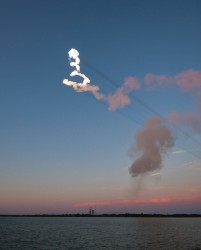
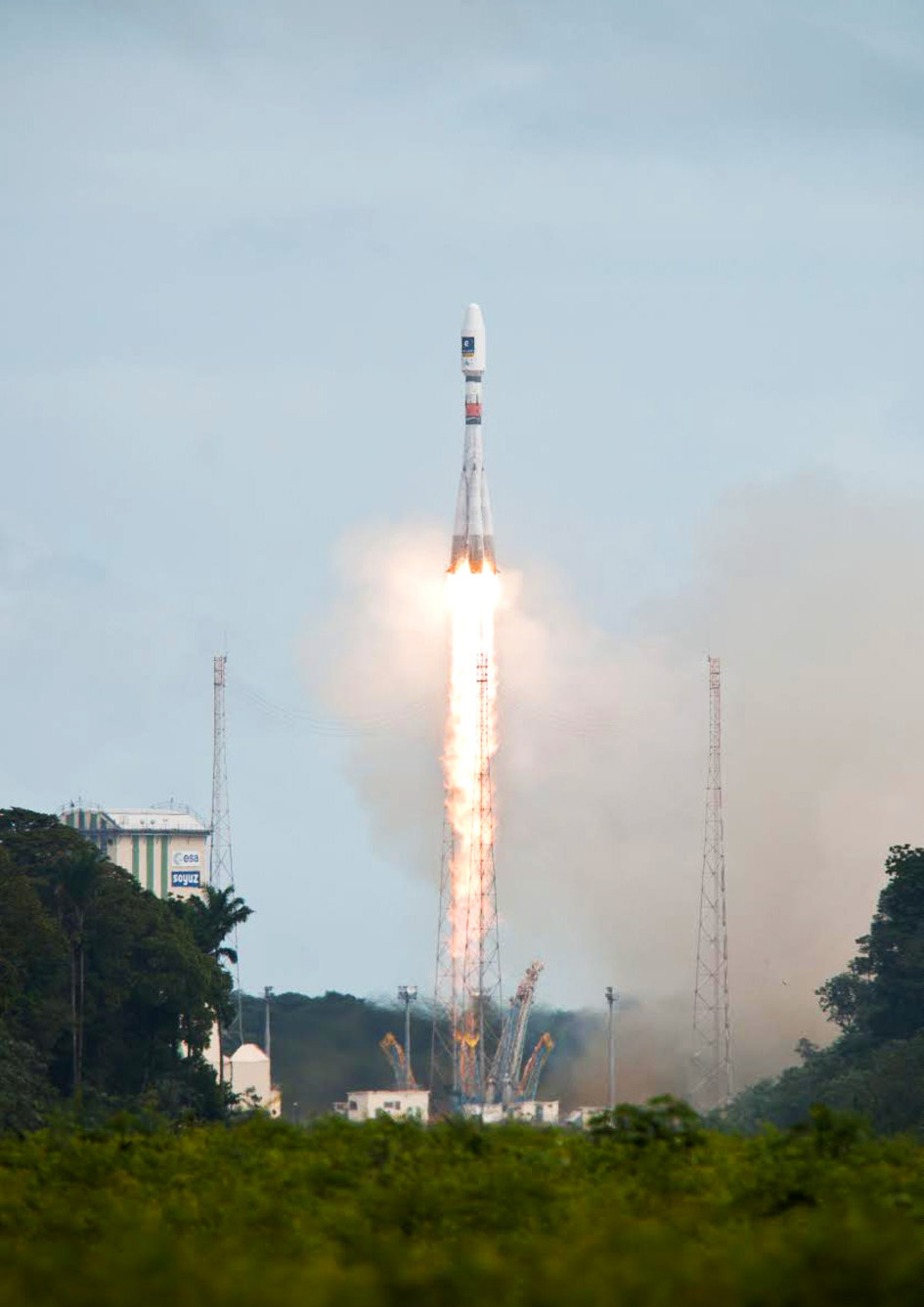
    Soyuz Flight VS09, carrying Europe's fifth and sixth Galileo satellites, lifts off from Europe's Spaceport in Kourou, French Guiana.
    Soyuz Flight VS09, carrying Europe’s fifth and sixth Galileo satellites, lifts off from Europe’s Spaceport in Kourou, French Guiana.

    Soyuz Flight VS09, carrying Europe’s fifth and sixth Galileo satellites, lifted off from Europe’s Spaceport in Kourou, French Guiana, today (August 22, 12:27:11 UTC/14:27:11 CEST.)

    All the stages of the Soyuz vehicle performed as planned, with the Fregat upper stage releasing the satellites into their target orbit close to 23,500 km altitude, 3 hours 47 minutes after liftoff.

    These new satellites joined four Galileo satellites already in orbit, launched in October 2011 and October 2012 respectively. This first quartet were In-Orbit Validation (IOV) satellites, serving to demonstrate the Galileo system would function as planned.

    Satellites 5 and 6, the first Full Operational Capability (FOC) satellites, are significant as the first of the rest of the Galileo constellation. This launch marks the start of a new phase in the European satellite navigation program where the full constellation will be deployed with short intervals between launches. A steady stream of launches will follow to build the complete Galileo constellation.

    Watch a video of the launch here:

    On completion of the initial checks, run jointly by the European Space Agency (ESA) and the French space agency CNES, the two satellites will be handed over to the Galileo Control Centre in Oberpfaffenhofen, Germany, and the Galileo in-orbit testing facility in Redu, Belgium, for testing before they are commissioned for operational service in the autumn.

    The deployment of the constellation will now move more quickly, with six to eight satellites launched per year using a series of Soyuz and Ariane launches from the CSG, along with finalization of the remaining elements of the ground network.

    The final constellation will consist of 24 satellites expected to be ready in 2017 and complemented by six in-orbit spares.

    This deployment phase of the Galileo program is being managed and funded by the European Commission, with ESA acting as design and procurement agent on behalf of the Commission.
  • Update: Galileo Launch Rescheduled for Friday

    UPDATE: The next launch attempt for Soyuz VS09 with Europe’s fifth and sixth Galileo satellites is Friday, August 22, at 12:27 GMT, 14:27 CEST. Arianespace had decided to postpone the launch of Soyuz flight VS09 carrying Europe’s fifth and sixth Galileo satellites, because of unfavorable weather conditions over the Guiana Space Centre.

    Follow the launch live. Streaming starts at 12:07 UTC/14:07 CEST.

    The launch was originally scheduled for August21. Read more about the planned launch here.

  • Launch of GPS IIF-7

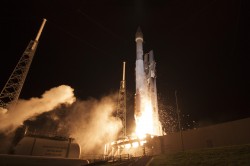
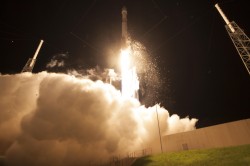
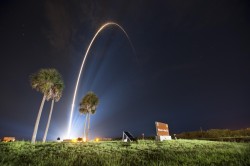
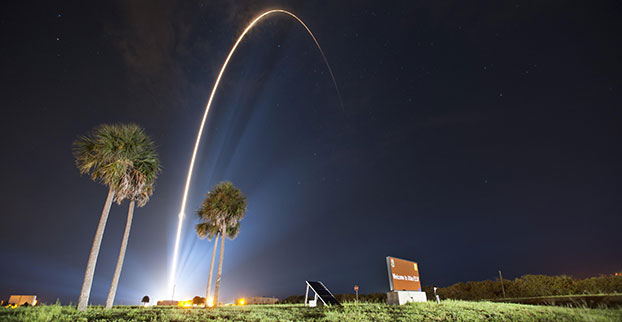
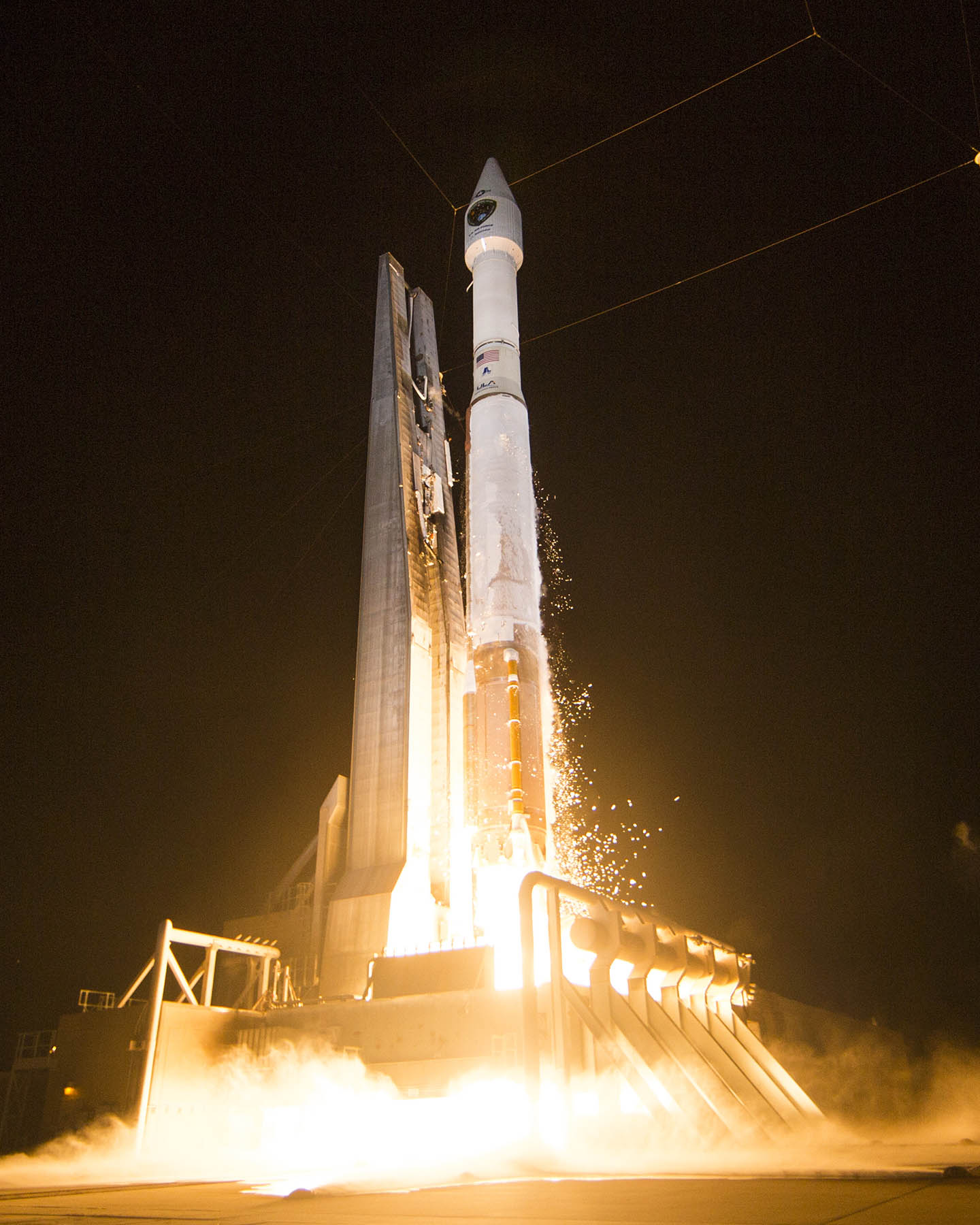
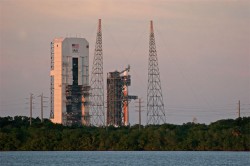
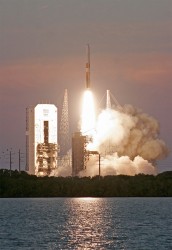
    United Launch Alliance (ULA) Atlas V rocket carrying the seventh GPS IIF satellite for the U.S. Air Force launched at 11:23 p.m. EDT Friday, August 1 (03:23 UTC, August 2), from Space Launch Complex-41 at Cape Canaveral, Florida.

  • GPS IIF-7 Launched Safely into Orbit

    GPS IIF-7 Launched Safely into Orbit

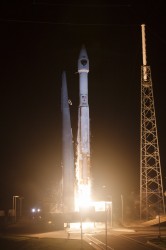
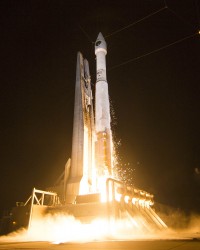
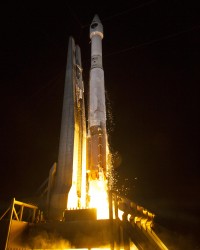
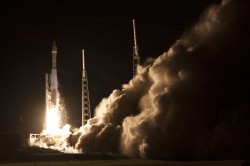
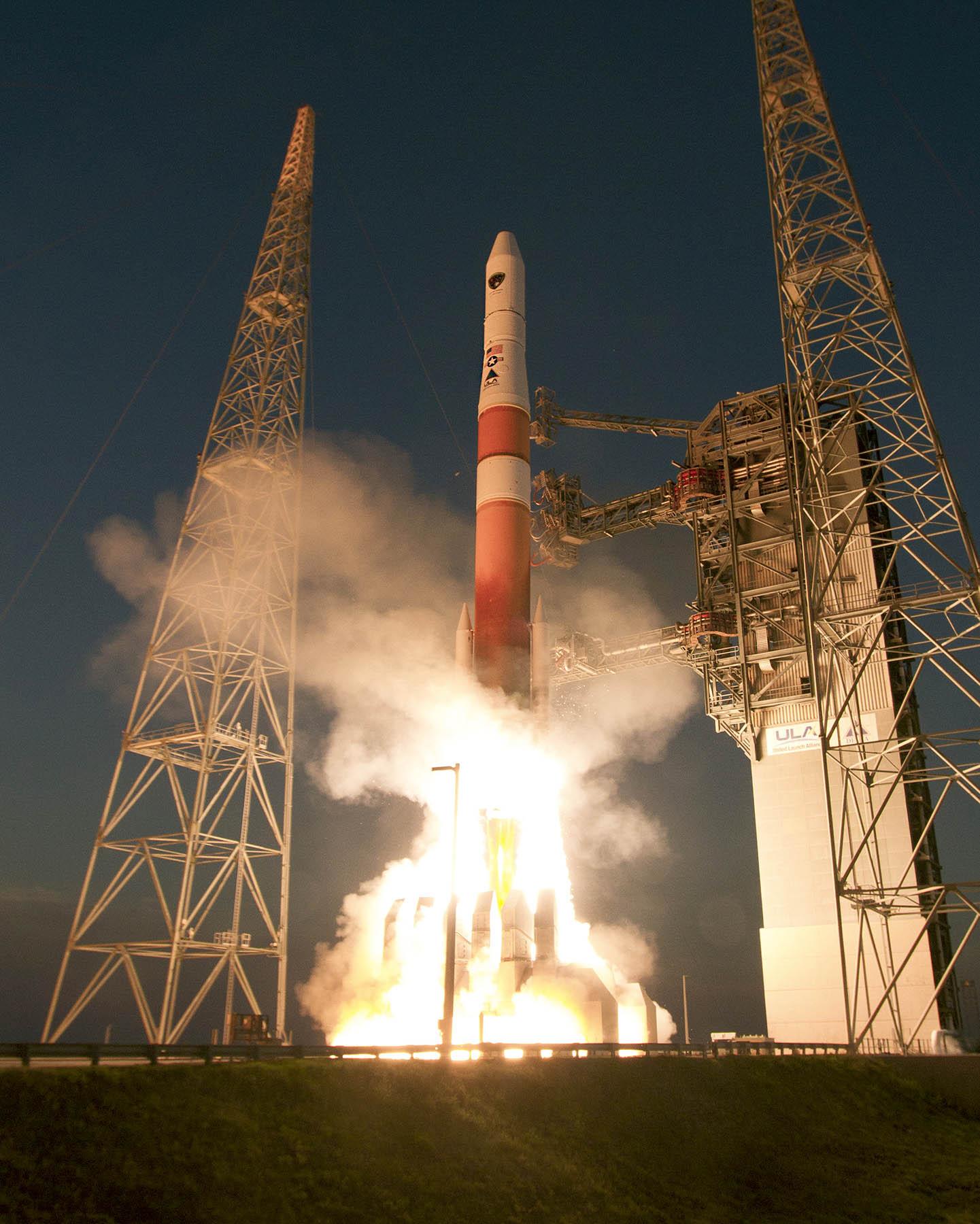
    GPS IIF-7 launches into orbit. (Photo credit: United Launch Alliance)
    GPS IIF-7 launches into orbit. (Photo credit: United Launch Alliance)

    A United Launch Alliance (ULA) Atlas V rocket carrying the seventh GPS IIF satellite for the U.S. Air Force launched at 11:23 p.m. EDT Friday, August 1 (03:23 UTC, August 2), from Space Launch Complex-41 at Cape Canaveral, Florida.The Boeing-built satellite has sent the signals to controllers that confirm it is currently operating properly within the constellation.

    Boeing and the Air Force will complete the full on-orbit checkout of the satellite in August. The GPS IIFs offer improved signal accuracy, better anti-jamming capability, longer design life and the new civilian L5 signal.

    “We are providing our Air Force partner and GPS users with a steady supply of advanced GPS IIFs,” said Craig Cooning, president of Boeing Network & Space Systems. “Our robust launch tempo requires vigilance and attention to detail, and mission success is our top priority. We continue to partner with the Air Force and ULA to effectively execute the launch schedule.”

    GPS IIF-7 is the seventh of 12 such satellites Boeing has built for the U.S. Air Force, and the third on-orbit delivery this year. GPS IIF-8, slated for launch during the fourth quarter, arrived at Cape Canaveral on July 16 to undergo final launch preparations. GPS IIF-7 will join a worldwide timing and navigation system utilizing 24 satellites in six different planes, with a minimum of four satellites per plane positioned in orbit approximately 11,000 miles above the Earth’s surface.

    “Congratulations to the U.S. Air Force and all of our mission partners on the successful launch of the Atlas V carrying the GPS IIF-7 satellite,” said Jim Sponnick, ULA vice president, Atlas and Delta Programs. “ULA launch vehicles have delivered all of the current generation of GPS satellites, which are providing ever-improving capabilities for users around the world.”

    This mission was launched aboard an Atlas V Evolved Expendable Launch Vehicle (EELV) 401 configuration vehicle, which includes a 4-meter-diameter payload fairing. The Atlas booster for this mission was powered by the RD AMROSS RD-180 engine, and the Centaur upper stage was powered by a single Aerojet Rocketdyne RL10A engine.

    The EELV program was established by the United States Air Force to provide assured access to space for Department of Defense and other government payloads. The commercially developed EELV program supports the full range of government mission requirements, while delivering on schedule and providing significant cost savings over the heritage launch systems.

    Videos:

    Launch

    Launch through MECO-1

    According to Innovation editor Richard Langley, it appears that the satellite will be assigned PRN09, currently unused by the constellation.

    The Initial NORAD 2-line element set indicates that the satellite has been launched into the F plane and is drifting towards its assigned orbital slot:

    TBA – TO BE ASSIGNED
    1 40105U 14045A   14213.89548347  .00000016  00000-0  00000+0 0    13
    2 40105 054.9284 262.3364 0037666 293.4051 066.2734 01.96275654    05

    Information from Notice Advisory to Navstar Users (NANU) 2014062

    SUBJ: SVN68 (PRN09) LAUNCH JDAY 214

    1.   NANU TYPE: LAUNCH
    NANU NUMBER: 2014062
    NANU DTG: 020344Z AUG 2014
    SVN: 68
    PRN: 09
    LAUNCH JDAY: 214
    LAUNCH TIME ZULU: 0323

    2. GPS SATELLITE SVN68 (PRN09) WAS LAUNCHED ON JDAY 214.  A USABINIT NANU WILL BE SENT WHEN THE SATELLITE IS SET ACTIVE TO SERVICE.

    3. POC: CIVILIAN – NAVCEN AT 703-313-5900, HTTP://WWW.NAVCEN.USCG.GOV
    MILITARY – GPS OPERATIONS CENTER AT HTTPS://gps.afspc.af.mil/GPSOC, DSN 560-2541, COMM 719-567-2541, [email protected], HTTP://gps.afspc.af.mil/GPSOC/GPS
    MILITARY ALTERNATE – JOINT SPACE OPERATIONS CENTER, DSN 276-3514. COMM 805-606-3514.  [email protected]

  • Seventh GPS IIF Satellite Lauch Planned for Friday

    Seventh GPS IIF Satellite Lauch Planned for Friday

    Photo credit: United Launch Alliance.
    The GPS IIF-6 satellite was launched May 16. Photo credit: United Launch Alliance.

    The Air Force is set to launch the seventh GPS IIF satellite this Friday.

    An Atlas V 401 will launch the GPS IIF-7 mission for the U.S. Air Force on Friday, August 1, from Space Launch Complex (SLC)-41 at Cape Canaveral Air Force Station, Florida. The 18-minute launch window opens at 11:23 p.m. EDT.

    live webcast of the launch will begin at 11:03 p.m. EDT. To keep up to speed with updates to the launch countdown, dial the ULA launch hotline at 1-877-852-4321 or join the Facebook conversation and follow UA on Twitter using the hashtag #GPSIIF7.

    GPS IIF-7 is one of the next-generation GPS satellites, incorporating various improvements to provide greater accuracy, increased signals, and enhanced performance for users.

    The Air Force Second Space Operations Squadron indicates that IIF-7, SVN-68/PRN-3, will replace SVN-43 in the F plane slot 3 (F3).  SVN-43 will be re-phased from F3 to the F2F slot to replace SVN-26.  SVN-33 will be taken out of the operational constellation the day after SVN-68 launch and sent to Launch, Anomaly and Disposal Operations (LADO).

    SVN-33 was launched on April 9, 1996, successfully serving over 17.5 years, 10.5 years beyond its design life. SVN-26 will back-up SVN-43 once it completes its re-phase journey.

    Atlas V GPS IIF-7 Mission Brochure

  • Russia Launches Single GLONASS Satellite

    Russia Launches Single GLONASS Satellite

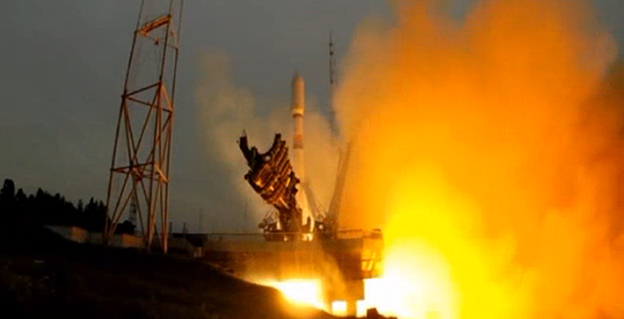
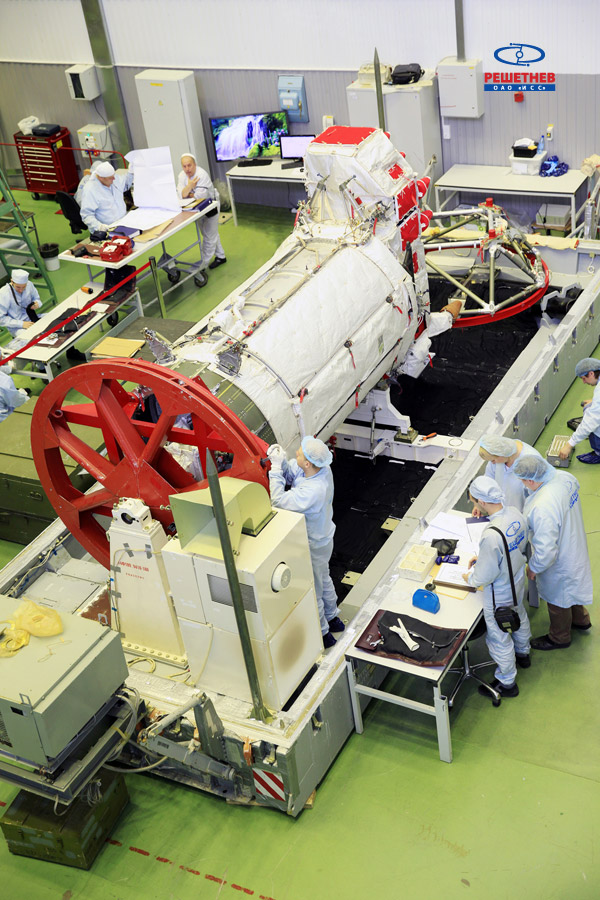
    GLONASS-launch-OA single GLONASS-M satellite was launched from the Plesetsk Cosmodrome on Saturday, June 14, at 17:16 UTC. The satellite, GLONASS-M 55 (with designation 755 once operational and also known as Kosmos 2500), was inserted into the GLONASS constellation’s Plane 3 and will occupy orbital slot 21, according to ISS Reshetnev, the manufacturer of the satellite.

    Reshetnev also reported that the satellite is equipped with an experimental payload capable of transmitting signals in the L3 frequency band. The L3 signal, centred at 1202.025 MHz , is CDMA unlike the GLONASS legacy FDMA signals. The experiment will include flight testing of the new equipment and evaluation of its accuracy characteristics. The GLONASS-K1 test satellite also transmits an L3 signal.

    A video of the launch can be viewed on the Zvezda (meaning “Star”) TV network run by the Russian Ministry of Defence.

  • GLONASS-M Satellite to Launch June 14

    GLONASS-M Satellite to Launch June 14

    glonass_150514-2bGLONASS-M satellite number 55 is planned for launch on June 14 from the Plesetsk cosmodrome, said the first deputy director Viktor Kosenko as reported by Interfax.ru.

    Kosenko said that through 2020, 25 more GLONASS satellites are planned: 11 GLONASS-M, 10 Glonass-K1, and four Glonass-K2. At the same time, he said, one GLONASS-K1 spacecraft is in orbit undergoing flight tests.

    GLONASS-M number 55 is equipped with experimental apparatus emitting navigation signal in the frequency range L3. The experiment flight qualification of this equipment and accuracy characteristics of the navigation software. Using the third frequency band along with the L1 and L2 bands comprising GLONASS satellites is directed to improving the competitiveness of the system as a whole.

    A Soyuz2.1b rocket will be used for the launch. This is the second launch campaign for the development of the GLONASS system this year.

    glonass_150514-1b


  • GPS IIF-6 Launched into Orbit Following Weather Delay

    GPS IIF-6 Launched into Orbit Following Weather Delay

    div_gpsiif6_l3517201433120AM63

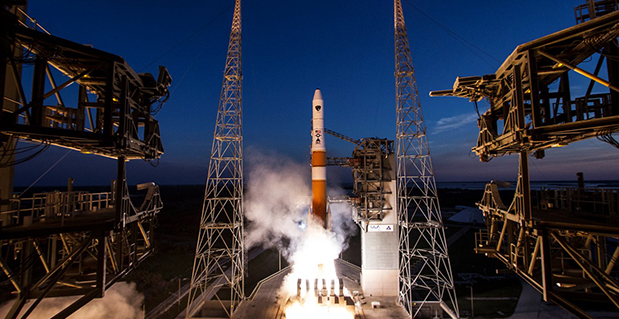
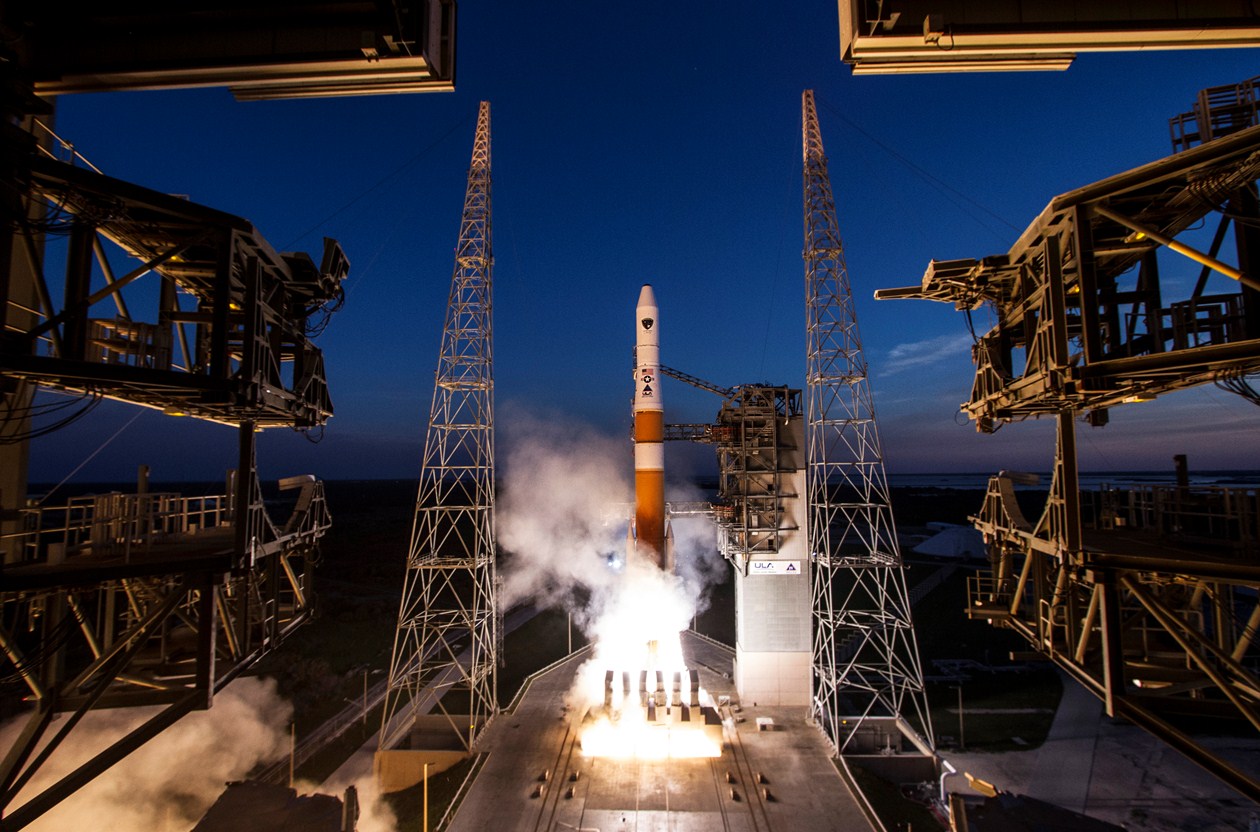
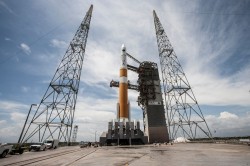
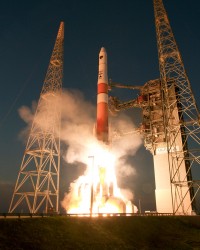
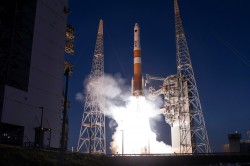
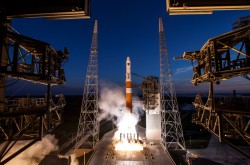
    The sixth GPS Block IIF satellite was successfully launched Friday at 8:03 p.m. local time. Built by Boeing Space and Intelligence Systems of El Segundo, California, GPS IIF-6 launched aboard a United Launch Alliance Delta 4 rocket from Cape Canaveral Air Force Station in Florida.

    The launch was originally planned for Thursday evening, but bad weather led to a 24-hour hold. One hour remained in the countdown when the launch was scrubbed.

    Two more GPS IIF satellites are scheduled to launch before the end of the year.

    Below is a video of the launch.

    Here are launch highlights.

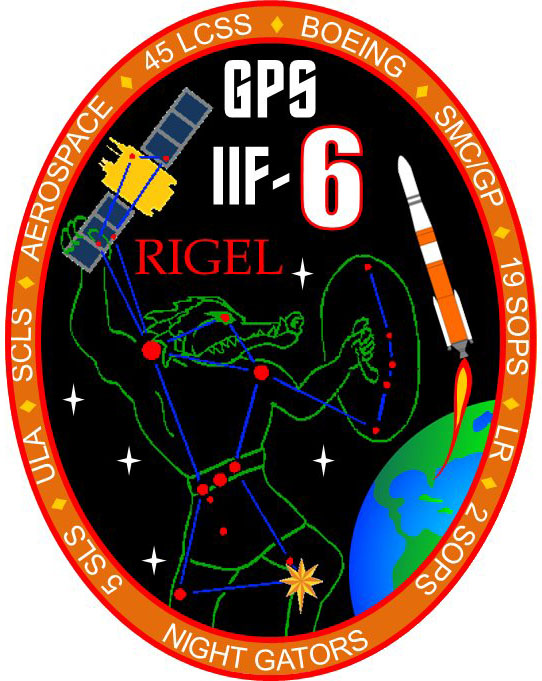
    This patch commemorates the launch of GPS IIF-6, nicknamed Rigel.
    This patch commemorates the launch of GPS IIF-6, nicknamed Rigel.

    GPS IIF-6 is nicknamed Rigel. All of the Block II-F satellites have been named after stars. Rigel is is the brightest star in the constellation Orion and the seventh brightest star in the night sky, with a visual magnitude of 0.12.

    In the patch commemorating the launch, Orion is depicted with an alligator head. This is in reference to the “Night Gators,” the part of the launch team that is responsible for moving payloads to the launch pad, which has typically occurred at night.

    A slideshow of photos from United Launch Alliance:

    A slideshow of images from Spaceflight Now.

    Innovation Editor Richard Langley helped compile this report.

  • Russian Proton-M Crashes, Loses Another Payload

    In 2013, Russia lost three GLONASS satellites when their launch aboard a Proton-M rocket went awry, sending the satellites crashing into the Baikonur Cosmodrome in Kazakhstan instead of aloft into space. Before that, in 2010, three other GLONASS satellites ended up in the Pacific Ocean aboard a Proton-M rocket.

    This week, on  May 15, another Proton-M satellite crashed, this time with the Ekspress-AM4R telecommunications satellite aboard.

    Launch of the Proton-M rocket took place from Launch Pad 39 at the Baikonur Cosmodrome at 21:42 GMT. However, an unspecified failure was noted during third stage flight. The rocket and satellite are lost, according to a NASA Spaceflight article.

  • Next Galileo Satellites Arrive in French Guiana

    Next Galileo Satellites Arrive in French Guiana

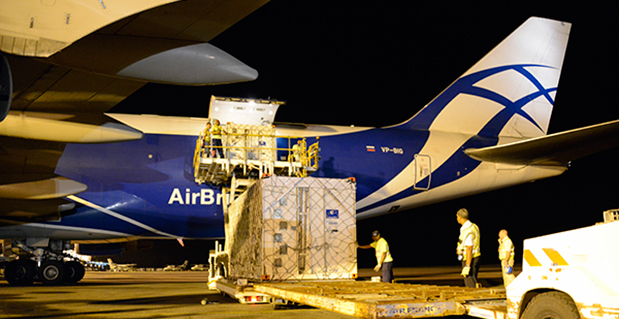
    Europe’s next two Galileo satellites are unloaded from the Boeing 747 cargo aircraft at Cayenne. The two satellites are scheduled to be launched together by Soyuz from Europe’s Spaceport this summer.
    Europe’s next two Galileo satellites are unloaded from the Boeing 747 cargo aircraft at Cayenne. The two satellites are scheduled to be launched together by Soyuz from Europe’s Spaceport this summer.

    The first two Galileo Full Operational Capability (FOC) satellites arrived safely at a clean room in Kourou, French Guiana, at 20:00 on Wednesday, May 7, in preparation for launch this summer.

    Named “Doresa” and “Milena,” the two Galileo FOC satellites arrived at the Félix Éboué international airport in French Guiana at 02:00 local time. They spent the day in an airlock to acclimatize before being taken to their new home, the S1A clean room, where they could be safely unpacked to begin the launch campaign.

    Europe’s two latest Galileo navigation satellites touched down at Europe’s Spaceport in French Guiana packed safely within protective and environmentally controlled containers. The satellites were carried across the Atlantic aboard a 747 cargo carrier, according to the European Space Agency.

    Manufactured by OHB in Bremen, Germany, with navigation payloads contributed by Surrey Satellite Technology Ltd. in Guildford, UK, these satellites – the first of 22 full-capability models — had spent several months at ESA’s Technical Centre, ESTEC, in Noordwijk, the Netherlands, where they underwent exhaustive testing in simulated space conditions.

    “Adam”, the third Galileo FOC satellite is currently undergoing testing under space conditions at ESTEC. The fourth Galileo FOC satellite, “Anastacia,” will begin final testing at OHB in Bremen before being shipped to ESTEC. The Galileo satellites are named for the children who won a painting competition organized by the European Commission in 2011.

    After successfully passing the Flight Readiness Review (FRR) last week, Doresa and Milena were released for shipment to the French overseas department. “Thanks to the good collaboration between the participating industrial teams and the experts at the European Space Agency ESA as our customer, OHB was able to successfully finish the FRR,” says OHB’s Director of Navigation Wolfgang Paetsch who will be personally overseeing the launch preparations in Kourou.

    On May 5, the two satellites left on a pair of lorries for Frankfurt Airport in Germany, from where they flew the following evening. After landing in French Guiana, the satellites were  driven to the clean room. The pair will be launched together aboard a Soyuz rocket, joining the four Galileos already in orbit. This initial quartet — the minimum number needed for achieving a position fix — has demonstrated the overall system works as planned, while also serving as the operational nucleus of the coming full constellation.

    “Similar arrival scenes should become familiar over the next couple of years,” said Giuliano Gatti, Head of ESA’s Galileo Space Segment Procurement Office. “These first two Full Operational Capability satellites are effectively preparing the way for the rest of the constellation, allowing the final validation of assembly, testing and launch preparation procedures. A steady stream of satellites is foreseen, coming from OHB to ESTEC for acceptance testing and then on to French Guiana. Thanks to the preparatory work done with these pioneer satellites, future Galileos will be processed more rapidly.”

    The definition, development and in-orbit validation phases of the Galileo programme were carried out by ESA and co-funded by ESA and the EU. The Full Operational Capability phase is managed and fully funded by the European Commission. The commission and ESA have signed a delegation agreement by which ESA acts as design and procurement agent on behalf of the commission. OHB System is the industrial prime contractor responsible for the total of 22 Galileo FOC satellites. 
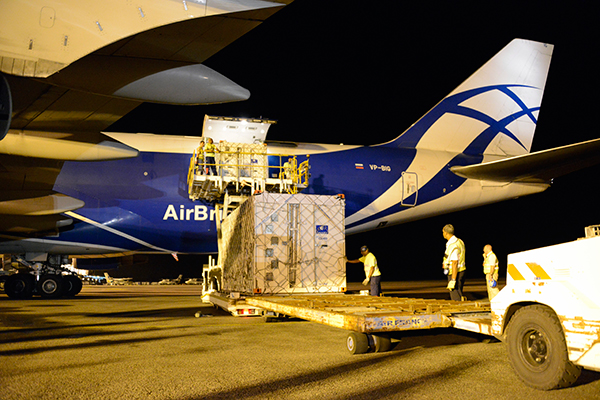
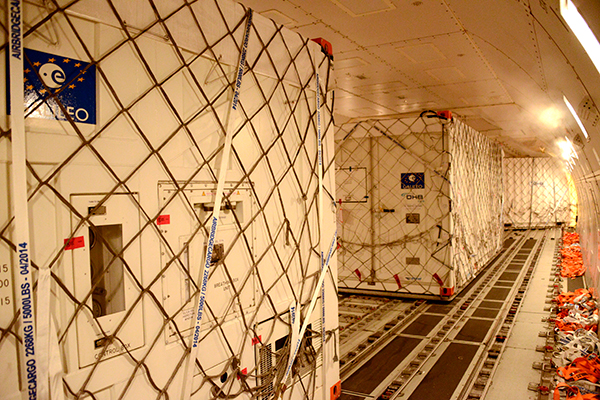
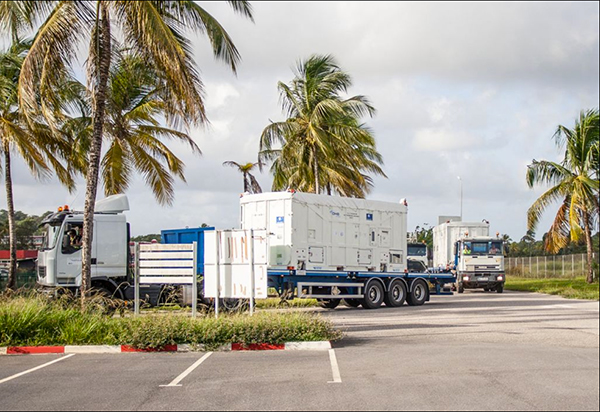
    The two Galileo FOC satellites were enclosed in protective, air-conditioned containers for their flight.
    The two Galileo FOC satellites were enclosed in protective, air-conditioned containers for their flight.
    “Doresa” and “Milena” head to the clean room.
    “Doresa” and “Milena” head to the clean room.
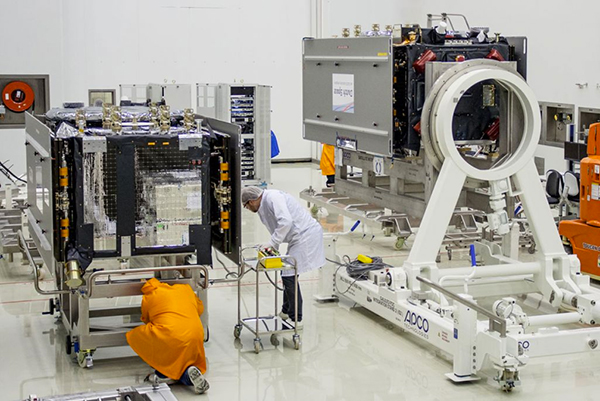
    The two satellites in the clean room.
    The two satellites in the clean room.
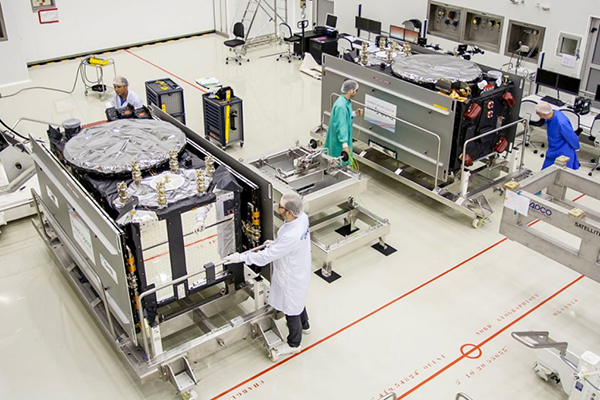
    Dorese and Milena rest side by side in  clean room S1A.
    Dorese and Milena rest side by side in clean room S1A.
  • Second of Seven Satellites for IRNSS Launched

    Second of Seven Satellites for IRNSS Launched

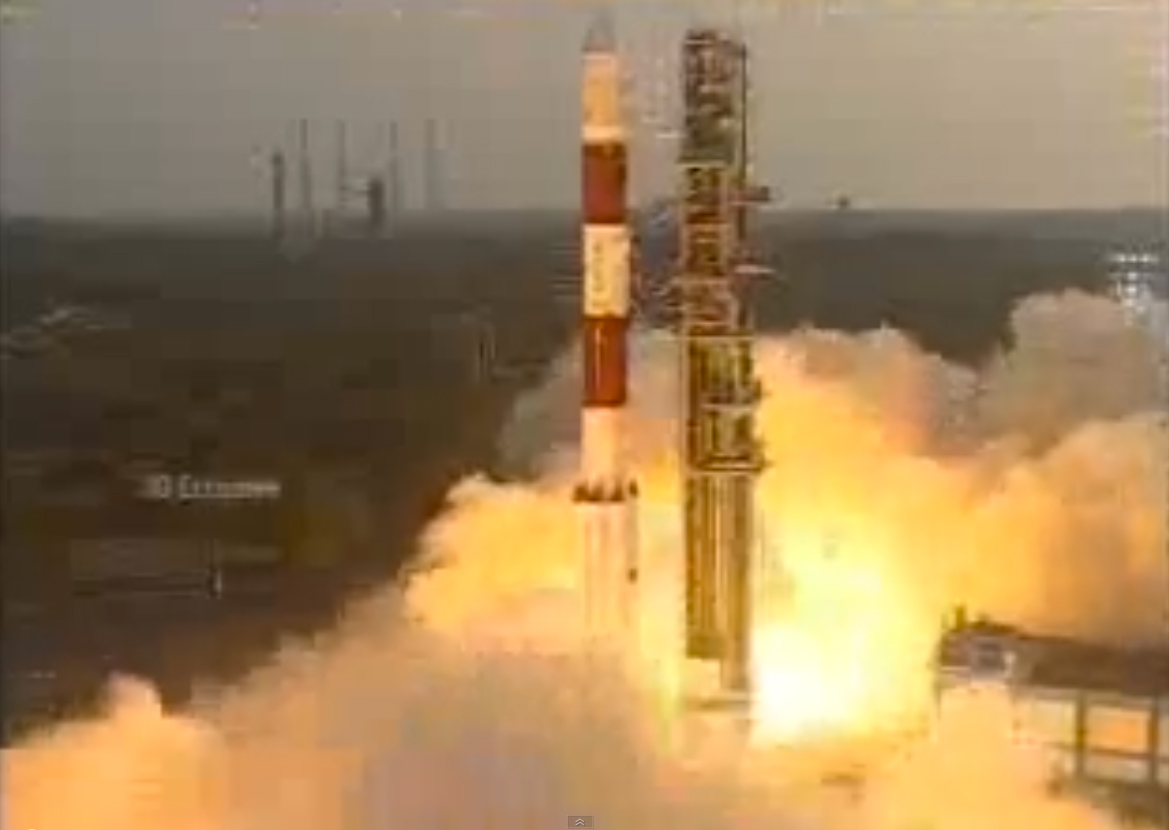
    IRNSS-B is launched April 4, 2014.
    IRNSS-B is launched April 4, 2014.

    India’s Indian Space Research Organisation (ISRO) launched its second navigation satellite today, April 4, at 11:44 UTC. A Polar Satellite Launch Vehicle (PSLV) rocket launched the IRNSS-1B spacecraft in a mission originating from the Satish Dhawan Space Centre.

    Liftoff was on schedule. IRNSS-1B is the second of seven satellites that comprise the first-generation Indian Regional Navigation Satellite System (IRNSS). IRNSS-1B will join IRNSS-1A already in orbit in forming the first pair of satellites for the IRNSS.

    Watch the launch in this video:

    The IRNSS system will consist of three geostationary satellites and two pairs of spacecraft in inclined geosynchronous orbits. Each IRNSS satellite uses a rubidium-based atomic clock to keep time, transmitting signals on L and S-band frequencies at 1,176.45 and 2492.028 megahertz respectively. A C-band transponder and an array of retroreflectors will be used to determine ranging data for calibration, according to NASASpaceflight.com.

  • EGNOS Satellite Launched Successfully

    The satellite ASTRA 5B, which will become part of the European Commission’s European Geostationary Navigation Overlay Service (EGNOS), launched successfully after a one-day delay. It lifted off on March 22 aboard an Ariane 5 ECA rocket at 2204 GMT (6:04 p.m. EDT) from the Guiana Space Center near Kourou, French Guiana.

    Officials from Arianespace, the French launch services company, declared the mission a success following the rocket’s deployment of the ASTRA 5B and Amazonas 4A communications satellites about a half-hour after liftoff, reports Spaceflight Now.

    ASTRA 5B carries a hosted L-band payload for EGNOS. It will also extend transponder capacity and geographical reach over Eastern Europe and neighboring markets for DTH, direct-to-cable, and contribution feeds to digital terrestrial television networks.

    “Today’s successful launch, the 59th in a row for Ariane 5, confirms the unrivaled reliability and availability of the European launcher,” said Stephane Israel, chairman and CEO of Arianespace. “We take particular pride in being able to offer this service excellence to two leading European operators, SES and Hispasat, both long-standing customers of Arianespace, as well as the European Commission, which has an EGNOS satellite navigation payload integrated on the ASTRA 5B satellite.”

    The spacecraft, based on the Airbus Defence and Space Eurostar E3000 satellite bus, is flying with a hosted L-band navigation payload for EGNOS, which augments GPS navigation signals over Europe for specialty users such as the aviation and surveying industries.

    “EGNOS will be able to continue to provide valuable positioning services to users all over Europe, be it in the field of aviation, transport or agriculture,” said Christoph Kautz, deputy head of the European Commission’s enterprise and industry unit.

    ASTRA 5B was built by Airbus Defence and Space (formerly Astrium) in Toulouse, France, using a Eurostar E3000 platform. The multi-mission satellite will be located at 31.5 degrees East.