Tag: Trimble

  • Trimble extends Esri partnership

    Trimble extends Esri partnership

    Photo: Thicha Satapitanon / iStock / Getty Images Plus / Getty Images
    Photo: Thicha Satapitanon / iStock / Getty Images Plus / Getty Images

    Trimble and Esri have extended their partnership to enhance collaboration in geographic information system (GIS) software, location intelligence and mapping. This ongoing effort aims to improve processes, support decision-making, and automate workflows for greener infrastructure planning, construction and operations for users.

    The companies are exploring emerging technologies, particularly in industry data models that support accurate generative AI technologies and workflows. Trimble’s geospatial field systems, which collect location intelligence and 3D datasets, are enhancing workflow support in Esri ArcGIS Indoors and the ArcGIS Utility Network.

    Trimble Unity — a new asset lifecycle management suite — leverages Esri’s GIS into construction project and capital planning, enterprise asset management and permitting solutions to improve how universities, healthcare facility operators, utilities and federal, state and local government jurisdictions track the asset management lifecycle.

    Trimble and Esri also partnered with The HALO Trust, the world’s largest landmine-clearing non-profit organization, which combined Trimble’s high-accuracy mapping technology with Esri’s ArcGIS software to improve the capacity to locate and remove landmines and other explosive hazards, making communities safer.

  • An inside look at Trimble’s new product suite

    An inside look at Trimble’s new product suite

    Photo: Trimble
    Photo: Trimble

    From May 14 to 16, more than 1,400 attendees gathered at the Huntington Convention Center of Cleveland, Ohio for Trimble’s Innovate 2024 User Conference.

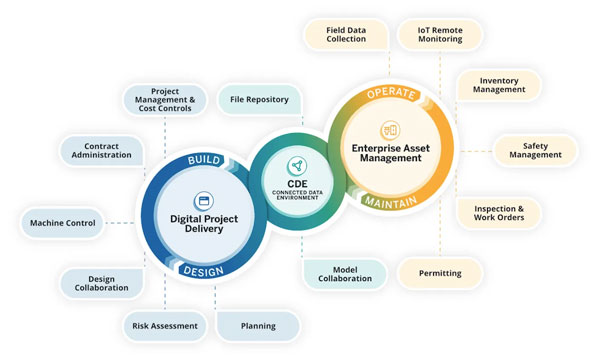
    At the conference, Trimble announced its upcoming asset lifecycle management suite, Trimble Unity. The software suite offers comprehensive capabilities that enable owners to efficiently plan, design, build, operate and maintain their assets.

    Trimble Unity provides an end-to-end solution that connects teams across all lifecycle phases, giving them access to critical data to make decisions. From designers, engineers and contractors to asset managers, inspection and maintenance crews, Trimble Unity offers all stakeholders visibility to reliable data across digital workflows that help foster collaboration, improve project outcomes and reduce the total costs of asset ownership.

    Trimble Unity capabilities includes:

    • Trimble Unity Construct: A cloud-based construction project and program management capability that provides insights to improve process control and reduce cycle times. It is powered by Trimble e-Builder.
    • Trimble Unity Maintain: An enterprise asset management capability that streamlines work activity, planning and analysis to optimize resource allocation and infrastructure reinvestment. It is powered by Trimble Cityworks AMS, Trimble AgileAssets and Trimble Unity Work Management.
    • Trimble Unity Permit: A permitting, land management and licensing capability for streamlining public and back-office operations required to manage permits, licenses, right-of-way and code enforcement. It is powered by Trimble Cityworks PLL.
    • Trimble Connect: A connected data environment that unifies asset data in files, native file formats and 3D modes to streamline accessibility and collaboration.

    In addition, Trimble Unity includes Trimble Unity Field, an all-in-one mobile application enabling field workers to design, build and maintain assets more efficiently, leading to improved productivity, reduced technology costs and improved community confidence.

    GPS World met with Senior Vice President for Trimble’s Owner and Public Sector, Cyndee Hoagland, for an exclusive interview about the new product suite, how GIS plays a pivotal role in the asset management lifecycle and more.

    Photo: Trimble
    Photo: Trimble

    What sectors can benefit from this new product suite?

    For the public sector side, federal, state and local governments. Think cities, municipalities, state departments of transportation (DOTs), airports and transit authorities. For the private sector, healthcare facilities and universities.

    Is Trimble adding any new capabilities to the applications within the suite?

    We added a GIS capability to e-Builder along with Trimble Unity Field, so the mobile application of e-Builder is new. We did not have a capability for location-based information within the application itself, but it is now included, which is the added GIS capability.

    How do data strategy and GIS play a role?

    Most of our users on the enterprise asset management side are GIS-centric, having GIS and GPS experience. They recognize and understand the value of location data combined with asset data. For example, it is so much better for an inspector to know the location of bolts that need to be repaired before the work begins.

    Additionally, from a GIS perspective, if you are thinking about the GPS elements, and location and spatial data relative to an asset from the planning stage, through design and construction all the way to operation and maintenance, that data can be used to more efficiently operate and maintain the asset over its lifecycle. This asset lifecycle management approach allows the owner to reduce their total cost of ownership for that asset by as much as 40%.

    Do you have an example?

    Let’s say a bridge costs $1 million to plan, design and construct. Historically, $3 million would then be spent on operations and maintenance across the bridge’s service life, bringing the total cost of ownership of the bridge to $4 million. However, using an asset lifecycle management approach, owners can reduce that $4 million cost by up to 40 percent, saving $1,600,000 on the total cost of ownership of that bridge.

    These enormous savings are possible because owners can track the location, condition and attributes of the bridge throughout the asset lifecycle and use that information to make better decisions for managing the asset. Owners can access information such as the location of the bridge, the type of asphalt used to build it, the geometry of all the components that create that bridge and more. All that asset-specific information is available in a GIS geolocated model, which is highly valuable not just for the owner, but for the design and contractor teams along the entire asset lifecycle.

    Are there benefits of using a mobile mapping platform to collect data as opposed to using a UAV?

    They serve different purposes. UAVs go up in the air at key points in a project to give owners an update on the project performance and how much is getting completed.

    Another way of capturing rich asset data quickly is mobile mapping and terrestrial laser scanning. What you will see, for example, is that a state DOT will have to provide information to the Federal Highway Administration (FHWA) relative to all their lane miles. In large scale projects, a vehicle-mounted mobile mapping system can be used to capture highly accurate and immersive asset data at highway speed. That data will then go into an asset management system, where it can help users prioritize where the road repairs need to take place.

    Will artificial intelligence (AI) be integrated into this suite in the future?

    AI is already being used today to transform large amounts of real-world data into information. If an owner has collected data to inspect a bridge, for example, the highly accurate and rich data from mobile mapping and UAV systems can show an owner where exactly repairs are needed. The datasets are, however, extremely large, and AI built into processing and analysis software can help reduce tedious tasks, such as extracting features. This streamlined analysis of the data helps to inform owners on how to best manage and maintain their assets.

    The key capabilities of the Trimble Unity Asset Lifecycle Management Suite will be available beginning in June 2024.

  • Trimble releases new GNSS receiver

    Trimble releases new GNSS receiver

    Photo: Trimble
    Photo: Trimble

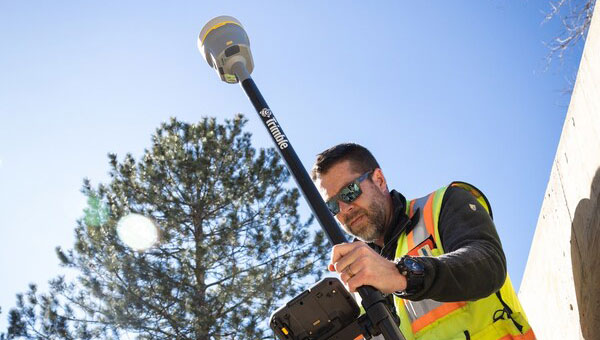
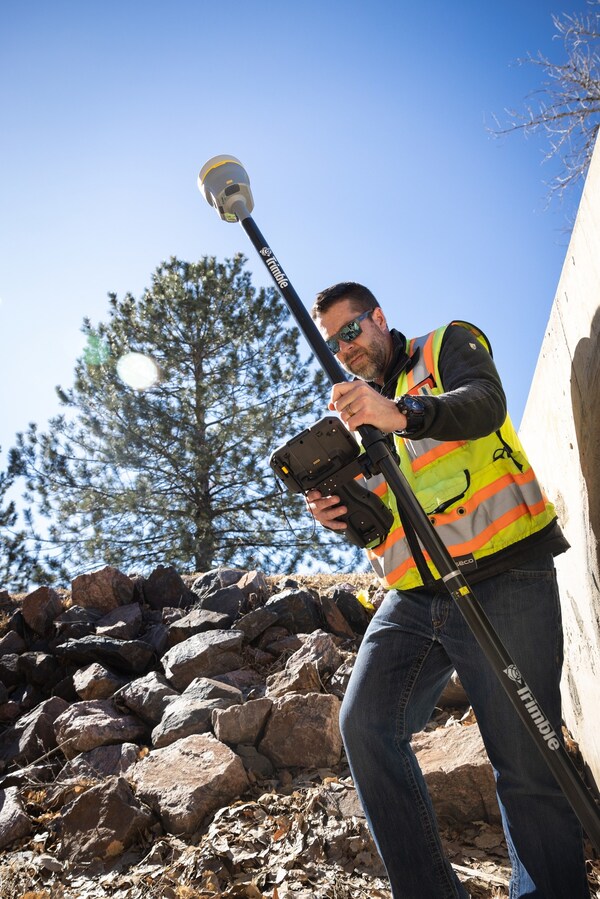
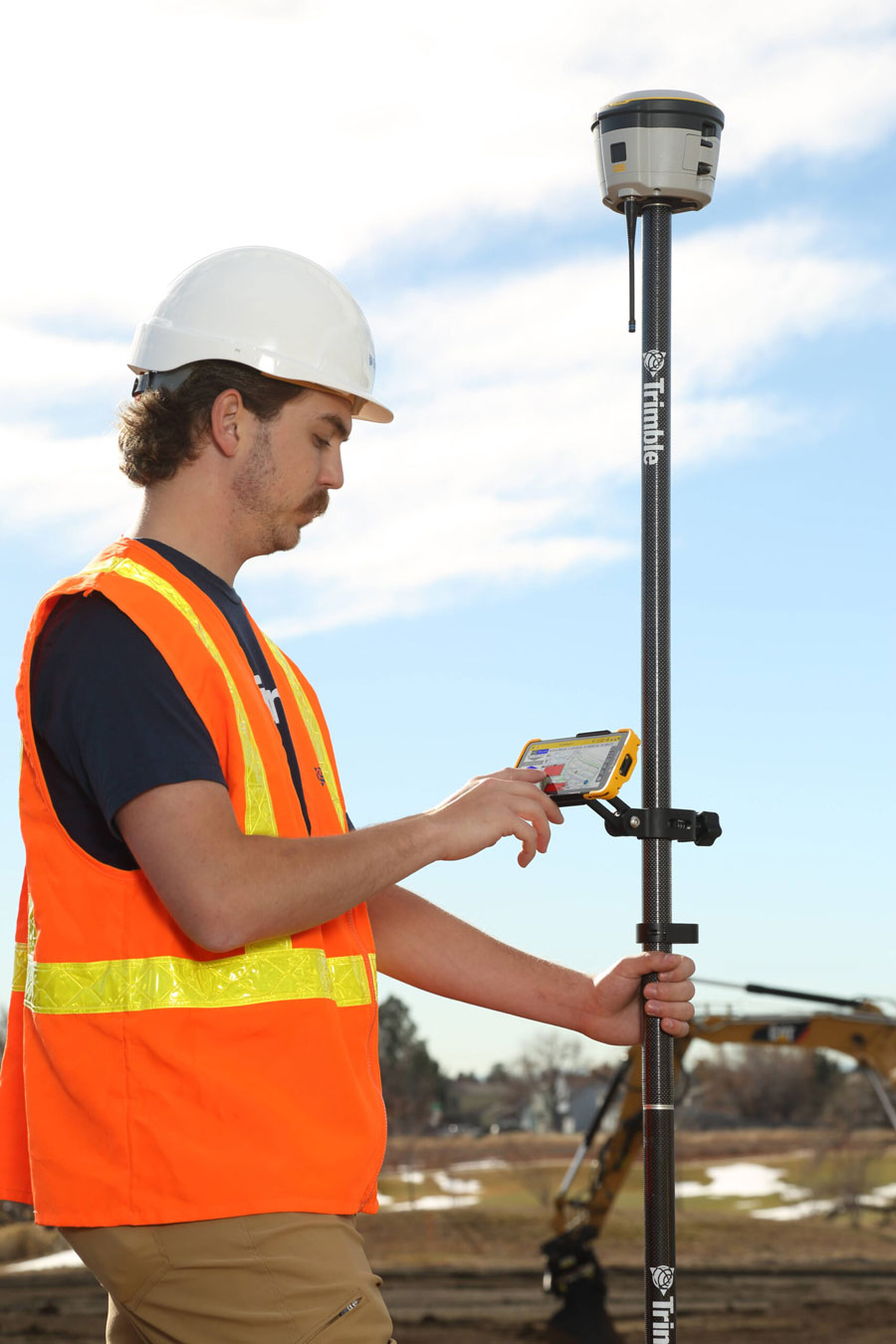
    Trimble has introduced the Trimble R980 GNSS system, the newest addition to its GNSS receiver portfolio. The R980 features communication capabilities to support uninterrupted field operations.

    The Trimble R980 can be used for land surveying, transportation infrastructure, construction, energy, oil and gas, utilities and mining projects. It features Trimble’s ProPoint GNSS positioning engine and inertial measurement unit (IMU)-based tilt compensation using Trimble TIP  technology. These features make it suitable for dense urban environments and under tree canopy, removing the need to level the pole when capturing data points.

    The R980’s communication capabilities include a dual-band UHF radio and an integrated worldwide LTE modem for receiving corrections from a local base station or VRS network. Able to operate on 450 MHz, 900 MHz or LTE bands, users have flexibility in how they receive and transmit RTK corrections. It operates in both 450 MHz and 900 MHz bands, allowing for interoperability with a range of existing industry solutions.

    The R980 also supports the Trimble Internet Base Station Service (IBSS) for streaming RTK corrections using Trimble Access field software for connected workflows.

    A 12-month subscription to Trimble CenterPoint RTX real-time corrections, delivered via satellite or internet, is included on new R980 receivers. This provides reliability without the need for a local base station or VRS network, the company says. The service provides centimeter-level corrections and is complemented by the Trimble xFill correction service that extends RTK positioning during signal interruptions.

    The receiver includes Trimble IonoGuard technology, which mitigates ionospheric disturbances for RTK GNSS and Trimble Everest Plus for multipath mitigation performance. IonoGuard technology improves positioning availability in periods of increased solar activity, such as the recent G5 geomagnetic storms that occurred around the world.

  • Launchpad: Upgraded surveying software, application suite, GPS integrity module

    Launchpad: Upgraded surveying software, application suite, GPS integrity module

    A roundup of recent products in the GNSS and inertial positioning industry from the June 2024 issue of GPS World magazine.


    SURVEYING & MAPPING

    Photo:


    Upgraded surveying software
    With an improved CAD engine

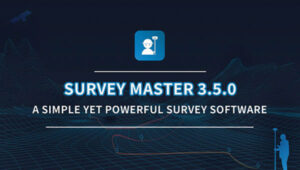
    Survey Master 3.5.0 includes an enhanced CAD engine. A measurement grade has been added to the CAD to improve the software’s utility in design and planning projects. Additionally, the latest version features expanded CAD drawing and survey functions to offer users a comprehensive toolset — including point, line, polyline, curve, arc, square, rectangle, polygon, circle and text. Survey Master 3.5.0 features CAD capture mode from any point and allows users to easily display or hide point icons.

    The system added the Dominican predefined coordinate system, SBAS configuration, PPP and RTK PPP fusion, updated satellite frequencies and an external datalink CDL7 configuration. Existing software users can update directly in Survey Master.
    Comnav Technologies, comnavtech.com

    Photo:

    Scanning kit
    Combines photogrammetry with RTK precision

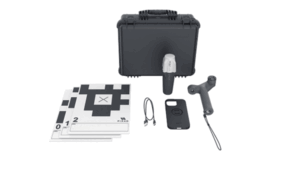
    The Pix4D & Emlid Scanning kit combines advanced photogrammetry with real-time kinematics (RTK) precision for quick data capture when documenting trenches and as-builts, performing volumetric measurements and enhancing aerial data with terrestrial scans. It includes the PIX4Dcatch app and the Emlid Reach RX RTK rover.

    The PIX4Dcatch app allows precise scanning for both photogrammetry and lidar projects. The hardware features the Emlid Reach RX RTK rover, which comes with an ergonomic handle and accessories. It is integrated with PIX4Dcatch and provides real-time positioning through NTRIP.

    The kit works with any correction network or GNSS base station broadcasting RTCM3. The rover gets a fix in less than five seconds, offering centimeter-accurate positioning in challenging conditions. It can also be used with the survey pole as an RTK rover for data collection and stakeout.

    Designed for urban surveying, the Reach RX rover is lightweight, rated IP68, sealed and protected from water and dust.

    The PIX4Dcatch mobile app allows users to use a smartphone for scanning, access RTK precision data through integration with Reach RX and generate a digital model within minutes. Users can also store, annotate, measure and share data online in PIX4Dcloud as well as verify geolocated positions and visualize the project in AR. It extracts insights from both terrestrial and aerial data and features online and offline processing, advanced photogrammetry capabilities, team collaboration and AR for CAD overlays.
    Emlid, emlid.com

    Photo:

    UAV surveying software
    Now with planimetric survey capabilities

    Virtual Surveyor version 9.5 is a smart UAV surveying program featuring new planimetric survey capabilities. Users can survey 2D features from UAV orthophotos and add them to a 3D topographic model generated from the same data set.

    The integrated Terrain Creator app photogrammetrically processes UAV photos to build survey-grade digital surface models (DSMs) and orthomosaics. These transfer seamlessly to the traditional Virtual Surveyor app where users can generate CAD models, create cut-and-fill maps and gather other 3D topographic information.

    No third-party software is needed to create surveys from UAV data. The system is ideal for users in construction, surface mining and excavation projects.
    Virtual Surveyor, virtual-surveyor.com

    Photo:

    RTK technology
    For GIS needs

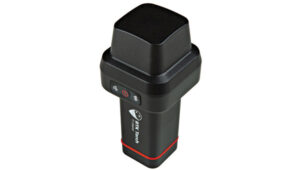
    RTK Torch is designed for high-precision geolocation and GIS needs. It has tri-band reception and tilt compensation.

    The RTK Torch can provide millimeter-grade measurements. Users can connect a phone to the device over Bluetooth and receive the NMEA output and work with most GIS software.

    The RTK Torch features Zero-Touch RTK technology, which gives connected devices WiFi credentials for a hotspot or other WiFi network. The device will begin receiving corrections without any further setup, with no NTRIP credentials required. These corrections are obtained over WiFi from u-blox PointPerfect and are available in the United States, Europe and various parts of Australia, Canada, Brazil and Korea.

    The RTK Torch includes a one-month free subscription to PointPerfect. Additional subscriptions can be purchased if desired. If PointPerfect coverage is not available in the area, corrections from a local base station or service can be provided to the device over NTRIP, delivered via Bluetooth or WiFi.

    It is housed in an IP67-rated enclosure. It is waterproof when submerged up to 1 m for up to 30 minutes when the USB cover is closed. Under the hood of the SparkFun RTK Torch is an ESP32, a UM980 L1/L2/L5 high precision GNSS receiver from Unicore, and an IM-19 for tilt compensation. The addition of the L5 reception makes this portable GNSS device ideal for densely canopied areas where normal L1/L2 reception may have problems.
    SparkFun, sparkfun.com

    Photo:

    3D laser scanner
    For indoor and outdoor mapping

    The VZ-600i terrestrial laser scanner offers a broad range capability from 0.5 m up to 1,000 m and is suitable for indoor and outdoor 3D mapping applications. It features 3D position accuracy of 3 mm, less than 30 sec scan time for high-resolution scans with 6 mm point spacing at 10 m, weight less than 6 kg (13 lbs), 2.2 MHZ PRR, three internal cameras and is GNSS integrated.

    Designed for mobile mapping applications, the system is suitable for architecture, engineering and construction (AEC), building information modeling (BIM), as-built surveying, forensic and crash scene investigation, archeology, forestry and more.
    RIEGL, riegl.com


    OEM

    Photo:

    Application suite
    Featuring GRIT Technology

    The NovAtel Application Suite Version 2.0 now includes GNSS Resilience and Integrity Technology (GRIT). The GRIT Monitor application allows users to observe radio frequency (RF) interference through a comprehensive dashboard to make informed decisions to maintain robust positioning.

    GRIT is RF interference detection and mitigation technology available on all OEM7 GNSS receiver products, including individual cards and enclosures such as smart antennas, PwrPak and MarinePak.
    It includes positioning and device status overviews to serve as a mitigation assistant that indicates whether interference is detected. It features an interactive spectrum viewer, which shows all constellations and frequency bands (spectrum and waterfall), and a signal matrix indicating the signal quality and interference status by frequency band and constellation.

    The updated suite also introduces firmware compatibility and improvements to the user interface and extends support to include MarinePak, among other enhancements. The Manage application, previously known as Setup and Monitor, now supports satellite tracking for L-Band and SBAS and offers a global map view of connected receivers.

    Version 2.0 of the NovAtel Application Suite is designed to assist users in maintaining accurate GNSS positioning by quickly identifying and responding to RF interference. This update is targeted to industries that require precise location data, such as aerial mapping, agriculture and autonomous vehicle navigation.
    NovAtel, novatel.com


    DEFENSE


    Photo:

    Upgraded UAS
    With silent VTOL capabilities

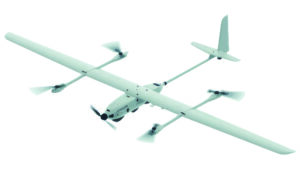
    The VXE30 Stalker unmanned aerial system (UAS) features the new “Havoc” configuration, designed to double the system’s flight endurance and payload capacity.

    With the Havoc upgrades, the VXE30 can now support the complex demands of both small tactical units and larger brigade-level operations without extensive reconfiguration. The upgrades are designed to make the UAS more versatile across various military applications.

    The VXE30 Stalker UAS has silent, vertical take-off and landing (VTOL) capabilities and is payload agnostic with the Havoc configuration. It supports easy integration of third-party payloads and subsystems through a Modular Open Systems Approach (MOSA), requiring no additional training for current operators.
    Edge Autonomy, edgeautonomy.io

    Photo:

    CUAS technology
    Adheres to NDAA standards

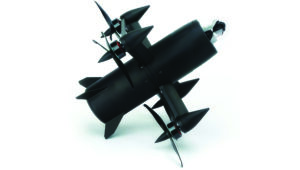
    This counter-unmanned aircraft system (CUAS) is a high-speed kinetic interceptor UAS that utilizes advanced autopilot algorithms for calculating and tracking precise target trajectories, neutralizing Group 1 and 2 aerial threats with pinpoint accuracy.

    The system is manufactured in accordance with the National Defense Authorization Act (NDAA) to ensure it meets the federal requirements necessary for immediate deployment in both military and industrial settings in the United States.
    Nearthlab, nearthlab.com

    Photo:

    GPS integrity module
    Seamlessly integrates with existing platforms

    The Shift5 GPS integrity module is a platform-agnostic solution for military, aviation, rail, maritime and space applications.
    With real-time access and analysis of onboard data, the module assesses changes in navigational position through multi-faceted anomaly detection methods, which alert operators to GPS spoofing attacks as they happen.

    Using data collected from onboard systems, the module uses algorithmic position analysis to identify significant position deviations and GPS data validation to verify GPS information accuracy. Discrepancies or deviations that indicate tampering trigger an immediate notification, allowing operators to initiate standard operating procedures (SOPs) rapidly and accurately.

    The module is designed for cross-platform deployment, across commercial and military planes, locomotives, vessels and aircraft, as well as on other critical systems such as radar, unmanned aircraft systems (UAS) and weapon guidance systems. It seamlessly integrates with existing platforms and can deploy directly to onboard hardware.

    It offers multi-faceted detection and alerts for GPS spoofing attempts, designed to improve the safety and reliability of navigation systems. It uses physics-based spoofing detection to determine whether reported changes in position are physically possible to provide an effective method for initial spoofing detection. The system analyzes data from all sources to detect subtle, sophisticated spoofing attempts, which is essential for identifying more complex spoofing strategies that may evade traditional spoofing detection techniques.

    Shift5 alerts can be integrated into existing SOPs to help preempt contamination of other positioning and navigation data, such as inertial navigation calibration against false GPS data. Metadata about the time, location, duration and estimated position of the attack can be passed for inclusion in threat mapping and other geospatial systems for future route avoidance.
    Shift5, shift5.io

    Photo:

    VTOL UAS
    Designed for military forces

    The Rogue 1 loitering munition UAS is designed to provide military forces with enhanced versatility, survivability and lethality in modern combat environments.

    The Rogue 1 is an optionally lethal, vertical takeoff and landing (VTOL) capable of engaging both moving and stationary targets, including armored vehicles and dismounted threats. It features a unique mechanical interrupt fuzing system that allows for the drone to be safely recovered and reused if the mission is aborted or targets are disengaged.

    Equipped with advanced electro-optical and FLIR Boson 640+ thermal cameras, Rogue 1 offers day and night long-range reconnaissance and surveillance capabilities. The system’s gimballed payload allows for precise targeting, facilitated by a novel coupling between sensors and warhead. Operators can customize the munition with various modular, mission-specific payloads to effectively engage different types of enemy targets.

    It has a flight time of 30 minutes, can reach burst speeds exceeding 70 mph and has an operational range of over six miles, making it suitable for missions in harsh battlefield conditions, including communication- and GPS-denied environments.
    Teledyne FLIR Defense, flir.com


    UAV

    Photo:

    Delivery winch
    Improves safety and operational capabilities

    A2Z Drone Delivery has released new safety features and hardware upgrades for its RDS2 commercial UAV delivery winch, including a weatherproof cover and an auto-releasing bag hook. This aims to improve safety and operational capabilities as well as aid in regulatory compliance for beyond-visual-line-of-sight (BVLOS) operations.

    The system features entanglement auto-detection, which autonomously detects tether entanglements and allows the system to safely abandon the tether to prevent damage to the UAV. This feature can be customized to recognize different types of obstructions, whether at altitude or during the landing phase, enhancing safety across a variety of operational scenarios.

    Additionally, the overweight payload rejection feature ensures that the payload weight does not exceed the 5 kg limit. This is useful when picking up payloads from third parties, as it automatically confirms that the weights are within safe flying limits before proceeding with the mission. The RDS2 now includes Tether Lifecycle Alerts, which notify operators when the winch’s tether, rated for up to 800 deliveries, requires replacement.
    A2Z Drone Delivery, a2zdronedelivery.com

    Photo:

    Integration platform
    For fully autonomous operations

    Flinks is designed for one-click integrations with third-party applications and devices. The platform aims to streamline the coordination of various systems involved in UAV operations, creating end-to-end automated workflows for fully autonomous systems.

    It allows users to connect the FlytBase platform with critical business systems such as alarm systems, video management, data processing and more. By eliminating the need for complex, time-consuming manual interventions, Flinks is designed for users to seamlessly incorporate autonomous drones into their existing operations.

    By joining the Flinks Partner Program, organizations can access FlytBase’s global network of UAV service providers, system integrators and enterprise customers.
    FlytBase, flytbase.com


    MACHINE CONTROL

    Photo:

    Antenna
    Integrates with heavy construction equipment

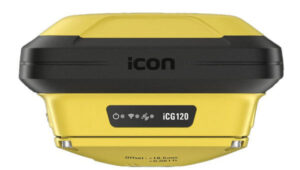
    The iCON 120 machine smart antenna offers scalable and flexible machine control solutions for construction professionals.

    The iCON 120 is a GNSS antenna intended for integration within the existing Leica MC1 platform. Using the iCON 120, operators can benefit from a tailor-made, Leica MC1-based machine control, allowing for more streamlined operations and consistent workflows with a variety of heavy construction equipment and application requirements.

    Leica iCON 120 users can start with a single GNSS solution using a satellite-based augmentation system (SBAS), such as WAAS or EGNOS, or a HxGN SmartNet service. The HxGN SmartNet family offers network real-time kinematics (RTK) with RTK bridging and precise point positioning (PPP) services that work exclusively with Leica Geosystems GS sensors. The new smart antenna can be easily switched, with quick mounting and dismounting, between Leica MC1-prepared machines.

    Users can optionally upgrade their basic-level machine-control solution with the Leica CR50 communication unit to receive RTK correction data via radio or modem. The CR50 features a web interface, automotive ethernet communication, worldwide cellular modem and integrated dual-frequency UHF radio.
    Leica Geosystems, leica-geosystems.com

    Photo:

    GNSS smart antenna
    For construction Site Positioning

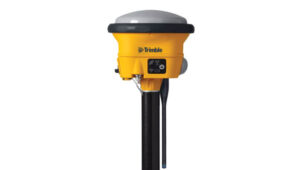
    The R780 GNSS Smart Antenna is designed for construction site positioning. It features a dual-band radio (450/900 MHz) that connects to diverse base stations and job sites without additional external radios. The dual Trimble Maxwell 7 GNSS ASIC chip allows the system to perform in challenging GNSS environments such as a blocked sky, multi-path or degraded signal.

    An activated and ready-to-use Trimble CenterPoint RTX subscription is included for the first 12 months. CenterPoint RTX is point positioning technology that provides real-time, centimeter-level corrections via satellite or cellular/IP.

    Using the R780 with Trimble FieldLink software supports underground and long-distance layout projects as well as QA/QC and field positioning tasks. The R780 can serve as a GNSS rover or as a base station for other GNSS operations including machine control.
    Trimble Civil Construction, heavyindustry.trimble.com

  • Surveying & Mapping: Overlapping technologies and professions

    Surveying & Mapping: Overlapping technologies and professions

    Wangjie Zhao, an employee of CHC Navigation. (Photo: CHC Navigation)
    Wangjie Zhao, an employee of CHC Navigation. (Photo: CHC Navigation)

    For decades, surveying — which consists largely of making measurements to determine the relative positions of points above, on or beneath Earth’s surface — had much higher accuracy than mapping for geographic information systems (GIS) — which is mostly based on aerial photogrammetry for base maps and field data collection of the locations of features. When I started in this field a quarter century ago, we typically classified GPS receivers as survey grade, resource grade or consumer grade, with “resource grade” referring to field data collection for GIS.

    Today, however, the accuracy of all receivers has greatly increased — thanks to improved chipsets, new GNSS constellations, and a plethora of corrections services — and those three categories are no longer relevant. Therefore, surveying and mapping are increasingly overlapping.

    For this cover story, I asked the same three questions about mapping and surveying to representatives of four companies. 

    CHC Navigation Rachel Wang, product manager of survey and engineering product line

    HexagonCraig Hill, VP marketing and services, surveying solutions, Leica Geosystems

    OxTSGeoff Besbrode, product marketing executive

    Trimble Chris Trevillian, director of product marketing, Geospatial Solutions

    Additionally, click below to read insights from:


    Surveying and mapping are increasingly overlapping. What are the remaining differences between them, in terms of accuracy requirements and challenges in the field?

    CHC Navigation
    While advances in technology such as lidar and photogrammetry are narrowing the gap, there are still notable differences between surveying and mapping. Surveying often requires centimeter- or even millimeter-level accuracy at specific points. In contrast, mapping focuses on collecting dense 3D data over large areas. Although the accuracy of mapping point clouds is steadily increasing, the integration of ground-based GNSS data collection with aerial imagery and lidar is becoming widespread. Mapping tends to be less labor-intensive and involves fewer safety risks in the field, but it requires a unique skill set, particularly in point cloud processing.

    Hexagon
    Traditionally, surveying and mapping differ primarily in their accuracy requirements and application scales; however, this paradigm is changing with mapping becoming increasingly accurate. Surveying focuses on high-precision geospatial data of specific points. From road, rail and tunnel construction to high-rise buildings, there is no substitution for the precision delivered by surveying equipment and procedures. In contrast, mapping focuses on larger areas.

    Recent advancements in sensor technology, including both airborne and mobile mapping systems such as the Leica CityMapper-2 and the Leica Pegasus TRK, have significantly improved the efficiency and precision of mapping, bringing it closer to the levels achievable with traditional surveying equipment.

    OxTS
    Surveying comes with a large overhead during the data collection process. It requires meticulous preparation and attention to detail to achieve high accuracy in the raw data. GNSS quality, lever arms, user operation, etc., can all cause problems later on. Getting any part of the process wrong can have major cost implications through having to redo the process.
    Mapping is focused on the act of aligning that data to datums and control points after the surveying process is completed but it also requires major attention to detail in aligning coordinate frames and origin points in order to avoid baking in any errors that lead to mistakes being made once the map data is handed over to a customer

    The problem is that if the surveying process wasn’t accurate, the mapping process will not have a solid foundation in the raw data to deliver accurate maps, so they are inherently tied to each other.

    Trimble
    Surveyors today have many tools in their toolbox, giving them flexibility across surveying and mapping applications. There are many highly accurate, easy-to-operate data capture systems to choose from these days, but challenges grow when combining and analyzing vast amounts of data from different sensors in the office to provide final deliverables. This has made field-to-finish software that delivers technological integration, workflow optimization and adaptability essential for the job.

    Mapping projects often require less accuracy, but a lot of advanced survey technology is entering the mapping domain (e.g., mobile mapping and laser scanning) because of easier field operations and increasing understanding of the value of rich data to asset management.

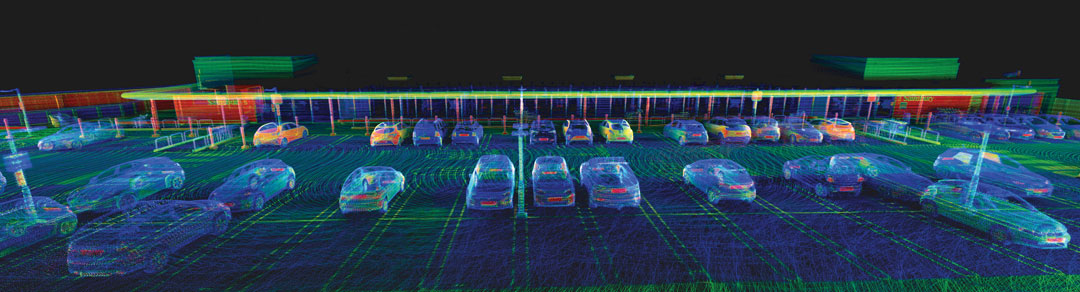
    The data were collected in and around a car park to prove how Lidar Inertial Odometry (LIO) can be used to retain accuracy for longer periods without GNSS updates. (Photo: OxTS)
    The data were collected in and around a car park to prove how Lidar Inertial Odometry (LIO) can be used to retain accuracy for longer periods without GNSS updates. (Photo: OxTS)

    What is your company’s niche in surveying/mapping?

    CHC Navigation
    CHC Navigation (CHCNAV) has been at the forefront of positioning and navigation for more than two decades, continually adapting to meet the diverse needs of the surveying and mapping industry. Our innovative solutions often lead the industry in providing end-to-end, integrated technology fusion — GNSS, inertial measurement unit (IMU) and imaging lidar — as a standard that empowers geospatial professionals worldwide. CHCNAV strives to provide accessible, value-added solutions from the start, positioning itself as a key technology enabler for the geospatial community.

    Hexagon
    Whether you are mapping an entire city or surveying a site for construction, capturing reliable and precise geospatial data is essential. Hexagon’s niche lies in its commitment to innovation, its extensive portfolio and the convergence of superior hardware, intelligent software solutions and expert services — enabling precise, efficient and scalable surveying and mapping for diverse needs. Our multitude of solutions, whether handheld, tripod-mounted, flying, or vehicle-mounted, are designed to collect data efficiently and safely from complex or dangerous environments — enabling the greatest accuracy and high-value deliverables.

    Furthermore, Hexagon is uniquely positioned with its robust suite of software solutions that work seamlessly with our hardware, such as Reality Cloud Studio, Leica Cyclone, Leica Captivate or Leica Infinity for collecting, processing, modeling, analyzing, and presenting data. We offer end-to-end solutions that not only provide high accuracy but also ensure productivity and ease of use.

    OxTS
    OxTS offers localization and georeferencing technology that can help accelerate the collection of high accuracy survey data, allowing more work to be completed in a given time frame without compromising on accuracy.

    Trimble
    Trimble is known for offering a wide range of highly accurate and reliable data capture sensors but our “niche” — our truly unique offering — is our ability to offer comprehensive solutions that make our customers more productive and their projects more streamlined. We do this through hardware and software solutions that enable highly efficient survey and mapping workflows that connect field and office operations. Our software helps transform the captured data into true information utilizing an increasing number of AI-powered tools while our cloud services allow customers to share the data with a variety of stakeholders, unlocking the transformational power of geospatial data.

    What is your latest surveying/mapping product? What are its key specs, markets and applications?

    Hexagon
    Among our surveying and mapping solutions, the Leica BLK ARC stands out with its flexibility to integrate with various robotic and mobile carriers. The BLK ARC provides autonomous laser scanning with static and dynamic scans, creating 3D digital twins and ensuring operator safety. Similarly, the Leica BLK2GO introduces an agile, handheld mobile scanning solution, capturing point clouds and images, with a user-friendly design. Both solutions are great allies for professionals requiring accurate, efficient, and versatile mobile scanning solutions.

    For those looking to offer wide-scale data-capturing capabilities and overcome capacity constraints, the Leica Pegasus TRK mobile mapping system stands out because it can gather extensive data quickly and accurately. Its high-resolution data capture, advanced lidar technology, and enriched 3D point cloud capabilities ensure detailed and comprehensive datasets. Building on this range of solutions, the autonomous flying laser scanner Leica BLK2FLY enhances surveying efficiency by capturing hard-to-reach areas and environments. Its user-friendly operations, advanced obstacle avoidance and seamless cloud-based data integration make it a valuable tool for enhanced productivity and safety in surveying work.

    CHC Navigation
    Our latest offering, the RS10, demonstrates the integration of surveying and mapping technologies by combining GNSS RTK, laser scanning and visual SLAM into a unified platform. The RS10 enhances traditional GNSS capabilities with V-lidar and SFix technologies. V-lidar enables non-contact offset measurements up to 15 m, ideal for rover applications. Meanwhile, SFix technology leverages laser and visual SLAM data to deliver 5 cm accuracy within one minute in environments with weak or absent GNSS signals. This breakthrough enables accurate GNSS measurements in challenging environments such as indoor spaces and urban canyons, bringing simplified workflows and increased productivity to professional surveying and mapping.

    OxTS
    OxTS recently released Lidar Inertial Odometry (LIO), which offers improved localization in GNSS-obstructed environments while maintaining a fully global frame output. It means that survey data can retain accuracy for longer in harsher GNSS environments but doesn’t give up the global reference to coordinate frames used by surveyors and does not require ground control points to be anchored to those coordinate frames.

    Trimble
    The newly released Trimble Business Center (TBC) v2024.00 delivers on its commitment to innovation by offering technological integration and workflow optimization, as well as adaptability and innovation for the ultimate field-to-finish workflow. A key highlight in the new release is the seamless integration of survey data delivery for pavement inspection within AgileAssets, which bridges the gap between Esri and Autodesk through feature services for more efficient pavement management.
    In addition, AI technologies provide enhanced point cloud classification and new feature extraction routines for game-changing analysis of aerial, terrestrial, mobile mapping and tunneling data. Collaboration also is greatly enhanced through Trimble Connect for seamless data integration across TBC and Trimble Access field software.

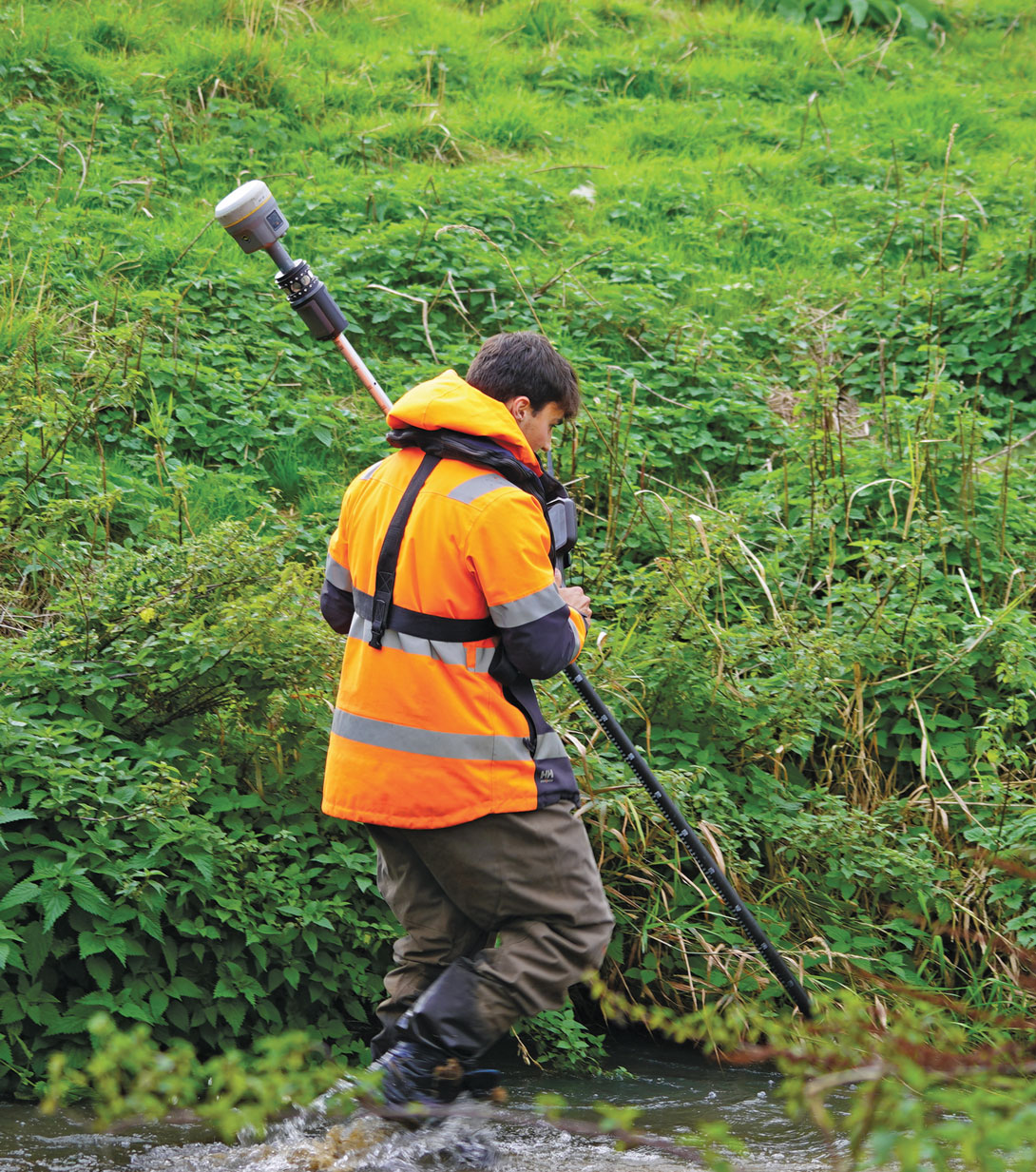
    Josh Humphriss, surveyor at Storm Geomatics Limited, surveys a stream with a Trimble GNSS system in Shipston-on-Stour, Warwickshire, England in 2022. (Photo: Michael Dix, Marketing Communications Manager, Trimble, Inc.)
    Josh Humphriss, surveyor at Storm Geomatics Limited, surveys a stream with a Trimble GNSS system in Shipston-on-Stour, Warwickshire, England in 2022. (Photo: Michael Dix, Marketing Communications Manager, Trimble, Inc.)
  • Launchpad: Rotating lasers, antennas and upgraded UAVs

    Launchpad: Rotating lasers, antennas and upgraded UAVs

    A roundup of recent products in the GNSS and inertial positioning industry from the April 2024 issue of GPS World magazine.


    SURVEYING & MAPPING
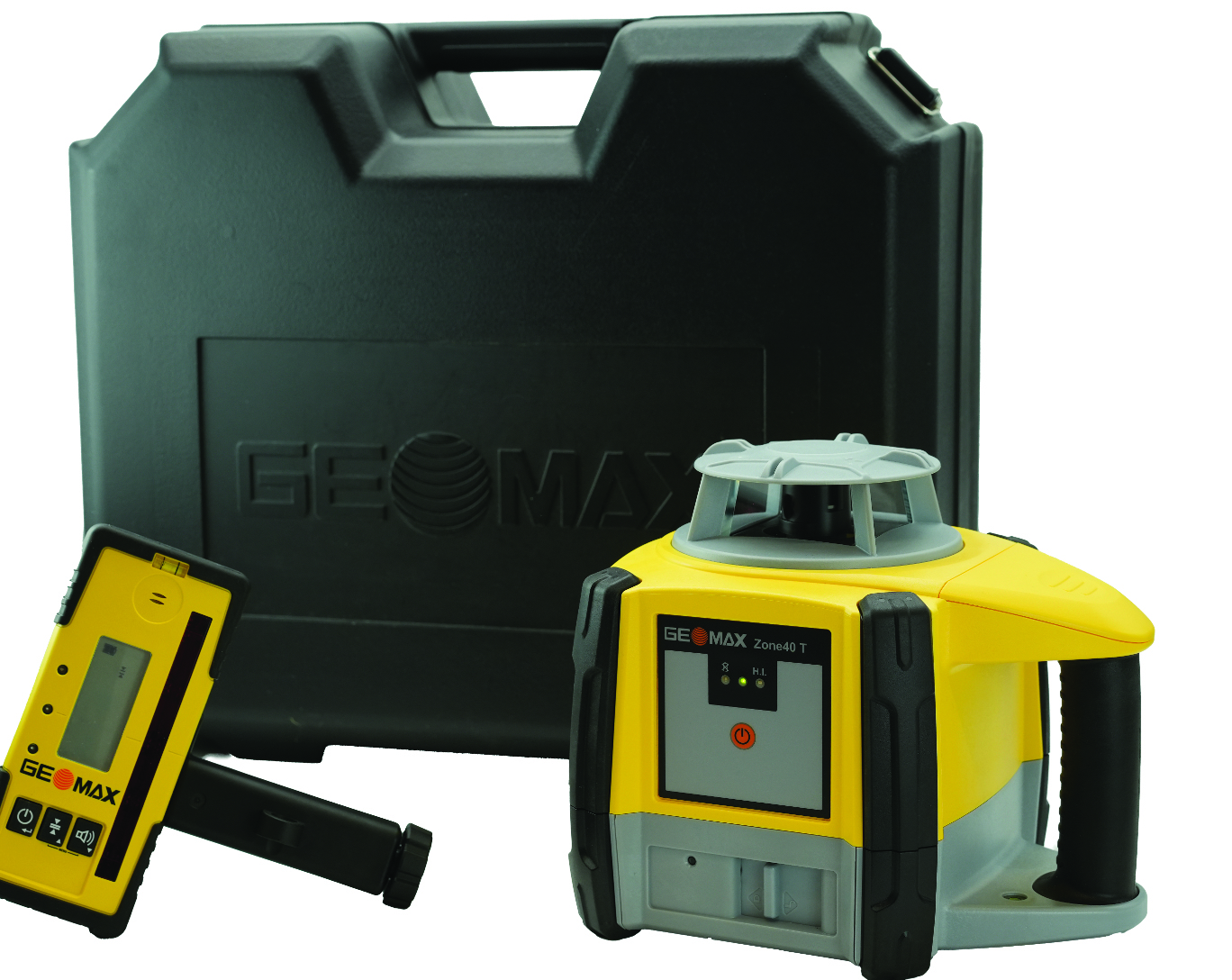

    Photo:

    Rotating Laser
    Built for challenging worksites

    The Zone40 T one-button rotating laser is designed for all types of grading and leveling jobs. It seeks to address the industry’s need for efficient and accurate alignment solutions.
    Its one-touch operation is designed to simplify and increase efficient workflows in a variety of jobs such as grading, paving, excavating, surveying, layout and more. It is ideal for contractors, crew chiefs, supervisors and trade professionals.

    GeoMax products are tested and proven to endure the toughest conditions. With an IP67 environmental rating, the Zone40 T accurately delivers in dust, water, wind and extreme temperatures.
    GeoMax Positioning, geomax-positioning.com
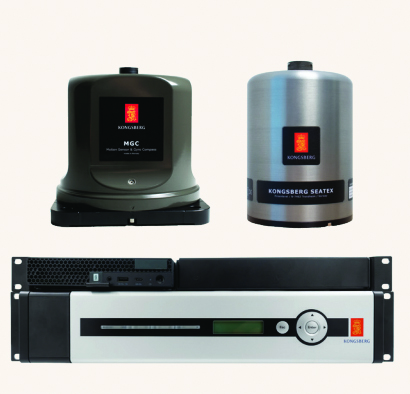
    Photo:

    Hydrographic Surveying Solution
    With advanced inertial sensors

    The Seapath 385 navigation system is designed to enhance precision in hydrographic surveying by using advanced navigation algorithms and integrating a range of satellite signals, including GPS, GLONASS, Galileo, BeiDou and QZSS, alongside geostationary satellite signals. The Seapath 385 system combines raw inertial sensor data from Kongsberg Discovery’s high-performance motion gyro compass (MGC) or motion reference unit (MRU) with GNSS data and corrections from real-time kinematics (RTK), precise-point positioning (PPP) or Differential Global Navigation Satellite System (DGNSS). The integration offers a robust and accurate navigation solution ideal for hydrographic surveying.

    The system’s dead reckoning capabilities are attributed to its advanced inertial sensors and updated navigation algorithms. It uses GNSS antennas for both positioning and heading determination designed to add an extra layer of robustness to the system. The Seapath 385 also introduces a new post-processing format that consolidates all necessary data and system configurations into a single file, which allows for centimeter-level position accuracy through either satellite orbit and clock data or data logged from base stations.

    Designed for ease of installation and continuous, reliable operation, the Seapath 385 is a modular system with a processing unit that handles all critical computations independently of the user interface on the HMI Unit. This feature offers precise measurements with a data rate of up to 200 Hz at multiple monitoring points, which makes it an ideal solution for accommodating sensors or systems that depend on motion or position data throughout the vessel.
    Kongsberg Discovery, Kongsberg.com
    Teledyne Geospatial

    Marine-Grade Sensor
    Compatible with USVs

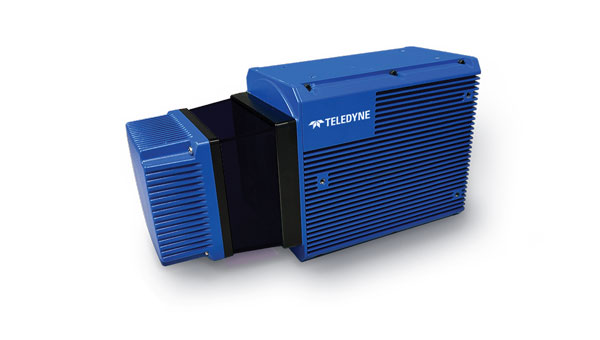
    The Optech CL-360 Marine is a 360° long-range laser scanner. It combines a scan speed of 250 lines per second with 2 mm range resolution, a plug-and-play solution and an IP67 marine-grade sensor.The system can be seamlessly integrated with multibeam systems and the CARIS Ping-To-Chart workflow, which allows for full above-and-below-water image capture with survey-grade accuracy in a single workflow.It is ideal for mapping coastal infrastructure and is designed to be used on an uncrewed surface vessel (USV) that provides survey grade range and accuracy.
    Teledyne Geospatial, teledyneimaging.com
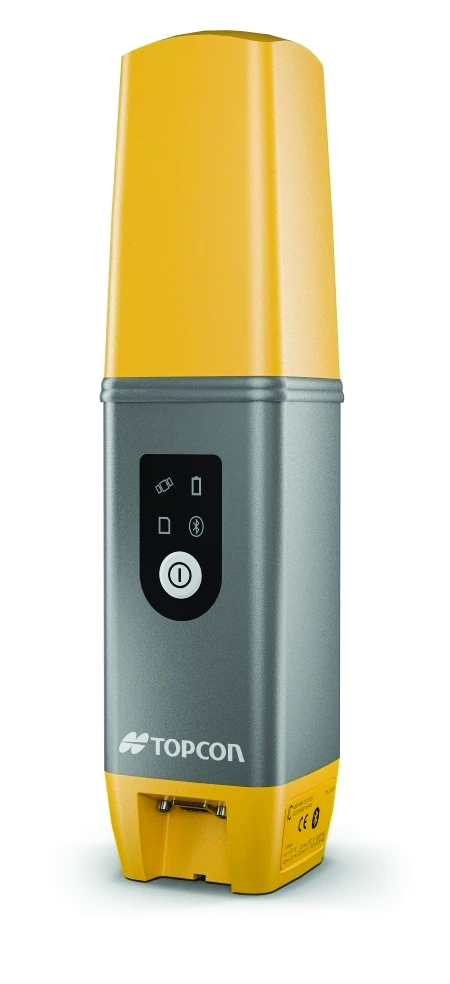
    Photo:

    GNSS Receiver
    Designed for centimeter-level and RTK accuracy

    The HiPer CR is a compact and lightweight GNSS receiver designed for centimeter-level and RTK accuracy for professionals in a wide range of applications in surveying, construction, engineering, forestry and mining. It joins a portfolio of fuller-featured receivers, including the HiPer HR and VR.

    The HiPer CR tracks the GPS, GLONASS, Galileo, BeiDou and QZSS constellations. It can be used in a variety of configurations, including as a network RTK rover, in base and rover setups and in integrated hybrid use with a robotic total station.

    When used as a network rover with Topnet Live — the company’s global GNSS correction service — the HiPer CR will have access to high-quality data corrections to increase efficiency and productivity. Users also can select to use the receiver as part of a hybrid positioning system, which allows users to use a robotic total station for prism measurements. Users also can switch to GNSS measurement with the HiPer CR for obstructed areas such as warehouses, trailers, or buildings.
    Topcon Positioning Systems, topconpositioning.com
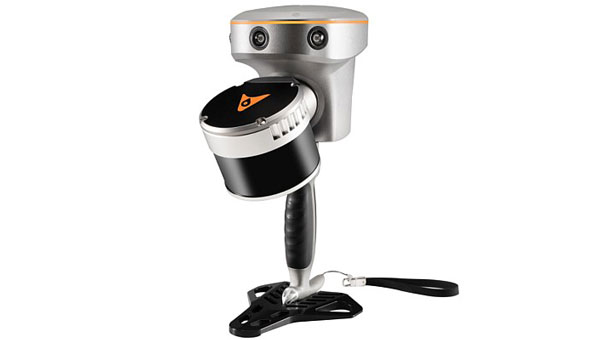
     

    Image: CHCNAV

    Handheld SLAM laser scanner
    For in the field and indoors

    The RS10 is a handheld SLAM lidar laser scanner integrated with a full real-time kinematics (RTK) GNSS receiver.
    Designed to improve efficiency across a wide range of mapping and surveying applications, the RS10 seeks to provide professionals with a versatile, all-in-one tool for capturing 3D geospatial data in both outdoor and indoor environments.

    The RS10 integrates a GNSS smart antenna for RTK positioning accuracy even in challenging environments. It delivers 5 cm measurement accuracy by fusing high-precision lidar, RTK, laser and visual SLAM using three HD cameras.
    The RS10 uses a powerful onboard processor for real-time georeferenced point cloud generation in the field. Users can receive instant feedback, which allows them to adjust while scanning. Large sites up to 13,000 square meters can be mapped in real time.

    The integration of high-precision GNSS and SLAM technologies eliminates the need for traditional loop closure, which often complicates the data collection process for handheld scanners. Users can freely scan target areas without having to return to previous locations, which can streamline field data capture and significantly reduce time spent in the field.
    CHC Navigation, chcnav.com
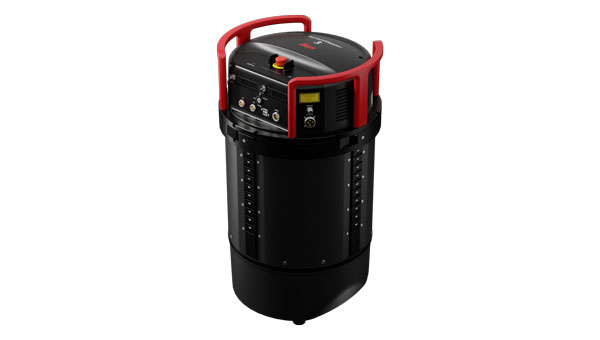
    Photo:

    Airborne lidar sensor
    With scan pattern reconfigurability

    The Leica TerrainMapper-3 airborne lidar sensor features a new scan pattern reconfigurability to support a variety of applications and requirements in a single system.

    The system offers three scan patterns, which allow users to customize the sensor’s performance to fit specific applications. Its circle scan patterns are designed to improve 3D modeling of urban areas or steep terrains. The ellipse scan patterns use data capture for more traditional mapping applications. Skew ellipse scan patterns are aimed at improving point density for infrastructures and corridor mapping applications.

    The sensor has a high scan speed rate and a 60° adjustable field of view to maximize data collection with fewer flight lines. The TerrainMapper-3 is complemented by the Leica MFC150 4-band camera, which operates with the same 60° field of view coverage as the lidar for exact data consistency.

    The device’s reduced beam divergence offers more accurate results, while its new multiple pulses in air (MPiA) handling is designed to deliver more consistent data acquisition, even in steep terrain.
    The system introduces possibilities for real-time full waveform recording at a maximum pulse rate to open opportunities for advanced and automated point classification.
    Leica Geosystems, leica-geosystems.com
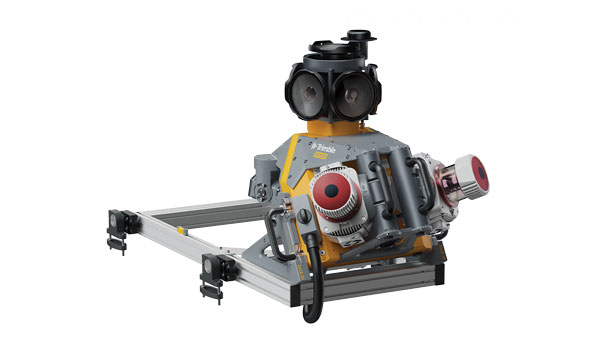
    Photo: Trimble Geospatial

    Mobile Mapping Solution
    Mounted on vehicles or trains

    The Trimble MX90 mobile mapping system integrates advanced Trimble GNSS and inertial technology with Trimble field and office software. It offers users a comprehensive field-to-finish mobile mapping solution designed for robust workflows for data capture, processing and analysis.

    The MX90, mounted on vehicles or trains, captures detailed laser scans and imagery —panoramic and multi-angle. This data, collected at highway speeds, undergoes rapid processing to produce deliverables for feature detection and inspections.

    The mobile mapping system includes immersive 360° panoramic and targeted cameras to capture high-resolution imagery of various details, such as small or distant road and rail signs, telecommunications towers or cracks and holes in roads.

    Additionally, it offers high-density colorized point clouds with rich and accurate color projections. These dense point clouds, along with high-resolution imagery — panoramic and planar — and accurate trajectories, provide the basis for a wide range of deliverables, including street scenes, road and rail asset details, elevation models, volume calculations, 3D city models and as-built surveys.

    It features a high-end inertial measurement unit (IMU) combined with IN-Fusion+ data processing technology to achieve high-quality data in challenging GNSS environments. The MX90 also comes with reliable office software solutions to support multiple use cases and applications, such as road inspection workflows and integration into cloud-based applications for efficient data sharing.
    Trimble Geospatial, geospatial.trimble.com
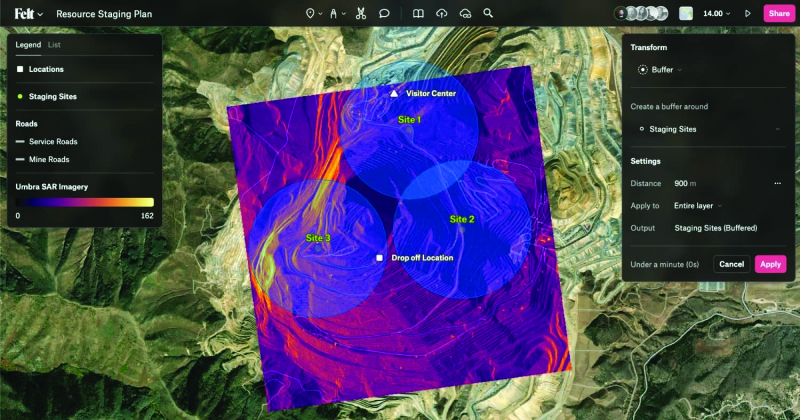
    Photo:

    Collaborative Mapping Tool
    With spatial analysis features

    Felt 2.0 is a collaborative mapping tool with powerful data transformation tools. Now with spatial analysis features, users can manipulate and analyze geographic data. It has web-based collaboration features designed to make mapping workflows interactive and accessible across organizations.
    The software uses artificial intelligence (AI) to deliver faster workflows for geographic information systems (GIS) professionals. Users can utilize Felt’s Upload Anything capabilities to visualize any file format. The system will read, understand and deliver an internet-fast visualization to the users’ workspace. The software is available for download on tablets and other mobile devices.
    Felt, felt.com

    Image: savvy navvy

    Automatic Identification System
    Available on Android, IOS, PC and Mac

    The Over the Horizon (OHA) automatic identification system (AIS) is the newest update to the savvy navvy app. The update uses a phone’s internet connection to stream other vessels’ locations in real-time directly to the app to improve safety on the water.

    Traditional AIS received from the transceiver on the boat has a range of a few miles, whereas OHA is designed to show vessels further afield. While OHA does require an internet connection, users do not need additional hardware to see information on vessel movements.

    OHA AIS allows users to see vessels directly on the chart with small and large vessel crafts defined by different colors. Users can also check how crowded an anchorage might be — either from onboard or while planning routes at home.

    The savvy navvy application highlights when no position has been received for more than 30 seconds, which marks the positional variance area around each vessel and allows users to be extra vigilant when navigating.
    Available on Android, IOS, PC and Mac, the savvy navvy app can be used on multiple devices and is available in both free and “premium” options with enhanced access and functionalities.
    savvy navvy, savvy-navvy.com


    UAV

    Photo:

    Real-Time Command and Control System
    Supports BVLOS

    VigilantHalo is a software-based platform designed for real-time command and control of uncrewed airspace. The system supports a wide range of missions from air traffic control (ATC) to beyond visual line-of-sight (BVLOS) operations and counter-uncrewed aerial systems (C-UAS).
    VigilantHalo combines radar and multi-sensor surveillance technology into a comprehensive situational awareness solution. It is designed for disaster response and critical infrastructure defense and can be customized for specific mission requirements. The system’s flexibility allows deployment across cloud, mobile or fixed-site installations, which aims to address the evolving threats in national security and the National Airspace System (NAS).

    The system features integrated data processing, a fusion tracker and a communications system that enables operators to monitor and manage air traffic under various conditions. It leverages weather analytics from the National Oceanic and Atmospheric Administration (NOAA) and other sources to assess flight paths and identify safety risks. VigilantHalo uses a custom sensor data processor (SDP) that integrates data from different sensors and surveillance feeds into a unified display tailored to specific missions such as ATC, BVLOS, air defense and more.
    BlueHalo, bluehalo.com
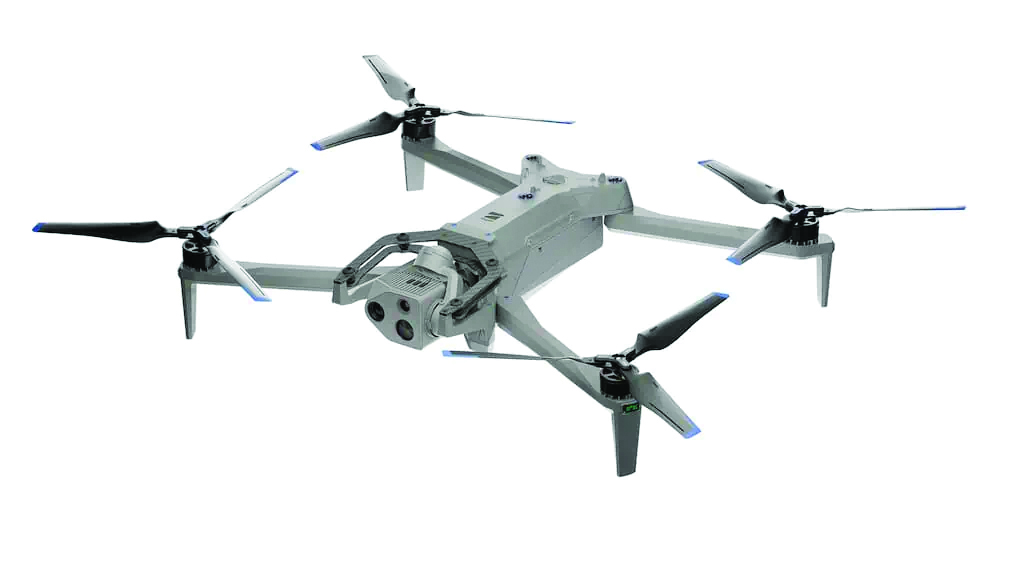
    Photo:

    Dynamic Channel Switching
    Improves communication in the field

    The Skydio X10D UAV features dynamic channel switching to monitor signal interference and move to a clearer channel. This aims to improve wireless transmission signal quality during flights to ensure troops maintain communication with the UAV to accomplish their mission.
    Dynamic channel switching allows the X10D to provide adaptable communications between the drone and its accompanying controller in situations where the airspace is congested or under electronic warfare conditions. This feature ensures that reliable command and control is maintained and real-time data feeds are available even in challenging conditions.

    The X10D is designed for intelligence, surveillance and reconnaissance (ISR) applications critical to defense and government agencies. It delivers advanced sensor technology, autonomous navigation and a modular, open architecture for military needs.

    Skydio’s onboard AI and autonomy for small unmanned aircraft systems (sUAS) offers obstacle avoidance in zero-light environments and autonomous flight. Skydio X10D delivers enhanced compliance with federal standards, including the Robotics and Autonomous Systems – Air (RAS-A) Interoperability Profile (IoP) and an open, modular platform that supports third-party applications. RAS-A compliance and open MAVLINK protocol enable the use of third-party and government-owned flight application software.
    Skydio, skydio.com
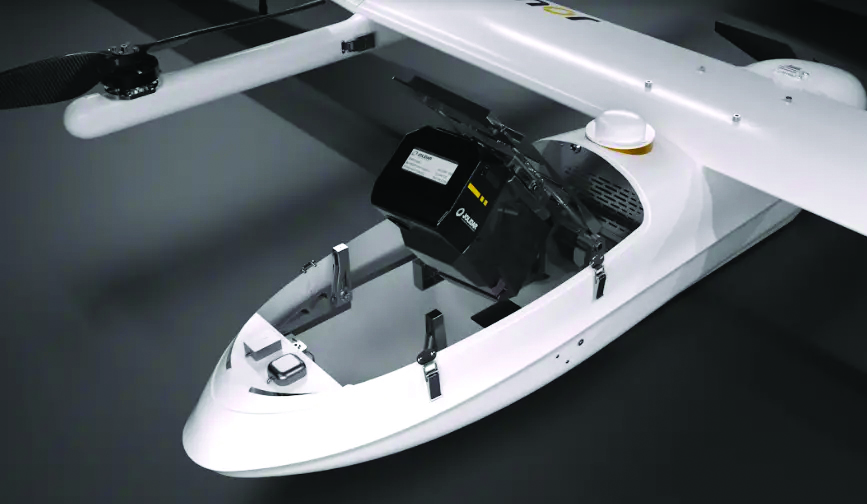
    Photo:

    Lidar Sensor
    Integrates with UAVs

    The JoLiDAR-1000 is a new lidar sensor for UAVs. It aims to improve applications in GIS, surveying, and precision inspections of power lines. The JoLiDAR-1000 incorporates advanced lidar technology to improve measurement accuracy for UAV applications.

    The sensor features a 1,000 m medium-range laser scanner, using RTK and inertial measurement unit (IMU) fusion technology and laser scanning for enhanced measurement precision. It achieves a measurement accuracy of 5 mm, a repetition accuracy of 10 mm and a line scanning speed ranging from 10 lines to 300 lines per second. It has a 100° field of view and an angular resolution of 0.001 to precisely detect objects at extended distances.

    Designed with compact dimensions and weighing only 1.9 kg, the JoLiDAR-1000 is portable and integrates seamlessly with various UAV platforms. It incorporates a suite of technologies, including a GNSS high-precision positioning system, IMU, high-speed data acquisition systems, time synchronization systems and a 26MP RGB camera to enhance its data collection capabilities.
    The JoLiDAR-1000 streamlines operational processes by eliminating the need for base station setup and ground control points. It is equipped with high-precision POS solution computation and point cloud fusion capabilities. The sensor is suitable for a wide range of applications such as terrain mapping, power line inspection, mining surveying, coastline measurement, emergency mapping and natural resource surveying.
    JOUAV, jouav.com
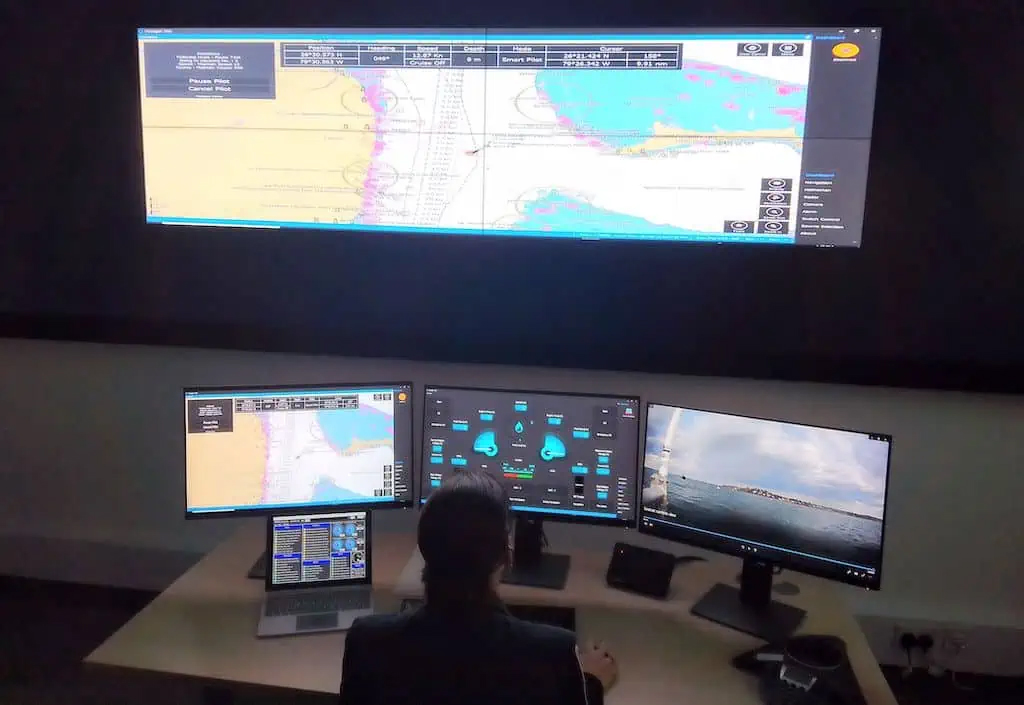
    Photo:

    AI Autopilot
    Designed for USVs

    The Voyager AI Autopilot converts newly built or retrofitted unmanned surface vessels (USVs) into fully autonomous craft.
    The Robosys Autopilot module seamlessly integrates with Robosys’ Voyager AI Survey as part of the Voyager AI software suite. It enables remote and autonomous heading and speed control as well as various other mission modes for navigation and vessel control, specifically for hydrographic and oceanic surveying operations.

    The marine autopilot is designed to meet the demands of 3 m to 12 m electric drive surveys. It is easily scalable to full advanced autonomous navigation, which seamlessly integrates with third-party steering, drive and motor control systems to provide optimal vessel functionality for USVs and other craft.
    Robosys Automation, robosysautomation.com


    OEM

    Photo:

    Satellite Positioning Chips
    With AEC-Q100 Grade 2 reliability qualification

    Designed for automotive applications, the AG3335MA satellite positioning chip series has earned AEC-Q100 Grade 2 reliability qualification. The AEC-Q100 is designed to ensure reliability and safety beyond the requirements for consumer electronics.
    The AG3335MA series chips have been certified by a third-party quality management system equipped with an automotive specification laboratory. Achieving Grade 2 certification, these chips are tested for operation in extreme temperatures ranging from -40°C to 105°C, which caters to the demanding environments of automotive applications.
    The AG3335MA features ultra-low power consumption, high endurance and dual-frequency capability. It supports the five major global satellite systems and NavIC to ensure reliable operation in a broad temperature range and challenging weather conditions. Its GNSS receiver measurement engine has a satellite tracking sensitivity of -167 dBm and a cold boot positioning time of 25 seconds. This allows it to receive and process signals from all visible satellites simultaneously, offering increased accuracy in positioning.
    Airoha Technology, airoha.com
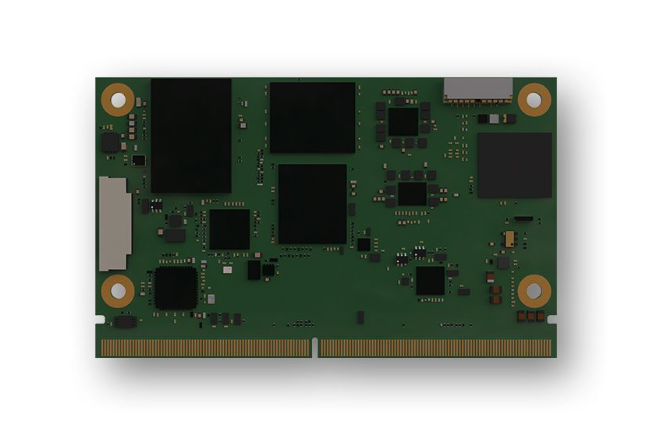
    SOM-SMARC Modules
    Powered by Qualcomm

    The Smart Mobility Architecture (SMARC) System on Modules (SoMs) are based on Qualcomm QCS6490 and Qualcomm QCS5430 application processors. These new SMARC modules are the first results of SECO’s strategic collaboration with Qualcomm Technologies, announced in September 2023.
    The SOM-SMARC-QCS6490 is designed to simplify the use of the Qualcomm QCS6490 processor. The chipset offers support for artificial intelligence (AI) and computing, robust performance at low power and expanded interfaces and peripherals catering to diverse industrial use cases.
    The Qualcomm Adreno 643 GPU offers enhanced graphics performance and energy efficiency. It supports FHD+ at 120 fps resolution on primary and secondary displays up to 4k Ultra HD at 60 Hz. The SOM-SMARC-QCS6490 supports Microsoft Windows 11 IoT Enterprise, Yocto Linux and Android, with both commercial (0°C to +60°C) and industrial (-30°C to +85°C) temperature variants available.
    The SOM-SMARC-QCS5430, powered by the Qualcomm QCS5430, is a mid-tier solution that slightly moderates CPU and GPU performance. This system-on-chip (SoC) combines enhanced connectivity, performance and edge AI-powered camera capabilities. It also provides scope for field software-based upgrades of the CPU and GPU by using the processor’s capabilities.
    SECO, seco.com
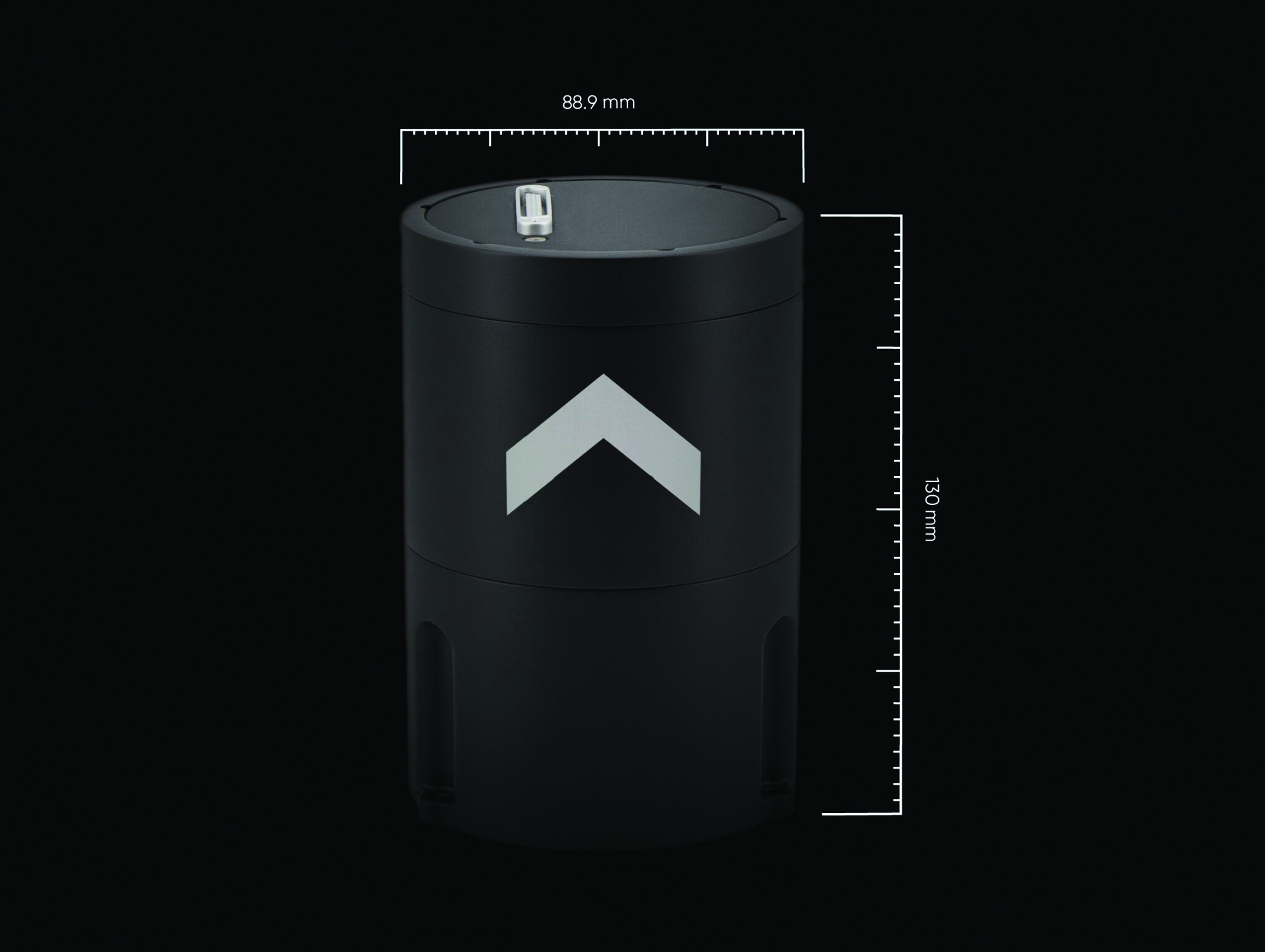
    Photo:

    INS
    Featuring FOG-based IMU

    The Phins 9 Compact is a high-performance inertial navigation system (INS) designed for all unmanned underwater vehicles. It offers a blend of navigation performance, reliability and size, weight and power (SWAP) efficiency.
    The Phins 9 Compact is built around a high-performance fiber-optic gyroscope (FOG)-based IMU with advanced accelerometers. With compact dimensions, a DVL-aided position accuracy of 0.1% TD, and a power consumption of less than 7 W, it is ideal for compact subsea vehicles in demanding applications with low power requirements.

    The INS aims to redefine the standards of subsea navigation in a wide range of applications, including survey-grade coastal and offshore seabed mapping, inspection repair and maintenance (IRM), defense and more.
    Exail, exail.com


    MOBILE

    Image: Abracon

    GNSS FR Antennas
    Supports a full spectrum of bands

    This series of GNSS RF antennas is designed to elevate location-based services with enhanced accuracy and precision. This new lineup aims to outperform conventional GPS technologies by offering faster signal acquisition, improved tracking capabilities and reduced power consumption.
    The antennas support a full spectrum of bands, including L1, L2, L5, and L-band data correction services. It can be used in a variety of sectors, such as agriculture, surveying, the Internet of Things (IoT), mapping, defense and aviation.
    The technology is designed to meet the rigorous demands for precise location data across various applications. These antennas offer multi-band and multi-constellation support to ensure broad compatibility. With centimeter-level accuracy, these antennas are crucial for aerospace, defense, asset tracking, geolocation, precision agriculture and industrial IoT.
    Abracon, abracon.com
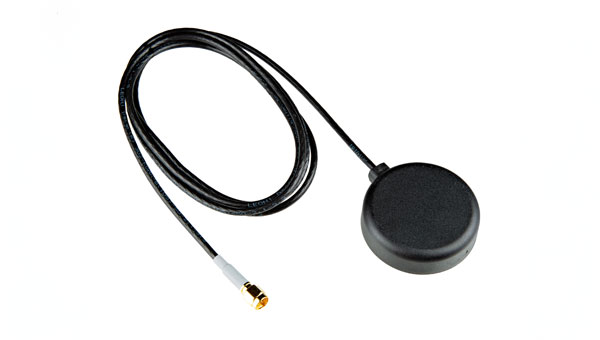
    Image: SparkFun Electronics

    Iridium on the Go
    Magnetic mount antenna

    The 2J7426MPz by 2J antenna is a high-performance magnetic mount antenna that is designed specifically to communicate efficiently with the Iridium satellite communication system. It is manufactured with high-quality polycarbonate (PC) and acrylic-styrene-acrylate terpolymer (ASA), a thermoplastic combination that offers strong resistance to UV, moisture, and heat and enhances mechanical properties.
    The antenna housing is waterproof to IP69 standards and designed to operate in extremely harsh environments, including those with frequent exposure to water, dust and debris. It has a recommended operational and storage temperature of -40°C to +85°C. The magnetic mount allows for easy installation and removal between vehicles or assets, and it is easily converted to an adhesive type for greater flexibility.
    It is delivered with a standard SMA-male connector and a standard 300 cm long coaxial LL100 cable. Iridium has certified the 2J7426MPz antenna for commercial use in connection with the Iridium communications system.
    SparkFun Electronics, sparkfun.com

  • Trimble, DroneDeploy collaborate on UAV mapping

    Trimble, DroneDeploy collaborate on UAV mapping

    Image: Trimble Applanix
    Image: Trimble Applanix

    Trimble has collaborated with DroneDeploy to integrate the Trimble Applanix POSPac Cloud post-processed kinematic (PPK) GNSS positioning service into DroneDeploy’s UAV mapping and data collection platform. The partnership aims to provide DroneDeploy users with centimeter-level accuracy and a more efficient workflow for reality capture projects.

    The integration uses Trimble  Applanix POSPac Cloud PPK service and CenterPoint RTX post-processing to achieve high-accuracy positioning based on dual-frequency observables logged by UAVs. The collaboration marks a significant advancement in drone mapping technology by eliminating the need for base stations and simplifying operational workflows.

    Trimble’s RTX services offer real-time and post-processed centimeter-level accuracy globally and provide corrections via satellite or cellular/IP. The technology is designed to streamline the mapping process for UAV operators by offering an automated setup, a fixed global datum and reduced field time.

    DroneDeploy’s platform, which is enhanced with Trimble’s Applanix POSPac Cloud PPK and RTX, aims to improve the accuracy of 3D reality capture models, opening up new possibilities for UAV operations in construction, topography and other industries.

  • Trimble launches three new products

    Trimble launches three new products

    Trimble has released three new surveying and mapping products: SiteVision 5.0, TDC6 and Trimble Radio. All three products are available through Trimble Geospatial authorized distributors.

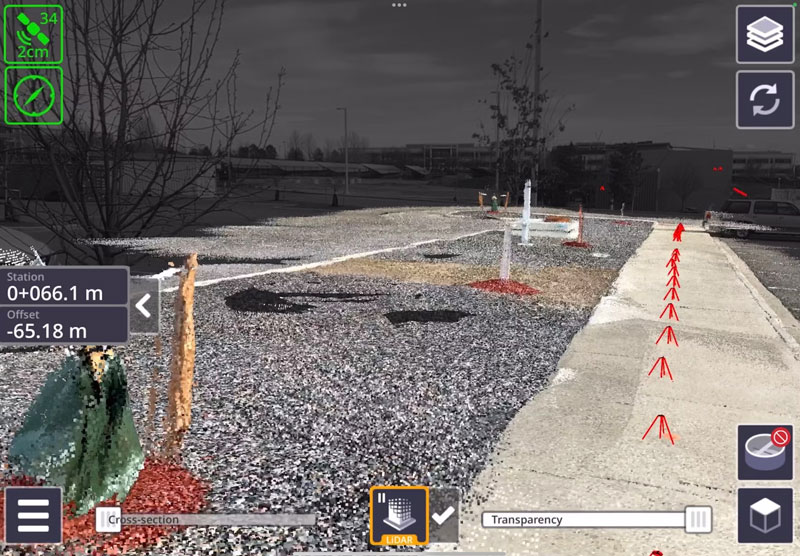
    Trimble SiteVision Software 5.0. (Image: Trimble)
    SiteVision Software 5.0. (Image: Trimble)

    SiteVision Software 5.0 is a high-accuracy outdoor augmented reality system, now with a 3D scan tool. The new 3D scan tool allows users to use lidar sensors available on some Apple Pro devices. The Trimble DA2 GNSS receiver is designed to capture point clouds efficiently and accurately with a single handheld solution.

    Users can visualize 3D scan data directly in the field with SiteVision’s augmented reality view. The software allows users to create as-builts of the job site on the go, measure and plan resource allocation, reduce scan times, supplement UAV data and more by combining scanning and precision in a mobile solution. The product aims to facilitate practical and accessible field-to-office workflows for surveyors, contractors and engineers.

    TDC6. (Image: Trimble)
    TDC6. (Image: Trimble)

    TDC6 is a handheld GNSS data collector designed for high-performance construction surveying.

    The device allows contractors to work with more complex data sets more effectively in the field, connect to the office for on-the-spot approvals, and quickly communicate changes to field crews.

    The small, rugged device offers integrated Wi-Fi and Bluetooth, built-in cameras and 5G compatibility in a lightweight, shock-, dust- and water-resistant package. The device integrates seamlessly with Trimble data collection applications, including Trimble TerraFlex GIS software and Trimble Access survey field software, as well as third-party apps such as Esri ArcGIS Field Maps.

    TDL450B radio. (Image: Trimble)
    TDL450B radio. (Image: Trimble)

    The TDL450B radio is a 450 MHz external radio with Bluetooth for transmitting, receiving and repeating GNSS corrections. It offers flexible configuration options and rugged reliability for efficient use of GNSS in various applications. Designed to support Trimble and third-party RTK base stations, this sophisticated radio modem puts Trimble’s newest data link technology in the hands of users on the job site. The TDL450B radio is an advanced, high-speed, wireless UGH data radio built to endure harsh conditions.


  • Trimble partners with IIT Kanpur to enhance UAV technology in India

    Trimble partners with IIT Kanpur to enhance UAV technology in India

    Image: Polina Shuvaeva/ iStock / Getty Images Plus/ Getty Images
    Image: Polina Shuvaeva/ iStock / Getty Images Plus/ Getty Images

    Trimble has begun collaborating with the Indian Institute of Technology in Kanpur (IIT Kanpur) to support a new UAV program offered by the Department of Aerospace Engineering.

    Under the partnership, Trimble will provide the institution with direct georeferencing (DG) products for UAV survey and mapping, including a suite of Applanix board sets and supporting processing software. Trimble will also provide training and support to educate the UAV engineering team on how best to integrate and use the products within their teaching curriculum.

    India is projected to be the fastest-growing UAV market by 2025, according to a recent report by PricewaterhouseCoopers.

    The collaboration is designed to help the country develop local expertise in using UAV georeferencing best practices while providing future generations with the knowledge and capabilities to work with the latest UAV technology.

    IIT Kanpur was declared an Institute of National Importance (INI) by the Government of India under the Institutes of Technology Act. With a dedicated program for UAV education, it receives government funding to develop UAV technology and build out labs to support student training and research. IIT Kanpur’s researchers are credited with creating the first solar-powered UAVs developed in India, named MARAAL-1 and MARAAL-2.

  • Joint venture promises to better serve farmers

    Joint venture promises to better serve farmers

    Trimble's WeedSeeker 2 automatic spot spray system uses advanced optics and processing power to detect and eliminate resistant weeds. (Image: Trimble)
    Trimble’s WeedSeeker 2 automatic spot spray system uses advanced optics and processing power to detect and eliminate resistant weeds. (Image: Trimble)

    In September 2023, Trimble announced an agreement to form a joint venture (JV) with AGCO “to better serve farmers with factory fit and aftermarket applications in the mixed fleet precision agriculture market.” I discussed the announcement with David Britton, vice president of product management, Trimble Agriculture.

    Your press release says “Trimble and AGCO’s shared vision is to create a global leader in mixed fleet, smart farming, and autonomy solutions.” What does mixed fleet mean in this context?

    That’s focused on the farmers’ ability to use any brand of tractor or implement together. As you can imagine, there are multiple OEMs in the market. One of the beliefs that Trimble’s had, and that AGCO shares, and why this JV makes sense, is that the farmers’ decisions around what technology they use and the way that their farms operate shouldn’t be inextricably tied to the brand of tractor that they use.

    So, they could use an AGCO tractor, but with a GNSS receiver that’s not from Trimble or vice versa?

    More so that on their farm they could have equipment from AGCO and other OEMs. In many cases, they’ll have more than one tractor and multiple different implements.

    Those machines can talk to each other and share the data.

    Ideally, yes.

    Image: Trimble
    Image: Trimble

    What will be the division of labor between Trimble and AGCO? How will the interface work?

    The JV will not be involved with any of the tractor manufacturing, which will stay within AGCO. We’re going to be focused on the precision ag technology that will go into the tractor, help manage the implements, and complete the work, as well as the data systems that underpin that.

    Currently, Trimble Ag has capabilities on embedded display software that are used to help manage activities in the field and steer the vehicle. We also have cloud software that allows farmers to manage their information and data and work with other people in their ecosystem, as well as many other things. That’s all going into the JV. Trimble will supply GNSS technology to the JV, which is a foundation to enable geolocating the information in the activities.

    Then you have JCA Industries [which AGCO acquired in 2022] that has been focused on implement control and autonomy. So, the two businesses are complementary. They are coming together to focus on higher technology components and then work with both AGCO as well as other manufacturers and the aftermarket to deliver smart farming and autonomy solutions into the farm to help farmers run their businesses and farms more efficiently.

    Tell me more about the aftermarket.

    One of the key things that we’ve seen historically, and we expect the trend to continue, is that you’ll see innovation happen in the aftermarket first, because it gives a chance to rapidly iterate and learn before you go through the process of putting it into the factory. We expect that we’ll have a very healthy aftermarket business, as well as a portion of the business where our technology will be factory-fit into machines from both AGCO and other manufacturers, because that’s been an important part of the Trimble business. Being able to work with other OEMs to provide important technologies will be a part of that story.

    Are you still expecting the deal to close in the first half of 2024?

    That’s still the target.

    Will the JV sell anything or will it be totally transparent to the user?

    The JV will have its own channel to the aftermarket, as well as people working with OEMs from a sales perspective. In terms of branding, that’s something that’s being evaluated right now. Ultimately, the JV will have a channel to the aftermarket and we also have our own relationships with OEMs through which we will continue to sell. So, the end customers should be aware that they’re purchasing technology that has been built by the JV.

    Under a name or branding that is still to be determined?

    Yes.

    Over time, the JV will become the main way for Trimble to sell its precision ag equipment.

    Correct. Trimble will go into the ag market primarily through the JV.

    Will Trimble also continue to sell to other OEMs other than AGCO?

    Trimble will sell ag equipment to other ag OEMs via the JV.

    Image: Trimble
    Image: Trimble

    Does that mean that AGCO, through the JV, will sell equipment to some of its competitors?

    My understanding is they already have businesses that do that currently. Their Precision Planting business works with other OEMs as well as other businesses that they’ve brought into the AGCO family. So, it’s not new for AGCO to have a part of the business that is selling to OEMs in some ways. Trimble has some experience with that as well.

    We recognize that it’ll be important for our customers to trust that their data is being managed appropriately. That said, it’s a great way for other OEMs to have access to scale. As we talk about what needs to happen for precision ag to realize the opportunity that comes with technology, scale is going to become increasingly important, which I think is a part of why this JV is so exciting for both Trimble and AGCO. Ultimately, it should be exciting for farmers as well because it’s going to create a very well scaled business that can help provide technology very effectively.

    Who will collect, aggregate, analyze, and control the data? How will farmers access it?

    We’ll continue to work with the end customers and to find ways that we can ensure that they have the right access to and ownership of their data, while also looking for ways that we can use anonymized data to enhance product functionality.

    Is that an opt in or an opt out?

    The JV’s policy on that has not been determined yet.

    For which crops or scenarios do you expect the greatest adoption of the JV’s technology?

    There are places where you see the adoption of precision ag technology more than others, in terms of larger scale farms and high value crops. Ultimately, we take pride in being a global business, which means that we’re thinking about all areas of the globe, as well as multiple crop types. So, every region has crops that are particularly important to it. We try very much to build solutions that fit those local markets, while also leveraging what we can from a scale perspective. There isn’t one particular crop type or one particular region that dominates our thinking at this point.

    Trimble has its RTX correction service. Does AGCO have its own?

    Trimble will keep RTX but also make it available to the JV and to AGCO, which does not have its own solution. So, RTX is a very good fit. That’s one of the benefits you see in the JV. We’ve already been working with them from an RTX perspective on receivers that we’ve provided. So, we’re more excited to continue that through the JV.

    Will the JV come up with any new tiers for corrections?

    The JV will work with Trimble to come up with what’s right for the market. As you’ve seen RTX evolve over the years, we’ll continue that process working with Trimble to figure out the right tiers and the right solution for what the farmers need.

  • GNSS in the field: Precision agriculture increases yields and reduces inputs

    GNSS in the field: Precision agriculture increases yields and reduces inputs

    Image: CHC Navigation
    Image: CHC Navigation

    Precision agriculture — which enables growers to reduce inputs of water, fertilizers and pesticides by matching them to variations in soil conditions, thereby reducing environmental impacts, increasing yields and productivity, and reducing fuel consumption — is a prime use case for global navigation satellite systems (GNSS). While the typical open sky conditions in the fields minimize concerns about signal occultation and multipath, the accuracy requirements for this practice, particularly for certain crops and planting techniques, can be very high. Challenges for receivers often include severe roll and pitch due to bumpy terrain, the requirement to maintain exact heading at very low speeds, and the need to receive corrections over very large areas.

    Precision agriculture began more than 30 years ago — GPS World published a few issues of a special supplement on the subject about 25 years ago — and now all tractors from major manufacturers come equipped with a GNSS-based guidance system. Adoption has increased hand-in-hand with improvements in enabling technologies. These include satellite-based and ground-based sensors, UAVs, geographic information systems (GIS), and a plethora of GNSS corrections services (see “Corrections Services Abound” in our January 2023 issue and “Understanding GNSS Correction Methods” on p. 28 of our January 2024 issue).

    In this cover story, we present three recent developments in precision agriculture. Click below to read more about:

  • Trimble, Sabanto enhance autonomous tractor performance

    Trimble, Sabanto enhance autonomous tractor performance

    Image: Trimble
    Image: Trimble

    Trimble and Sabanto have partnered to integrate Trimble’s BX992 dual antenna with Trimble CenterPoint RTX into Sabanto’s autonomous solutions.

    Farming requires a high level of uptime and reliability to avoid service disruption. By using Trimble’s BX992 GNSS receiver and satellite-delivered Trimble CenterPoint RTX corrections service, Sabanto’s autonomous solutions can now receive centimeter-level L-Band corrections across the globe. The integration aims to provide users with precise positioning, which can result in greater productivity, minimize downtime and alleviate workforce shortages through autonomous vehicles.

    In addition to RTX corrections, Trimble will offer correction stream-switching enabling farmers to automatically switch from IP to satellite seamlessly, to offer the best signal in a variety of environments.