Blog

  • Trimble, DroneDeploy collaborate on UAV mapping

    Trimble, DroneDeploy collaborate on UAV mapping

    Image: Trimble Applanix
    Image: Trimble Applanix

    Trimble has collaborated with DroneDeploy to integrate the Trimble Applanix POSPac Cloud post-processed kinematic (PPK) GNSS positioning service into DroneDeploy’s UAV mapping and data collection platform. The partnership aims to provide DroneDeploy users with centimeter-level accuracy and a more efficient workflow for reality capture projects.

    The integration uses Trimble  Applanix POSPac Cloud PPK service and CenterPoint RTX post-processing to achieve high-accuracy positioning based on dual-frequency observables logged by UAVs. The collaboration marks a significant advancement in drone mapping technology by eliminating the need for base stations and simplifying operational workflows.

    Trimble’s RTX services offer real-time and post-processed centimeter-level accuracy globally and provide corrections via satellite or cellular/IP. The technology is designed to streamline the mapping process for UAV operators by offering an automated setup, a fixed global datum and reduced field time.

    DroneDeploy’s platform, which is enhanced with Trimble’s Applanix POSPac Cloud PPK and RTX, aims to improve the accuracy of 3D reality capture models, opening up new possibilities for UAV operations in construction, topography and other industries.

  • Aerodyne Group promotes cross-border UAV delivery service

    Aerodyne Group promotes cross-border UAV delivery service

    Aerodyne Group, a UAV-based enterprise solutions provider, and Singapore-based DroneDash Technologies have partnered to initiate cross-border UAV delivery services. The collaboration is designed to advance logistics and supply chain capabilities between Malaysia and Singapore and enhance operational efficiency by offering a delivery solution that is five times faster than traditional sea freight.

    Under the partnership, UAVs will navigate through regulatory landscapes to secure necessary permits for establishing shore-to-shore operations along the Malaysia-Singapore corridor. The initiative focuses on safe navigation through congested maritime and aerial paths by offering a navigation system supported by satellite communications and 5G roaming.

    Commercial operations are expected to begin in the third quarter of 2024 with UAVs capable of carrying up to 30 kg, reaching speeds of 150 km/h within a four-hour flight span.

    The service is designed for critical deliveries such as urgent documents, high-value electronics, medical supplies and perishable foods. The UAV has features to enhance cross-border logistics, including real-time tracking and advanced security protocols, including 256-bit encryption and blockchain technology for logistical oversight.

  • Tough Times for Russian Navigation System

    Tough Times for Russian Navigation System

    The Russian satellite navigation system is experiencing tough times as Western sanctions and Russia’s ever-growing international isolation seriously complicate its further development.

    Prior to Feb. 24, 2022, when Russia invaded Ukraine, Russia’s navigation sector was developing well and had a healthy growth rate, which is reflected by the steady growth and improved performance of its satellite constellations. However, the start of Russia’s war with Ukraine and the consequent international sanctions regime against Russia has put an end to the hopes for further development of the sector and especially of its flagship GLONASS global navigation satellite system (GNSS).

    As for GLONASS, as academician Nikolai Testoedov, general designer of JSC Information Satellite Systems Reshetnev, one of Russia’s leading satellite manufacturing companies, said during a general meeting of the Russian Academy of Sciences, the main problem is that Western sanctions do not allow Russia to bring its positioning accuracy to the desired 30 cm or at least 50 cm.

    According to Testoedov, the main reasons for this are serious problems with the supplies of electronic components, most of which Russia traditionally imported. “Until 2014, when the first sanction restrictions were introduced, the share of imports in Russia’s entire satellite constellations reached 42%,” Testoedov said. “Currently we implement a strategy of import substitution in the sector, which is designed until 2030 and involves a transition to 100% domestic products. As of 2014, we had 6,000 electronic components of foreign origin. Since 2014, a lot of work has been done to combine various equipment. Now, it is used in Russia’s satellite constellations.”

    It has already brought some results. According to Ivan Revnivyh, head of the GLONASS department of the Russian space corporation Roscosmos, thanks to the new satellites that have been launched in recent years, the accuracy of GLONASS civil signals has increased up to 1.32 meters. According to Revnivyh, Russia plans to continue work in this direction as part of its existing federal project “Maintenance, development and use of the GLONASS system,” which intends to increase the accuracy of the signals up to 0.3 m.

    Russia plans to continue to improve GLONASS’s accuracy until it matches that of other GNSS and meets International Civil Aviation Organization (ICAO) requirements.

    “When landing a civil aircraft at unequipped airfields,” Testoedov said, “the signal should arrive with a delay of no more than 6 seconds, with an accuracy of no worse than half a meter.”

    Despite the sanctions, Russia plans to continue to develop GLONASS. As part of these plans, starting from 2025, it plans to launch modernized GLONASS-K2 satellites in an import-substituted and multifunctional version. Thanks to this, the signal will be 100 times more powerful than the standard one. That will be primarily achieved by using dedicated navigation satellites weighing about 1 ton.

    After 2030, Russia also plans to place six satellites in geosynchronous orbits (about 36,000 km), which will increase the availability of the signal in Russian cities and difficult terrains.

    There are also plans to create a constellation of 300 satellites in low-Earth-orbit (LEO) at an altitude of 500 to 100 km. They are expected to increase the strength Russian satellite signals by more than 1,000 times.

    In recent years, Russia has faced restrictive policies implemented by various international bodies, including the International Bureau of Weights and Measures and the International Association of Geodesy. According to Russian experts, many of these bodies are currently taking discriminatory measures against Russian systems and technologies.

    In this regard, Russia plans to propose to the countries members of BRICS — an intergovernmental organization comprising Brazil, Russia, India, China, South Africa, Egypt, Ethiopia, Iran and the United Arab Emirates — to design products and systems whose characteristics will be comparable to those of Western origin. According to Reshetnev Systems’ experts, however, this could improve results — mainly, accuracy — by only 20 percent, which would not be critical for Russia.

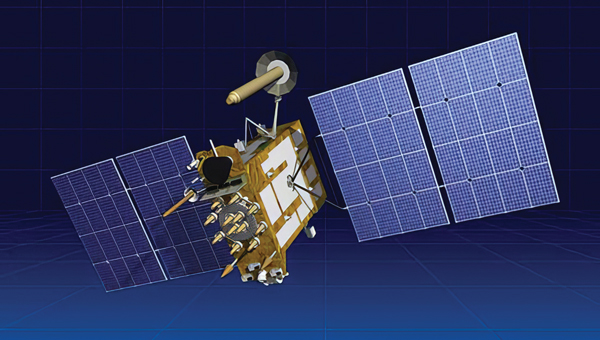
    GLONASS, which first achieved a full constellation of 24 satellites in 1995, currently consists of 24 satellites of three types: GLONASS-M, which has been produced since 2003, GLONASS-K which has been produced since 2011, and two GLONASS-K2, which Russia launched in 2023. All the satellites are part of the Cospas-Sarsat system.

    Despite the fact that the life expectancy for most Russian GLONASS satellites is seven to 10 years, many of them, according to Testoedov, are already more than twice as old. Russia plans to replace at least six GLONASS satellites within the next two to three years. In the first years of launching the constellation, Roscosmos usually launched nine satellites into orbit at once; currently, it is launching only one or two at a time.

    Still, it is possible that these rates will increase significantly, as by 2030 Russia plans to increase its constellation of satellites by up to 1,000 satellites. For this purpose, the country plans to produce 200-250 satellites per year.

    According to the head of Roscosmos, Yury Borisov, space industry enterprises should produce one satellite per day by 2030. According to him, the Russian Federation is ready to learn from the experience of other countries in this area, such as China.

  • Inertial Labs, E38 collaborate for UAV-lidar integration

    Inertial Labs, E38 collaborate for UAV-lidar integration

    Image: Inertial Labs
    Image: Inertial Labs

    Inertial Labs has entered a strategic partnership with E38 to integrate Inertial Labs’ RESEPI lidar payload into E38’s advanced E455 UAV. The technology is ideal for professional surveying, mapping and inspection services.

    RESEPI is a sensor-fusion platform designed for accuracy-focused remote sensing applications. It leverages a high-performance Inertial Labs inertial navigation system (INS) and a high-accuracy single or dual-antenna GNSS receiver integrated with a Linux-based processing core and data-logging software. The lidar system will seamlessly integrate with the E455 drone, which aims to improve its capabilities to capture high-resolution, 3D spatial data across various environments. The technology can be used in construction, agriculture and environmental monitoring by offering detailed and accurate data.

    The E455 is a fixed-wing vertical takeoff and landing (VTOL) UAV designed to operate on battery power with a maximum takeoff weight of up to 29.5 kg. It features a removable payload bay with an open architecture at the center of gravity to provide maximum utility and flexibility for a variety of mission requirements. Capable of flying for over two hours or carrying payloads of almost 7 kg, the E455 is ideal for extensive surveying and mapping missions with the integrated RESEPI Payload Lidar system.

    Combining the E455 drone’s robust flight capabilities with the high-precision lidar technology of the RESEPI payload will enable users to gather detailed topographic data in challenging terrains and under diverse conditions.

  • Mosaic, Movella improve mobile mapping and geospatial analysis

    Mosaic, Movella improve mobile mapping and geospatial analysis

    Image: Mosaic/ Movella
    Image: Mosaic/ Movella

    Mosaic and Movella have collaborated to combine the Mosaic 51 and Mosaic X camera systems with Movella’s Xsens Vision Navigator (XVN). The collaboration aims to bolster GIS platform integration and allow for extensive and precise 3D reconstruction. It uses inertial measuring unit (IMU) data generated by XVN and directly connects to the OBD port. The integration is ideal for precise mapping and surveying applications.

    The XVN, which is fully integrated with Mosaic cameras, offers centimeter-level accuracy using real-time kinematic (RTK) and incorporates orientation information to eliminate the need for additional post-processing steps to achieve precise positioning. The seamless georeferencing of stitched images, including the embedding of orientation data, is automatically executed as part of the stitching process.

    The Mosaic 51 system can capture up to 12K resolution in challenging environments. The Mosaic X extends these capabilities and integrates seamlessly with photogrammetry technologies for comprehensive mobile mapping.

    Movella’s Vision Navigator stands out as a dual RTK GNSS/INS and vision-enabled navigation unit, adept at tracking accurate 3D position, velocity and orientation in challenging outdoor and GNSS-denied environments. The solution is supported by innovative Visual Inertial Odometry technology.

  • In the Field: Help survey monuments complement GNSS

    In the Field: Help survey monuments complement GNSS


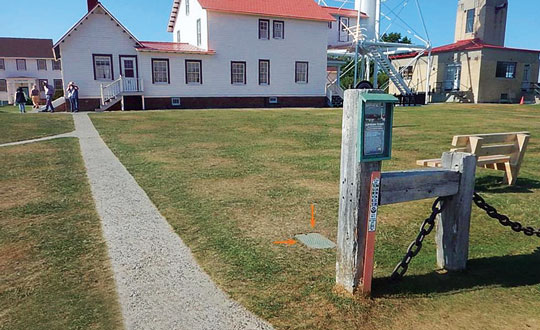
    Figure 1: Utility access box installed over CORS reference mark Whitefish Pt A (NGS PID AA8050) at USCG lighthouse. (Photo: Jeff Olsen)
    Figure 1: Utility access box installed over CORS reference mark Whitefish Pt A (NGS PID AA8050) at USCG lighthouse. (Photo: Jeff Olsen)

    GNSS users who appreciate that physical monuments can provide verification of GNSS observations can do four things to preserve those monuments and make them more accessible. References below are to U.S. national agencies, but most countries have equivalent agencies.

    1. Install a valve box over each buried control point recovered or set, whether the point is for boundary or geodetic surveying. Include National Geodetic Survey (NGS) deep-rod marks that have a buried logo cap.
    2. Advocate with the Secretary of the Interior and United States Geological Survey (USGS) director that USGS scan its paper geodetic data sheets and post the scanned pdf files online.
    3. Adopt the geodetic marks in your area. Visit them. Keep them free of brush or other blockages. Maintain descriptions and photos up to date by submitting recovery notes to NGS as needed. Participate in the NGS GPS on Benchmarks program.
    4. Consider recovering all the marks in an NGS level line. Alternatively, all the USGS marks in a 15’ quadrangle, the geographic unit USGS uses to publish its geodetic data.
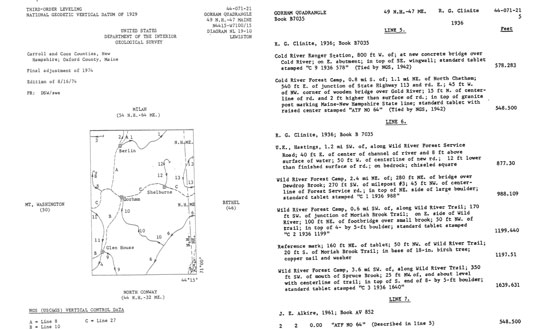
    Figure 2: Example of USGS vertical data published by 15’ quadrangle.
    Figure 2: Example of USGS vertical data published by 15’ quadrangle.

    Regarding the first of these actions, a valve box is a utility standard. It identifies to non-surveyors that there is something under the box to which one should pay attention, thus increasing the mark’s chances of survival.

    The box lid is generally obvious, eliminating or at least reducing the search time for surveyors, who only need to walk up to the box.

    It replaces the soil that previously covered the mark, reducing excavation time. A surveyor only needs to open the lid and brush off the mark. Rectangular and round boxes in several sizes are available to accommodate different-sized monuments. While the time and materials to install a box may be an overhead cost to your company, it is well worth the investment.

    Regarding the second of these actions, the positions and heights published for most USGS control marks are based on superseded datums. However, that old data can be useful for evaluating trends. The marks are usually stable and can be reused in new projects.

    While NGS has observed some of these marks and published datasheets for them, they are by far the minority of all the USGS marks in the country.

    There are thousands of these sheets, 50 shelf-feet of them, organized by 15’ quad. Some sheets, mainly in the East, have been scanned and put online by various state agencies or utility companies. The USGS Rolla office has scanned most of the eastern states but has not posted the files online.

    Generally, a request for USGS geodetic data turns into a request for paper sheets, such as those shown in Figure 2, to be scanned and emailed. Putting them online would preserve this record of what it took to survey and map our country, allowing the marks to be tied into new control surveys.

  • Launchpad: Lidar systems, PNT platforms and UAVs

    Launchpad: Lidar systems, PNT platforms and UAVs

    A roundup of recent products in the GNSS and inertial positioning industry from the February 2024 issue of GPS World magazine.


    SURVEYING & MAPPING
    ComNav Technology

    Handheld GIS Data Collection Solution
    For outdoor operations

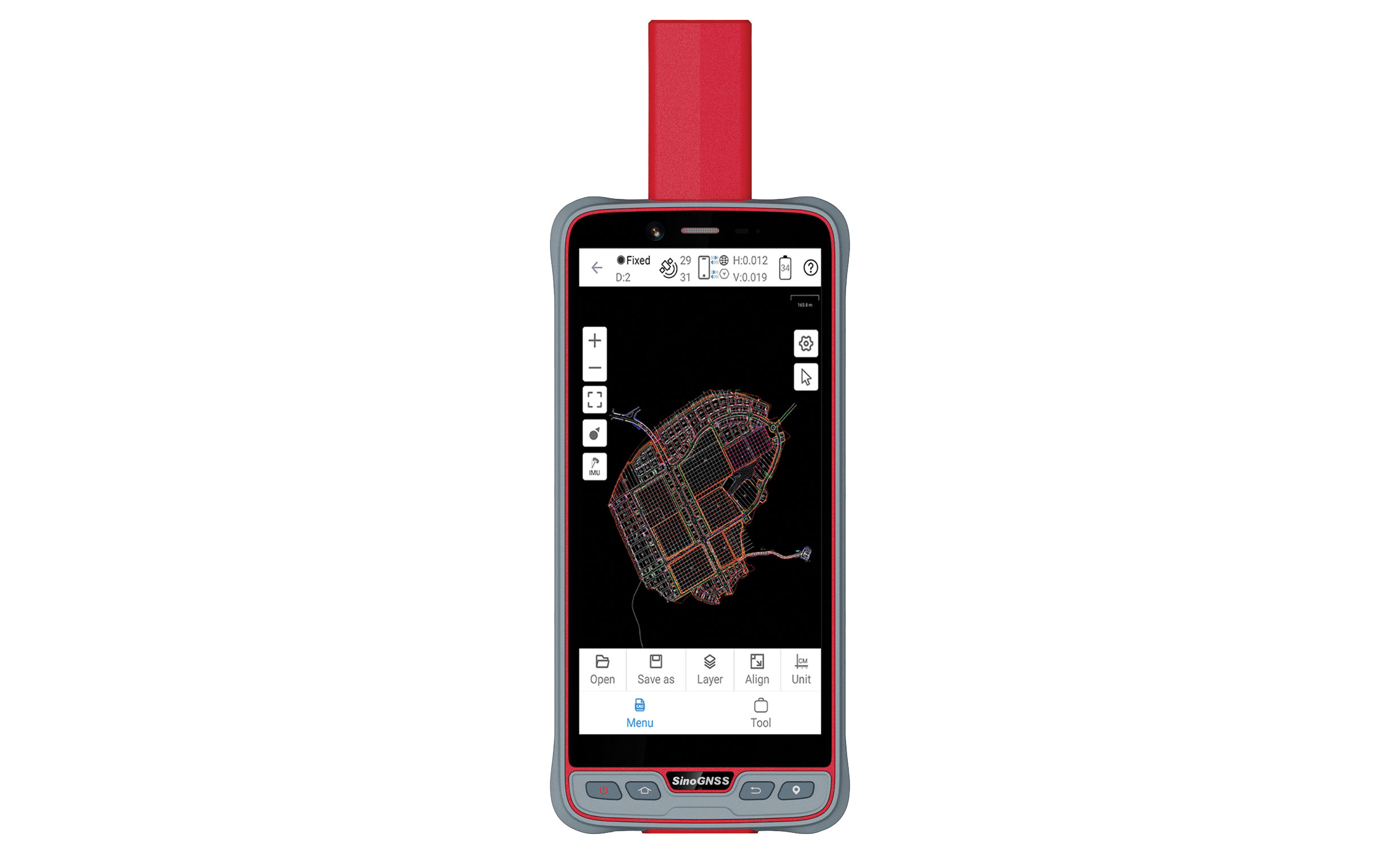
    The handheld P6H solution is designed for GIS data collection and outdoor operations. Featuring a GNSS high-precision positioning module, rugged IP67-rated design, and 6-inch sunlight-readable display, the P6H offers positioning accuracy in harsh environments.
    Equipped with a SinoGNSS self-developed high-precision K8 board and antenna, it can track all running and planned constellations with 1,590 channels, including GPS, BeiDou, GLONASS, Galileo, QZAA, IRNSS, and SBAS.

    The P6H offers users centimeter- or decimeter-level accuracy. Its IP67 rating protects against dust and water to enhance its efficiency and durability in tough environments.

    The device comes equipped with Survey Master and robust GIS functions, which allow users to take measurements of geographic elements and store the results as attribute data for subsequent analysis, calculation, and visualization. It also includes a mock location function for users to accurately share Survey Master’s position with P6H. The location data can then be accessed on a third-party GIS software.

    It is also compatible with common GIS software such as ArcGIS Collector, Mapit GIS, and QGIS. Additionally, the P6H features an 8-core 2.0 GHz processor, up to 128 GB of storage and up to 6 GB of RAM to offer users smooth software operation and efficient data processing.

    PH6, which features a high-precision GNSS module and antenna, also incorporates 4G LTE, Wi-Fi, and Bluetooth to improve its data transmission and sharing capabilities.

    ComNav Technology, comnavtech.com
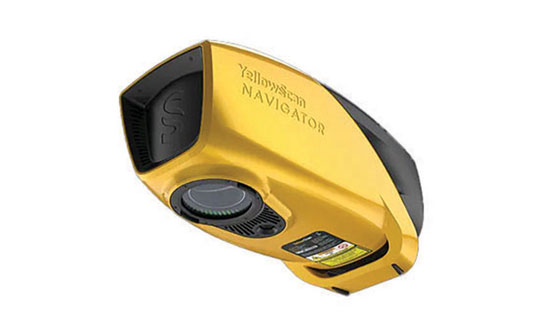
    YellowScan

    Bathymetric Lidar System
    Maps underwater topography

    YellowScan Navigator is a bathymetric lidar system designed for surveyors to map underwater topography in rivers, ponds, and coastal areas.

    The system features a laser scanner developed in-house over the course of five years and has been heavily tested to achieve optimal performance. The compact system can map waterbeds with a depth of up to 3 m and can reach a depth of 18 m in perfectly clear water conditions, according to the company. It can be flown up to 100 m above the water surface and provides measurements with an accuracy of 3 cm. Additionally, a camera is embedded for true-color data visualization.

    YellowScan, yellowscan.com
    DJI

    3D Model Editing Software
    For aerial surveying, transportation, and emergency responses

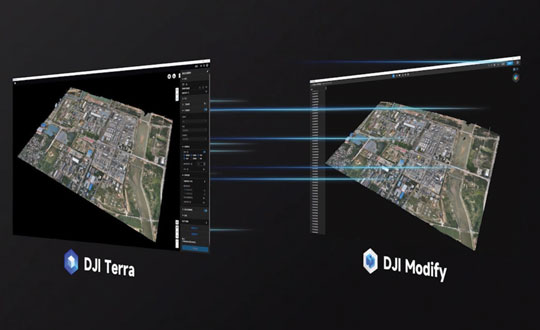
    DJI Modify is an intelligent 3D model editing software. It can be seamlessly integrated with DJI’s enterprise UAVs and 3D modeling and mapping software, DJI Terra. When integrated with these products, the software can be used for aerial surveying, transportation, and emergency responses.

    DJI Modify paired with DJI Terra offers users an end-to-end solution from modeling to model editing. Once DJI Modify has been enabled, DJI Terra files for model editing are automatically generated, including pre-identified objects and pre-processing of the model. It is designed to make repairing common 3D model defects seamless and efficient. As of early 2024, DJI Modify will only support repairing models built by DJI Terra.

    DJI Modify allows for model files to be quickly imported and exported to the DJI Terra and other third-party software. Its intelligent auto-repair editing supports flattening, editing textures, repairing water surfaces, removing floating parts, and filling holes. Edits can be made using one-click repairs or manually by selecting custom polygons, areas or meshes.

    The software’s smoother model display technology allows high- and low-quality models to be viewed and edited in a single interface. Changes made can be synchronized across both models and previewed immediately, which allows users to address model editing issues in real-time.

    DJI, store.dji.com


    OEM
    Oxford Technical Solutions (OxTS)

    GNSS/IMU
    Uninterrupted position, orientation, and dynamics

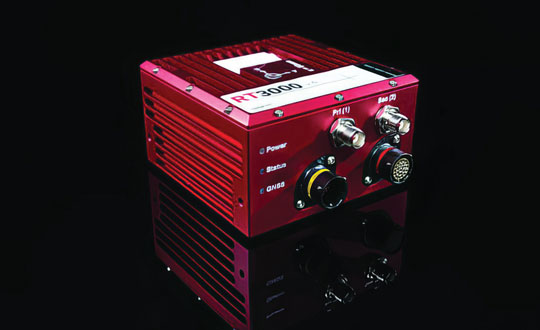
    RT3000 v4 GNSS inertial measurement unit (IMU) combines two survey-grade GNSS receivers with OxTS’ IMU10 inertial technology. The RT3000 v4 offers uninterrupted position, orientation and dynamics in challenging environments.

    The IMU will reach the desired specification within three minutes of low dynamic movements, which reduces the time and space required for high dynamic maneuvers before each data collection.

    Users can customize the INS with optional features and software integrations to create the ideal INS for individualized projects, including lidar surveying and mapping or positioning in GNSS-denied or challenged environments.

    Oxford Technical Solutions (OxTS), oxts.com
    SiLC Technologies

    Precision Lidar Technology
    Provides vision capabilities in challenging environments

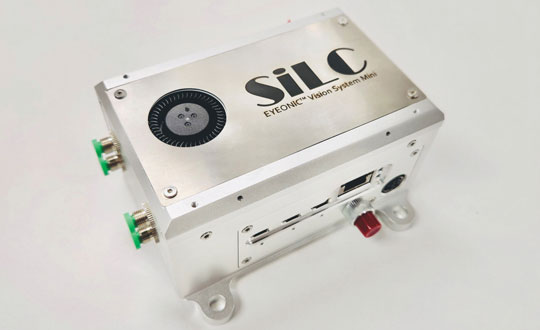
    The Eyeonic Vision System Mini (Eyeonic Mini) supports sub-millimeter resolution in a reduced size. The system integrates a full multi-channel FMCW lidar on a single silicone photonic chip and an integrated FMCW lidar system-on-chip (SoC).

    The Eyeonic Vision Chip combines crucial photonics functions into a coherent vision sensor. The system’s accuracy stems from a 4-channel FMCW LiDAR chip — supported by Indie Semiconductor Surya SoC technology — to provide robots with sub-millimeter depth precision from distances exceeding 10 m.

    The technology offers enhanced precision and can be used in automation, including warehouse logistics and artificial intelligence (AI) machine vision applications. Palletizing robots equipped with the Eyeonic Mini can view and interact with pallets, which aims to optimize package placement and truck loading with greater efficiency and safety.

    SiLC Technologies, silc.com
    SiTime Corporation

    PNT Platform
    Used in critical defense operations

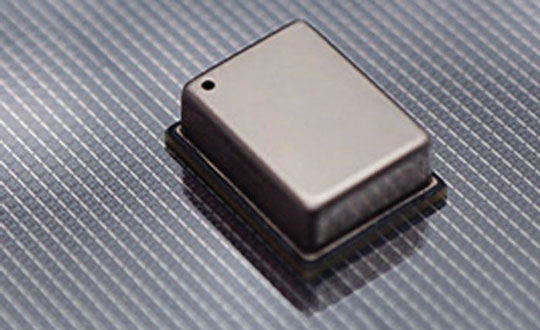
    The Endura Epoch Platform provides robust and resilient positioning, navigation, and timing (PNT) services critical in defense operations.
    The MEMS oven-controlled oscillator (OCXO) can boost the resilience of PNT systems and other equipment, including radars, field and airborne radios, satcom terminals, and avionics against spoofing, jamming and other disruptions in GPS signals.

    Based on the Epoch Platform, the Endura Epoch MEMS OCXOs are designed to meet the challenging shock and vibration conditions found in aerospace and defense. These devices are manufactured using semiconductor processes that deliver the reliability and quality expected from silicon devices. The same level of reliability cannot be achieved by quartz crystal OCXOs, specifically in extreme conditions.

    The Endura Epoch MEMS OCXOs, compared to quartz crystal OCXOs, includes various features and benefits, including programmable frequencies from 10 to 220 MHz; a 20,000 g shock survivability rating; up to 20 times better frequency stability over temperature; up to three times better Allan deviation, a measure of short-term frequency stability; surface-mountable, small footprint and low height 9.0 x 7.0 x 3.6 mm; low weight of 0.35 g; 420 mW steady state power.

    SiTime Corporation, sitime.com
    Murata

    IMU
    With an XYZ-axis gyroscope and accelerometer

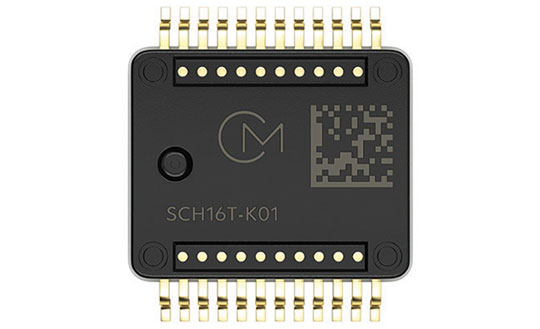
    The SCH16T-K01 is an inertial measurement unit (IMU) featuring a XYZ-axis gyroscope and a XYZ-axis accelerometer, for a total of six degrees of freedom.

    The SCH16T-K01 includes a sophisticated gyro with typical bias instability of 0.5 dph and up to 0.3 mdps/√Hz noise density. The accelerometer has a dynamic range of up to 26 g, which provides resistance against saturation and vibration.

    The component’s output is internally cross-axis compensated, which eliminates the need for extensive calibration. Through the integration of these features, the SCH16T-K01 can deliver accurate measurements in machine control and guidance without field calibrations.

    It is suited for industrial applications such as construction and agricultural machines, material handling equipment, marine instrumentation, robotics, and UAVs.

    Murata, murata.com

    ANELLO Photonics

    3-Axis Optical Gyroscope IMU
    For GPS-denied environments

    The ANELLO X3, a 3-axis optical gyroscope inertial measurement unit (IMU), is designed for GPS-denied and challenging environments.

    The IMU leverages ANELLO SiPhOG (Silicon Photonics Optical Gyroscope) technology and serves as a light, low-power tri-axial optical gyroscope offering high accuracy, performance, and reliability for autonomous applications.

    The ANELLO X3 can be used in a variety of applications, including autonomous commercial and defense applications involving robots, UAVs, electric vertical take-off and landing (eVTOL) aircraft and various maritime and land vehicle applications, including high-accuracy surveying and mapping.

    ANELLO Photonics, anellophotonics.com


    MOBILE
    Septentrio

    Smart Antenna
    Centimeter-level RTK positioning

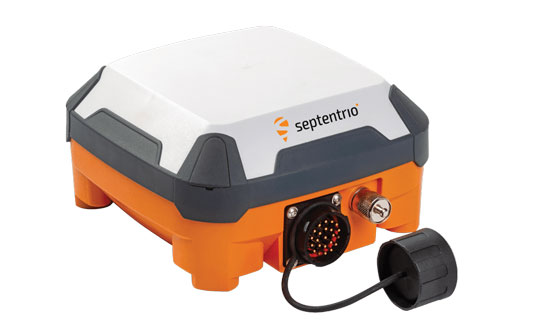
    The AntaRx smart antenna is designed for machine automation and control in construction, precision agriculture, and logistics. It is enclosed in a rugged and compact housing for simplified installation and can handle high levels of shocks and vibrations, making it ideal for harsh industrial environments such as construction and mining.

    The multi-frequency receiver offers centimeter-level real-time kinematic (RTK) positioning and can be used in inertial navigation system (INS) integration, dual antenna mode, and 4G cellular communication. It is available in several configurations, including as a GNSS smart antenna or a GNSS/INS smart antenna system and can be integrated as an inertial measurement unit (IMU).

    The receiver technology integrates the company’s GNSS+ algorithms, including advanced multipath mitigation, which offers uninterrupted operation in challenging conditions such as near high structures or machinery.

    Septentrio, septentrio.com
    SatLab Geosolutions

    Handheld Scanner
    With SLAM technology

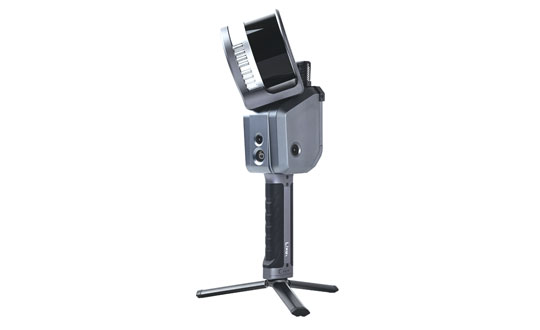
    The Lixel X1 is a powerful 3D scanner that combines lidar, visible-light and motion cameras, and high-precision inertial sensing using SatLab’s simultaneous localization and mapping (SLAM) technology.

    Data and scene reconstruction can be previewed in real time and can be exported immediately after scanning without the need for post-processing, which aims to simplify workflows and enhance efficiency.

    The system enables scans to be resumed from breakpoints, which allows surveys to be broken up into convenient segments. It provides up to 60 minutes of continuous operation and can be easily mounted to UAVs and other mobile mapping platforms.

    SatLab Geosolutions, satlab.com
    Antenova

    Ceramic Antenna
    For connectivity on L1 GNSS signals

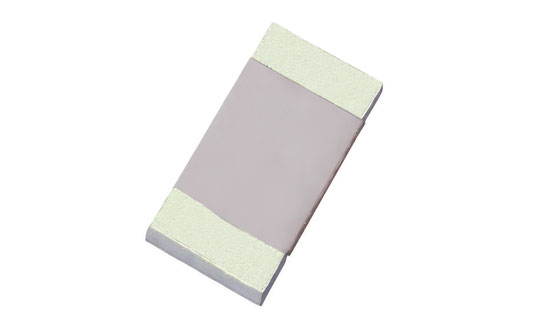
    Admotus is a surface-mount ceramic antenna designed for connectivity on L1 GNSS signals on all constellations, including GPS-L1 at 1575.42 MHz; GLONASS L1, 1602MHz; Galileo L1, 1575.42 MHz; BeiDou (B1); and QZSS. It offers comparable performance to a small patch antenna on a small ground plane.

    The ceramic antenna has an ultra-low profile measuring a mere 1.0 x 0.5 x 0.5 mm, requires 7 x 15 mm clearance area and offers improved performance on small PCB sizes.

    Admotus offers a peak gain of 0.9 dBi with an average gain of –2.6 dB and offers maximum return loss of –11.5 dB and a maximum VSWR of 1.8:1. A companion evaluation PCB is also available for internal analysis.

    It is suitable for all GNSS positioning applications in the L1 band (1559 – 1609 MHz) such as wearable devices for fitness and medical monitoring, small portable tracking devices used to track keys, pets, bikes, UAVs, agricultural robotics, and telematics devices.

    Antenova, antenova.com
    Juniper Systems

    Rugged Tablet
    For mobile field workers

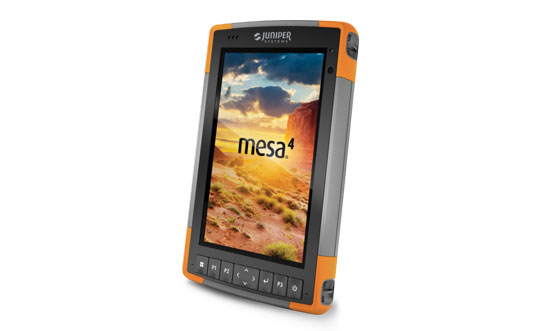
    The Mesa 4 Rugged Tablet features a 7-inch display and runs on Windows 11. It is designed to provide powerful rugged computing and data collection to mobile field workers.

    The Mesa 4 comes with a new Intel N200 processor. It offers up to three times the CPU performance of the Mesa 3 and has an increased RAM size and speed to enhance its processing power. Mesa 4 has an IP68 rating, MIL-STD-810H certification and ergonomic design for all-day carrying.

    Juniper Systems, junipersys.com


    UAV
    RuggON

    UAV Ground Control System
    On an 8-inch rugged tablet

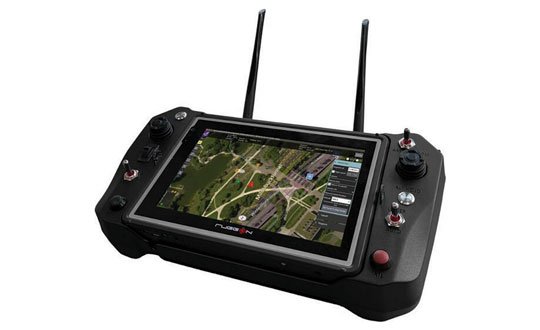
    The Ground Control System (GCS) for UAVs is centered around RuggON’s LUNA 3 8-inch rugged tablet. It is designed to provide real-time control, telemetry, and satellite positioning for connected UAVs.

    GCS is designed to provide users more control over a variety of UAVs by using the LUNA 3 rugged tablet, which has a large and high-definition screen to provide video feedback during operations. The system is also certified to provide GNSS positioning and tracking services.

    Featuring a low-latency video software decoder, GCS allows for real-time high-resolution video viewing and data collection. Engineered to withstand dust, shock, and water, the control system can withstand challenging environments.

    The LUNA 3 8-inch rugged tablet stands as a powerful and efficient model within its class, powered by an Intel Core i5 processor (1145G7E) with Intel Iris Xe graphics and the Windows operating system. Its sunlight-readable display supports night and stealth modes, which is cruicial for law enforcement and military applications. The tablet offers touchscreen functionality for enhanced operator convenience, complemented by ethernet and optional Wi-Fi 6, and 4G LTE connectivity.

    RuggON, rugon.com
    Aeromao

    VTOSL
    Bridging the gap between land and sea

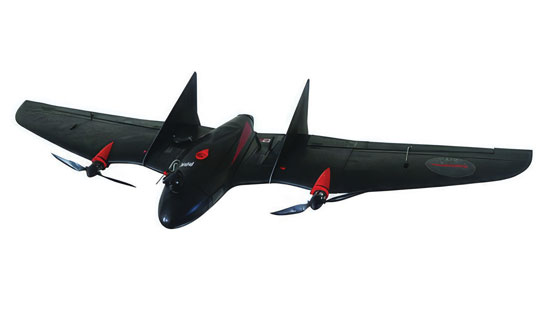
    The VT-Naut, vertical takeoff and short landing (VTOSL) is a versatile aerial solution designed for a variety of applications, including high-precision mapping and surveying for inspection, scouting, observation, and agriculture.

    The VT-Naut can land on water, which makes it ideal for shipboard or coastal operations, and opens new ways for users to collect and observe data. It has a long-range telemetry link of 30 km and a flight endurance of up to 90 minutes. Its compact and robust body design provides durability and resilience in harsh environments.

    The VT-Naut UAV system offers a cost-effective alternative to full VTOL platforms, particularly for users who require extensive surveying capabilities and have some flexibility in landing site selection. The system eliminates the extra costs associated with acquiring and operating a VTOL multirotor drone.

    Aeromao, aeromao.com
    Nearthlab

    Folding UAV
    For challenging environments

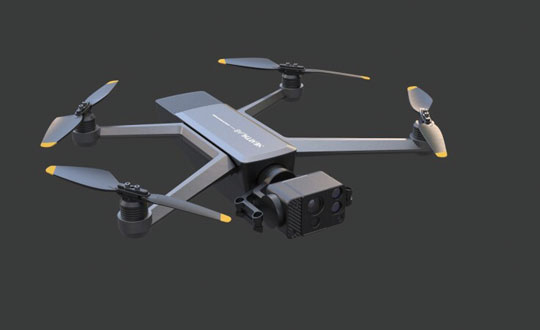
    The AIDrone UAV is designed for a variety of applications, from infrastructure inspections and renewables to defense and public safety.
    The UAV features a high-performance payload, fitted with a 64MP EO/IR camera mounted on a dual-axis gimbal that can support vertical rotation of up to 200°. AIDrone can spot millimeter-sized cracks and detect subtle temperature changes in challenging environments.

    AIDrone uses Nearthlab’s vision-based autonomous flight technology to operate autonomously — in zero-light and GPS-denied environments — both indoors and outdoors.

    It weighs around 4 lbs and has a foldable structure. AIDrone is designed for intelligence, surveillance, and reconnaissance (ISR) purposes, which makes it ideal for crisis management scenarios such as wildfire response and law enforcement.

    Nearthlab, nearthlab.com
    Krattworks

    ISR UAV
    With jamming resistant-radio

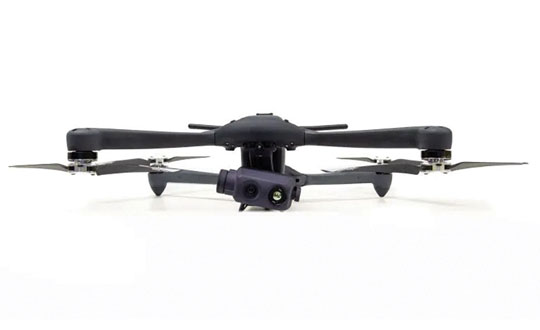
    The Ghost Dragon intelligence, surveillance, and reconnaissance (ISR) UAV offers higher resistance against jamming and spoofing. The UAV is equipped with a thermal and visual light camera and jamming-resistant radio. Its wide frequency hopping radio is used to provide a jamming-resistant video and telemetry link, which makes it difficult to detect the UAV and interfere with the mission.

    The Ghost Dragon ISR uses a dual-band GNSS module that operates on both L1 and L5 bands, which allows for flight operations even in challenging environments. The UAV can operate in radio silence mode in the presence of GNSS and store reconnaissance data on an encrypted SD card to view after the UAV has landed. The video and target location information streamed to the operator is also georeferenced.

    The UAV can be redirected, flown back to base, or handed to another operator at a different ground control station at any time.

    Krattworks, krattworks.com
  • Innovation Insights: What is a CubeSat?

    Innovation Insights: What is a CubeSat?

    Innovation Insights with Richard Langley
    Innovation Insights with Richard Langley

    This is an introduction to the February 2024 Innovation article,GNSS Timing Measurements from a Low-Earth Orbiting Satellite.


    In 1999, professors Jordi Puig-Suari at California Polytechnic State University and Bob Twiggs at Stanford University proposed a design for a miniaturized satellite that would allow students to more easily develop the skills necessary for the design, construction, testing and operation of satellites in low-Earth orbit (LEO). These nanosatellites would be built using standardized modules with a useful volume of 10 × 10 × 10 centimeters (hence the designation cube satellite or CubeSat) with a maximum mass of 2 kilograms. Apparently, the inspiration for the design came from the plastic box used to display “Beanie Babies,” a line of small stuffed toys. While a CubeSat can be constructed using one module or unit, termed a 1U design, modules can be stacked together to form sizes of 2U, 3U and so on.

    Initially just a suggested form factor, the design was widely adopted by nanosatellite developers and in 2017 the International Organization for Standardization published the ISO 17770:2017 standard to formally define the physical, mechanical, electrical and operational requirements of CubeSats.

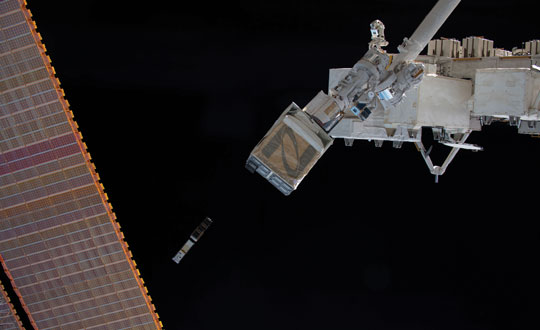
    While some CubeSats have been launched as secondary payloads on launch vehicles, many have been released into space having been first launched to the International Space Station (ISS) in a cargo resupply vehicle. For example, Nanoracks developed a CubeSat deployer that can house multiple CubeSats. Once on the ISS, the deployer is positioned so that when its forward-facing door is opened, a spring at the back of the deployer pushes the CubeSats into space.

    As of January 1, 2024, 2,323 CubeSats have been launched according to a nanosatellite database. Some of these satellites demonstrated new space technologies while others were science investigation missions to study Earth’s atmosphere or space weather or astronomical objects or other satellites. Many of these CubeSats, if not most, have been built by universities from around the world. In fact, various space agencies have programs to support the development and launch of CubeSats by students, such as NASA’s CubeSat Launch Initiative and the Canadian Space Agency’s Canadian CubeSat Project (CCP). As most CubeSats go into LEO, a lot of them have already deorbited. However, while in space, they provided a wealth of data of various kinds and many of the accumulated datasets are still being mined for new results. A nice example of such a dataset is that provided by Bobcat-1, a 3U CubeSat developed by Ohio University. Its mission, in addition to training students in aerospace technologies, was primarily to assess the feasibility of monitoring the time offsets between different GNSS, but also GNSS spectrum monitoring and testing a software-defined GNSS receiver. In this quarter’s “Innovation” column, authors from the Bobcat-1 team discuss some of their work on Galileo-to-GPS system time offsets. Go Bobcats!

  • Aligning the trades: GNSS for architecture, engineering and construction

    Aligning the trades: GNSS for architecture, engineering and construction

    Surveyors for architecture, engineering, and construction projects require GNSS receivers that have high accuracy and are rugged enough to survive the dust, water, and inevitable drops that they will endure at construction sites. They also need to be able to easily share data with architects, engineers, planners, and tradespeople, both at the sites and at the office.

    Photo: Juniper Systems
    Photo: Juniper Systems

    Juniper Systems, which has more than 30 years of experience in mapping and data collection in a wide variety of applications across industries, recently released a real time-kinematics (RTK) activation for its Geode GNSS receiver that allows mapping accuracy down to a centimeter. Pairing a Geode with the company’s Uinta mapping and data collection software and a Mesa rugged tablet makes it easy for users to share their data — such as the locations of fiberoptic telecommunication lines or of utility manhole covers — with other people working on site or at the office. The Geode and the Mesa meet IP68 protection certification for water and dust ingress; they also have MIL-STD-810G certification against drops, vibration, and extreme temperatures.

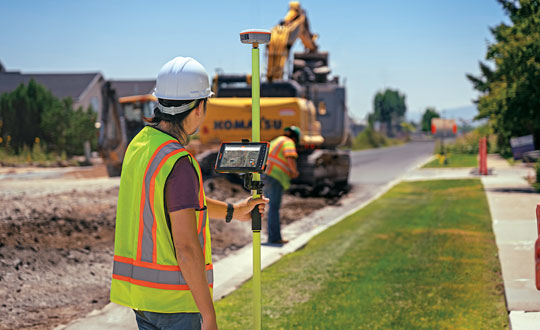
    In this month’s cover image, the Geode is at the top of the survey pole, the Mesa Rugged Tablet is mounted near the user’s hand, and the screen on the Mesa depicts the Uinta mapping software.

    On construction sites, surveying is an ongoing process. Surveyors are the first on the site, before any other work begins, and the last ones there, to map the project “as built.” Total stations with GNSS receivers, as well as tablets and other mobile digital devices are their essential tools, increasingly complemented by unmanned aerial vehicles (UAV) and lidar scanners. Accuracy is their key contribution. In this month’s cover story on GNSS for architecture, engineering, and construction (AEC), we highlight three building projects: a skyscraper in Sweden, a highway in China, and a luxury resort in the Caribbean.

    Check out these perspectives on architecture, engineering and construction:

    ComNav Technology: Building Sweden’s Tallest Tower

    CHCNAV: Expanding a Highway in China

    EOS Positioning Systems: Building a System to Build an Island Resort

  • Eos Positioning Systems: Building a System to Build an Island Resort

    Eos Positioning Systems: Building a System to Build an Island Resort

    When Chris Kahn arrives by helicopter on the island of Barbuda, in the Caribbean, he sees reef-lined beaches, meadows, marshes, and construction underway on a private club consisting of more than 200 luxury family homes, a world-class golf course, and other amenities. Construction on the project, by Discovery Land Management, will last at least another 10 years, said Kahn, who began working on it in late 2019. The island, which can also be reached by ferry or small plane, is 15 miles long and has a local population of about 1,500 people.

    The biggest challenge for the project was the total lack of internet connectivity on the island, except for satellite communication at basecamp. A consultant who designed the golf course irrigation layout had attended many meetings for the project in which the participants discussed in vain how to coordinate their work without an internet connection, a problem that a few engineering firms had also been unable to solve. So, he suggested that they turn to Kahn, with whom he had already worked closely. Discovery Land Management hired Kahn, founder and owner of AlphaRTK, to provide a common operating picture for the teams of surveyors, architects, planners, construction workers and landscapers building the resort and the golf course.

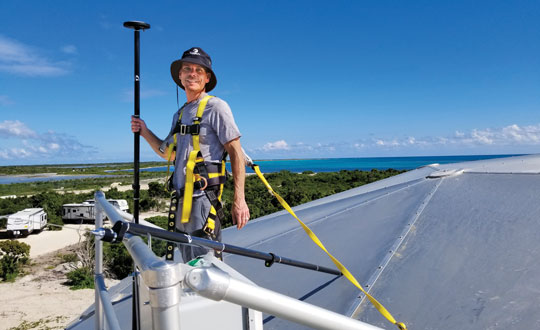
    Chris Kahn installing a UHF base station (its antenna is visible in the foreground on a telescopic mast) atop a 50-ft water tower. (Photo: Chris Kahn, AlphaRTK)
    Chris Kahn installing a UHF base station (its antenna is visible in the foreground on a telescopic mast) atop a 50-ft water tower. (Photo: Chris Kahn, AlphaRTK)

    RTK UHF Base Station

    Kahn proposed they build their own RTK UHF base station. “You can get about a seven-mile line of sight out of UHF and with repeater radios we can extend that, which is what we eventually did,” Kahn explained. So, he put the base station where the project had an internet connection and relayed the UHF signal from there. He gave the teams Eos Arrow Gold GNSS receivers, which have a UHF plug on the side, with Satel UHF radios. “It works like a charm,” he said. He also set up for the project an ESRI ArcGIS Online account, which now hosts all its maps and data.

    “They’re doing a lot of earthwork that needs survey-grade accuracy but does not legally require a survey,” Kahn pointed out. Starting in about 2010, he explained, RTK accuracy began to explode for geographic information systems (GIS) and unmanned aerial systems (UAS). “It’s accelerating,” he said. This has greatly increased opportunities for high accuracy data collection beyond traditional surveying tasks such as boundary surveying. “My niche, and one of the places where there’s a lot of pain, is this interoperability between projects that have surveyors and landscape architects and all sorts of folks in subject matter expertise that are trying to come together to build something.”

    Like the rovers, the base station contains an Eos Arrow Gold, with a 35-watt Satel UHF output. Project staff and contractors can connect to it with any device that can accept that UHF protocol. Their rovers are set up to work with ESRI ArcGIS Field Maps, so that workflow is very smooth, Kahn said. The project started where they began to build the golf course, at a worksite seven miles away from the base station, across open water. Kahn then installed a UHF repeater antenna there and additional ones as construction moved inland.

    The island is relatively flat, but the sand dunes are quite large. Therefore, to enable the line of sight that UHF requires, Kahn had to install the antennas for the repeaters as high as possible. For one, he used a whip antenna on top of a 15-foot telescopic mast on top of a 20-ft high deck. A repeater antenna costs about $2,500 and takes a few hours to install. “It is fairly old technology,” he said. “I tend to look for an easy button and string together inexpensive ways to do things fairly rapidly.”

    UAS Photogrammetry

    The project covers 2,500 acres at two locations. While traditional surveyors are working on the project for building construction, their speed is too slow for the crews doing earthwork, particularly on the golf course. This involves pushing sand around, dredging lagoons, and building the course, which requires taking many elevations very rapidly. To speed things up, Kahn decided to use UAS to fly frequent photogrammetry collections. He began by installing ground control points, surveyed them, and put them around the construction sites. He then trained the laborers on the project to conduct high-accuracy, survey-grade workflows using UAS the flight paths of which he programmed.

    All the laborers need to do is launch the UAS and, after each flight, extract the SD memory card and upload the data to a shared directory. “They don’t even have to put the props on anymore because they just fold out,” Kahn said. He processes the data and publishes the aerial photogrammetry into the project maps. The next day, everyone on the project has access to survey-grade accurate aerial imagery and a map.

    “How frequently they fly them depends on how much activity is going on at the various sites,” Kahn said. “That turnaround time can be as short as a few hours if they need it, between them flying it, uploading it for me, and having it back in their maps. Everything has sub-inch positional accuracy. When they zoom into some of the foundation pilings on the homes, they’re aligning perfectly.”

    Survey-Accurate GIS

    Project managers need GIS to see everything — survey, landscape design, architectural design, engineering design — in a common operational picture, which they were not able to do prior to Kahn joining the project. “I was looking at email threads that were 45 messages long, with two dozen people on three different continents, talking about where something’s located and referencing something else, with many civil drawings attached as PDFs — one from the landscape architect, one from survey, one from a civil engineer. They were saying, ‘Well, this doesn’t look like it matches.’ I was brought in to make it all one pane of glass.” That requires overlaying survey-grade accurate architectural and engineering information on the GIS information.

    “That’s where you run into this niche area in which I work that often surveyors don’t fully understand,” said Kahn. “In the United States, there are civil engineering surveyors and design-build shops that include geospatial, though it is not commonplace. Outside of the United States, it is rare.”

    The rovers for GIS data collection are sub-centimeter accurate, as are the ground control point targets that Kahn installed for the UAS workflows. Workflows were designed for simplicity, allowing laborers to reliably perform UAS and GNSS data collection.

    ESRI ArcGIS Field Maps is well suited for this project because it works offline. As they walk around the site and try to understand what they will build, planners, architects and engineers can see the most current maps on their phones, rather than having to consult PDFs or paper.

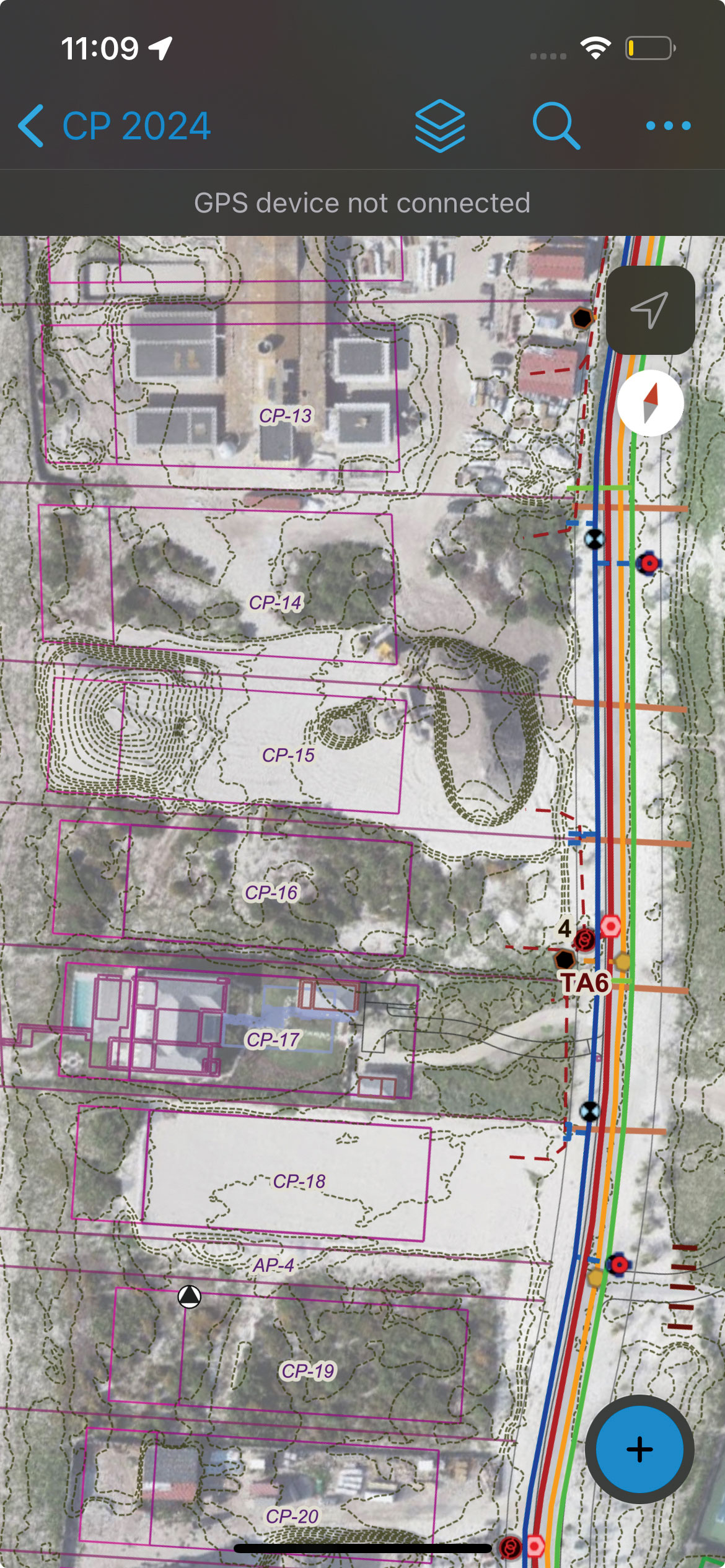
    “I had to do a lot of work with their engineering firm, though, to get their 3D civil drawings to interact with GIS,” Kahn recalled. “Now, all the line work coming from engineering is perfectly aligned, and all field adjustments made by construction are real-time updated in the design drawings. You can see how accurate this GIS is. Everything is perfectly placed, and these are data coming from four different places: GIS, UAS, engineering design, and survey. Everything is aligned within one to two centimeters.”

    iphone screenshot, showing lots, foundations, finished construction, virgin sand, and utility lines. (Photo: Chris Kahn, AlphaRTK)
    iPhone screenshot, showing lots, foundations, finished construction, virgin sand, and utility lines. (Photo: Chris Kahn, AlphaRTK)

    With golf course building, “design is a suggestion,” Kahn said, and many changes are made in the field. “In fact, the pace of ‘field adjustments’ was a crucial reason I was brought in. Engineers cannot wait a year for an as-built drawing set to be delivered.”

    Cut-and-Fill

    This workflow streamlines the many cut-and-fill operations involved in the project. “Coco Point is a good example,” Kahn said, “because some of the lots there are completed.” Zooming into one of the completed lots, he can see the nine-foot grade for which one construction company is responsible and the 11-foot grade for which another construction company is responsible. “It’s important for them to know those two grades because of cost; it’s very expensive to bring fill in here. So, as they’re doing these drone flights, they have dashboards that show them how much fill they need to bring in.”

    The common operational picture enables project managers to optimize the cut-and-fill transfers. The golf course was particularly challenging because it is in a very swampy area, making it difficult to move the dredging equipment. So, they asked Kahn to design the path for the trucks and determine how much fill they would extract out of these lagoons. “I knew they needed this much to meet design on the green and could get this much out of the lagoon,” he said. “It was very helpful for them procedurally with the planning.”

    Challenging Environment

    The environment on the island is challenging. “It was wild,” Kahn recalled. “Nothing but wild donkeys and enormous boars, which I really learned to avoid after a while. It is mostly wetlands, so it is hard to get around.” A construction manager told him: “Chris, I’ve led projects on every continent, but this place is the [expletive] moon.”

    The challenging environment and the lack of internet connectivity make the system that Kahn set up particularly helpful, because it provides accurate data quickly and with a streamlined workflow. “The big story here is that common operational picture,” Kahn said. “It’s taking the best tools of the GIS/geospatial world — such as RTK and UAS. They must be accurate, work offline, and be very easy and fast. You must maintain that accuracy so that the surveyors who work on this project aren’t going to yell and scream.”

    The project also requires building and maintaining utilities — water, gas, sewer, stormwater, electric, and telecom — which are all in underground plastic pipes and are often not placed as designed. “Doing the digital ‘as building’ up front, as it goes in the ground,” Kahn said, “saves time and money down the road.” Additionally, the turnover of people who work on these projects, including managers, is high, so institutional knowledge is constantly lost. “Utilities in the United States have a fairly stable workforce, but in the resort world, everything’s plastic and sand,” said Kahn. “The high turnover and the low institutional knowledge make it even more important to have a true digital twin.”

  • Seen & Heard: Deep sea coral reefs and lava in Iceland

    Seen & Heard: Deep sea coral reefs and lava in Iceland

    “Seen & Heard” is a monthly feature of GPS World magazine, traveling the world to capture interesting and unusual news stories involving the GNSS/PNT industry.


    Photo: NOAA Ocean Exploration
    Photo: NOAA Ocean Exploration

    Exploring the Largest Deep-Sea Coral Reef

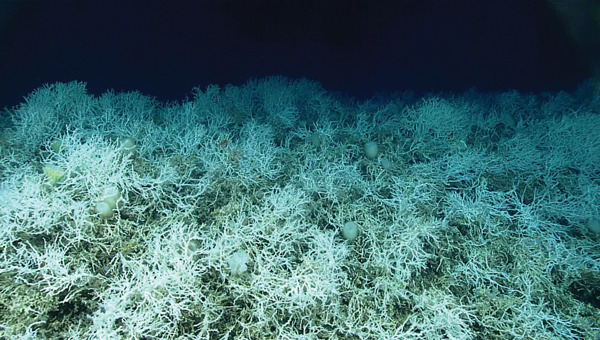
    Scientists have mapped the largest deep-sea coral reef, stretching hundreds of miles off the U.S. Atlantic Coast. While researchers have known since the 1960s that some corals were present off the Atlantic Coast, the reef’s size remained a mystery until new underwater mapping technology made it possible to construct 3D images of the ocean floor. The National Oceanic and Atmospheric Administration (NOAA) and a team of scientists recently published maps of the reef in the journal Geomatics. The reef extends for about 310 miles from Florida to South Carolina. The total area is nearly three times the size of Yellowstone National Park.

    Photo: ESA
    Photo: ESA

    Lava in Iceland

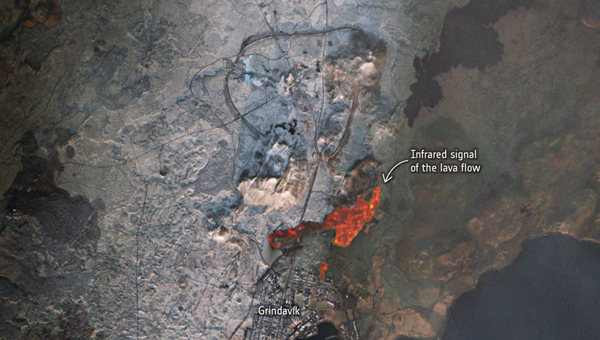
    Grindavík, a tiny town in Iceland, stands on the brink of volcanic lava flow in images captured by the European Space Agency (ESA). The lava originates beneath the Svartsengi volcano system — roughly 2.5 miles north of the town — which erupted on December 18 and January 14. ESA’s Sentinel2 satellite revealed the glow of the lava flow’s heat, not far from houses and other infrastructure within Grindavík. The town, with just 3,800 residents, has faced constant evacuations, as well as mini-earthquakes as a result, The Guardian reported.

    Photo: Maris Maskalans / iStock / Getty Images Plus / Getty Images
    Photo: Maris Maskalans / iStock / Getty Images Plus / Getty Images

    Lidar Reveals Lost Cities in the Amazon

    In the Amazon rainforest, archeologists have discovered a vast and highly complex system of ancient cities dating back nearly 3,000 years. Located in Ecuador’s Upano Valley, the structures lie in the eastern foothills of the Andes mountains, according to a study published in the journal Science. After more than 20 years of research, the ancient urban centers were only discovered when the Ecuadorean government employed lidar technology. Researchers from France, Germany, Ecuador and Puerto Rico conducted a lidar survey that covered roughly 300 km2, which revealed a landscape full of organized human activities, including more than 6,000 rectangular earthen platforms, as well as agricultural terraces and drainage systems. According to the study, these structures formed at least 15 distinct settlements, which were connected by a system of wide, straight roads.

    Photo: nickalbi / iStock / Getty Images Plus / Getty Images
    Photo: nickalbi / iStock / Getty Images Plus / Getty Images

    Tracking Cattle from Space

    Australian scientists are attempting to track 1,000 cattle and buffalo using artificial intelligence (AI), and GPS satellites, reported euronews.next. An estimated 22,000 cattle and buffalo roam free in a remote area of Arnhem Land, Australia, though the exact number is unknown. Scientists are now collaborating with stockmen and indigenous rangers in a four-year program that involves monitoring feral animals from space. Titled SpaceCows, the remote herd management system is backed by the Australian government’s Smart Farming Partnership initiative. Local rangers and stockmen are chasing and catching animals to attach solar-powered tags with GPS receivers.

  • CHCNAV: Expanding a Highway in China

    CHCNAV: Expanding a Highway in China

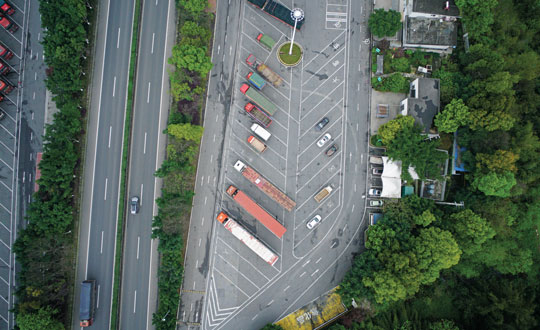
    Due to China’s rapid growth, the G85 highway, which opened in 1995 and connects Chongqing to neighboring provinces, in 2023 required expansion to four lanes. Like with any construction project, the first step was a survey. When the highway was built, surveyors had to rely on total stations and other optical instruments. Today, despite the availability of GNSS receivers, surveying over long distances in rugged terrain is still challenging.

    Orthophoto of the service area in the section of the G85 highway that is being enlarged. (Photo: CHCNAV)
    Orthophoto of the service area in the section of the G85 highway that is being enlarged. (Photo: CHCNAV)

    Li, a surveyor responsible for surveying a 5 km section that included a service area, bridges, culverts, and embankments, wanted to avoid closing lanes, which would have been expensive and dangerous due to heavy traffic. Additionally, using only GNSS receivers and total stations to complete the project would take a long time and potentially require multiple surveys. Instead, he opted to conduct a lidar survey.

    To meet the project’s 2 cm root mean squared error (RMSE) accuracy requirement, Li established ground control points (GCPs) before scanning. To avoid disturbing the traffic and ensure safety, he placed the GCP targets within 50 m of the roadside. Then, a 50-minute flight was enough to scan the 5 km section.

    The data was then imported into CHCNAV’s CoPre lidar processing software, which performed point cloud correction and bundle adjustment, increasing the absolute accuracy of the road surface point cloud to the required 2 cm. Next, the software performed point cloud classification, modeling, point cloud coloring, and image georeferencing and generated depth maps.

    The resulting color point cloud clearly shows road markings and other features, and makes it possible to accurately measure the locations of drainage ditches, slopes, and culverts. For power lines crossing the highway, the point cloud provides accurate measurements of the minimum distance between the lines and the road for safe equipment operation.

    Lidar scanning captures detailed ground surfaces, but road design relies on actual terrain conditions. Using CHCNAV’s CoProcess post-processing software — which has built-in adaptive ground point filtering algorithms — the team removed vegetation, guardrails, and vehicle returns, revealing the bare ground for design. They also accurately extracted road features, including dashed and solid lane lines with width and line type parameters, to enhance the efficiency of subsequent design efforts.

    Lidar point clouds provide much richer ground detail than traditional surveys. This allows CoProcess software to automatically generate cross-sections from processed point clouds, while manual editing options are available for special terrain, such as roadside ditches. Sections can be exported to design formats or CAD drawings for immediate use.

    For this project, two engineers performed the field scanning, and one engineer handled the point cloud processing, classification, and modeling to provide multi-dimensional data that met the 2 cm accuracy criteria.