Tag: Septentrio

  • Guiding machines: Combining GNSS and other sensors is key to effective machine control

    Guiding machines: Combining GNSS and other sensors is key to effective machine control

    Building a solid foundation for any construction requires that the ground be adequately compacted and leveled. Construction workers and contractors operating earthmoving machines know it is nearly impossible to do that by eyesight alone. For a few decades, leveling was accomplished using rotating lasers mounted on tall tripods, which could typically cover a little more than 1,500 ft on a job site and laser receivers mounted on masts on the earth-moving machines. However, these systems only provide elevation, not position, and must be repositioned frequently.

    Photo: Steer
    Photo: Steer

    In recent years, laser leveling has been increasingly replaced by machine control systems that enable operators to compare the position of their machine’s blade with a digital grading map, and then guide it very precisely to cut the proper elevation. These machine control systems combine global navigation satellite system (GNSS) receivers, to provide the position of the machine; inertial navigation systems (INS), to bridge short gaps in GNSS availability and to provide the platform’s attitude (pitch, roll, and yaw); and a variety of other sensors, to determine the movement of the machine’s attachments, such as booms, arms and buckets.

    In this month’s cover story, we feature perspectives on machine control from:

    • Microchip, which makes inductive position sensors that monitor the angular and linear movements of the attachments.
    • Septentrio, which makes the AntaRX series of smart antennas.
    • Gundersen & Løken, which makes the DigPilot kit for excavators.

    Besides grading, other areas for machine control include trenching at a specific depth, spot-bulldozing to better prepare a site for grading, mass excavation and contouring edges. Artificial intelligence (AI) will soon start taking over the operators’ duties, but that’s for a future article.

  • Septentrio: Smart antenna reduces cabling

    Septentrio: Smart antenna reduces cabling

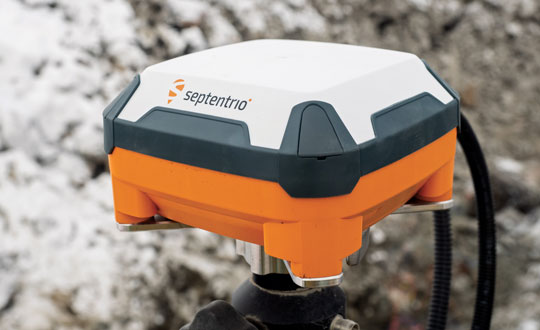
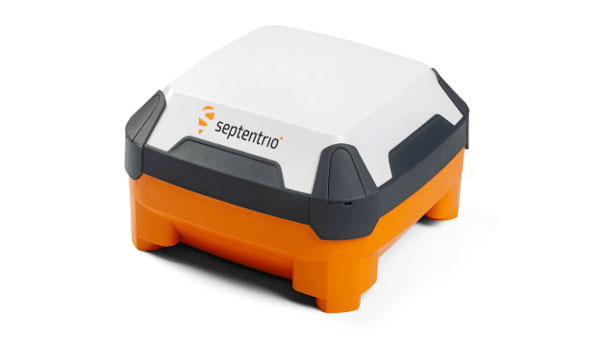
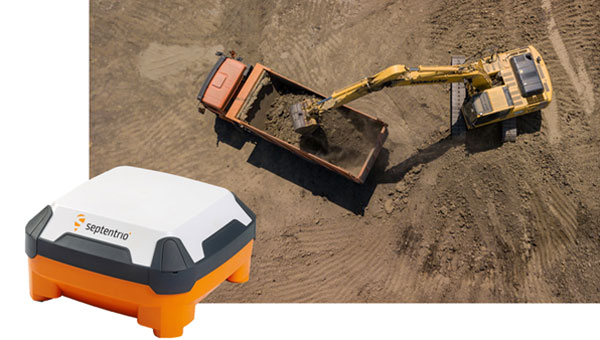
    Septentrio’s AntaRx GNSS smart antenna — a box containing a receiver, an antenna and supporting electronics — is designed for machine automation and control in construction, precision agriculture and logistics. The smart antenna is enclosed in a rugged and compact housing for simplified installation. It can handle strong shocks and vibrations, which makes it ideal for harsh industrial environments such as construction and mining.

    Septentrio’s AntaRx GNSS smart antenna is designed for machine automation and control. (Photo: Septentrio)
    Septentrio’s AntaRx GNSS smart antenna is designed for machine automation and control. (Photo: Septentrio)

    From the early stages of the product’s design and development process, Septentrio collaborated with a leading heavy construction machinery OEM, which provided feedback that helped improve the product’s specifications.

    I discussed the use of AntaRx for machine control with Silviu Taujan and Danilo Sabbatini, both product managers for the product — the former with a focus on the machine automation market and the latter with a focus on INS.

    What type of customers were you addressing?

    Taujan: Mainly OEMs and integrators for machine control systems looking for a GNSS receiver with this kind of form factor to build into their control, automation or guidance systems.

    Photo: Septentrio
    Photo: Septentrio

    A smart antenna is easy to install on various machines, correct?

    Taujan: Yes. It saves space and the cabling is much simpler. We have a single rugged connector for power and data. Our latest generation of GNSS boards has dual antenna support. You can deploy one smart antenna and feed an auxiliary antenna — the AntaRx-AUX — into it for dual antenna heading capability.

    Where does the INS come in?

    Sabbatini: The GNSS/INS version is the AntaRx-Si3. It has an industrial-grade IMU that gives very high quality sensor fusion to bridge gaps in GNSS or correction signals. It also provides accurate attitude — pitch, roll and heading. We use this INS mostly for applications that require full 3D attitude, and for integrity and availability. It is built for one minute without GNSS.

    Does all the processing happen inside the box?

    Sabbatini: The output is a 100 Hz fused position. It will be fused by default to GNSS, plus IMU. The system can also accept the platform’s velocity as an extra input for sensor fusion. The output can include the raw GNSS position, the GNSS-only position and the raw IMU data.

    What are some use cases?

    Sabbatini: For INS, the most important use case is precision agriculture. For many ag robots, a smart antenna is the form factor of choice and most of them require INS sensor fusion. This INS product is the easiest to integrate because everything is fused inside the enclosure. Also, compared to other form factors, the customers do not need to worry about the lever arm between the antenna and the IMU because it’s inside the box, so it’s already taken into account. So, this form factor eliminates all the installation problems inherent to an INS system. The German company Sodex is creating a real time mapping system to install on top of machine controls. Another application is for users who want to close gaps in signals, especially in smaller machines that are going more often between buildings and close to structures.

    Taujan: For the version without INS, we’re looking at the more mainstream machine control customers and applications. Even from the conceptual phase of this, we started by engaging with some customers, including one large OEM in the Asian excavator market. Then, from the aftermarket or integrator side, one machine control integrator integrated it into a system for asphalt pavers. These are not yet commercially available systems, but we’re in the development phase with them.

  • Gundersen & Løken: Tracking the tip of the bucket

    Gundersen & Løken: Tracking the tip of the bucket

    Photo: Septentrio
    Image: Septentrio

    Gundersen & Løken AS, in Oslo, Norway, founded in 1899, develops equipment for the construction industry. It uses Septentrio’s AntaRx in its Dig Pilot 3D machine guidance system, which it began to develop in 2007. The company is now launching the next-generation DigPilot to assist excavator drivers. Its DigPilot Terra user interface and graphics offer a wide range of functionalities for efficient earthwork. The development of DigPilot Terra is funded partly by Innovation Norway.

    DigPilot uses multi-axial CAN bus angle sensors on all moving parts — chassis, boom, arm and bucket — to calculate the position of the bucket tip with centimeter precision. The sensors are gyro-stabilized and hold firmware that predicts angles in the coming milliseconds based on angles from the previous milliseconds. These calculated angles are pushed to the computer in the cabin, which can visualize the bucket position in real-time.

    DigPilot is a two-antenna system. Until now, it relied on two Septentrio GNSS antennas installed on the rear of the excavator — one to determine the machine’s position and one to determine its heading. These data are fed to the Septentrio GNSS receiver (rover) inside the machine, which also receives correction data via internet or radio. The data from the GNSS rover is pushed to the computer in the cabin and, when combined with the angular sensor data, provides the exact coordinates of the bucket tip and the delta value of the finished project.

    Now, Septentrio’s AntaRx technology makes DigPilot’s installation simpler and more robust because the built-in GNSS rover in one of the rear antennas greatly reduces the amount of cabling and the number of connectors.

    I discussed DigPilot with Eric Floberg, the company’s managing director since 2019 when he took over from his father, and Erik Sørngård, the company’s R&D manager, who has been working with Septentrio products for 12 years.

    When did you start working with Septentrio on AntaRx for DigPilot? At what stage of deployment is it?

    Sørngård: We began to discuss features about four years ago. At that time, we had worked with other Septentrio products for eight years. So, they appreciated our cooperation and wanted to show us where their next stage in development was heading. Last year, they approached us again, to see whether we could start looking further into it.

    Floberg: We now have one system here for testing and we have experience from the previous Septentrio products, such as the rover GNSS receivers, which have always given us the best of accuracy. Of course, now, we see the potential to make our system more robust and simpler. As soon as we have sold out the existing Septentrio products, we will incorporate the AntaRx into our next-generation machine control system.

    Is DigPilot receiver-agnostic, even though you have a preference for the AntaRx?

    Floberg: All the connections, the cabling and the components themselves are exposed to very tough environments and stresses of different kinds, such as extreme temperatures and vibrations. So, reducing the number of components and connections and cabling would definitely give us a higher uptime, which is the most important thing for our end users.

    Having the antenna and the receiver in the same box means less cabling and easier installation, correct?

    Floberg: Definitely. The anti-theft aspect here is also very important. In certain parts of the world, you will appreciate the opportunity to easily remove it from your excavator or bulldozer when you leave at night.

    What are the key challenges?

    Floberg: This winter has been the toughest one in Norway in 30 years. We have also had the chance to do some testing in very low temperatures and harsh environments. When we see it work as well as it does, we feel very confident about it.

    What accuracy have you been getting?

    Sørngård: When it comes to machine control, we look at the end result on the tip of the bucket. We have several sensors, and we have to calibrate the machine accurately. The receiver is not the biggest contribution to the noise in the algorithms. We trust that the Septentrio receiver delivers accurate numbers, and we must push ourselves to make the rest of the system meet the same standards.

    Floberg: On 30-ton or 40-ton excavators with booms up to 10 meters long we are able to get sub-centimeter accuracy, but the tip of the bucket in such a machine is 1 in thick. Of course, there are many other factors, such as the wear and tear of the machine.

    Is DigPilot typically factory-installed or aftermarket?

    Floberg: We’ll do both. We are often called by the distributor — say, Volvo or Hitachi or Kobelco — to install an integrated system.

  • Launchpad: Lidar systems, PNT platforms and UAVs

    Launchpad: Lidar systems, PNT platforms and UAVs

    A roundup of recent products in the GNSS and inertial positioning industry from the February 2024 issue of GPS World magazine.


    SURVEYING & MAPPING
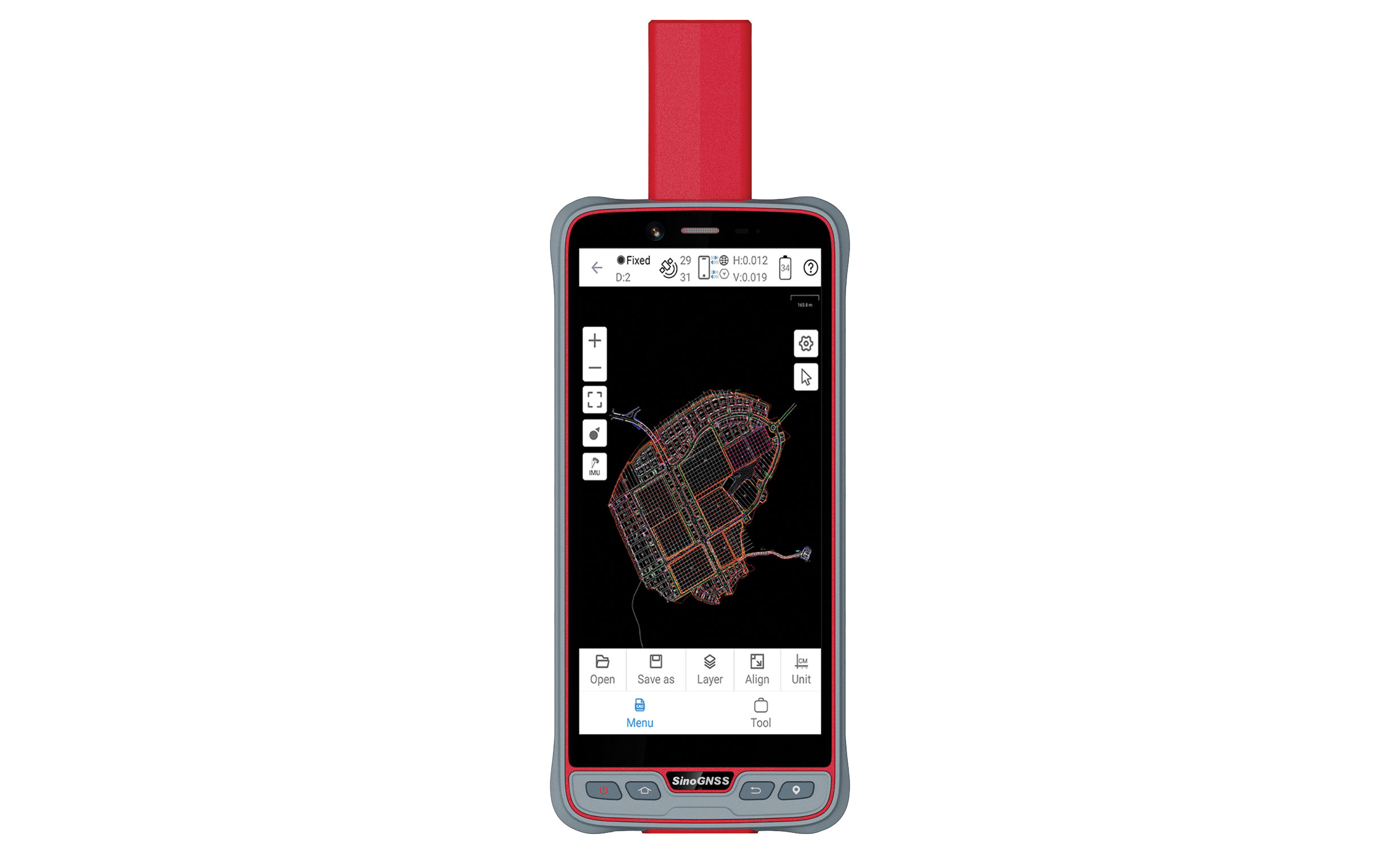
    ComNav Technology

    Handheld GIS Data Collection Solution
    For outdoor operations

    The handheld P6H solution is designed for GIS data collection and outdoor operations. Featuring a GNSS high-precision positioning module, rugged IP67-rated design, and 6-inch sunlight-readable display, the P6H offers positioning accuracy in harsh environments.
    Equipped with a SinoGNSS self-developed high-precision K8 board and antenna, it can track all running and planned constellations with 1,590 channels, including GPS, BeiDou, GLONASS, Galileo, QZAA, IRNSS, and SBAS.

    The P6H offers users centimeter- or decimeter-level accuracy. Its IP67 rating protects against dust and water to enhance its efficiency and durability in tough environments.

    The device comes equipped with Survey Master and robust GIS functions, which allow users to take measurements of geographic elements and store the results as attribute data for subsequent analysis, calculation, and visualization. It also includes a mock location function for users to accurately share Survey Master’s position with P6H. The location data can then be accessed on a third-party GIS software.

    It is also compatible with common GIS software such as ArcGIS Collector, Mapit GIS, and QGIS. Additionally, the P6H features an 8-core 2.0 GHz processor, up to 128 GB of storage and up to 6 GB of RAM to offer users smooth software operation and efficient data processing.

    PH6, which features a high-precision GNSS module and antenna, also incorporates 4G LTE, Wi-Fi, and Bluetooth to improve its data transmission and sharing capabilities.

    ComNav Technology, comnavtech.com
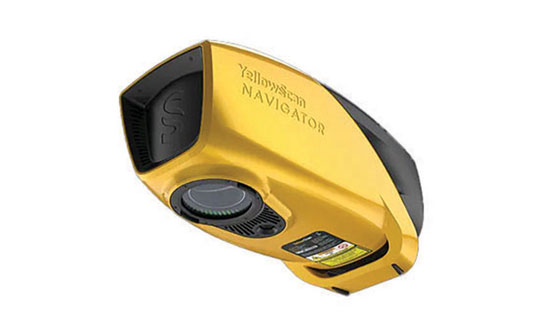
    YellowScan

    Bathymetric Lidar System
    Maps underwater topography

    YellowScan Navigator is a bathymetric lidar system designed for surveyors to map underwater topography in rivers, ponds, and coastal areas.

    The system features a laser scanner developed in-house over the course of five years and has been heavily tested to achieve optimal performance. The compact system can map waterbeds with a depth of up to 3 m and can reach a depth of 18 m in perfectly clear water conditions, according to the company. It can be flown up to 100 m above the water surface and provides measurements with an accuracy of 3 cm. Additionally, a camera is embedded for true-color data visualization.

    YellowScan, yellowscan.com
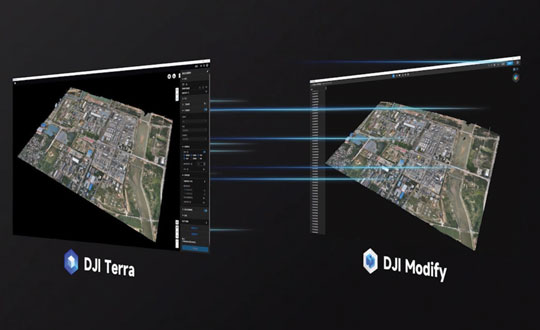
    DJI

    3D Model Editing Software
    For aerial surveying, transportation, and emergency responses

    DJI Modify is an intelligent 3D model editing software. It can be seamlessly integrated with DJI’s enterprise UAVs and 3D modeling and mapping software, DJI Terra. When integrated with these products, the software can be used for aerial surveying, transportation, and emergency responses.

    DJI Modify paired with DJI Terra offers users an end-to-end solution from modeling to model editing. Once DJI Modify has been enabled, DJI Terra files for model editing are automatically generated, including pre-identified objects and pre-processing of the model. It is designed to make repairing common 3D model defects seamless and efficient. As of early 2024, DJI Modify will only support repairing models built by DJI Terra.

    DJI Modify allows for model files to be quickly imported and exported to the DJI Terra and other third-party software. Its intelligent auto-repair editing supports flattening, editing textures, repairing water surfaces, removing floating parts, and filling holes. Edits can be made using one-click repairs or manually by selecting custom polygons, areas or meshes.

    The software’s smoother model display technology allows high- and low-quality models to be viewed and edited in a single interface. Changes made can be synchronized across both models and previewed immediately, which allows users to address model editing issues in real-time.

    DJI, store.dji.com


    OEM
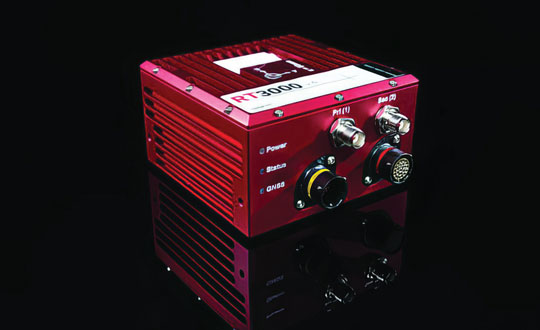
    Oxford Technical Solutions (OxTS)

    GNSS/IMU
    Uninterrupted position, orientation, and dynamics

    RT3000 v4 GNSS inertial measurement unit (IMU) combines two survey-grade GNSS receivers with OxTS’ IMU10 inertial technology. The RT3000 v4 offers uninterrupted position, orientation and dynamics in challenging environments.

    The IMU will reach the desired specification within three minutes of low dynamic movements, which reduces the time and space required for high dynamic maneuvers before each data collection.

    Users can customize the INS with optional features and software integrations to create the ideal INS for individualized projects, including lidar surveying and mapping or positioning in GNSS-denied or challenged environments.

    Oxford Technical Solutions (OxTS), oxts.com
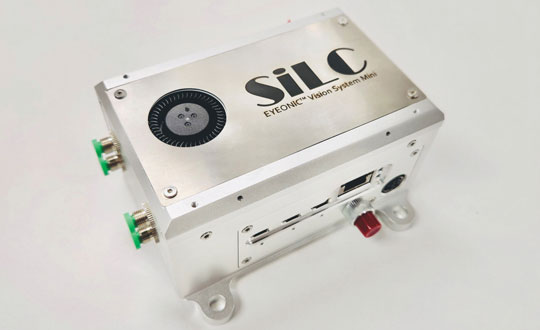
    SiLC Technologies

    Precision Lidar Technology
    Provides vision capabilities in challenging environments

    The Eyeonic Vision System Mini (Eyeonic Mini) supports sub-millimeter resolution in a reduced size. The system integrates a full multi-channel FMCW lidar on a single silicone photonic chip and an integrated FMCW lidar system-on-chip (SoC).

    The Eyeonic Vision Chip combines crucial photonics functions into a coherent vision sensor. The system’s accuracy stems from a 4-channel FMCW LiDAR chip — supported by Indie Semiconductor Surya SoC technology — to provide robots with sub-millimeter depth precision from distances exceeding 10 m.

    The technology offers enhanced precision and can be used in automation, including warehouse logistics and artificial intelligence (AI) machine vision applications. Palletizing robots equipped with the Eyeonic Mini can view and interact with pallets, which aims to optimize package placement and truck loading with greater efficiency and safety.

    SiLC Technologies, silc.com
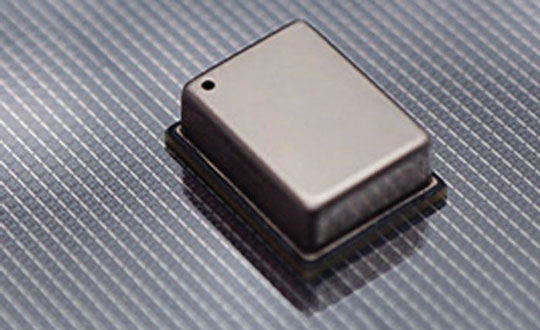
    SiTime Corporation

    PNT Platform
    Used in critical defense operations

    The Endura Epoch Platform provides robust and resilient positioning, navigation, and timing (PNT) services critical in defense operations.
    The MEMS oven-controlled oscillator (OCXO) can boost the resilience of PNT systems and other equipment, including radars, field and airborne radios, satcom terminals, and avionics against spoofing, jamming and other disruptions in GPS signals.

    Based on the Epoch Platform, the Endura Epoch MEMS OCXOs are designed to meet the challenging shock and vibration conditions found in aerospace and defense. These devices are manufactured using semiconductor processes that deliver the reliability and quality expected from silicon devices. The same level of reliability cannot be achieved by quartz crystal OCXOs, specifically in extreme conditions.

    The Endura Epoch MEMS OCXOs, compared to quartz crystal OCXOs, includes various features and benefits, including programmable frequencies from 10 to 220 MHz; a 20,000 g shock survivability rating; up to 20 times better frequency stability over temperature; up to three times better Allan deviation, a measure of short-term frequency stability; surface-mountable, small footprint and low height 9.0 x 7.0 x 3.6 mm; low weight of 0.35 g; 420 mW steady state power.

    SiTime Corporation, sitime.com
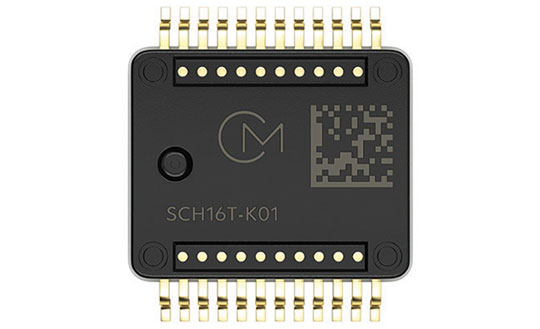
    Murata

    IMU
    With an XYZ-axis gyroscope and accelerometer

    The SCH16T-K01 is an inertial measurement unit (IMU) featuring a XYZ-axis gyroscope and a XYZ-axis accelerometer, for a total of six degrees of freedom.

    The SCH16T-K01 includes a sophisticated gyro with typical bias instability of 0.5 dph and up to 0.3 mdps/√Hz noise density. The accelerometer has a dynamic range of up to 26 g, which provides resistance against saturation and vibration.

    The component’s output is internally cross-axis compensated, which eliminates the need for extensive calibration. Through the integration of these features, the SCH16T-K01 can deliver accurate measurements in machine control and guidance without field calibrations.

    It is suited for industrial applications such as construction and agricultural machines, material handling equipment, marine instrumentation, robotics, and UAVs.

    Murata, murata.com
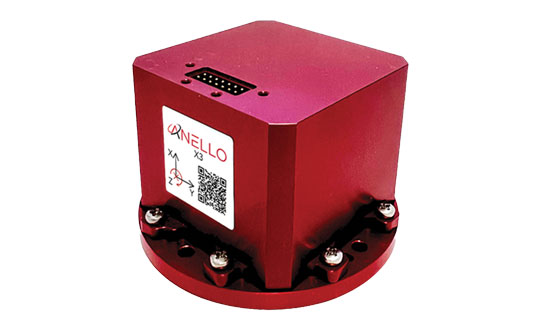
    ANELLO Photonics

    3-Axis Optical Gyroscope IMU
    For GPS-denied environments

    The ANELLO X3, a 3-axis optical gyroscope inertial measurement unit (IMU), is designed for GPS-denied and challenging environments.

    The IMU leverages ANELLO SiPhOG (Silicon Photonics Optical Gyroscope) technology and serves as a light, low-power tri-axial optical gyroscope offering high accuracy, performance, and reliability for autonomous applications.

    The ANELLO X3 can be used in a variety of applications, including autonomous commercial and defense applications involving robots, UAVs, electric vertical take-off and landing (eVTOL) aircraft and various maritime and land vehicle applications, including high-accuracy surveying and mapping.

    ANELLO Photonics, anellophotonics.com


    MOBILE
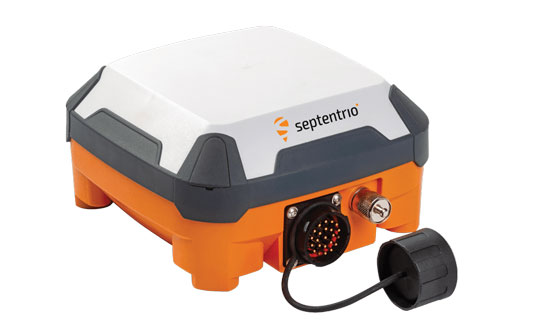
    Septentrio

    Smart Antenna
    Centimeter-level RTK positioning

    The AntaRx smart antenna is designed for machine automation and control in construction, precision agriculture, and logistics. It is enclosed in a rugged and compact housing for simplified installation and can handle high levels of shocks and vibrations, making it ideal for harsh industrial environments such as construction and mining.

    The multi-frequency receiver offers centimeter-level real-time kinematic (RTK) positioning and can be used in inertial navigation system (INS) integration, dual antenna mode, and 4G cellular communication. It is available in several configurations, including as a GNSS smart antenna or a GNSS/INS smart antenna system and can be integrated as an inertial measurement unit (IMU).

    The receiver technology integrates the company’s GNSS+ algorithms, including advanced multipath mitigation, which offers uninterrupted operation in challenging conditions such as near high structures or machinery.

    Septentrio, septentrio.com
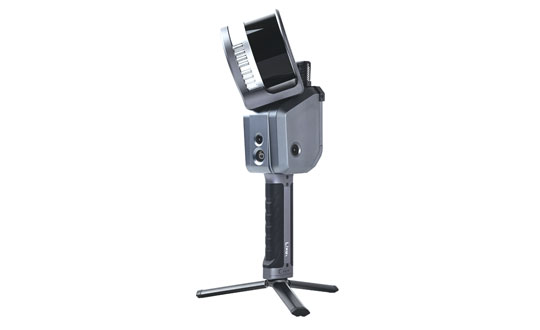
    SatLab Geosolutions

    Handheld Scanner
    With SLAM technology

    The Lixel X1 is a powerful 3D scanner that combines lidar, visible-light and motion cameras, and high-precision inertial sensing using SatLab’s simultaneous localization and mapping (SLAM) technology.

    Data and scene reconstruction can be previewed in real time and can be exported immediately after scanning without the need for post-processing, which aims to simplify workflows and enhance efficiency.

    The system enables scans to be resumed from breakpoints, which allows surveys to be broken up into convenient segments. It provides up to 60 minutes of continuous operation and can be easily mounted to UAVs and other mobile mapping platforms.

    SatLab Geosolutions, satlab.com
    Antenova

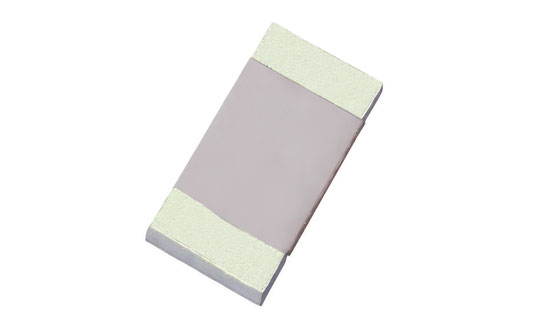
    Ceramic Antenna
    For connectivity on L1 GNSS signals

    Admotus is a surface-mount ceramic antenna designed for connectivity on L1 GNSS signals on all constellations, including GPS-L1 at 1575.42 MHz; GLONASS L1, 1602MHz; Galileo L1, 1575.42 MHz; BeiDou (B1); and QZSS. It offers comparable performance to a small patch antenna on a small ground plane.

    The ceramic antenna has an ultra-low profile measuring a mere 1.0 x 0.5 x 0.5 mm, requires 7 x 15 mm clearance area and offers improved performance on small PCB sizes.

    Admotus offers a peak gain of 0.9 dBi with an average gain of –2.6 dB and offers maximum return loss of –11.5 dB and a maximum VSWR of 1.8:1. A companion evaluation PCB is also available for internal analysis.

    It is suitable for all GNSS positioning applications in the L1 band (1559 – 1609 MHz) such as wearable devices for fitness and medical monitoring, small portable tracking devices used to track keys, pets, bikes, UAVs, agricultural robotics, and telematics devices.

    Antenova, antenova.com
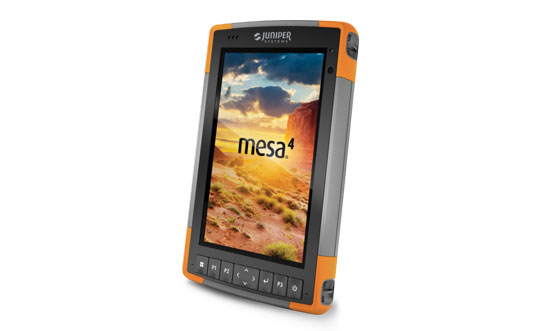
    Juniper Systems

    Rugged Tablet
    For mobile field workers

    The Mesa 4 Rugged Tablet features a 7-inch display and runs on Windows 11. It is designed to provide powerful rugged computing and data collection to mobile field workers.

    The Mesa 4 comes with a new Intel N200 processor. It offers up to three times the CPU performance of the Mesa 3 and has an increased RAM size and speed to enhance its processing power. Mesa 4 has an IP68 rating, MIL-STD-810H certification and ergonomic design for all-day carrying.

    Juniper Systems, junipersys.com


    UAV
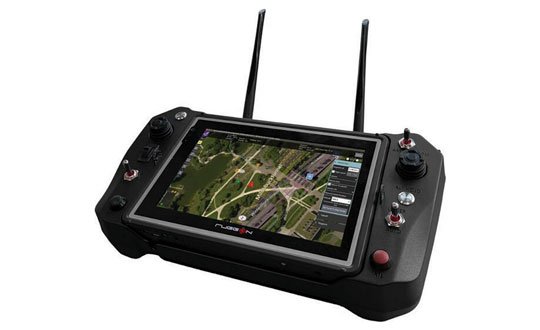
    RuggON

    UAV Ground Control System
    On an 8-inch rugged tablet

    The Ground Control System (GCS) for UAVs is centered around RuggON’s LUNA 3 8-inch rugged tablet. It is designed to provide real-time control, telemetry, and satellite positioning for connected UAVs.

    GCS is designed to provide users more control over a variety of UAVs by using the LUNA 3 rugged tablet, which has a large and high-definition screen to provide video feedback during operations. The system is also certified to provide GNSS positioning and tracking services.

    Featuring a low-latency video software decoder, GCS allows for real-time high-resolution video viewing and data collection. Engineered to withstand dust, shock, and water, the control system can withstand challenging environments.

    The LUNA 3 8-inch rugged tablet stands as a powerful and efficient model within its class, powered by an Intel Core i5 processor (1145G7E) with Intel Iris Xe graphics and the Windows operating system. Its sunlight-readable display supports night and stealth modes, which is cruicial for law enforcement and military applications. The tablet offers touchscreen functionality for enhanced operator convenience, complemented by ethernet and optional Wi-Fi 6, and 4G LTE connectivity.

    RuggON, rugon.com
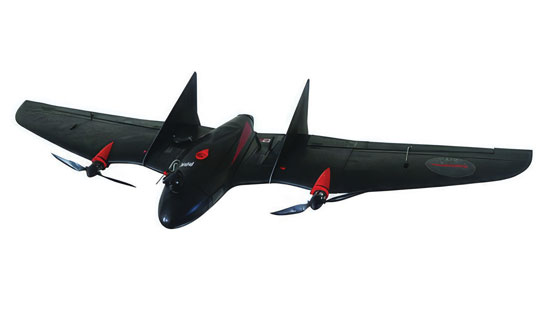
    Aeromao

    VTOSL
    Bridging the gap between land and sea

    The VT-Naut, vertical takeoff and short landing (VTOSL) is a versatile aerial solution designed for a variety of applications, including high-precision mapping and surveying for inspection, scouting, observation, and agriculture.

    The VT-Naut can land on water, which makes it ideal for shipboard or coastal operations, and opens new ways for users to collect and observe data. It has a long-range telemetry link of 30 km and a flight endurance of up to 90 minutes. Its compact and robust body design provides durability and resilience in harsh environments.

    The VT-Naut UAV system offers a cost-effective alternative to full VTOL platforms, particularly for users who require extensive surveying capabilities and have some flexibility in landing site selection. The system eliminates the extra costs associated with acquiring and operating a VTOL multirotor drone.

    Aeromao, aeromao.com
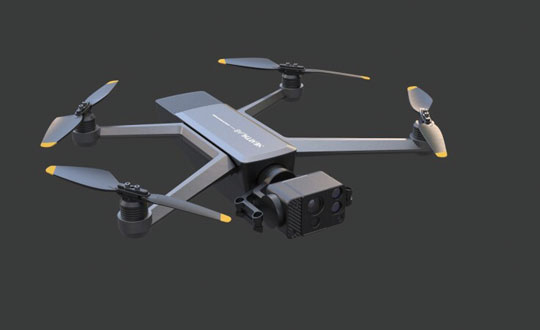
    Nearthlab

    Folding UAV
    For challenging environments

    The AIDrone UAV is designed for a variety of applications, from infrastructure inspections and renewables to defense and public safety.
    The UAV features a high-performance payload, fitted with a 64MP EO/IR camera mounted on a dual-axis gimbal that can support vertical rotation of up to 200°. AIDrone can spot millimeter-sized cracks and detect subtle temperature changes in challenging environments.

    AIDrone uses Nearthlab’s vision-based autonomous flight technology to operate autonomously — in zero-light and GPS-denied environments — both indoors and outdoors.

    It weighs around 4 lbs and has a foldable structure. AIDrone is designed for intelligence, surveillance, and reconnaissance (ISR) purposes, which makes it ideal for crisis management scenarios such as wildfire response and law enforcement.

    Nearthlab, nearthlab.com
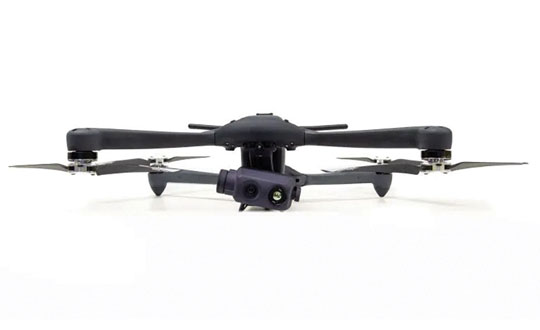
    Krattworks

    ISR UAV
    With jamming resistant-radio

    The Ghost Dragon intelligence, surveillance, and reconnaissance (ISR) UAV offers higher resistance against jamming and spoofing. The UAV is equipped with a thermal and visual light camera and jamming-resistant radio. Its wide frequency hopping radio is used to provide a jamming-resistant video and telemetry link, which makes it difficult to detect the UAV and interfere with the mission.

    The Ghost Dragon ISR uses a dual-band GNSS module that operates on both L1 and L5 bands, which allows for flight operations even in challenging environments. The UAV can operate in radio silence mode in the presence of GNSS and store reconnaissance data on an encrypted SD card to view after the UAV has landed. The video and target location information streamed to the operator is also georeferenced.

    The UAV can be redirected, flown back to base, or handed to another operator at a different ground control station at any time.

    Krattworks, krattworks.com

  • EAB Q&A: What are the key challenges and promising trends for GNSS/PNT?

    EAB Q&A: What are the key challenges and promising trends for GNSS/PNT?

    What are the key challenges and promising trends for GNSS/PNT over the next three to five years?


    Headshot: Bernard Gruber
    Bernard Gruber

    “In 2023, the GPS program celebrated its 50th anniversary. It has had untold positive impacts on the world. I strongly believe this trend will continue through GNSS and complementary PNT systems for the next 50 years! That said, continuing challenges faced in the era of great power competition — specifically, to disrupt, deny, and destroy PNT capabilities — pose a clear and present danger. Ingenuity, competition, and strong coalitions will drive how we think and how we utilize our incredible resources – human and system – to persevere.

    Unfortunately, challenges will always exist. Since the beginning, the GNSS community has had to deal with jamming threats, such as pervasive black market ‘cigarette lighter’ jammers, militarily sophisticated ones, or brute force high powered systems. This challenge will not go away. The burgeoning of artificial intelligence and machine-to-machine computations offers an opportunity and poses a threat: as commercial and government entities embrace these technologies, they exponentially increase the need to adapt.

    Several promising trends will continue. Through the hard work of countless governmental organizations supporting the National Coordination Office, periodicals such as GPS World, academic papers, conferences and symposiums, marketing and communications, the public is now aware of how vital GNSS and PNT systems are. Second, buyers, operators, and users will demand that robustness be built into systems by anticipating needs such as increased cybersecurity, assured access, and tiered defense schema.

    Third, innovative technical trends will drive increased processing power, cybersecurity/encryption toughness, signal diversity, adaptive antennas, and network augmentations, while an ever-increasing focus on model-based engineering and digital twins will allow us to field and learn faster. Additionally, as signal diversity grows, the opportunity for software-defined radios that utilize authenticated and available signals while ignoring others automatically will mature; programs such as the NTS-3 demonstration will at minimum force the decision of how we adapt.”

    — Bernard Gruber
    Northrop Grumman


    Headshot: Jules McNeff
    Jules McNeff

    “Trends have emerged and evolved over the last three decades — since GPS became operational — that addressed earlier challenges and yet have created new, and possibly more daunting, ones. Early issues with awareness and acceptance of the need for continuous, precise positioning, navigation and timing (PNT) have been overcome, and the markets and governments have responded with a proliferation of PNT services — both space-based and other.

    I’ll leave the market trends and opportunities to our industry colleagues and focus more closely on some remaining challenges that are particularly vexing to me. That requires stepping outside the comfortable GNSS/PNT-as-a-technology engineering and science bubble full of topics for collegial international cooperation. Instead, one must look at GNSS/PNT as an incredibly valuable tool for public safety, political and economic advantage, and military dominance, all separate, but closely interrelated and so as a tool to be protected. Other nations, some unfriendly to the United States, recognize the political/economic reality and are deploying PNT services to compete with GPS and erode international public confidence.

    The U.S. government appears complacent and naively unwilling to accept that changes are necessary in its approach to international economic competition in PNT technology over the immediate future. Similarly, in the public safety arena, most of U.S. critical infrastructure (CI), an area of federal government responsibility, is well-known to be vitally dependent on GPS to function. However, the government agencies responsible for CI have been beyond reluctant to implement needed resilience measures, specifically regarding the terrestrial enhanced Loran (eLoran) system, which would provide substantial resilience if GPS service were lost or disrupted. This is despite multiple requests over the last decade from Congress and the National PNT Advisory Board to recapitalize eLoran.

    At the same time, friendly and hostile foreign nations invest in their own eLoran systems to bolster PNT resilience within their sovereign territories. Knowing this, the United States cannot be happy with a situation that threatens economic and national security, yet it persists. Finally, and also important to public safety, we need to get serious about how PNT positions (geoaddresses) are reported to the public – important for economic purposes and specifically for incident/accident location and emergency response operations of all kinds. Continuing reliance on lat/lon as a default or on unique proprietary methods is both ineffective and dangerous given the ready availability of the U.S. National Grid as a public resource, as identified in the U.S. Federal Radionavigation Plan. As with eLoran above, the public safety challenge is to save lives and livelihoods and not allow them to remain at risk.

    — Jules McNeff
    Overlook Systems Technologies 


    Jean-Marie Sleewaegen
    Jean-Marie Sleewaegen

    Recent years have seen a spectacular boost in the number of global navigation satellite systems (GNSS) satellites and signals. The launch pace has now slowed down, which does not mean the end of GNSS innovation. On the contrary, now comes the time to exploit and get the best out of all these new signals and services.

    One of the first benefits of signal diversity is improved resilience: the more signals, the more fallback options in case of jamming or spoofing. Designing the optimal blend of all the constellations and signals into a precise and resilient PNT solution is and will remain a major innovation challenge in the industry. The recent introduction of Galileo OSNMA and the announcement of authentication services by other systems will play a key role in this evolution.

    Having many types of signals also means that there are many ways of dealing with them. This is particularly visible in the current PPP-RTK offerings. Various service providers use different correction formats as well as protocols and this complexity is still too exposed to users. A key challenge will be the standardization and consolidation of the correction environment in a multi-constellation and multi-signal context. At the receiver side, this involves evolving from a vendor-specific to a correction-agnostic approach.

    In the next few years, the focus will also expand beyond classical GNSS, with the announcement of the first low-Earth orbit (LEO) LEO PNT constellations, promising improved precision, resilience, and security compared to traditional medium-Earth-orbit (MEO) GNSS. The promises and challenges of  LEO PNT constellations and their interoperability with GNSS will undoubtedly foster major innovations in the PNT industry.

    — Jean-Marie Sleewaegen 
    Septentrio 


    F. Michael Swiek
    Michael Swiek

    A basic question for the next three to five years is how will we be receiving PNT, or P, N, and/or T individually or in combination and from where? We have become accustomed to receiving reliable PNT from government-operated MEO satellite constellations. However, new options appear to provide PNT or P, N, or T from LEO constellations, terrestrial beacons, etc., from both government and private sector providers. These options can help address vulnerabilities in traditional GNSS services and provide options for new applications. The question becomes one of coordination and integration of diverse solutions. The challenge is managing the technical, market and regulatory elements while not undermining existing stable infrastructure or future innovation.

    — Michael Swiek 
    GPS Alliance

  • SparkFun launches GNSS solution

    SparkFun launches GNSS solution

    Image: SparkFun
    Image: SparkFun

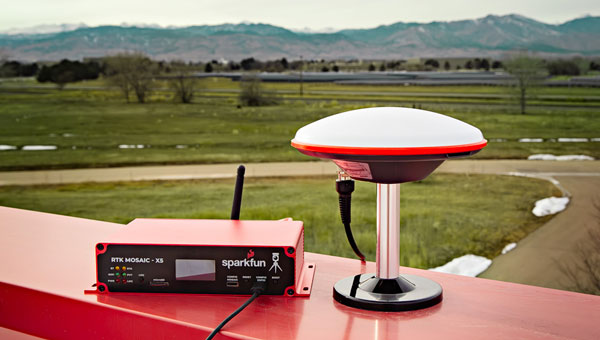
    SparkFun Electronics has launched the SparkFun real-time kinematics (RTK) mosaic-X5. It uses the multi-constellation, multi-frequency capabilities of the Septentrio mosaic-X5 module, which aims to improve accuracy and reliability in a variety of position applications.

    The RTK mosaic-X5 is a 448-channel receiver that supports all four Global Navigation Satellite Systems (GNSS) — GPS, GLONASS, BeiDou and Galileo — and one of the two regional ones, NavIC. It can function as both an RTK base and rover, which allows users to achieve horizontal positioning accuracy down to 6 mm and updates at a rate of 100Hz.

    The device incorporates the Espressif ESP32-WROVER processor, which allows for high-speed processing and a variety of connectivity options. The ESP32 provides the device with USB-C, Ethernet-over-USB and an Ethernet to WiFi Bridge mode to ensure seamless integration into any project setup.

    The device also has power flexibility, including USB-C, Power-over-Ethernet, and external DC sources, along with data logging in multiple formats such as RINEX and NMEA. Housed in a custom-designed aluminum case, the RTK mosaic-X5 features a comprehensive web server interface to simplify configuration and monitoring.

  • Septentrio releases GNSS/INS smart antenna for industrial environments

    Septentrio releases GNSS/INS smart antenna for industrial environments


    Image: Septentrio
    Image: Septentrio

    Septentrio has released the AntaRx-Si3, a GNSS/INS smart antenna housed in an ultra-rugged enclosure, designed for straightforward installation on machinery such as agricultural robots. It combines Septentrio’s centimeter-level GNSS positioning with an inertial measurement unit (IMU) within the same enclosure as the GNSS antenna, which uses FUSE+ technology.

    The AntaRx-Si3 is designed for challenging industrial environments where GNSS signals are at risk of obstruction, such as under heavy foliage. The integration of the IMU sensor with FUSE+ technology offers continued position availability accuracy and reliability, which is necessary for autonomous systems’ operations.

    The antenna’s exterior is crafted from impact-resistant polycarbonate with an IP69K rating and can withstand significant shocks, vibrations, and harsh environmental conditions.

    It uses Septentrio’s GNSS+ algorithms to offer advanced multipath mitigation to operate in environments where satellite signals could be reflected off surrounding machinery or structures, such as silos. The antenna delivers high update rates and low latency positioning, which are crucial for the control loops of autonomous movements or rotations.

  • Septentrio launches smart antenna for machine control

    Septentrio launches smart antenna for machine control

    Image: Septentrio
    Image: Septentrio

    Septentrio has launched the AntaRx smart antenna designed for machine automation and control in construction, precision agriculture and logistics.

    The smart antenna is enclosed in a rugged and compact housing for simplified installation. It can handle high levels of shocks and vibrations which makes it ideal for harsh industrial environments such as construction and mining.

    The multi-frequency receiver offers centimeter-level real-time kinematic (RTK) positioning and can be used in inertial navigation system (INS) integration, dual antenna mode and 4G cellular communication. It is available in several configurations, including as a GNSS smart antenna or a GNSS/INS smart antenna system and can be integrated as an inertial measurement unit (IMU).

    AntaRx is the latest addition to Septentrio’s machine control GNSS receiver portfolio. The receiver technology integrates the company’s GNSS+ algorithms, including advanced multipath mitigation, which offers uninterrupted operation in challenging conditions such as near high structures or machinery.

  • Using GNSS Phase Reflectometry on Maui’s Haleakalā

    Using GNSS Phase Reflectometry on Maui’s Haleakalā

    Read Richard Langley’s introduction to this article:Innovation Insights: Science in paradise”


    Originally developed for navigation and timing applications, signals from global navigation satellite systems (GNSS) are now commonly used for geophysical remote sensing applications, including observation of Earth’s surface and atmosphere using near sea-level ground stations as well as mountaintop, airborne and spaceborne platforms. GNSS reflectometry (abbreviated GNSS-R), which is the technique of using reflected signals to measure properties of Earth’s surface, has been a growing area of research and application for GNSS remote sensing. Notably, the Cyclone Global Navigation Satellite System (CYGNSS) satellite mission produces delay-Doppler maps (DDMs) that are used to monitor ocean surface wind speeds during hurricanes. Meanwhile, terrestrial and airborne GNSS-R has been used to monitor soil moisture, snow depth and vegetation growth. One area of increasing interest is precision reflectometry using signal carrier-phase measurements. The first attempt to perform precision (phase) altimetry over sea ice using GPS reflectometry measurements from the low-Earth orbiting TechDemoSat-1 was reported by researchers in 2017. Subsequently, researchers demonstrated the use of reflections collected by a Spire satellite to perform altimetry over Hudson Bay and the Java Sea and how reflections off ice in the polar regions can be used to measure ionospheric total electron content over the polar caps. While these demonstrations of GNSS-R for precision carrier-phase-based reflectometry are promising, more work needs to be done to characterize when carrier-based altimetry is feasible and what challenges it faces.

    To study the challenges associated with processing reflected and low-elevation-angle radio occultation signals, the University of Colorado (CU) Boulder Satellite Navigation and Sensing (SeNSe) Laboratory has deployed a GNSS data collection site on top of Mount Haleakalā on the island of Maui, Hawaii. Recent collection campaigns aim to use this site as a testbed for GNSS-R algorithms that utilize multi-frequency and multi-polarization measurements. Previously, we carried out delay map processing for left-hand circular (LHC) and right-hand circular (RHC) polarizations for L1 and L2 GPS signals. Those results validate the open-loop processing methodology and provide an initial assessment of the data quality. We observed that the received reflected signals show deep and rapid fading in amplitude. In the work reported in this article, we extend our assessment to triple-frequency GPS (L1CA, L2C, L5Q) signals and document our methodology for extraction of the signal carrier phase. Our initial results indicate that coherent signal phase extraction is challenging, and may not be feasible for this particular experiment setup. We discuss ways in which the experiment may be improved for the purpose of obtaining coherent ocean surface reflections in the future.

    EXPERIMENT BACKGROUND

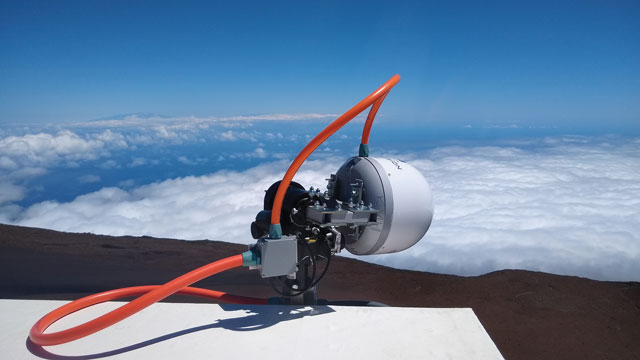
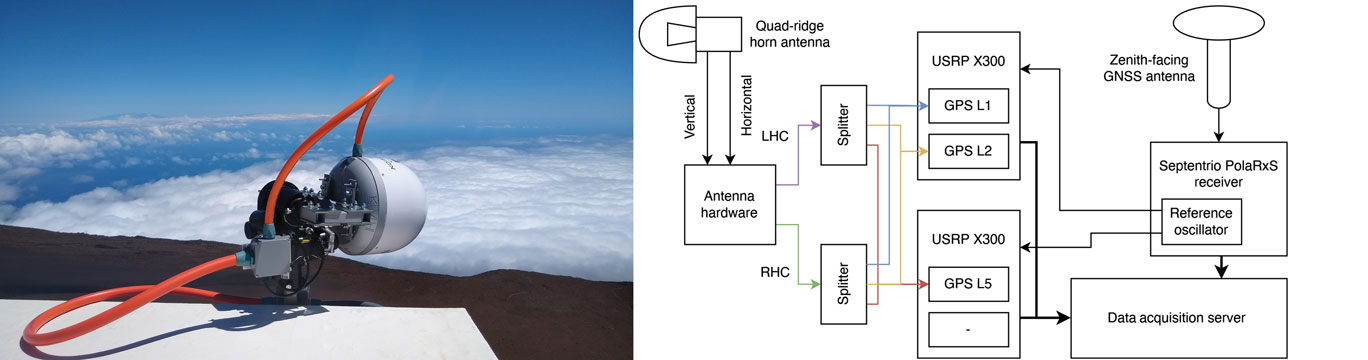
    The current form of the CU SeNSe Lab Mount Haleakalā GNSS experiment was deployed in June 2020. It consists of a side-facing dual-polarization horn antenna, which is shown in the left panel of FIGURE 1, along with a zenith-facing reference antenna. The horizontally- and vertically-polarized wideband signals from the horn antenna are fed into front-end hardware and are combined using 90-degree phase combiners to form LHC and RHC polarized signals, which are then recorded by a set of Ettus Universal Software Radio Peripherals (USRPs). Meanwhile, the signal from the reference antenna is sent to a Septentrio PolaRxS receiver. The right panel in Figure 1 illustrates the system setup. Note that the Septentrio onboard oven-controlled crystal oscillator is used to drive the USRPs. This allows us to use the Septentrio outputs to estimate the receiver clock variations and use them in the receiver clock component of our open-loop models, which we discuss below.

    Figure 1 The side-facing horn antenna in its radome enclosure (left panel) and the hardware block diagram of the data collection system (right panel). (All figures provided by the authors)
    Figure 1: The side-facing horn antenna in its radome enclosure (left panel) and the hardware block diagram of the data collection system (right panel). (All figures provided by the authors)

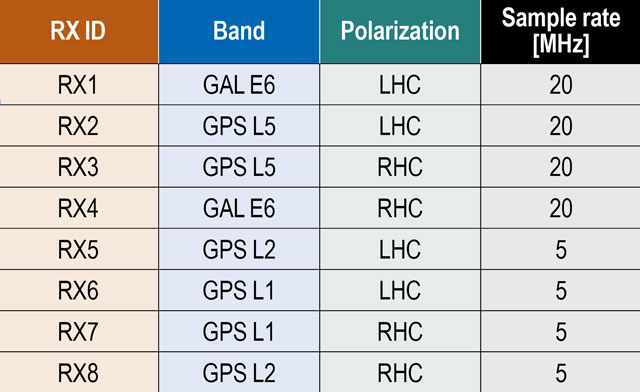
    Each USRP can record up to four signals at two different mixdown frequencies, allowing for recording of both the RHC and LHC polarized signals on up to four different bands. The first USRP records the L1 and L2 bands with center frequencies at 1575.42 and 1227.6 MHz, respectively, at a bandwidth of 5 MHz. The second USRP records the L5 and E6/B3 bands at center frequencies of 1176.45 and 1271.25 MHz and at a 20 MHz bandwidth. TABLE 1 lists the IDs for each receive channel along with its corresponding band, polarization and sampling rate. Note that the recorded signals covering the E6 band also capture BeiDou B3 signals, but we restrict our analysis to GPS L1, L2 and L5 signals in this article. The samples from these USRPs are written to disk along with the Septentrio Binary Format (SBF) output of the PolaRxS receiver.

    Table 1 Receiver IDs with corresponding band and polarization.
    Table 1: Receiver IDs with corresponding band and polarization.

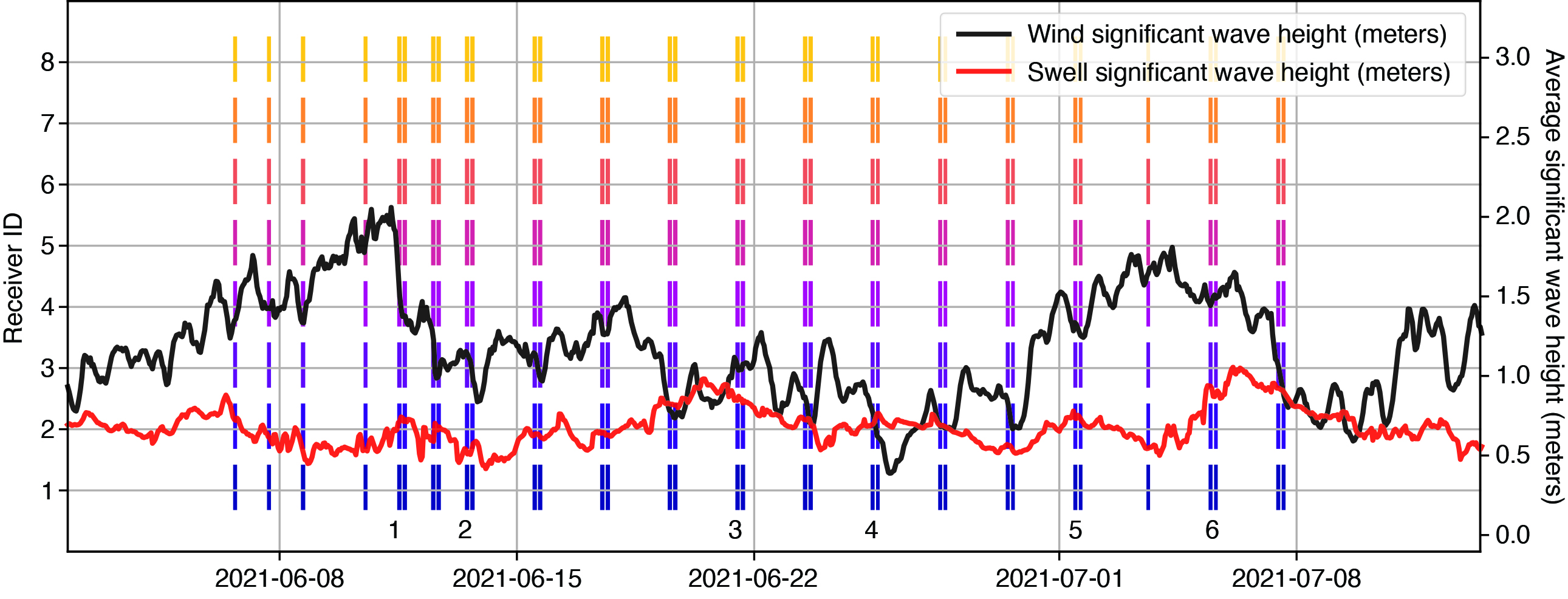
    Starting in June 2021, periodic collections were taken for around one hour at a time, which is about the amount of time it takes for a GPS satellite to pass from an elevation angle of 0 degrees to one of more than 20 degrees. The collection times were adjusted to target the passes of satellites whose specular reflection point passed within the azimuthal range of the horn antenna, which faces roughly to the south and has a beam width of around 60 degrees. FIGURE 2 summarizes the available datasets from the first month of collections. The right-most panels of FIGURE 3 show examples of the specular track for GPS PRN 6 as it sets over the horizon on June 13, 2022, at around 12:00-13:00 UT. This is the pass on which we focus in this work, since PRN 6 transmits the L1CA, L2C and L5 signals and consistently had a specular point in our region of interest.

    Figure 2 Available data during the first month of collections. The average significant wave height in the region south of Haleakalā is also plotted. Numbers near the bottom indicate the datasets analyzed for this article.
    Figure 2: Available data during the first month of collections. The average significant wave height in the region south of Haleakalā is also plotted. Numbers near the bottom indicate the datasets analyzed for this article.

    METHODOLOGY

    Our processing method for open-loop tracking of the reflected GNSS signals is based on our previous work in which we produced DDMs and delay maps of the signal-to-noise ratio (SNR) measurements for multiple signal frequencies and received polarizations.

    Pseudorange Model. We start by generating a model of the pseudorange for both the direct and reflected signal. The model only needs to be accurate down to the chip level, since we correlate across several chips of delay for the received signals. Setting a somewhat arbitrary accuracy requirement of 0.5 chips (equivalent to a delay of around 150 meters for L1CA/L2C or 15 meters for L5 signals), allows us to ignore path delays from the ionosphere and troposphere, which should only account for up to several meters of delay. The model has three terms that we estimate relative to GPS System Time (GPST): the receiver clock error, the satellite transmitter clock error and the geometric range. We use a surveyed position of the horn antenna along with International GNSS Service precise orbit and clock products for the transmitter clock error and positions. These allow us to compute the transmitter clock error and path delay for the direct signal. The reflected signal path delay can be found by computing the specular reflection point on the WGS84 ellipsoid and adding the distances from the transmitter to the specular point and the specular point to the receiver. The remaining term to estimate is the receiver clock error. Recall that our USRPs are driven by the Septentrio internal oscillator. Therefore, the clock error in Septentrio measurements is associated with variations in the reference oscillator for the USRPs. We utilize a geodetic detrending technique to estimate these clock variations and apply them to our pseudorange model. To construct the full receiver clock error, we estimate the time-alignment of the samples near the beginning of the collections to GPST by tracking one minute of a strong, mid-elevation-angle satellite and decoding its timing information. This provides us with an estimate of GPST at the start of the file, which we can use to construct a full estimate of the GPST at any sample in the file. Also, given our pseudorange model, we can find the received code phase and the Doppler frequency.

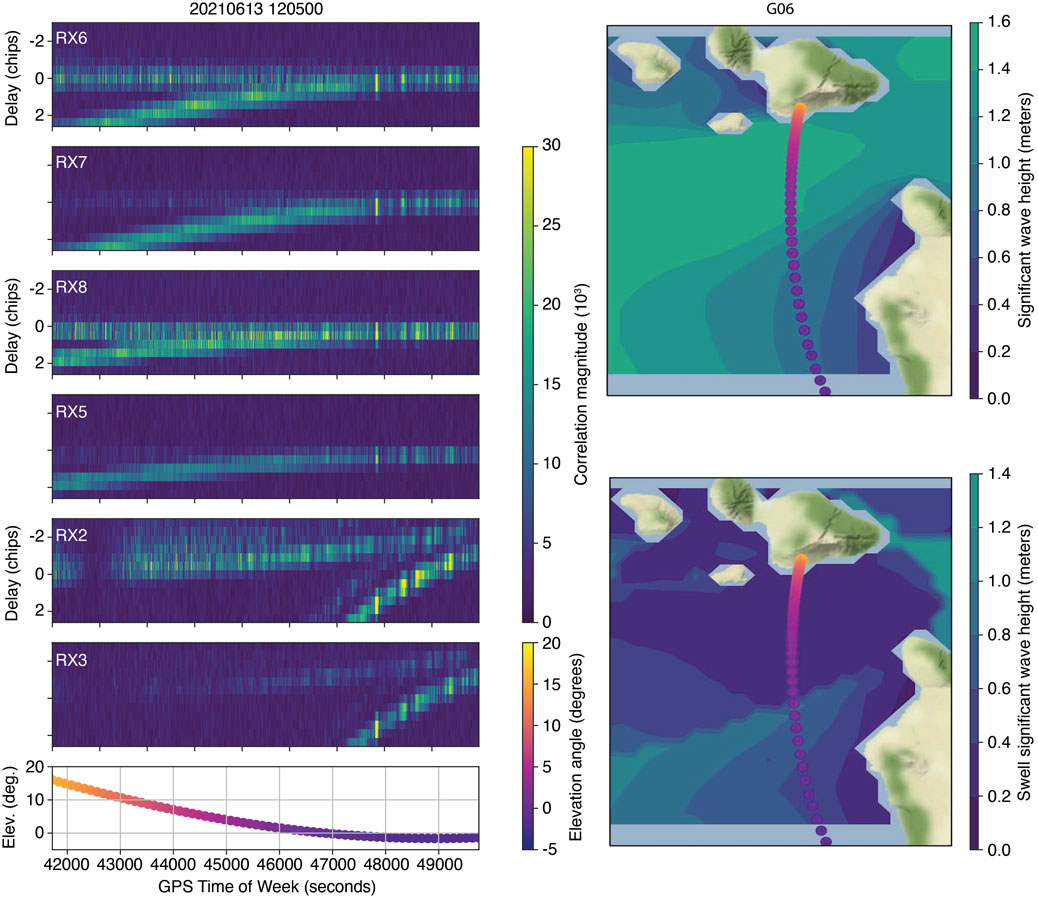
    Figure 3 Example of delay maps from GPS PRN 6. The panels to the left show delay maps for the L1CA, L2C and L5 signals, both RHC and LHC polarizations. The bottom panel shows the corresponding elevation angle over the duration of the pass. The maps to the right show the specular point location during the pass, along with a contour of the WW3 model for significant wave height and swell-significant wave height.
    Figure 3: Example of delay maps from GPS PRN 6. The panels to the left show delay maps for the L1CA, L2C and L5 signals, both RHC and LHC polarizations. The bottom panel shows the corresponding elevation angle over the duration of the pass. The maps to the right show the specular point location during the pass, along with a contour of the WW3 model for significant wave height and swell-significant wave height.

    Signal Correlation. Using the established code phase and Doppler models, we generate correlations for both reflected and direct signals. We correlate a reference signal over each 1-millisecond interval, and for sanity-checking purposes, we compute correlations over ± 3 chips at 0.5 chip spacing. This results in in-phase and quadrature (I/Q) correlation outputs every 1 millisecond. The left panels in Figure 3 show examples of the processed reflected signals for RHC and LHC polarization L1CA, L2C and L5Q signals from PRN 6 on June 13, 2021, at 12:00-13:00 UT. Note that as the satellite sets, at around 4 degrees elevation angle, the reflected signals merge with the stronger direct signal on the L1 and L2 signals. This happens later on L5 due to its higher bandwidth. We use the 0.0 chip bin to obtain I/Q outputs for carrier-phase processing for L1 and L2. For L5, we use the 0.0, -0.5, or -1.0 chip bin to account for model mismatch toward the end of the file.

    Signal Fading and the WW3 Ocean Model. An eventual goal of the Haleakalā reflectometry experiment is to compare the characteristics of processed reflected signals with the ocean surface parameters near the specular point and glistening zone. To this end, we have incorporated data from the Hawaii regional WaveWatcher 3 (WW3) model. The model outputs information about wave height, direction and period due to both wind and swell, and has a resolution of around 5 kilometers. The data from this model is available in NetCDF format from several web services. The right panels of Figure 3 show contours of the wind- and swell-significant wave height in the South Haleakalā region. Meanwhile, note that the reflected signals (left panels) show high variability in the received power throughout the duration of the collection. While we hoped to be able to immediately observe a correlation between these wave parameters and the power fluctuations, it is clear that we need additional processing to tease out such a signal, and the changing satellite geometry will likely make this difficult to observe and validate. Even still, our results at the end of this article will show that there is likely some correlation between fading and wind parameters, though to what extent is unknown. Finally, note that the LHC polarizations (RX6, RX8, RX2) show much stronger reflected signals than the RHC polarizations. Since we are interested in processing the phase for the reflected signals, we report exclusively on the use of the LHC polarization signals in the rest of this article.

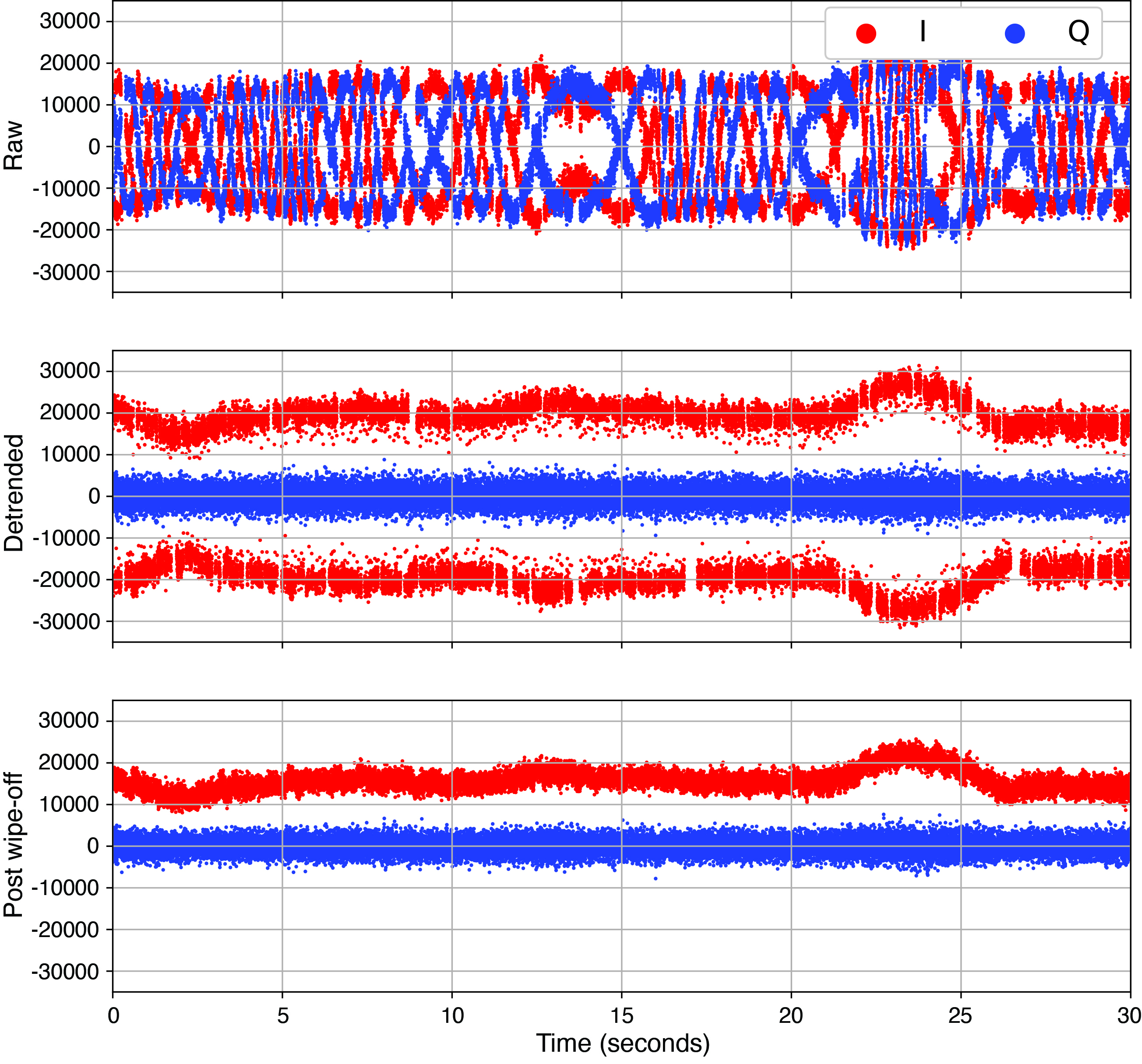
    Carrier-Phase Processing. Once the correlations are performed, we take the I/Q correlations for both direct and reflected signals and process them to retrieve the cleaned reflected signal phase. The first series of steps in this process involve processing the direct signal to determine navigation / overlay symbol alignment and to estimate any residual phase fluctuations, which are mostly due to unmodeled receiver clock fluctuations. FIGURE 4 illustrates this process for the L1CA signal. The raw I/Q correlations are shown in the top panel. To these we apply a Costas phase-lock loop (PLL) to track the residual phase fluctuations without being sensitive to navigation / overlay symbol transitions. Next, we remove these residual phase fluctuations to obtain the detrended I/Q values.

    Figure 4 The I/Q data cleaning process for the L1CA direct signal.
    Figure 4: The I/Q data cleaning process for the L1CA direct signal.

    As shown in the second panel, these quadrature components of the detrended I/Q values are centered at zero while the in-phase component now shows the data bits / overlay symbols. We use the detrended I/Q values to estimate the navigation bit sequence on the L1CA and L2C signals. Likewise, we estimate the alignment of the Neumann-Hoffmann overlay sequence for the L5 signal. Finally, we wipe off the estimated data bits or overlay sequence to verify the procedure. The results of wiping off the estimated navigation bits for the L1CA signal are shown in the third panel of Figure 4.

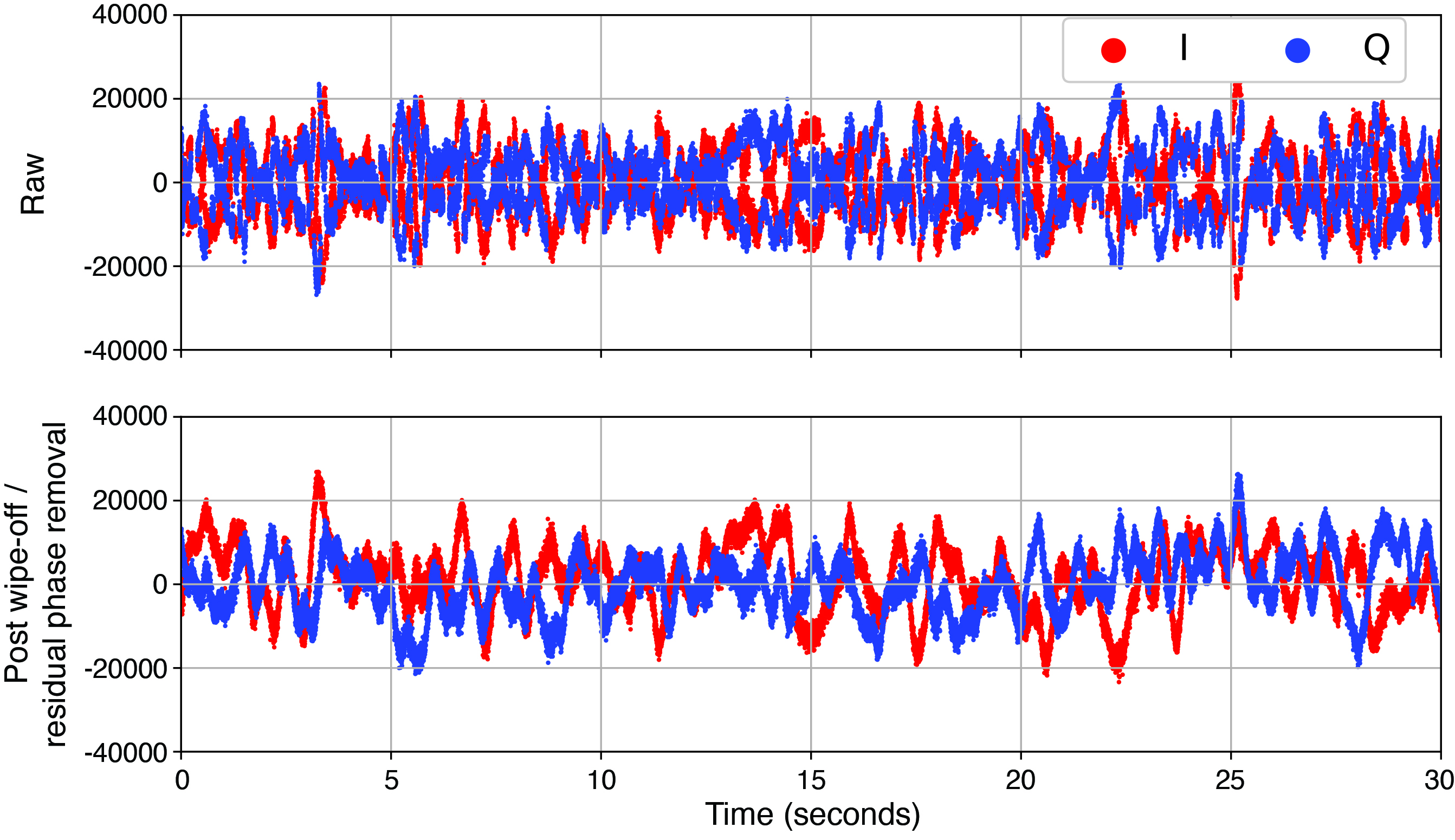
    Having obtained the residual phase fluctuations and navigation / overlay symbols for the direct signal, we next apply these to clean up the reflected signal. Specifically, we remove residual phase fluctuations from the raw reflected signal I/Q values and then wipe off the corresponding navigation bits or overlay code. FIGURE 5 shows an example of the reflected I/Q data before and after this procedure. The navigation bits are clearly removed, but the reflected signal still shows fairly significant fluctuations in the cleaned I/Q values. It is from these values that we hope to extract the residual reflected signal phase.

    Figure 5 The reflected signal raw I/Q (top) and the I/Q after detrending and wiping off navigation bits for the L1CA signal.
    Figure 5: The reflected signal raw I/Q (top) and the I/Q after detrending and wiping off navigation bits for the L1CA signal.

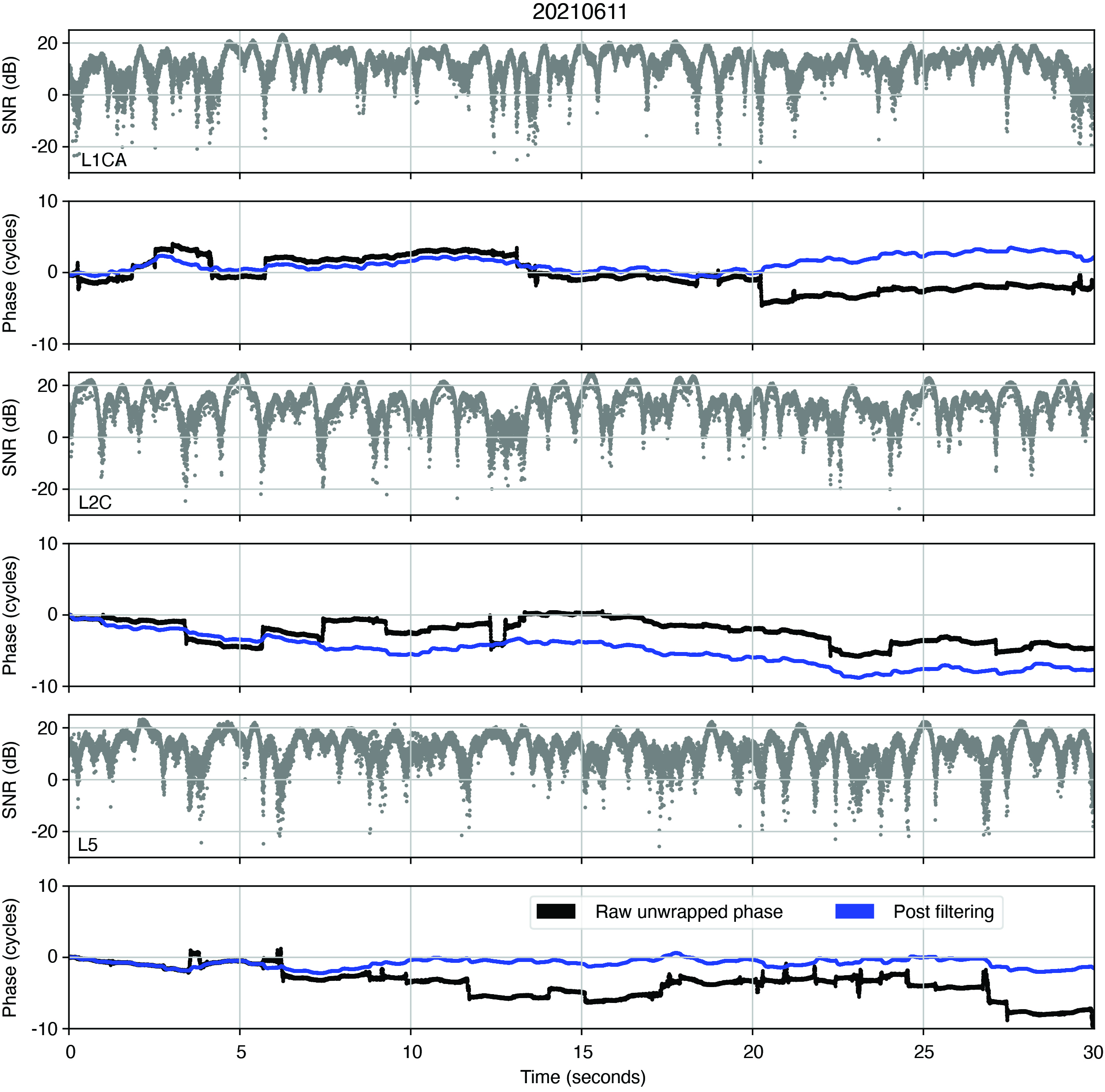
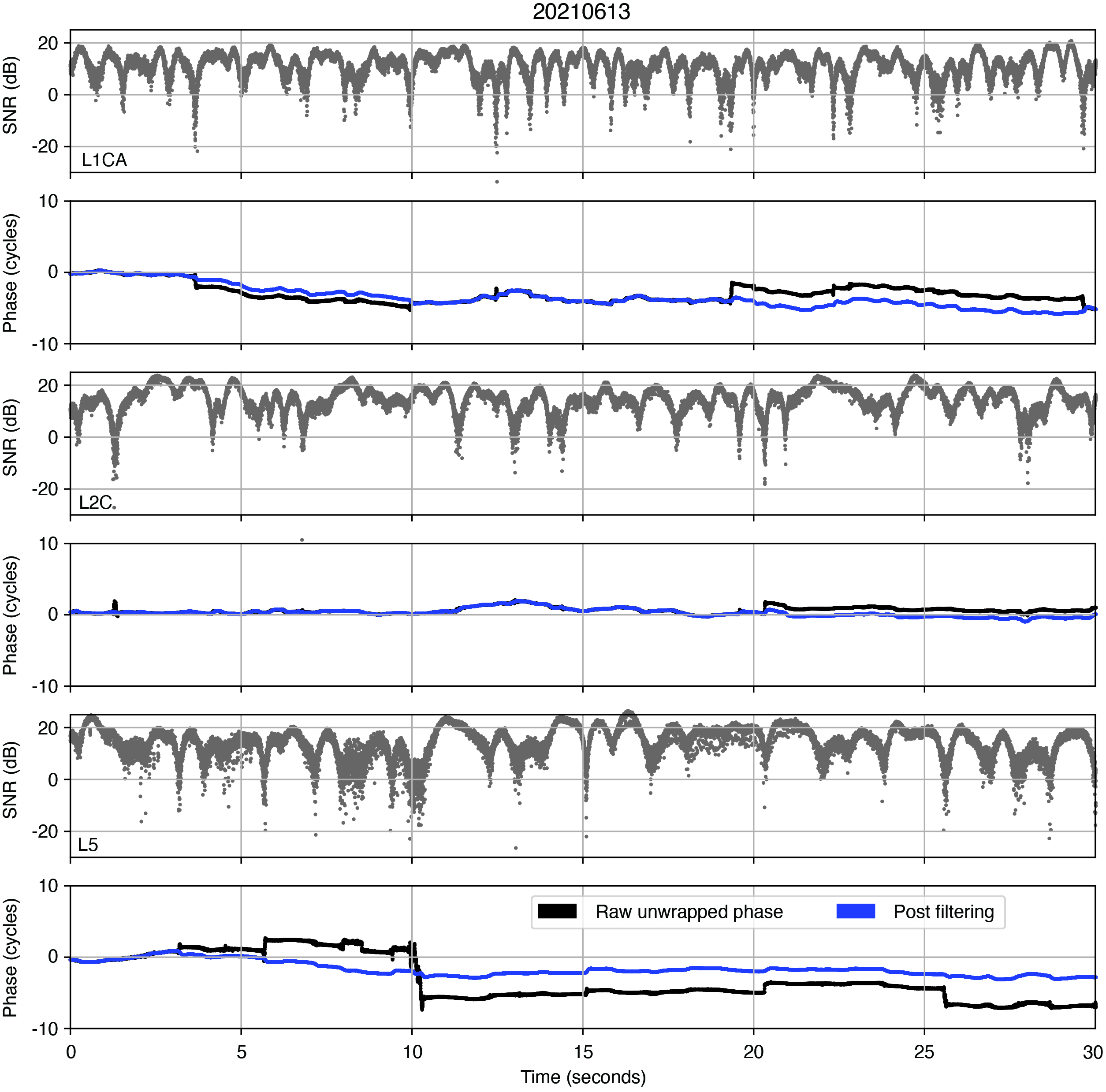
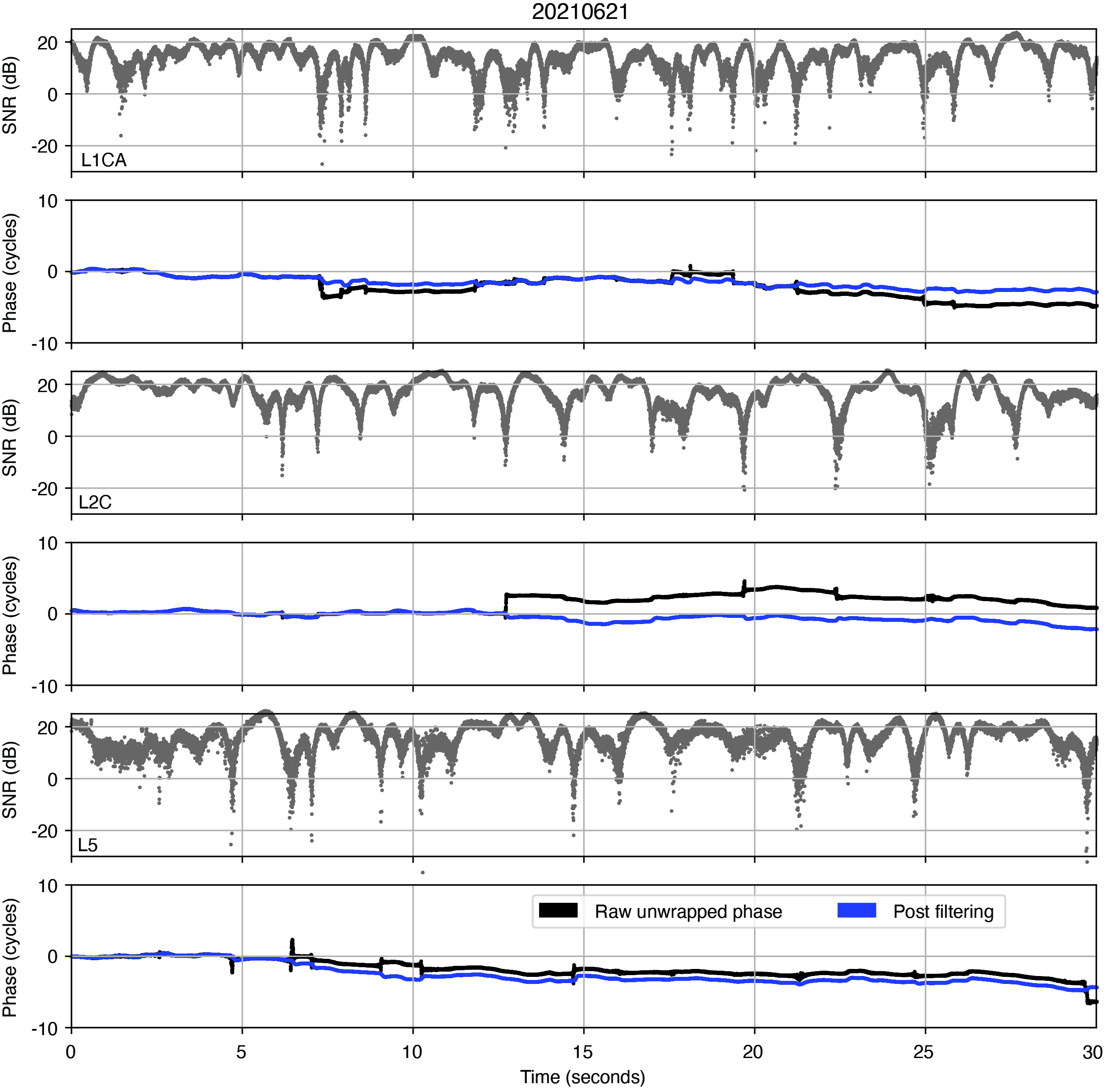
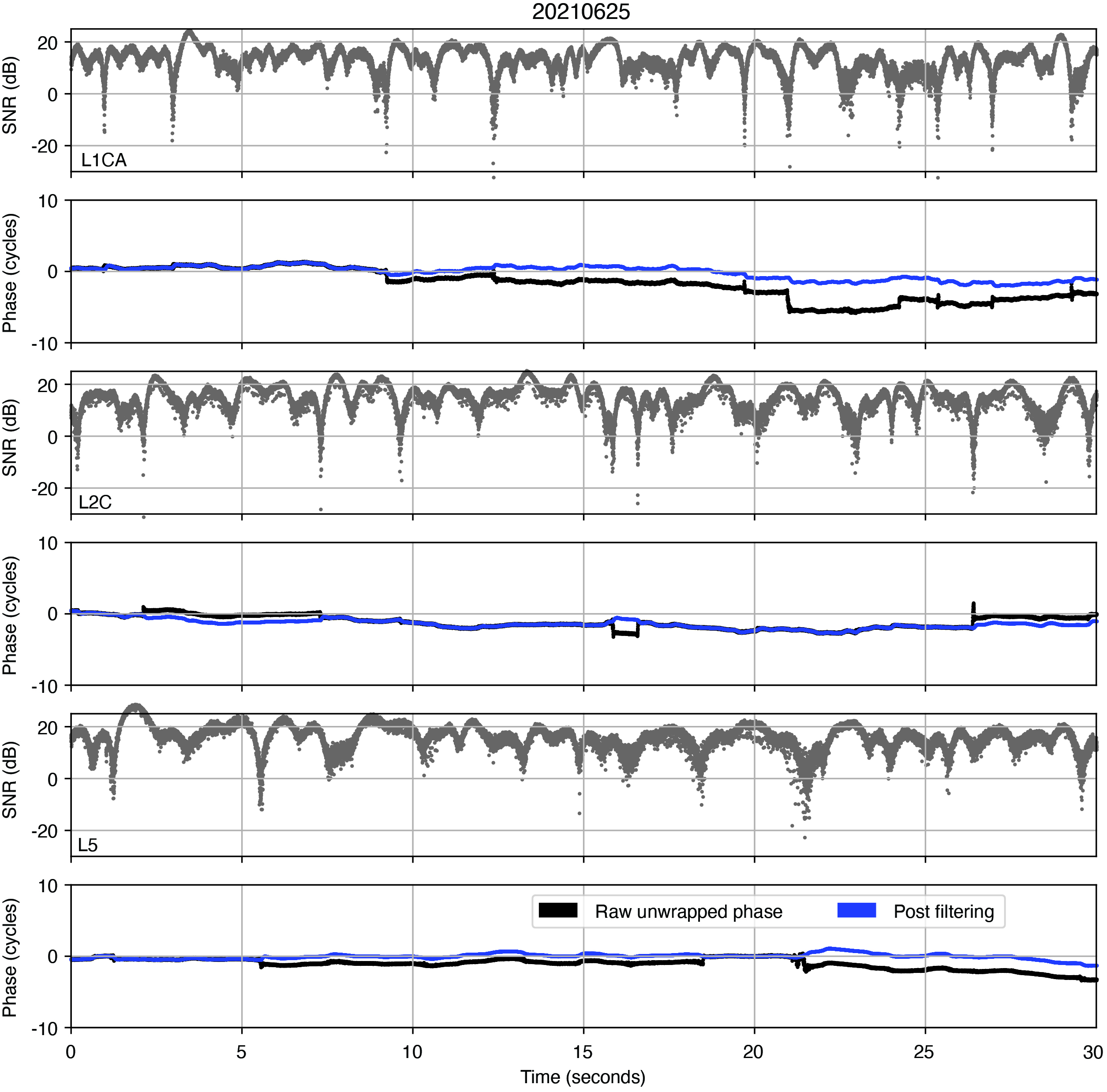
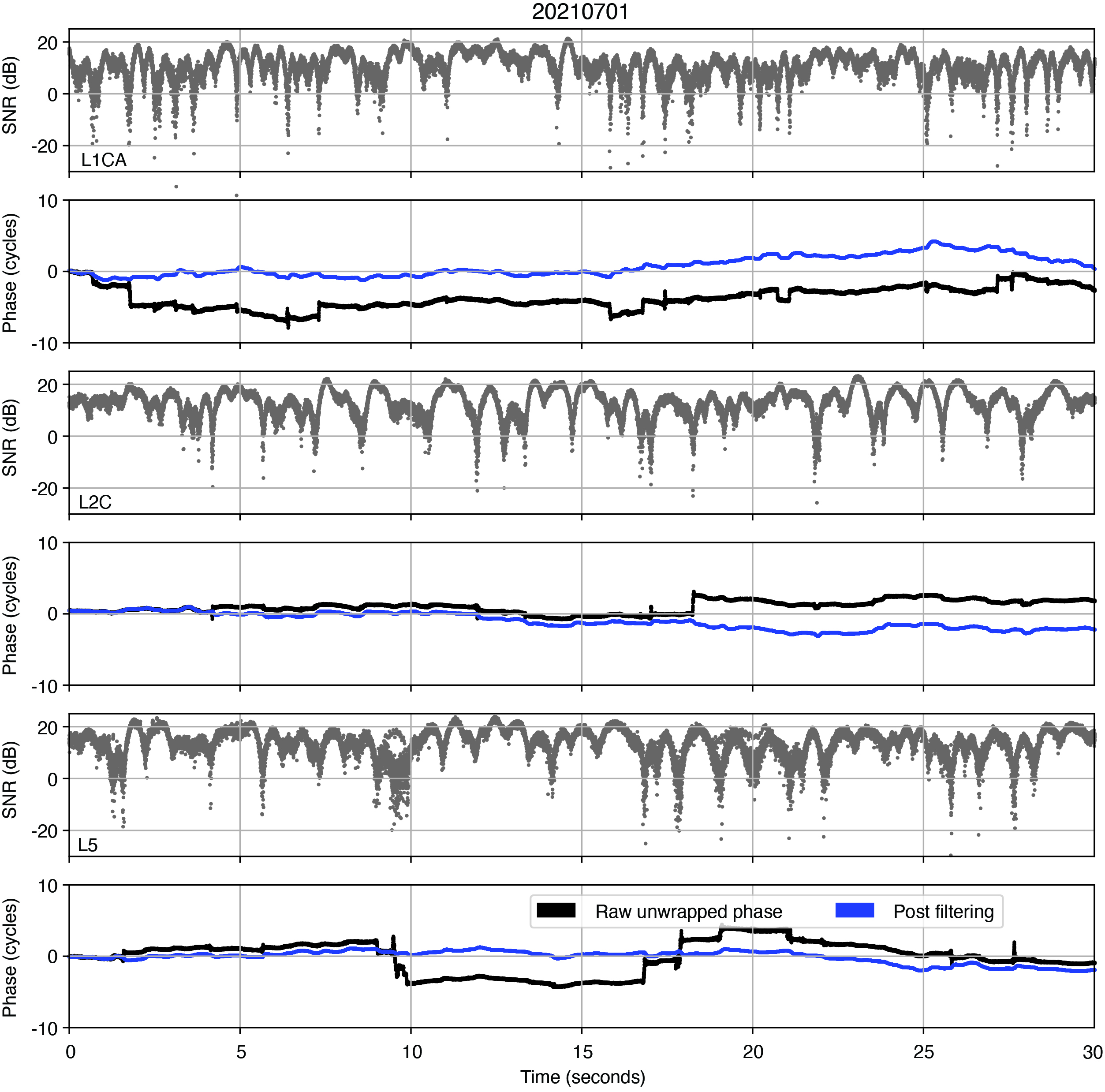
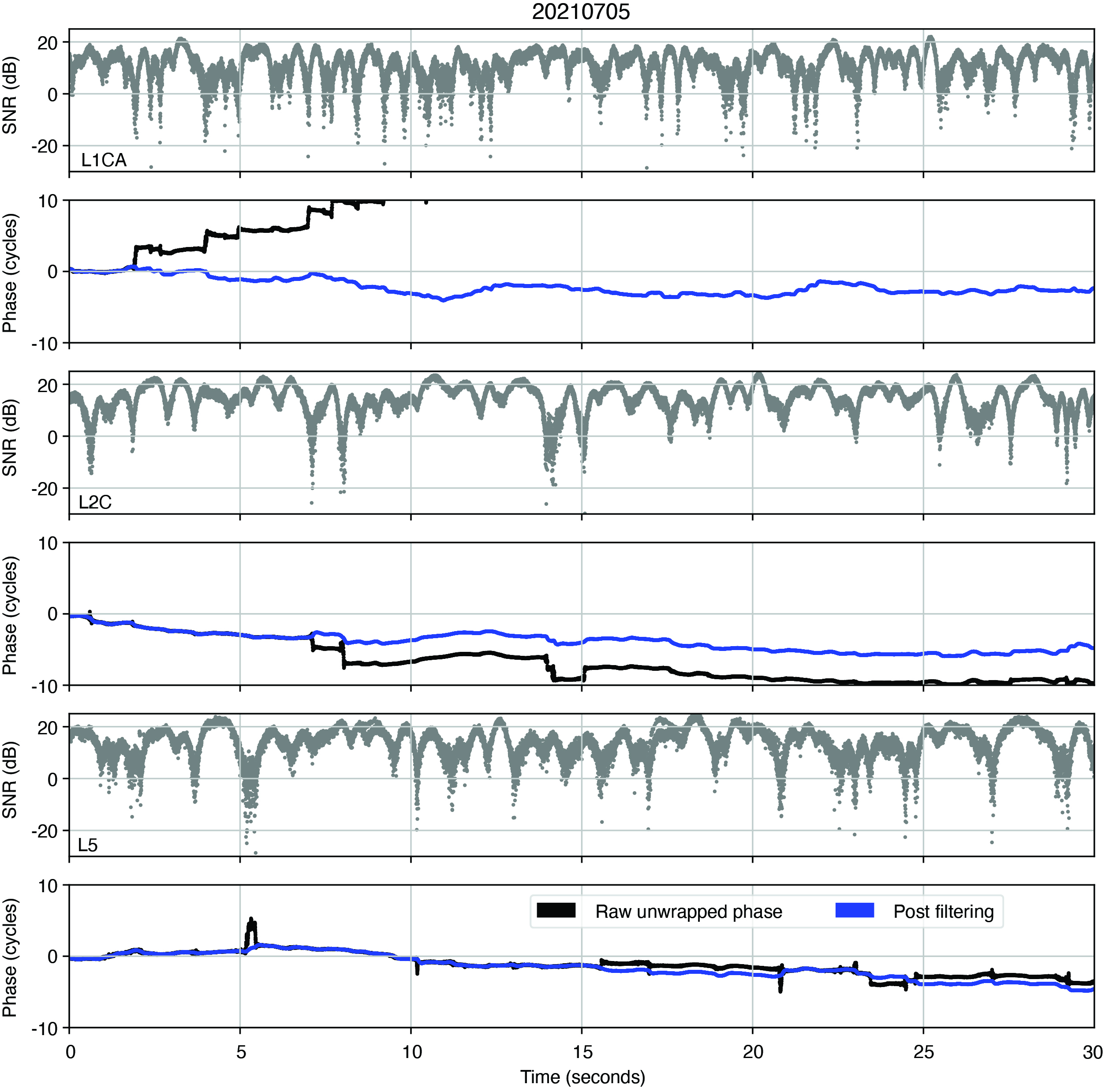
    Under coherent conditions, the phase of the clean reflected I/Q data should contain only the unmodeled effects, including any signature of ocean surface height variation. However, the effect of multipath due to the rough ocean surface causes fluctuations in the received signal amplitude and phase, and can additionally cause cycle slips when we unwrap the phase. To filter out these cycle slips, we apply our simultaneous cycle slip and noise filtering (SCANF) method, which is essentially just a Kalman filter PLL with an additional step that tries to estimate and remove cycle slips. The figures in the next section show the results of applying this entire procedure to the reflected signals. The black and blue lines show the phase before and after applying SCANF. The reflected signal I/Q SNR is also included for reference. Note how the jumps in the black line coincide with SNR fades, and the blue line effectively recreates the phase trend of the black line without these jumps. This is good qualitative evidence that the SCANF algorithm was effective.

    RESULTS

    FIGURES 6, 7, 8, 9, 10, and 11 show the reflected signal SNR and phase for GPS PRN 6 on 6 different days. Note that these days correspond to the marked days in Figure 2, from which we observe that the wind-significant wave height is relatively high on days 1, 5, and 6, moderate on days 2 and 3, and relatively low on day 4. We noticed that the SNR fluctuations on days 1, 5, and 6 are comparatively more frequent than on other days, which we believe may be a signature of the ocean surface conditions. A more detailed analysis of this result is a topic for our future work.

    Figure 6 Reflected signal residual phase before (blue) and after (black) applying the SCANF filtering for the June 11, 2021 dataset. Amplitude and phase are shown in alternating panels for L1CA, L2C and L5 respectively.
    Figure 6: Reflected signal residual phase before (blue) and after (black) applying the SCANF filtering for the June 11, 2021 dataset. Amplitude and phase are shown in alternating panels for L1CA, L2C and L5 respectively.
    Figure 7: Phase processing results for June 13, 2021.
    Figure 7: Phase processing results for June 13, 2021.

    Overall, we observe that the phase trend is not consistent across the three signals (L1CA, L2C, L5) for any of the days. With all the multipath signatures in the cleaned reflected signal, it was uncertain whether the extracted phase will be useful for applications such as ocean surface altimetry, and these qualitative results suggest that they probably will not be. However, season and hours of the day that were processed for our work discussed in this article are very limited. It is possible that processing more data will shed further insight onto whether the reflected signal phase is usable in this experiment.

    Figure 8 Phase processing results for June 21, 2021.
    Figure 8 Phase processing results for June 21, 2021.
    Figure 9 Phase processing results for June 25, 2021.
    Figure 9: Phase processing results for June 25, 2021.

    ACKNOWLEDGMENTS

    The Haleakalā data collection system has been established with support from the University of Hawaii Institute of Astronomy, and the Air Force Research Laboratory. The authors appreciate the assistance from Michael Maberry, Rob Ratkowski, Daniel O’Gara, Craig Foreman, Frank van Graas and Neeraj Pujara. This research is funded by a subaward from the National Oceanic and Atmospheric Administration through the University Corporation for Atmospheric Research to CU Boulder and with partial funding support from the NASA Commercial Smallsat Data Acquisition program.

    This article is based on the paper “Initial Carrier Phase Processing for the Haleakala Mountaintop GNSS-R Experiment” presented at ION ITM 2023, the 2023 International Technical Meeting of the Institute of Navigation, Long Beach, California, Jan. 23–26, 2023.

    Figure 10 Phase processing results for July 1, 2021.
    Figure 10: Phase processing results for July 1, 2021.
    Figure 11 Phase processing results for July 5, 2021.
    Figure 11: Phase processing results for July 5, 2021.

    BRIAN BREITSCH is a postdoctoral fellow at the University of Colorado (CU) Boulder, where he received his Ph.D. in aerospace engineering sciences.
    JADE MORTON is a professor in the Ann and H.J. Smead Department of Aerospace Engineering Sciences and the director of the Colorado Center for Astrodynamics Research at CU Boulder.

  • Launchpad: New GNSS receivers, antennas and PPK software

    Launchpad: New GNSS receivers, antennas and PPK software

    A roundup of recent products in the GNSS and inertial positioning industry from the November 2023 issue of GPS World magazine.


    SURVEYING & MAPPING

    Photo:

    MEMS IMU

    Suitable for rugged environments

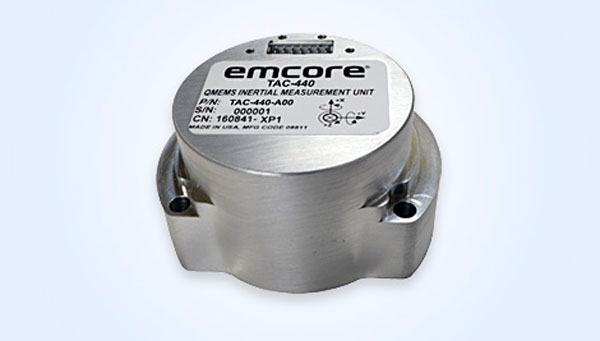
    The TAC-440 MEMS inertial measurement unit (IMU) is designed for demanding, mission-critical, rugged environments in a wide variety of defense, commercial, industrial, and marine applications. The TAC-440 features 1°/hr gyro bias and 1 mg accelerometer bias stability with 0.05°/√hr angle random walk over a wide temperature range. The solid-state quartz sensors and hermetically sealed IMU construction provide reliable MTBF and storage life, EMCORE stated. The TAC-440 supports four data message synchronization methods with either input synchronization pulse capability or an output time of validity capability. The user can choose whether the synchronization pulse is internally generated and output as a time of validity of the output data or whether the TAC-440 software will identify the synchronization pulse input and synchronize the output data to the input pulse.
    EMCORE Corporation, emcore.com

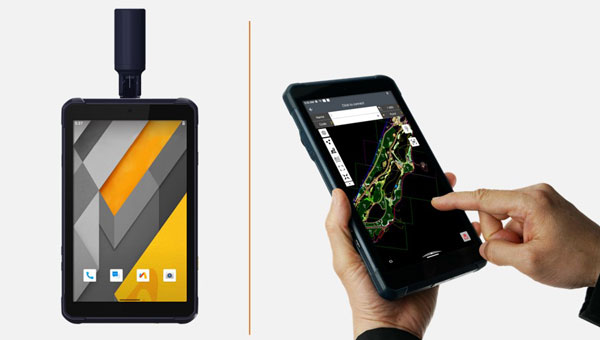
    Image: CHCNAV

    RTK GNSS Tablet
    A rugged device designed for geospatial and mapping operations in the field

    The LT800H offers users robust outdoor performance, data security and centimeter-level accuracy for a variety of applications, including construction, environmental surveying and any industry in which Android tablets are used. Featuring a high-performance 1,408-channel GPS, GLONASS, Galileo and BeiDou module and a tracking GNSS helix antenna, the LT800H RTK Android tablet offers centimeter-to-decimeter positioning accuracy in challenging environments. It also comes equipped with a 4G modem to simplify connectivity to GNSS RTK network corrections. The technology also offers an eight-hour battery life, allowing users to collect data in the field uninterrupted.
    CHC Navigation, chcnav.comPhoto:

    PPK Software
    For land surveying, hydrography, airborne surveys, construction, and applications that require precise positioning

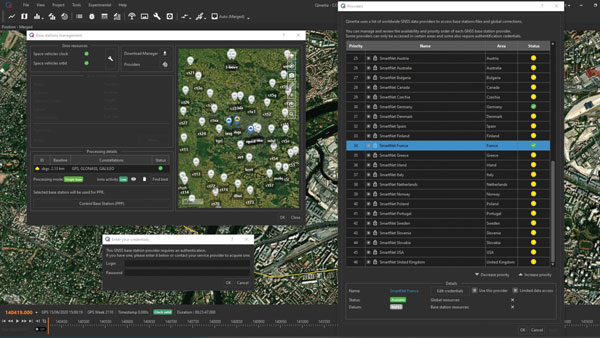
    The Qinertia 4 contains an enhanced geodesy engine that has an extensive selection of preconfigured coordinate reference systems (CRS) and transformations, making it a suitable solution for applications that use diverse geodetic data. To tackle the challenges of variable ionospheric activity, Qinertia 4 features an Ionoshield post-processed kinematic (PPK) mode. This feature compensates for ionospheric conditions and baseline distances, enabling users to perform PPK even for long baselines and/or harsh ionospheric conditions. This ensures surveyors can achieve centimeter accuracy even in regions with unpredictable ionospheric disturbances. Another addition to the Qinertia 4 is an extended network support for continuously operating reference stations (CORS). This feature gives users access to a network of 5,000 SmartNet CORS for reliable GNSS data processing. These base stations add to the network of base stations directly available in Qinertia, bringing the total to more than 10,000 bases in 164 countries.

    For data that cannot be processed using PPK, Qinertia 4 offers an alternative solution with its tightly coupled precise point positioning algorithm. This new processing mode, available for all users with active Qinertia maintenance, provides post-processing anywhere in the world without a base station, with a horizontal accuracy of 4 cm and a vertical accuracy of 8 cm.
    SBG Systems, sbg-systems.com
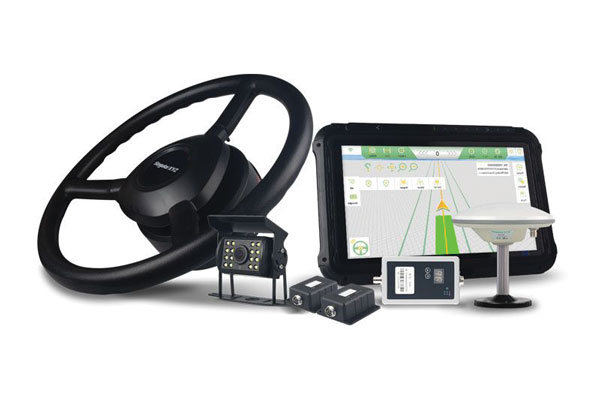
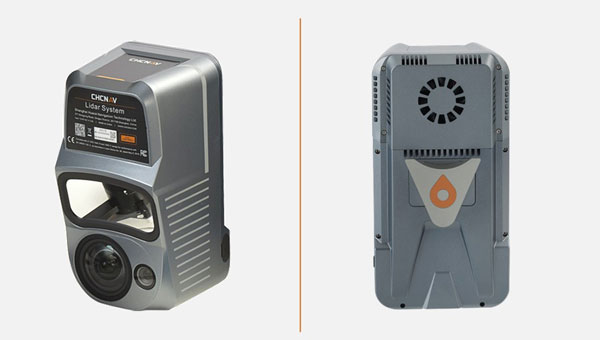
    Image: CHCNAV

    Airborne Lidar + RGB System
    Designed to enhance the details of aerial mapping operations

    The AlphaAir 10 (AA10) features a high-precision navigation algorithm that provides 5 mm repeated range accuracy and achieves absolute precision in the 2 cm to 5 cm range, even in complex environments. The AA10 is capable of long-range measurements of up to 800 m, rapid scanning at 500,000 points per second, and features a continuously rotating mirror that enables scanning speeds of 250 scans per second. The AA10 enables the creation of mesh models by generating high-quality point clouds. It is powered by a 45 MP orthographic internal camera that provides high-resolution image mapping textures for 3D model reconstruction with realistic point cloud colorization. The AA10 also supports automated reality capture and real-time data visualization accessible directly from the UAV controller. The AA10 lidar system is lightweight and compact, weighing 1.55 kg, and provides a 30 min operating time when integrated with UAVs such as the DJI M350. The system is also IP64-rated.
    CHC Navigation, chcnav.com
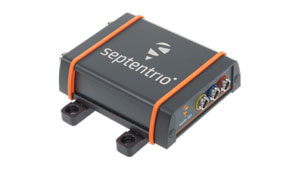
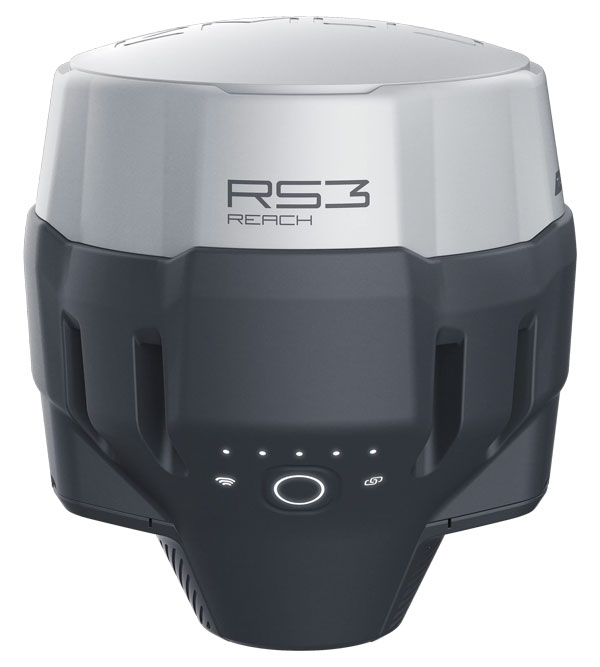
    Image: Emlid

    GNSS Receiver
    Designed for survey projects

    The Reach RS3 is a GNSS receiver that features inertial measurement unit (IMU) tilt compensation and a dual-band radio for enhanced compatibility with third-party receivers. The Reach RS3 enables users to survey at large tilt angles while maintaining survey-grade accuracy. The multi-band receiver works both as a base and a rover and comes factory calibrated. The receiver offers versatile options to get corrections from continuously operating reference stations (CORS), another Reach device, or a third-party base, so users can mix and match real-time-kinematic (RTK) receivers in a fleet. Its NTRIP connectivity enables corrections from CORS, NTRIP service, or a GNSS receiver using Emlid NTRIP Caster. When connected over NTRIP, Reach works on a baseline of more than 60 km in RTK and 100 km in post-processed kinematic.
    Emlid, emlid.com
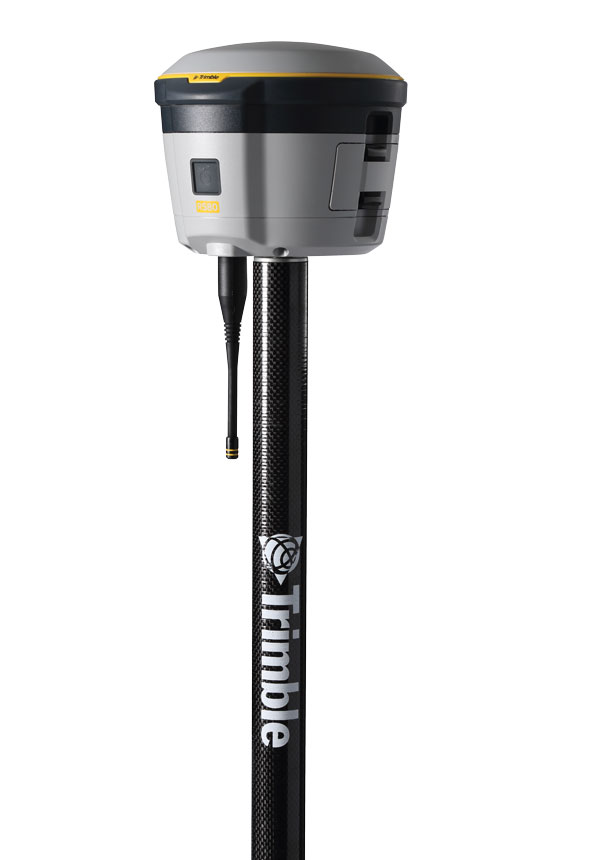
    GNSS Receiver
    Includes Trimble ProPoint and delivers survey precision and productivity in the field

    The R580 GNSS receiver enables professionals in surveying, mapping and GIS, civil construction, and utilities to capture centimeter-level positioning. With the Trimble ProPoint GNSS engine embedded, users can measure points in challenging environments, such as under tree canopy or near buildings, while EVEREST Plus technology can identify and remove unwanted multipath signals for improved accuracy and data confidence. Using the Maxwell 7 chipset technology, the receiver provides fast processing, anti-spoofing capability and the ability to track all available GNSS constellations. The R580 supports Trimble RTX correction services for RTK-level precision without the use of a local base station or VRS network wherever correction sources are available. The receiver can be paired with all current mobile devices on a variety of operating systems and platforms —from a Trimble handheld or controller to a modern smartphone or tablet. It can also be mounted on a pole, vehicle or backpack.

    Trimble, trimble.com


    OEM

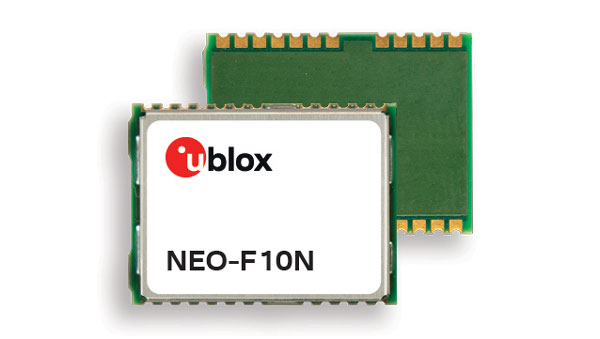
    Image: u-blox

    GNSS Module
    Supports L1/L5 GNSS bands from multiple constellations, including NavIC

    The NEO-F10N positioning module is based on the u-blox NEO form factor and is equipped with u-blox F10 dual-band GNSS technology. The NEO-F10N supports L1/L5 GNSS bands from multiple constellations — including NavIC — to provide meter-level position accuracy in urban areas. Its firmware is upgradeable and configurable to support several applications such as the vehicle telematics and micromobility markets or industrial applications requiring meter-level position accuracy. The NEO-F10N improves position accuracy in urban environments with its enhanced resilience against multipath interference. By leveraging signals from both the L1 and L5 bands, this module achieves better accuracy than using the L1 band alone. Users currently employing receivers based on modules such as the u-blox NEO-M8 and NEO-M9, can migrate to the new NEO-F10N generation. The module enhances accuracy, reduces power consumption, and offers an alternative solution to users who do not want to deploy dead reckoning set-ups.
    u-blox, u-blox.com

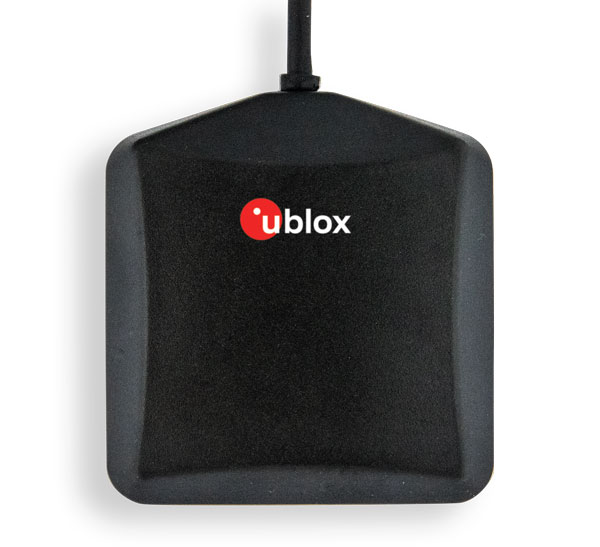
    Photo:

    Multi-Band GNSS Antenna
    Designed to enhance meter-level positioning solutions

    The ANN-MB5 is a multi-band (L1/L5/E5a/B2a) GNSS antenna that is optimized for the u-blox F10 platform and enables precise, reliable, and robust positioning, even in challenging environments. The antenna features concurrent reception of multiple navigation systems, including NavIC. The ANN-MB5 has a compact design with a magnetic base.
    u-blox, u-blox.com

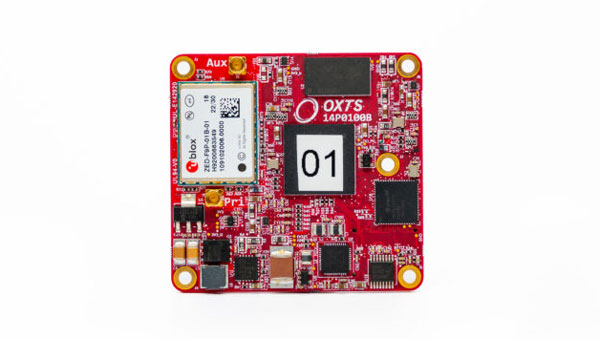
    Image: OxTS

    INS
    A product for mobile mapping, autonomy, and more

    The xRED3000 inertial navigation system (INS) offers quad-constellation GNSS support for multiple applications. The INS weighs 20 g, making it suitable for aerial payloads. At 53.6 mm x 50.6 mm x 9.5 mm in size, it can be incorporated without drastically changing a user’s design. When in a GNSS-denied area, the xRED3000 provides a position accuracy of 0.5 m even after 60 seconds. It features gx/ix tight-coupling algorithms, which improve accuracy in urban canyons and speed up real-time kinematic reacquisition after temporary GNSS outages. The xRED3000 features lidar inertial odometry, which takes data from lidar in post-processing to reduce inertial measurement unit drift and improve accuracy in areas with poor or no GNSS signal. Additionally, embedded NTRIP makes it easier to get GNSS corrections.
    OxTS, oxts.com

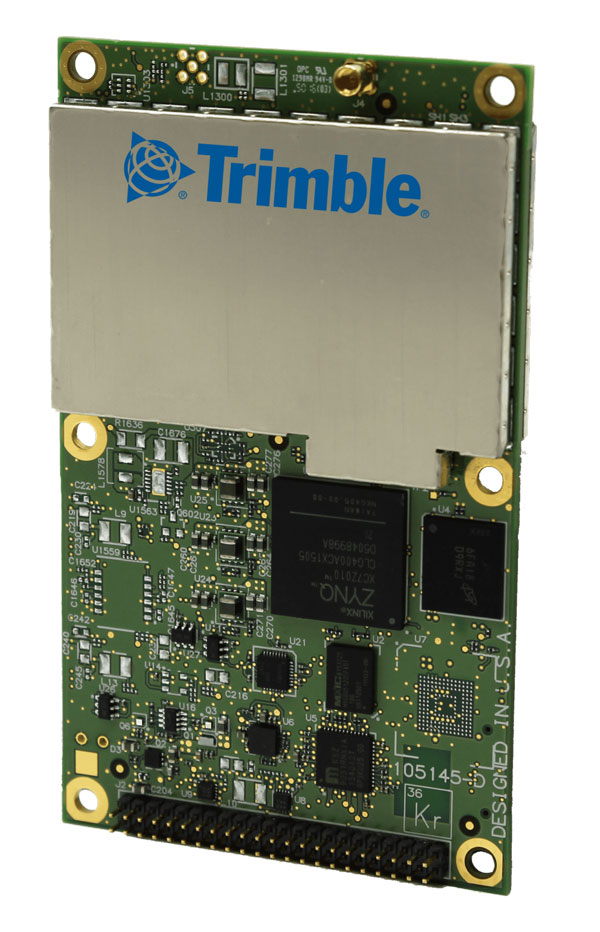
    Photo:

    Triple Frequency GNSS Receiver
    Complete with a compact design for mobile applications

    The BD990 supports triple frequency for the GPS, GLONASS, BeiDou and Galileo constellations. The receiver offers quick and reliable real-time kinematic (RTK) initializations for centimeter positioning. It features Trimble Maxwell 7 technology, which provides 336 tracking channels, Trimble Everest Plus multipath mitigation, and advanced RF spectrum monitoring and analysis. With the option of utilizing OmniSTAR or RTX services, the BD990 delivers varying levels of performance down to centimeter-level without the use of a base station. The BD992 also supports dual antenna GNSS heading while the BD992-INS supports position and orientation at high update rates.
    Trimble, oemgnss.trimble.com


    MACHINE CONTROL

    Photo:

    Automated Steering System
    Designed for precision agriculture applications

    The SAgro150 automated steering system aims to provide farmers with an easy way to get started with auto-steering. With full-constellation tracking capability, the SAgro150 realizes ±2.5 cm auto-steering accuracy to maximize land use and yield while saving resources such as water and fertilizer. When compared to the first-generation SAgro100 system, the SAgro150 auto-steering system uses a single-antenna solution instead of a dual-antenna solution. It also features simpler integration options, only requiring a strong magnetic chuck to securely attach the antenna to the top of the tractor for satellite signal tracking. The new system also adopts dual gyroscope mode, enhancing the heading data reliability and compatibility with different tractors. The new system aids in applications such as rotary tillage, ridging, sowing and harvesting in straight line, curve, U-turn and more.
    SingularXYZ, singularxyz.com

    Photo: Septentrio

    Positioning and Heading Receiver
    Designed for multiple applications

    AsteRx SB3 Pro+ is a housed multi-frequency GNSS receiver that uses triple-band GNSS technology for reliable centimeter-level real-time kinematic (RTK) positioning and sub-degree heading. With flexibility to be used as a rover or a base station, AsteRx SB3 Pro+ also has an ultra-high update rate and logging functionality. Enclosed in a ruggedized IP68 housing, the device is suitable for harsh environments. The AsteRx SB3 Pro+ has a high update rate and low latency for fast moving vehicles or machine parts.
    Septentrio, septentrio.com

    Image: KP Performance Antennas

    GPS Antennas
    Offers enhanced navigation and tracking for automotive applications

    The KP Performance vehicle GPS antennas come equipped with a gain of 28 dB to capture weak signals, even in the most challenging environments. The antennas also feature high out-of-band rejection. By minimizing signal interference and multipath effects, the antennas provide good signal quality and stability. The features of the antennas enable more precise navigation and enhanced user experiences for personal vehicles, commercial fleets, or autonomous systems. The antennas have a IPX6- or IP66-rated waterproof and dustproof design for reliable operation in harsh conditions.
    KP Performance, kpperformance.com

  • GNSS solutions for challenging environments

    GNSS solutions for challenging environments

    Stacking containers

    Septentrio

    Septentrio has been working on port automation projects with Kalmar, a Finnish company that offers a wide range of cargo handling solutions and services to ports, terminals, distribution centers and heavy industry. I discussed this collaboration with Stef van der Loo, market access manager at Septentrio. Following are excerpts of our conversation. For a much longer version, click here.

    What are the challenges operating in a port?

    In a container terminal or port, everything is interconnected and, therefore, complex. Lately, GNSS has become more popular, especially when coupled with inertial navigation, because the technology has become more capable of delivering centimeter-level accuracy even in challenging environments where the line-of-sight to GNSS satellites may be partially blocked by containers or structures.
    What drives higher accuracy?

    this Kalmar container handler has a Septentrio high-accuracy GNSS/INS receiver and an inertial system, which operate in challenging environments of low satellite visibility. (Image: Kalmar)
    this Kalmar container handler has a Septentrio high-accuracy GNSS/INS receiver and an inertial system, which operate in challenging environments of low satellite visibility. (Image: Kalmar)

    Every year, every terminal stacks a certain number of containers, but not all the information about them is given to the terminal operating system (TOS) automatically. Sometimes, operators must search for misplaced containers, which may require stopping operations and deploying additional personnel. Additionally, it is not very safe to go into these yards. This is one reason why ports began to deploy positioning systems. However, ten years ago, with meter accuracy, they were failing all the time. Now, improvements in the technology have enabled GNSS to become fit for the challenge. In terminals, you can use GNSS or INS systems for vehicle traffic management, autonomous vehicles and tasks, or to get the position of a container.

    For example, when a reach stacker reaches into a stack and locks a container in place, it’s crucial to have a very reliable centimeter-level position. Errors grow as the data is processed from the control systems to the TOS. To know for certain the position of a container when it was placed in a stack errors must not exceed half a meter. Therefore, the reliability and accuracy of the GNSS/INS is crucial for container positioning.

    Do you buy the IMUs and do all the integration?

    We buy the IMUs mostly from Analog Devices. The integrated inertial navigation solution is our own. We focus on inertial navigation in several markets — including logistics, autonomous mining, and agricultural robotics.

    What is the division of labor between you and Kalmar?

    Kalmar is both an OEM and an integrator. They are a guru for the automation of logistics terminals. We work with them mainly as an integrator. They will go to a terminal, like other integrators, and install the systems and other equipment. Kalmar built a whole sensor stack with all types of sensors and integrated this in their packages, such as SmartPort. With a train-the-trainer principle, our engineers trained Kalmar employees, so they have first line control of the installations and troubleshooting. Then we are ready to support them where we can. We have a continuous feedback loop with several logistics customers for suggestions and product recommendations for the evolution of our products and services for this segment.

    Straddling containers

    JAVAD GNSS 

    Straddle carrier in operation equipped with DELTA-3S. (Image: Canva)
    Straddle carrier in operation equipped with DELTA-3S. (Image: Canva)

    One of the largest container companies in the world needed a solution to manage its straddle carriers, which are specialized container handling vehicles at ports that can pick up large containers and move them to trucks, trains, or other container stacks. This is very challenging for container terminal operators because ports are highly complex operating environments that also provide other maritime services, such as storing and managing cargo, forwarding freight, and clearing customs. To handle containers safely and efficiently, modern terminals have buildings, equipment, and cranes in addition to straddle carriers. All this infrastructure creates a lot of multipath that stresses the capabilities of GNSS receivers.

    To develop and install this new system for straddle carrier vehicles, the container company turned to JAVAD GNSS and to ALLSAT GmbH, a German engineering, geodetic and electronic company founded in 1991 that has been JAVAD’s German distribution partner since 1995. To address the challenge, in 2022, ALLSAT GmbH applied a new digital twin concept to supply and support the commissioning of several hundred JAVAD GNSS rover solutions at three international seaports. This required obtaining real-time and highly accurate positional data for moving straddle carriers and uploading it to a terminal information system for control and documentation.

    ALLSAT deployed a geodetic conceptual design that integrates JAVAD GNSS Delta-3S receivers and RingAnt G5T and GrAnt-G5T antennas to deliver precise surveying of two GNSS reference stations per port, then commissioned the system on all the straddle carrier vehicles from a single source. It also developed a solution employing two redundantly operating reference stations that broadcast RTK correction data for all GNSS (GPS, Galileo, GLONASS, and BeiDou) on different IP addresses/radio frequencies. All the JAVAD RTK rovers can receive and process data from both correction sources in parallel thanks to their 874 channels and parallel processors. This offers two advantages. First, it provides a comprehensive fallback in the unlikely event that one reference station fails. Second, it greatly improves the reliability, speed and accuracy of the rovers, which operate in an environment rife with signal shadowing and multipath influences.

    Working closely with its client and JAVAD GNSS, ALLSAT was able to implement this project, from initial idea to verification and commissioning, in only a few weeks. The combination of redundant, multi-constellation reference stations and JAVAD GNSS multi-base RTK yielded a solution that is highly reliable and available, providing for continuous operation despite the challenging environmental conditions. Additionally, JAVAD GNSS provides firmware updates for the life of the devices, which will enable the customer to rely on this base rover solution for the next 10 years.

    Tracking trains

    M3 Systems 

    (Image: Logiplus)
    (Image: Logiplus)

    M3 Systems, a French-Belgian geolocation company founded in 1999, has long supported the R&D activities of European space and civil aviation agencies. It also markets products that it developed through its R&D activities. In recent years, M3 Systems expanded its activities into the automotive and rail sectors. To develop a new device for trains, it partnered with two Belgian companies: Logiplus, which makes onboard electronic systems for trains, and ALSTOM Belgium, a division of ALSTOM group, which builds trains and equipment for train tracks. “The objective during the product design was the development of a hybrid sensor that uses both a GNSS sensor to provide absolute positioning, and an inertial measurement unit (IMU) to compensate for environmental obstructions such as trees and urban canyons by calculating the train’s position based on its last GNSS-based absolute position,” explained Jérémy Skelton, project lead at M3 Systems.

    IMUs have long been coupled with GNSS because each technology compensates for the other one’s limitations: IMUs suffer from drift and GNSS receivers from signal loss in certain environments. In theory, surveying the tracks and using odometry to monitor a train’s linear position on them would suffice to locate it. In practice, however, wheel encoders “are prone to errors because the wheels are subjected to a lot of sliding and skidding,” Skelton said.  “So, we need completely independent sensors.”

    This requirement led ALSTOM to propose the development of the IGLOO (an acronym for IMU & GNSS vehicle odometry) input device, which integrates all the different sensors. Logiplus designed and manufactured the hardware, while M3 Systems wrote the algorithm.

    The project, which was partially funded thanks to a grant from the European Regional Development Fund and supported by the Région Wallonne of Belgium, was divided into three components:

    • The software to couple the IMU and the GNSS to compute the train’s velocity.
    • The auto-calibration solution, which eliminates the need for automatic calibration when starting the sensor.
    • A hardware platform that incorporates a low cost IMU.

    The consortium defines three kinds of zones in which a train will operate, depending on the trustworthiness in each zone of the GNSS signals. “For example, an environment with a clear view of the sky and no nearby obstacles is trustworthy,” Skelton said, “while a forest, an urban canyon, or the entry into a tunnel are not. Without GNSS support, eventually the IMU will also become unreliable.”

    At very low speeds, errors must be very low, but at higher speeds a greater speed error is allowed. Operators can extract different levels of data from a GNSS receiver. To achieve a tight GNSS-INS coupling, they can use the Doppler delays and hybridize them with the IMU or use the tracking loop and set the range and Doppler. For a loose coupling, they can directly use the GNSS receiver’s positioning, velocity, and timing data. All couplings are performed by using Bayesian filters, for example the Kalman filter. “Loose coupling will give you less accuracy, reliability, and integrity, but it will also be less CPU-intensive,” Skelton said.

    For data acquisition on a train, M3 Systems generated a printed circuit board (PCB) with a u-blox GNSS receiver, a Septentrio Asterix GNSS receiver, nine IMUs (which enables them to choose the best one for the use case), a reference trajectory unit that provides ground truth, and a computer that takes the data from the GNSS receivers and the IMUs. “Everything was integrated for measurement purposes on a rack on a train that runs here in Belgium,” Skelton said, “and all the data was retrieved automatically via a 4G internet connection. We have collected a few thousand kilometers traveled, a few hours of tunnels, and both trustworthy and untrustworthy GNSS signals.”

    M3 Systems’ partner Logiplus designed the product to support the hybridization software and interface with the European vital computer (EVC), which monitors and continuously calculates the train’s maximum speed and braking curve. “It is critical for the EVC to have perfect knowledge of the train’s speed, which is the main reason we designed this new device,” Skelton said. “What is specific in that hardware is the computing power, the two systems (GNSS and inertial), and the data fusion algorithm, which allows the hardware to evolve. For example, we can switch to a different IMU.”

    The IGLOO system complies with the specified safety requirements, contributing to a more reliable knowledge of the train speed, which reduces the risk of accidents and fatalities, improves traffic flow, and improves the efficiency and safety of the train operations, Skelton pointed out.

    Surveying a railroad

    Eos Positioning Systems 

    A rail tunnel at Leigh-on-Sea in East of England. Arcadis used Eos Arrow 100 GNSS receivers alongside Esri's ArcGIS Survey123 to collect rail assets with submeter accuracy in real time. (Image: Amaro)
    A rail tunnel at Leigh-on-Sea in East of England. Arcadis used Eos Arrow 100 GNSS receivers alongside Esri’s ArcGIS Survey123 to collect rail assets with submeter accuracy in real time. (Image: Amaro)

    Network Rail, which owns and manages the railway infrastructure in England, Scotland and Wales, needed an as-is survey of up to 50,000 electrical assets along 400 miles of rails in the eastern region of the country. It turned to Arcadis, a design and consultancy firm that specializes in sustainable design and engineering services. The project required delivering accurate building information modeling (BIM) plans of the rail line to support operations and maintenance of the electrified infrastructure, while ensuring a safe working environment for the surveying teams. Using Arrow 100 GNSS receivers from Canadian manufacturer Eos Positioning Systems and Esri’s ArcGIS Survey123 and ArcGIS Hub software, Arcadis was able to efficiently capture the data with sub-meter accuracy and share it with Network Rail in real-time.

    Arcadis decided to conduct a digital field survey to collect the data and to use GIS to manage it, said Gideon Simons, Associate Director of GIS and Geospatial Consultant at Arcadis. “We provided the survey teams iPads, the Esri application, and the GNSS receivers.” For corrections, it used the Ordnance Survey’s OS Net. “We found through a few assessments and testing that the Eos Arrow’s precision was good enough to meet the project’s requirements.”

    The region surveyed is mostly rural but the rail line traverses some very urbanized areas. “One of the first challenges was surveying under cover in stations and in quite a few tunnels. So, we developed methodologies using georeferenced plans and imagery and taking temporary datums using GNSS outside the tunnels, to measure distance and offsets to the assets in the tunnels with measuring wheels that allowed for post-survey processing and the location accuracy required,” said Simons.

    Photography was also a key to the success of the project. “In just one depot, we surveyed thousands of assets with many inside train sheds,” said Simons. “We use 360-degree cameras and train view cameras, so that we really understand where assets should be placed.”

    The next stage for Network Rail is to maintain that equipment — whether it’s replacing it, bringing it up to code, or potentially installing new assets, Simons pointed out. “In the UK, we use a variety of measurements — imperial and metric. So, it’s been very helpful for the client to have just one source of truth reference that supports their work yet that can still link with other systems and ease communication with wider teams.”

  • Stacking containers: Septentrio exclusive interview

    Stacking containers: Septentrio exclusive interview

    An exclusive interview with Stef van der Loo, market access manager, Septentrio. For more exclusive interviews from this cover story, click here. 


    What are your key markets and how does this port project fit in?

    We have many markets, of course, but we have a big focus on machine automation, mainly for large industrial machinery. Think of agriculture and construction. Port logistics is a newcomer in a sense. In the last 20 years, there’s been a lot of testing with GPS receivers in terminals, but not as much as in construction because the two environments are very different. In a container terminal or port, everything is interconnected and, therefore, complex.

    You can equip an excavator with a 3D system and import this data into a building information modeling (BIM) system, but sometimes data is missing and the system breaks. If that happens in logistics the whole chain breaks and you’re stuck. Lately, GNSS has become more popular, especially when coupled with inertial navigation, because the technology has become more capable of delivering centimeter-level accuracy even in challenging environments where the line-of-sight to GNSS satellites may be partially blocked by containers or structures.

    So, GNSS is becoming more of a fit for the logistics market.

    What have been the drivers of higher accuracy in the past 20 years?

    The terminal operators want to increase their throughput of containers. Automation will not always speed up the handling of containers, because autonomous  vehicles might move slower than those operated by experienced human operators.

    In logistics they started looking at positioning to deal with the loss of containers. Every year, every terminal stacks a certain number of containers, but not all the information about them is given to the terminal operating system (TOS) automatically. If you keep on stacking but with missing data every container on top of a missed one will be wrong, so you fill your system with wrong data. Sometimes, operators must search for misplaced containers, which may require stopping operations and deploying additional personnel. Additionally, it is not very safe to go into these yards. This is one reason why ports began to deploy positioning systems. However, ten years ago, with meter accuracy, they were failing all the time. Now, improvements in the technology have enabled GNSS to become fit for the challenge.

    Nowadays, in terminals, you see many non-GNSS positioning systems, such as radar systems, to steer cranes and position containers. We’re replacing many of these systems. There are also transponders in the roads, for vehicle traffic management and for area guided vehicles (AGVs), which are fully autonomous and need centimeter-precision everywhere. GNSS does not work everywhere. You always have some disruptions or gaps in coverage. However, the newer inertial systems can compensate for short GNSS outages so that you get reliable centimeter accuracy. Additionally, the cranes are increasingly automated. Gantry cranes, for example, are on rubber tires but constrained in their movements. Reach stackers, forklifts, and terminal tractors, on the other hand, have free movement. These vehicles are typically equipped with the GNSS or INS systems for traffic management or container and cargo positioning.

    The next step would be to move to semi- or fully-autonomous vehicles, of course. GNSS is not enough for that; autonomous technology needs to have different sensors. It’s extremely difficult to prove and to test a new system in a terminal, because it’s an uninterrupted chain of interconnection between the sea, the stacking of the containers, and ground transportation. You cannot just go in with an autonomous forklift or an autonomous reachstacker and try out something. However, you can only prove it when you do it in that chain. Otherwise, it’s a standalone kind of test. So, that’s the biggest obstacle.

    Don’t containers have a barcode you can scan or a serial number you can see with a camera?

    Yes, they do. The problem is not so much the number on the container but its virtual number in the terminal’s layout. Let’s say that you put container A on square C1. What if you deviate half a meter and TOS puts it automatically in the system in C2 instead? That’s often where mistakes occur. So, you can have OCR scanners and easily scan the code on the container. The problem is where you place the container.

    What about the virtual image of all the container stacks?

    Yes, the digital twin, like in construction. However, in construction you don’t need the infrastructure. You don’t need to install a radar in a certain place, calibrate it, enter it in the maps, et cetera. That’s more the survey part of construction. The biggest win is when you can equip a vehicle with a standalone system. It needs RTK, but it is standalone for the port. You don’t need large  infrastructure, you don’t need to drill holes every two meters to place transponders in the roads in the whole area, perhaps just a small part. That saves them a lot of investments and maintenance.

    In terminals, you can use GNSS or INS systems for vehicle traffic management, autonomous vehicles and tasks, or to get the position of a container. For example, when a reach stacker reaches into a stack and locks a container in place, it’s crucial to have a very reliable centimeter-level position. Errors grow as the data is processed from the control systems to the TOS. To know for certain the position of a container when it was placed in a stack errors must not exceed half a meter. Therefore, the reliability and accuracy of the GNSS/INS is crucial for container positioning.

    Many AGVs carrying containers still work with road transponders. But if we can assist with our GNSS and INS products, they may be able to make a hybrid form of terminal. In perhaps 80% to 90% of the terminal, GNSS/INS works fine because you have a relatively clear view of the sky.

    We already play a big role with Kalmar. They are replacing all legacy positioning systems, which are often heavy on the infrastructure side. So, they’re stuck in their layout, they are not flexible anymore. To handle the positioning of the containers, they preferably do not use any fixed infrastructure. That’s one of the drivers within their SmartPort automation service. So, it’s for flexibility, for traffic management, automation and to position the containers.

    The autonomous side is a whole other category. There are many semi-autonomous terminals and they’re partly closed, so nobody can enter them. There you need to do everything fully autonomously, of course, because there are no people inside. Here, too, the Septentrio systems play a role, similar to that of other autonomous vehicle markets. Yet the autonomous terminal evolution is still in its early days. The non-container logistics might take a leap here. We have an increasing number of customers who are developing or retrofitting autonomous logistics vehicles such as the terminal tractors, reach stackers and forklifts mentioned before, specifically for yards and factory plants.